In the powder coating process, the application of the dry powder is only half the story. The final performance, durability, and finish quality are solidified in the next critical stage: curing ovens. These specialized industrial ovens apply precise, controlled heat to melt and chemically fuse the powder into a smooth, continuous film.
Without a properly calibrated curing oven, even a perfect powder application can fail, leading to poor adhesion, incomplete curing, and compromised product lifespan. This guide explains the function, types, and key considerations for selecting and maintaining curing ovens, highlighting solutions from HANNA.
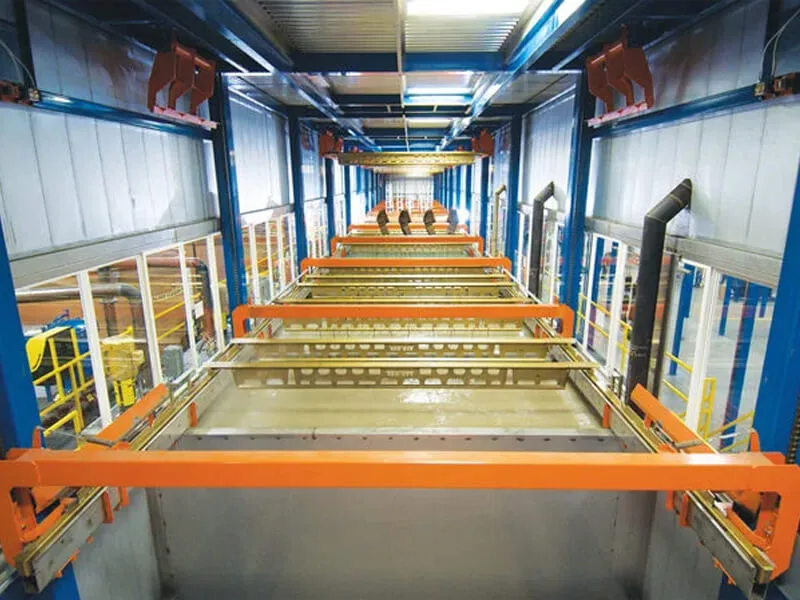
Curing ovens are thermal processing chambers designed for powder-coated parts. They provide the specific heat energy required for crosslinking.
The curing process involves two main thermal phases:
Precise control over time and temperature is non-negotiable. Undercuring leaves a soft, weak film. Overcuring can cause discoloration or brittleness.
Choosing the right oven type depends on production volume, part size, and energy sources.
Batch / Walk-In Curing Ovens
Ideal for low-to-medium volume or large, irregularly shaped parts.
Conveyorized Continuous Curing Ovens
Designed for high-volume, consistent production lines.
Infrared (IR) Curing Ovens
Use electromagnetic radiation to directly heat the coating and substrate.
Investing in a curing oven requires careful analysis of your specific needs.
Production Requirements and Specifications
Define your current and future needs clearly.
Heat Source and Energy Efficiency
The heat source impacts operating costs and performance.
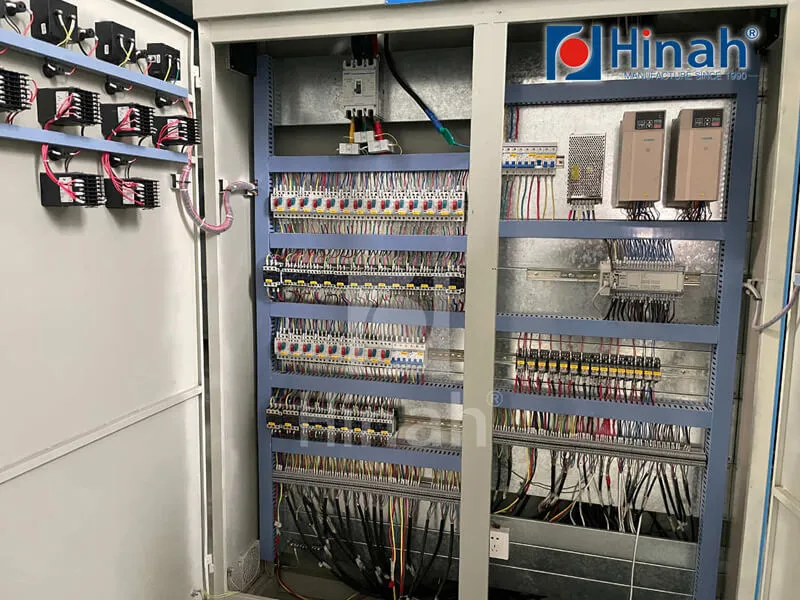
Control Systems and Uniformity
Consistent results rely on advanced controls.
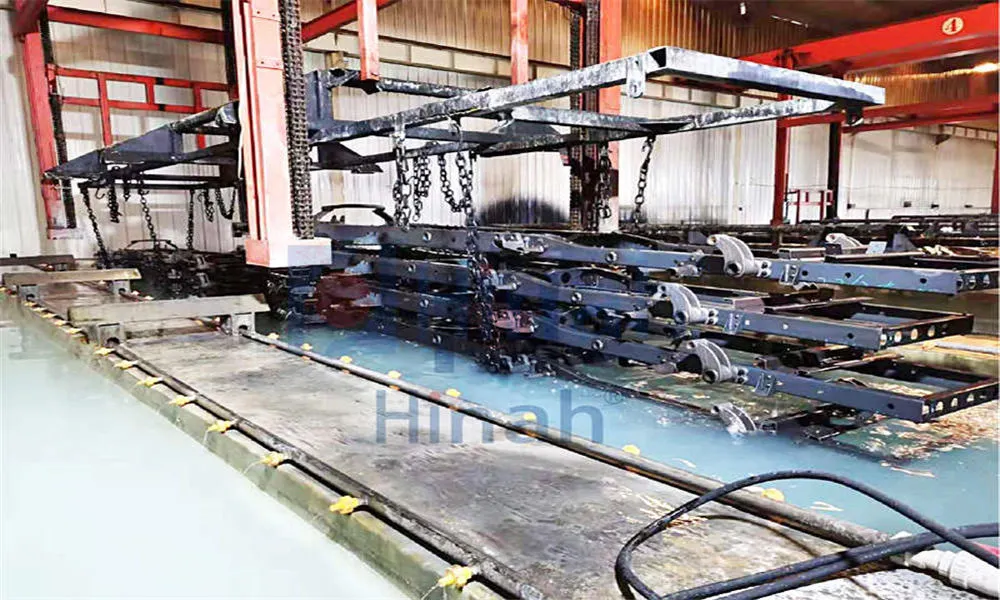
Proper use and care maximize oven life and product quality.
Daily and Weekly Checks
Routine maintenance prevents unexpected downtime.
Ensuring Curing Quality and Compliance
Regular verification is essential.
HANNA designs and builds curing ovens that meet the rigorous demands of modern powder coating. Our focus is on reliability, efficiency, and results.
Engineered for Precision and Durability
Every HANNA oven is built to last and perform.
Tailored Solutions for Your Line
We understand that one size does not fit all.
For a curing oven solution that combines precise engineering with practical reliability, consider the range of batch and continuous ovens from HANNA. Our systems are designed to cure your products perfectly, batch after batch.
Frequently Asked Questions (FAQs)
Q1: What is the typical temperature range for a powder coating curing oven?
A1: Most powder coatings cure between 150°C and 200°C (300°F to 400°F). The exact temperature and time depend on the specific powder formula. Always follow the manufacturer's technical data sheet.
Q2: How long do parts usually need to stay in a curing oven?
A2: Cure times typically range from 10 to 30 minutes, measured from when the part itself reaches the target temperature. This "metal temperature" soak time is crucial, not just the oven cycle time.
Q3: Can a curing oven be used for both powder and liquid paint?
A3: While possible, it is not generally recommended without consultation. Liquid paints may have different volatile emissions, requiring additional oven safety features. Optimal curing for each technology often requires a dedicated oven.
Q4: What are the most important safety features for a curing oven?
A4: Key safety features include properly sized exhaust systems, high-temperature limits, emergency stop buttons, and ventilation interlocks. For gas ovens, flame supervision devices and combustible gas monitors are essential. HANNA ovens are built to relevant safety standards.
Q5: How can I improve the energy efficiency of my existing curing oven?
A5: Several steps can help: ensure door seals are intact, regularly clean filters and fans, optimize the curing schedule, and consider adding thermal mass or upgrading insulation. A maintenance audit from a provider like HANNA can identify specific improvement areas.