
In industrial finishing, the final conversion of powdered polymer into a durable, cross-linked film hinges entirely on the thermal process. A powder coating curing oven is not merely a heating chamber; it is a precisely controlled thermodynamic reactor where time, temperature, and heat distribution intersect to determine mechanical resistance, corrosion protection, and aesthetic consistency. With over two decades of experience in coating line design and process optimization, I have observed that the most persistent quality issues—poor adhesion, orange peel, under-cure brittleness—trace back to miscalibrated curing parameters rather than the application stage itself. This article provides a rigorous examination of curing oven technology, focusing on heat transfer mechanisms, profile management, energy reduction strategies, and the integration of Industry 4.0 monitoring to achieve repeatable, verifiable cure cycles.
For operations managers and engineering teams, the selection or retrofit of a powder coating curing oven requires a thorough understanding of substrate thermal mass, conveyor dynamics, and the specific cure window of the powder formulation. Below, we dissect the key technical domains that separate a standard oven from a high-performance curing system.
The fundamental choice in curing oven design revolves around the primary heat transfer method. Each approach carries distinct advantages depending on part geometry, substrate material, and production throughput.
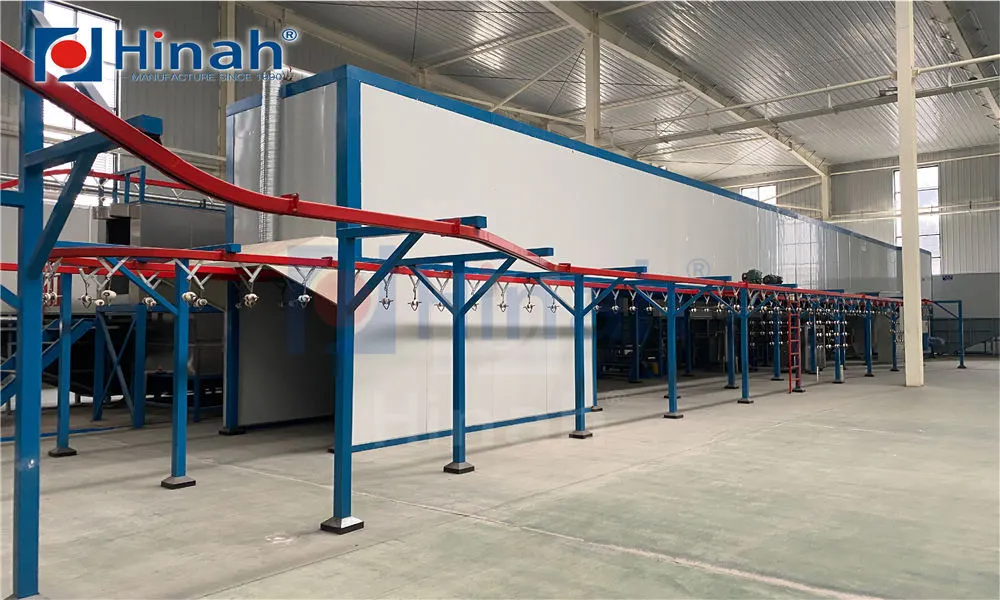
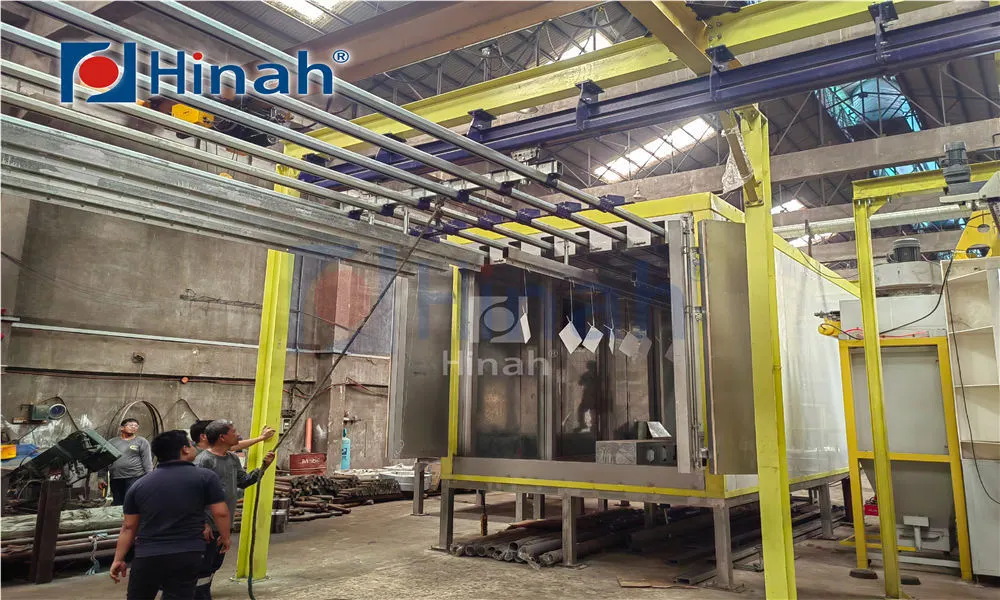
Convection ovens rely on recirculated heated air to transfer energy. They remain the industry standard for high-volume lines with consistent part loads. The critical engineering parameters include:
Airflow Velocity and Pattern: Properly designed plenums and adjustable nozzles ensure that air velocity remains within 2.5–5 m/s across the part surface. Excessive velocity can disturb uncured powder; insufficient velocity creates thermal stratification.
Zone Separation: Multi-zone convection ovens allow independent temperature control along the length of the tunnel, enabling a precise temperature ramp rate (typically 5–15°C per minute) to prevent outgassing in porous substrates like castings.
Insulation Standards: High-density mineral wool insulation (150–200 mm thickness) with thermal break construction reduces skin temperature and minimizes heat loss, directly impacting gas or electricity consumption.
Infrared ovens utilize electromagnetic radiation to heat substrates directly rather than the surrounding air. This technology is particularly effective for:
Thin-wall substrates such as aluminum extrusions where rapid gelation prevents sagging.
High-mix, low-volume lines where quick on/off cycling reduces idle energy waste.
Selective heating using medium-wave or short-wave emitters to target specific part zones without heating the entire conveyor structure.
Modern installations increasingly adopt hybrid designs: IR pre-gel zones followed by convection dwell sections. This configuration combines the rapid initial temperature rise of IR with the uniform thermal soak of convection, ensuring complete cross-linking even on parts with variable cross-sectional thickness.
Every thermoset powder has a defined cure window—a specific combination of substrate metal temperature and dwell time required to achieve full polymerization. Common TGIC polyester powders, for instance, require 10 minutes at 200°C (metal temperature) for complete cross-linking. A powder coating curing oven must maintain these conditions within a tolerance of ±5°C across the entire part load. The technical challenges arise from:
Thermal Mass Variation: A mixed load of 2 mm sheet metal and 20 mm cast iron will absorb heat at different rates. Advanced ovens employ adaptive zone controls that modulate burner output based on real-time thermocouple feedback from the conveyor.
Shadow Zones: In convection ovens, parts mounted on dense racks can block airflow, creating low-temperature zones. Computational fluid dynamics (CFD) modeling during the design phase predicts these areas, allowing strategic placement of booster burners or adjustable baffles.
Data from a recent line audit showed that a facility operating with a 15-year-old oven had temperature deviations exceeding ±12°C across the conveyor width, resulting in a 9% reject rate due to under-cured parts. After retrofitting with a zoned burner system and digital PID controllers, the deviation dropped to ±3°C, and first-pass yield increased to 97.4%.
Energy consumption represents the largest operational expense in curing. Modern powder coating curing oven designs focus on reducing kilowatt-hours per square meter coated. Key engineering strategies include:
Modulating Burners vs. On/Off Control: On/off burners create temperature oscillations of ±10–15°C. Modulating burners with variable frequency drives (VFDs) adjust flame intensity continuously, maintaining stability within ±2°C while reducing gas consumption by 12–18%.
Exhaust Air Management: Ovens require controlled exhaust to remove volatiles from the curing process. However, excessive exhaust draws heated air out of the tunnel. Modern systems use cross-flow heat exchangers to recover up to 65% of exhaust heat, pre-heating incoming fresh air.
Insulation Upgrades: Replacing deteriorated insulation in older ovens can reduce heat loss by 30–40%. Surface temperature should not exceed ambient by more than 15°C on sidewalls.
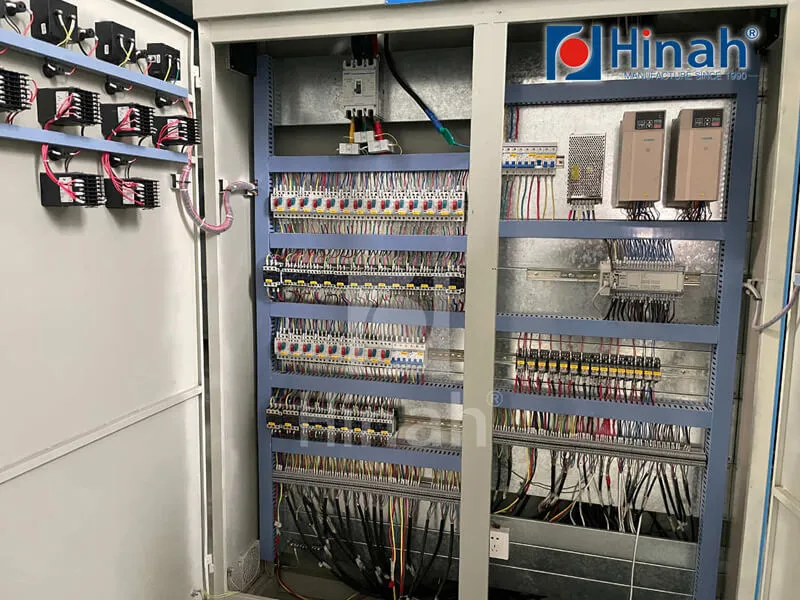
For manufacturers operating multiple lines, centralized data monitoring through PLCs and SCADA systems enables benchmarking energy intensity per batch, identifying drift before it becomes a cost issue.
The selection and configuration of a curing oven must align with the physical characteristics of the parts being coated. Below are three distinct industrial scenarios where oven design diverges significantly.
Extrusions up to 30 feet in length require horizontal or vertical curing ovens with precise temperature uniformity along the length. Vertical ovens minimize conveyor footprint and reduce the risk of sagging on thin profiles. IR-assisted convection is often specified to achieve rapid gelation before the part enters the convection zone, preventing flow marks on vertical surfaces.
Aluminum wheels require strict cure cycles to avoid compromising mechanical properties (T6 temper). Ovens for this sector feature multi-stage temperature profiles: a low-temperature degassing zone (120°C) to release entrapped air from porosity, followed by a rapid ramp to 190–200°C, and a controlled cool-down to prevent thermal shock. Automated data logging per wheel batch is mandatory for OEM certification.
Parts with thick steel sections (up to 25 mm) demand extended dwell times to ensure the metal core reaches cure temperature. Convection ovens with high-velocity impingement nozzles are preferred to overcome the boundary layer resistance. Additionally, ovens for this sector are often designed with floor-mounted rail systems and pneumatically operated doors to accommodate overhead crane loading for oversized components.
Modern curing lines are shifting from reactive quality control to predictive process management. Integrated powder coating curing oven systems now incorporate:
Continuous Temperature Profiling: Wireless data loggers travel through the oven on the conveyor, transmitting real-time metal temperature curves. This data is compared against the powder’s technical data sheet (TDS) to validate cure status for each batch.
Predictive Maintenance Algorithms: Sensors on burner flame rods, motor amperage, and bearing vibration trigger maintenance alerts before unplanned downtime occurs.
Energy Dashboards: Real-time consumption per part or per shift allows operators to identify inefficiencies such as empty conveyor gaps or extended idle periods.
HANNA specializes in the integration of these intelligent systems with traditional oven infrastructure. Their turnkey approach ensures that the mechanical robustness of a convection or IR oven is paired with digital tools that provide actionable data, reducing variability and enabling compliance with ISO 9001:2015 and IATF 16949 standards.
In summary, the powder coating curing oven is the decisive element in the finishing line’s ability to deliver consistent, high-durability coatings. Whether selecting a new system or upgrading an existing unit, attention to heat transfer dynamics, temperature uniformity, and energy recovery directly translates to improved first-pass yield and reduced operating costs. As powder formulations advance toward low-temperature cures (130–160°C) and ultra-thin film applications, the precision of the curing process will become even more critical.
Q1: What is the difference between metal temperature and air temperature in a curing oven, and why does it matter?
A1: Air temperature is the setpoint measured by oven thermocouples, while metal temperature is the actual substrate temperature. Powder cure is dictated by metal temperature. A common error is assuming that when the air reaches 200°C, the part has reached that temperature. Depending on part mass and conveyor speed, there can be a lag of 3–8 minutes. Reliable powder coating curing oven systems use profiling systems to measure metal temperature directly, ensuring that the part spends the required time at the specified metal temperature, not just air temperature.
Q2: How do I determine the correct dwell time for a mixed load of parts with varying thickness?
A2: The correct dwell time is dictated by the part with the highest thermal mass. Using a thermal profiler, you measure the thickest part in the load to ensure it reaches the required metal temperature for the specified duration. If the variation is significant, consider zoning the oven or adjusting racking patterns to separate heavy and light parts. Some advanced ovens incorporate variable-speed conveyors that slow down automatically when heavy parts are detected to compensate for thermal lag.
Q3: Can I retrofit an existing convection oven with infrared emitters to improve performance?
A3: Yes. Hybrid retrofits are increasingly common. Adding a short-wave IR zone at the entrance of a convection oven provides a rapid initial heat spike that gels the powder quickly, reducing sagging on vertical surfaces and allowing for higher line speeds. This configuration also reduces the overall length of the convection zone required. Companies like HANNA offer modular IR modules that can be integrated with existing controls, minimizing production disruption during installation.
Q4: What is the typical energy consumption per square meter for a well-maintained gas-fired curing oven?
A4: For a modern, properly insulated gas-fired convection oven operating at 200°C, energy consumption typically ranges from 0.8 to 1.2 kWh per square meter of coated surface, depending on part density and conveyor load factor. Older ovens with poor insulation and on/off burner controls often consume 1.5–2.0 kWh/m². Energy recovery systems can reduce this by an additional 15–20%.
Q5: How often should oven temperature uniformity be validated, and what methods are used?
A5: Temperature uniformity should be validated at least quarterly, or whenever there is a significant change in production mix or after maintenance affecting the heating system. The standard method (per AMS 2750 or similar) involves running a loaded conveyor with 9 to 12 thermocouples placed at critical locations (top, bottom, leading, trailing edges). The data logger records the entire cycle, and uniformity is reported as the range between maximum and minimum temperatures at any given time. Acceptance criteria for powder coating typically require ±5°C uniformity across the working zone.
For technical specifications, thermal profiling services, or a comprehensive evaluation of your existing curing line, visit HANNA’s industrial finishing portal to access engineering resources and case studies on high-efficiency powder coating curing oven solutions.