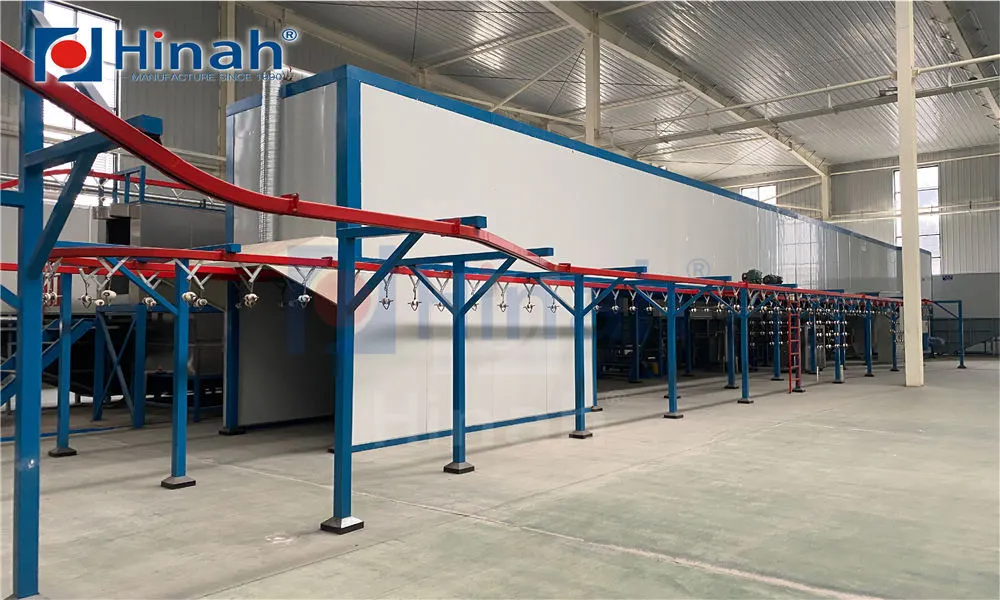
In modern metal finishing, the curing oven is the heartbeat of the line. It is where thermoplastic or thermoset powder particles melt, flow, and chemically cross-link to form a durable, high-quality film. Among the available heat sources, the electric powder coating oven">electric powder coating oven has become the preferred choice for a vast range of applications—from architectural aluminum and automotive components to sensitive electronics enclosures. Its dominance stems from unparalleled precision, cleanliness, and the ability to integrate with smart manufacturing systems. This article provides a technical deep-dive into the engineering principles, operational advantages, and selection criteria for electric infrared and convection ovens, offering data-backed insights for finishing professionals seeking to optimize their cure process.
Understanding how an electric powder coating oven transfers energy to the substrate is critical for troubleshooting and process optimization. Unlike gas-fired systems that heat the air, which then heats the part, electric systems can utilize both convection and radiant methods, often in hybrid configurations.
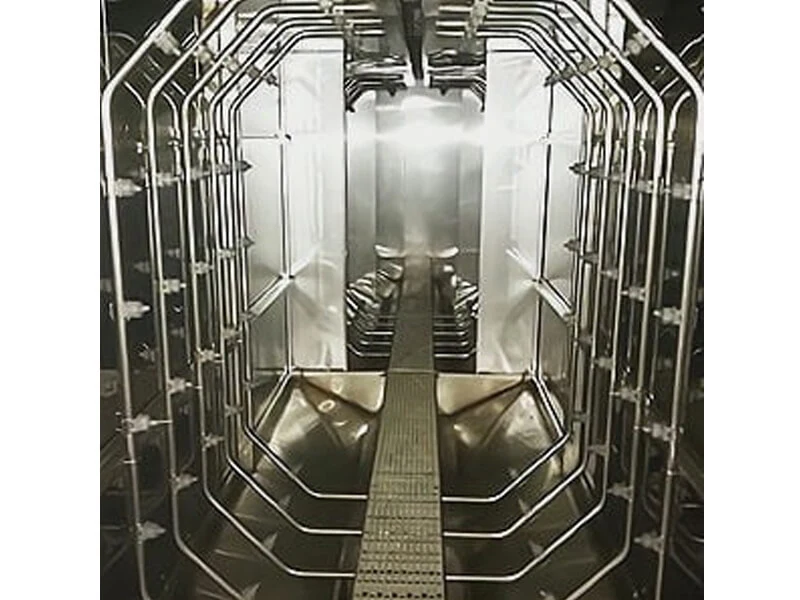
Electric convection ovens use resistance heating elements (typically open coil or finned tubular) to heat recirculated air. A high-volume fan then forces this heated air across the part's surface at high velocity. The key engineering challenge is maintaining temperature uniformity, typically specified at ±5°C or tighter.
Air Seals and Insulation: High-density mineral wool insulation (100-150mm thickness) and continuous door seals minimize thermal loss, directly impacting energy consumption and gradient control.
Airflow Patterns: Designs use horizontal (side-to-side) or vertical (downward) airflow. The choice depends on part geometry; vertical flow is often better for parts with deep cups or recesses that can trap air.
Plenum Design: Perforated sheets or directional nozzles ensure even air distribution across the working zone, preventing "shadow" areas where parts cure slower.
Modern electric convection systems allow for precise adjustment of air velocity and direction, accommodating diverse part racks on the same line.
For high-speed lines or thick substrates, IR provides a distinct advantage. Medium-wave IR emitters, often quartz or metal-sheathed, generate radiation that is absorbed directly by the part, bypassing the need to heat the air mass. This can significantly reduce ramp-up time.
Wavelength Matching: Different powder colors and substrate materials absorb IR energy at different efficiencies. Control systems now allow for power modulation to prevent overheating dark-colored parts while ensuring light-colored parts reach full cure.
Hybrid Systems: Many high-performance electric powder coating ovens combine an IR boost zone at the entrance to rapidly gel the powder (preventing contamination from air movement) followed by a convection hold zone for complete cross-linking.
The shift toward Industry 4.0 places new demands on curing equipment. An electric powder coating oven must not only maintain temperature but also document the process with high fidelity.
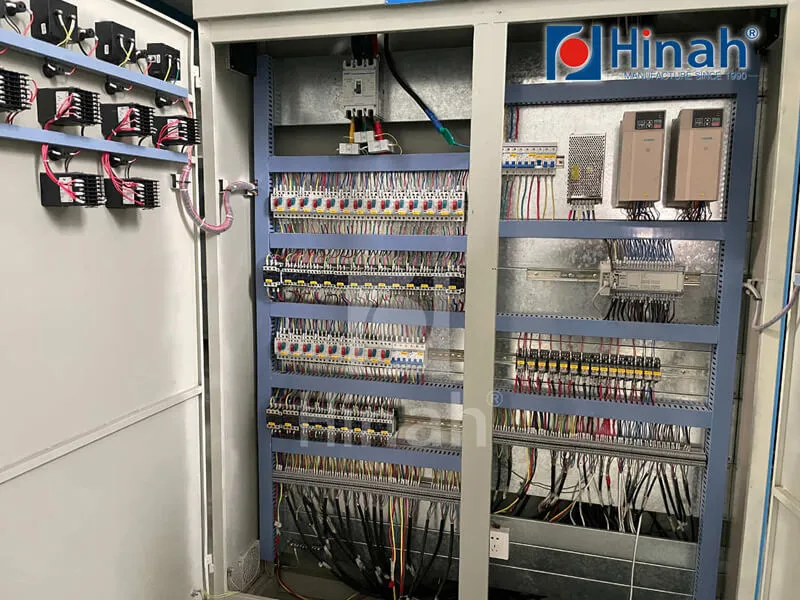
Proportional-Integral-Derivative (PID) controllers are the brain of the oven. They manage the power output to the heaters based on feedback from thermocouples. Poorly tuned loops lead to temperature overshoot (which can cause yellowing or degradation of the powder) or slow response (extending cycle times). Advanced controllers feature:
Auto-Tuning Algorithms: Automatically calculate optimal PID parameters based on the specific thermal load of the parts.
Multi-Zone Control: Independent control loops for each zone compensate for variations in part density along the conveyor.
Data Logging: Secure, paperless recording of the entire cure profile for quality audits and traceability, essential for automotive and aerospace suppliers.
While primarily a powder application issue, complex geometries with deep recesses can also suffer from inconsistent curing if airflow is poor. The solution lies in the oven's design. Strategic placement of nozzles or adjustable baffles can direct heated air into these challenging areas, ensuring that the powder is fully cured even in shielded sections of the part. This is a key differentiator in custom-engineered systems from specialists like HANNA, who analyze client part profiles to design targeted airflow solutions.
The operational expense of a powder coating line is heavily influenced by the curing oven. Electric ovens offer distinct advantages in efficiency, especially when paired with modern control strategies.
While the cost per BTU of electricity can be higher than gas, the total energy required to cure a part in an efficient electric powder coating oven can be lower due to reduced heat losses.
No Flue Losses: Electric ovens do not require a combustion air supply or exhaust flue for burners, eliminating a major source of heat loss inherent in gas systems. Exhaust is only needed to remove trace volatiles.
High-Efficiency Insulation: Modern electric ovens utilize modular panels with thermal breaks, minimizing conductive heat loss through the structure.
Variable Frequency Drives (VFDs): Installing VFDs on recirculation fans allows operators to reduce airflow during low production periods or light loads, saving significant electrical energy.
Throughput is determined by the oven's ability to cure parts at the line speed. This requires precise calculation of the heat-up and soak times.
Part Mass and Thermal Load: The total mass of metal on each rack acts as a heat sink. The oven's heating power must be sufficient to bring this mass to the cure temperature within the allotted time.
Conveyor Speed Optimization: The oven's length is a direct function of the required dwell time at a given line speed. For example, a 10-minute cure at 5 feet per minute requires a 50-foot oven. HANNA provides thermal modeling to right-size the oven, avoiding bottlenecks.
Electric ovens contribute to a cleaner, safer, and more compliant workshop environment. They produce zero on-site combustion emissions, simplifying permitting and improving air quality within the facility.
Gas ovens introduce water vapor and trace amounts of NOx and CO2 into the oven atmosphere. In rare cases, this can affect the surface chemistry of sensitive powder coatings. An electric oven provides a completely inert heating environment, ensuring that the chemical cross-linking proceeds exactly as the powder manufacturer intended. Furthermore, the elimination of a gas train and pilot lights reduces the risk of fire or explosion, although proper safety interlocks for over-temperature and airflow are still mandatory.
While powder coating emits negligible VOCs compared to liquid painting, some outgassing from substrates or the powder itself can occur. A well-designed electric powder coating oven includes a controlled exhaust system that captures these fumes. For high-volume lines, this exhaust can be directed to thermal oxidizers or carbon filtration systems, ensuring compliance with local air quality regulations—a key consideration when planning for sustainable growth.
Choosing the right equipment requires a systematic analysis of current and future production needs. Generic, off-the-shelf ovens often lead to compromises in efficiency or quality.
Maximum Operating Temperature: Typically 200°C to 250°C for most powders, though high-performance applications may require 300°C+.
Temperature Uniformity: Specify a tight tolerance (e.g., ±3°C) during the soak phase.
Heat-Up Time: The time required to bring the empty oven from ambient to operating temperature.
Recovery Time: The time it takes for the oven to return to setpoint after a large, cold rack enters.
Control System: Ensure it supports the communication protocols (Ethernet/IP, Profinet) used in your facility.
Leading manufacturers design ovens that are not just purchased, but engineered as part of a complete system. For instance, the integration of a precisely matched electric powder coating oven with upstream pretreatment and application equipment ensures seamless operation. This holistic approach, offered by experienced integrators, minimizes installation downtime and guarantees performance from day one.
The electric powder coating oven represents a mature yet continuously evolving technology. Its ability to deliver precise, repeatable thermal profiles in a clean, efficient manner makes it indispensable for high-quality finishing. By understanding the nuances of heat transfer, control systems, and energy management, finishing professionals can select and operate an oven that not only cures parts but significantly enhances overall business competitiveness. Partnering with a knowledgeable supplier ensures that the oven is not just a capital expense, but a strategic asset calibrated for precision and productivity.
Q1: What is the typical payback period when upgrading from a gas oven to a modern electric powder coating oven?
A1: While this varies significantly based on local utility rates and production volume, the payback is often driven by efficiency gains and reduced maintenance. The elimination of flue losses and the ability to use VFDs on fans can reduce energy consumption by 15-30%. Combined with lower maintenance costs (no burners, gas trains, or annual flue inspections), many operations see a full return on investment within 2 to 4 years. A detailed energy audit is recommended for an accurate projection.
Q2: Can an electric powder coating oven cure all types of powder, including low-bake and high-performance types?
A2: Yes, modern electric ovens are highly versatile. They can precisely maintain the low temperatures required for heat-sensitive substrates (like MDF or some assembled components) as well as the high temperatures needed for functional coatings (like PTFE or high-corrosion epoxies). The key is selecting an oven with a broad operating range and a control system capable of stable performance at the desired setpoint.
Q3: How do I determine if I need an infrared (IR) oven, a convection oven, or a combination?
A3: The choice depends on your parts. IR ovens excel at rapidly heating flat sheets or simple geometries, making them ideal for high-speed lines. Convection ovens are better for complex, three-dimensional parts with varying mass, as the heated air can reach all surfaces. A hybrid system (IR boost + convection hold) offers the best of both worlds, speeding up the initial gelation while ensuring uniform final cure, and is often the top recommendation for mixed production.
Q4: What are the most critical safety features required for an electric powder coating oven?
A4: Key safety features include: 1) High-Limit Temperature Controllers: Independent, hard-wired safety stats that cut power if the main controller fails and the oven overheats. 2) Airflow Switches: Prove that the recirculation fans are running before the heaters can energize, preventing heat buildup. 3) Emergency Stop (E-Stop) Circuit: Readily accessible E-stops that cut power to the conveyor and heaters. 4) Exhaust Monitoring: Confirmation that the exhaust fan is operating to prevent fume accumulation.
Q5: What maintenance is required to keep an electric powder coating oven operating at peak efficiency?
A5: Regular maintenance includes: 1) Cleaning: Periodic removal of dust and uncured powder from interior walls, fans, and heating elements to prevent buildup and maintain efficiency. 2) Seal Inspection: Checking door and panel seals for gaps or wear. 3) Contactor Checks: Inspecting heater contactors for pitted contacts, which can cause phase loss and uneven heating. 4) Calibration: Annual recalibration of temperature sensors and controllers to ensure accuracy. 5) Fan Bearing Lubrication: Following manufacturer recommendations for high-temperature fan bearings.
Q6: How does part density on the rack affect the curing process in an electric oven?
A6: Part density has a significant impact. Overloading a rack can create a high thermal mass that slows heat-up and can block airflow, leading to under-cured parts in the center of the load. Conversely, very light loading may cause the oven control system to overshoot. Modern ovens with multi-zone control and VFDs can compensate for these variations better than simple single-zone units. Proper rack design, in consultation with your oven supplier, is essential for consistent results.