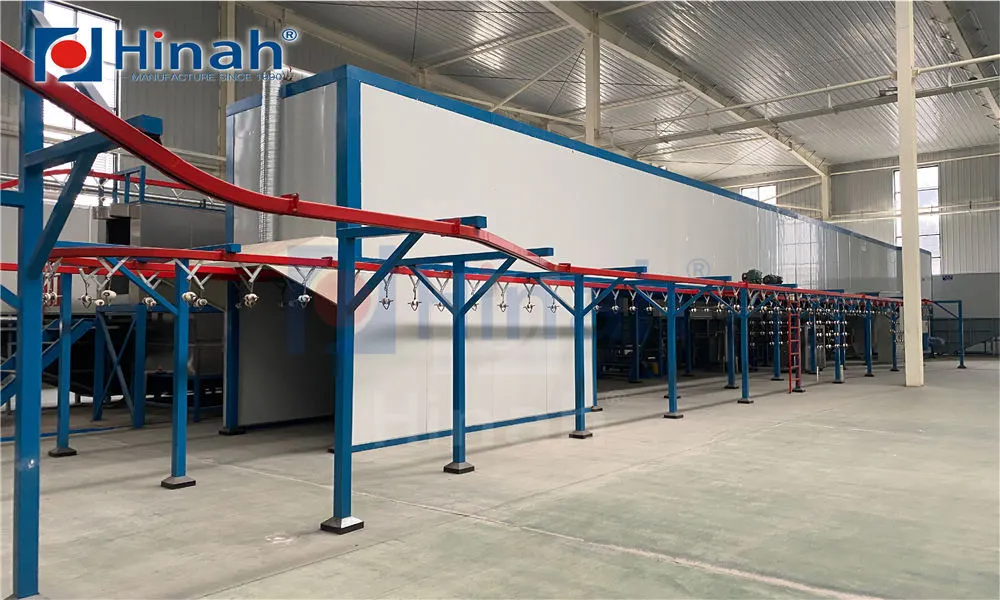
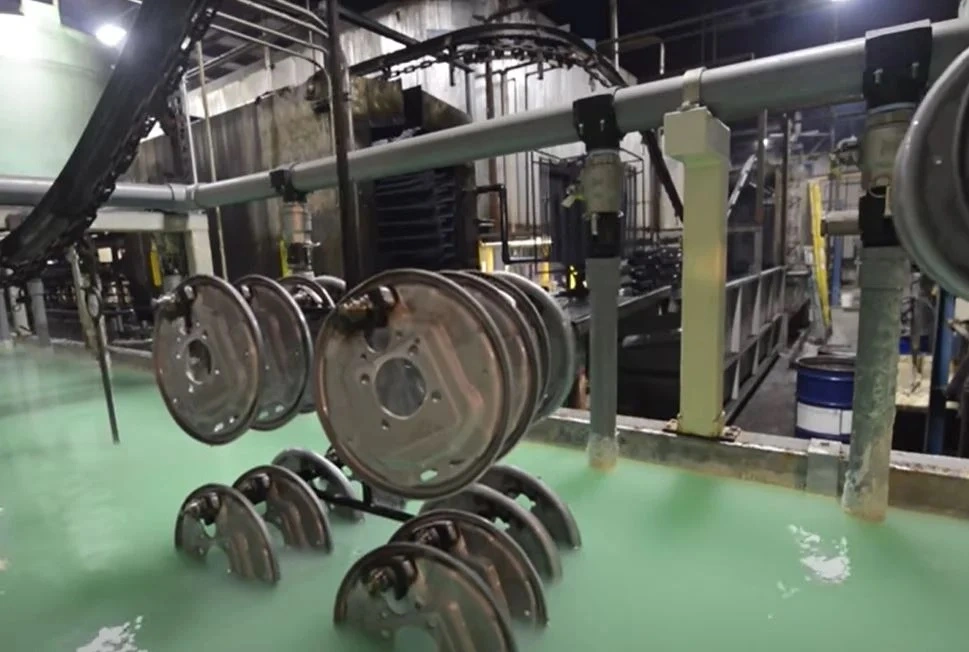
So, you're ready to invest in an electric powder coating oven. This isn't just a big metal box that gets hot. It's the final, critical stage where your finish gains its durability, chemical resistance, and aesthetic appeal. A poorly designed oven can ruin perfectly coated parts, leading to rework, wasted powder, and lost productivity.
Choosing the right one means looking beyond the basic price tag. You need to understand the technical specs that truly impact performance. Here are the seven key specifications you must evaluate before making a decision.
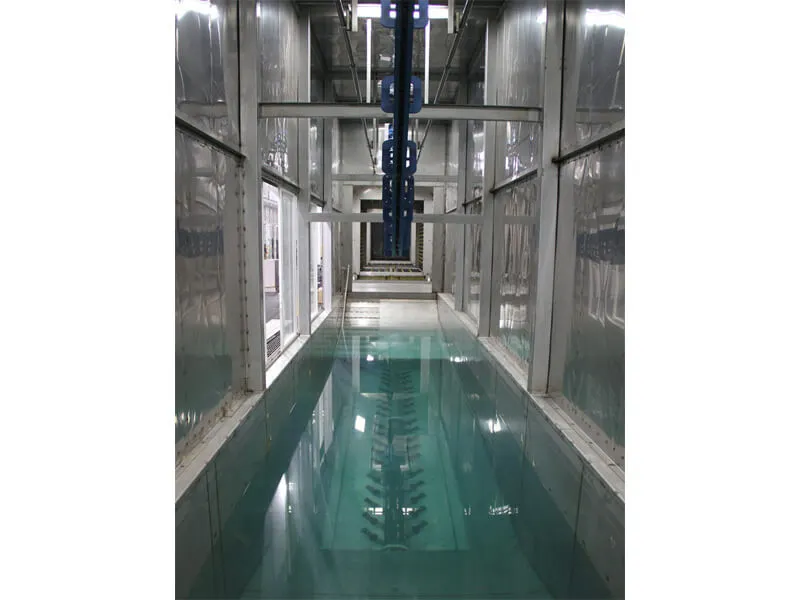
First, why choose an electric powder coating oven over gas or infrared? Electric ovens offer distinct advantages for powder coating:
For most small to mid-sized shops and many large-scale applications, an electric powder coating oven is the efficient, reliable choice.
This is the #1 spec to scrutinize. It’s usually stated as “± X°F/°C” across the entire work zone at a set temperature (e.g., ±10°F at 400°F).
Why it matters: If one part of the oven is 380°F and another is 420°F, you'll get under-cured and over-cured parts in the same batch. Under-cure leads to soft, poor-performing film. Over-cure can cause discoloration and brittleness.
Look for: A tight tolerance. A quality oven from a manufacturer like HANNA will achieve ±5°C or better through optimized airflow design, not just more heating elements.
How the oven heats is as important as if it heats.
The oven's shell keeps heat in and energy costs down.
A basic thermostat won't cut it for professional results.
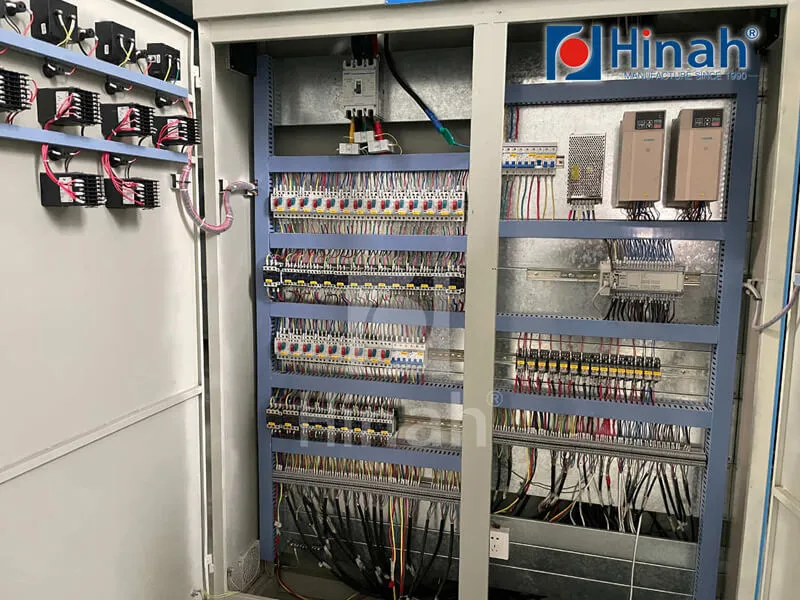
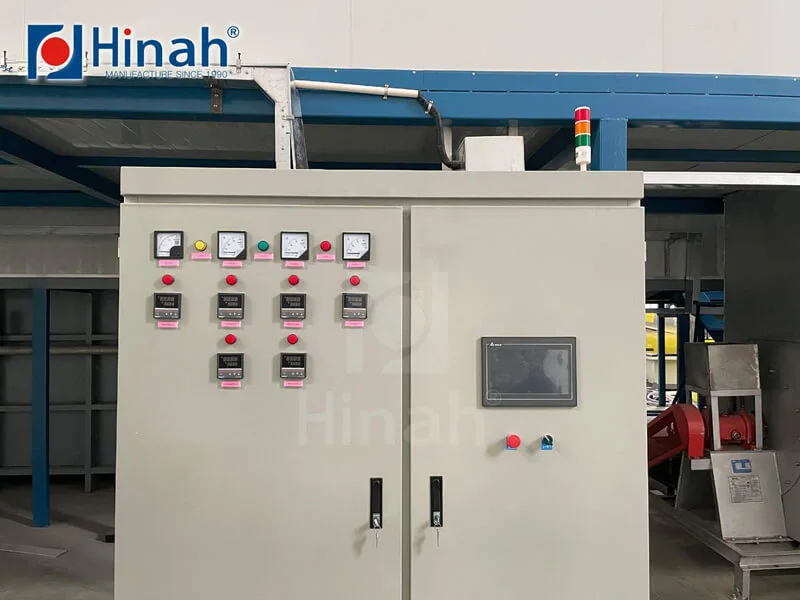
Your electric powder coating oven should have at minimum a digital PID (Proportional-Integral-Derivative) controller. PID controllers actively learn and adjust heating to prevent temperature overshoot and maintain a rock-steady setpoint.
For advanced needs, look for:
The purchase price is just the beginning. Calculate the cost to run it.
Key factors affecting efficiency:
When requesting a quote from suppliers like HANNA, ask for estimated kW consumption per hour of operation to model your costs.
Safety is non-negotiable. Ensure the oven includes:
Finally, can the supplier build what you actually need?
Choosing a supplier with strong in-house engineering ensures your electric powder coating oven is an asset, not a compromise.
An electric powder coating oven is a precision thermal processing tool. By prioritizing these seven specifications—uniformity, airflow, construction, controls, efficiency, safety, and customization potential—you make an informed investment.
You're not just buying a heater. You're buying consistent finish quality, lower reject rates, controlled operating costs, and the capacity to grow. Partner with an experienced manufacturer who provides a custom powder coating oven solution tailored to your process. This approach guarantees your oven will be a cornerstone of quality and profitability for years to come.
Q1: What size electric powder coating oven do I need?
A1: Size is based on your largest part or rack, plus essential clearance. A good rule is to add at least 6-12 inches on all sides of your part/rack to ensure proper airflow. Also, consider future projects. It's often more cost-effective to buy slightly larger now than to replace the oven later. Suppliers like HANNA can help you calculate the optimal dimensions.
Q2: How long does it take for an electric oven to reach curing temperature?
A2: Ramp-up time depends on oven size, insulation, and heater wattage. A well-insulated 10' x 10' x 10' oven with adequate power might take 30-45 minutes to go from room temperature to 400°F (204°C). Ask your supplier for the calculated heat-up time for the specific model.
Q3: What maintenance does an electric powder coating oven require?
A3: Regular maintenance is simple but vital. It includes: periodically vacuuming debris from the interior, checking and cleaning air intake/exhaust vents, inspecting door seals for wear, verifying calibration of temperature sensors, and ensuring all electrical connections are tight. An annual professional inspection is recommended.
Q4: Can I cure different powder types (e.g., epoxy, polyester, hybrid) in the same oven?
A4: Yes, a properly calibrated electric powder coating oven can cure any thermoset powder. The key is following the powder manufacturer's specific time and temperature cure schedule (e.g., 10 minutes at 400°F metal temperature). You simply adjust your oven's setpoint and timer for each powder type.
Q5: Why choose a custom oven over a standard "off-the-shelf" model?
A5: A custom powder coating oven solution ensures maximum efficiency and workflow integration. If your parts are unusually shaped, your production volume is very high, or your facility layout is tight, a custom design optimizes airflow for your specific loads, fits your space perfectly, and can include features like automated doors or specialized racking systems, boosting overall productivity.