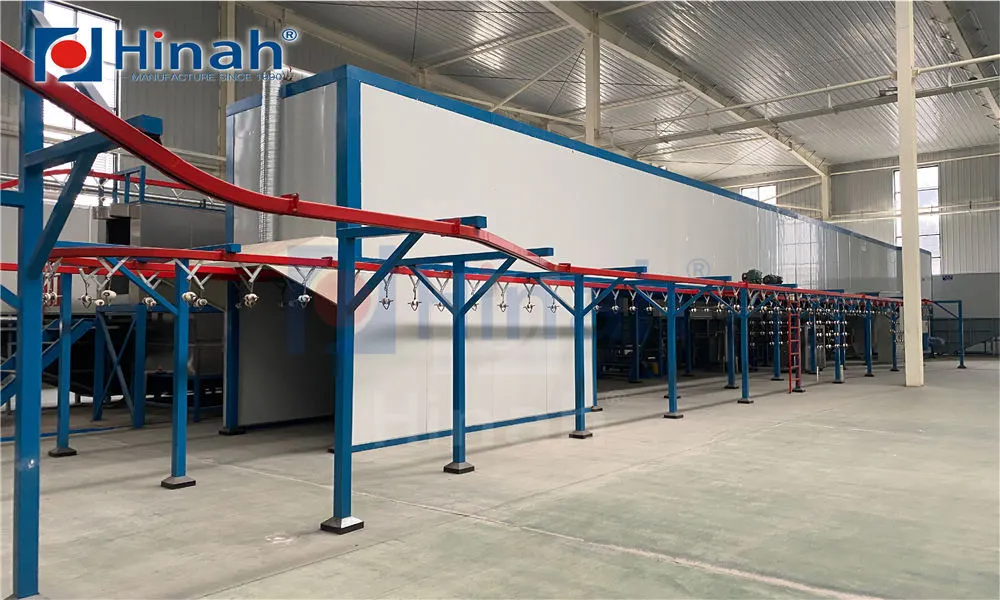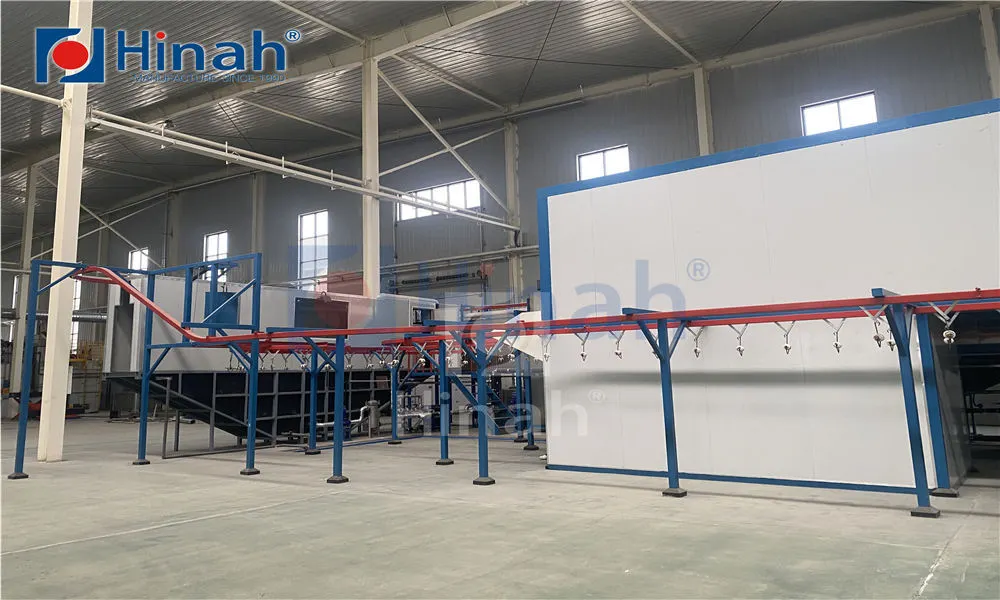

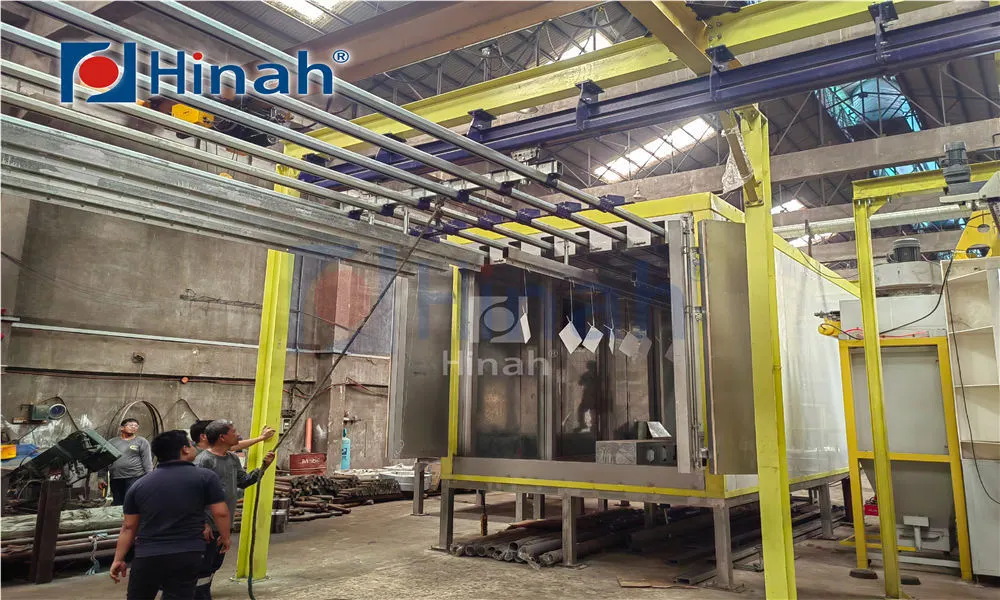
For any finishing shop aiming for durability, efficiency, and a flawless finish, the right curing equipment is non-negotiable. The electric powder coating oven has become a cornerstone of modern powder coating lines, offering precise control and cleaner operation. Unlike gas-fired alternatives, an electric oven uses heating elements to circulate hot air, ensuring even curing for every rack of parts.
Selecting, operating, and maintaining your electric oven correctly directly impacts your bottom line and product quality. This article breaks down the critical aspects, from technology to cost, to help you optimize your process.
Understanding the basic technology is the first step. An electric powder coating oven operates on a simple yet precise principle. Electrical energy is converted to heat via resistant heating elements, typically made of alloys like nickel-chromium.
A powerful circulation fan then distributes this heated air throughout the oven chamber in a controlled, turbulent flow. This uniform air movement is crucial. It ensures every part, regardless of geometry, reaches the required temperature for the specified time, allowing the powder to melt, flow, and cure into a continuous film.
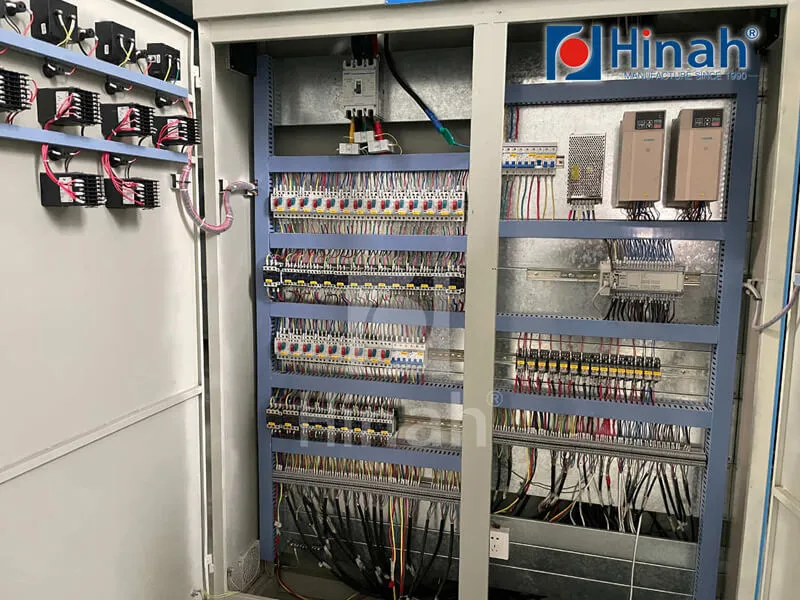
The entire process is managed by a programmable logic controller (PLC). This system allows operators to set precise temperature profiles, including ramp-up, dwell (soak), and cool-down times, ensuring repeatable results batch after batch.
Why are so many operations switching to or specifying electric models? The benefits are substantial and measurable.
First, control and consistency are superior. Electric heating offers rapid response times and pinpoint accuracy (±1°C is common), which is vital for today’s sophisticated powder chemistries.
Second, operational cleanliness is a major advantage. There are no combustion by-products like water vapor or carbon dioxide. This eliminates the risk of gas impurities affecting the finish and results in a cleaner workshop environment.
Third, installation is often simpler. While requiring a robust electrical supply, there is no need for gas lines, venting for exhaust gases, or complex burner systems. This can reduce initial installation complexity.
Finally, modern electric powder coating oven designs from manufacturers like HANNA focus on energy efficiency. Advanced insulation, recirculating airflow designs, and efficient element placement help contain heat and reduce operational costs.
The precision of electric curing makes it ideal for a vast range of industries. It is particularly favored where finish quality and process control are paramount.
In the automotive and aerospace sectors, electric ovens cure components requiring exact thermal profiles for high-performance powders. The furniture and architectural industry relies on them for consistent color and finish on metals used in outdoor fixtures and interior design elements.
The appliance industry uses large conveyorized electric powder coating oven lines to coat panels, racks, and housings with durable, attractive finishes. Similarly, manufacturers of agricultural equipment, electrical enclosures, and consumer goods depend on the repeatability of electric curing for product longevity.
Choosing the wrong oven is costly. Use this checklist to guide your discussion with suppliers like HANNA.
The upfront cost of an electric powder coating oven can be competitive with or sometimes higher than a comparable gas system. However, the total cost of ownership often tells a different story.
While electricity rates vary, the efficiency of conversion from energy to heat is very high in electric systems—often above 95%. There are minimal heat losses from exhaust. Modern ovens with good heat sealing waste very little energy.
Maintenance costs are typically lower. There are no burners, fuel lines, or gas valves to service. Maintenance usually involves checking heating elements, contactors, and fan motors.
The consistency and reduced reject rate due to precise temperature control also contribute to long-term savings. Fewer reworks mean lower material, labor, and energy costs per quality part produced.
Navigating the technical specifications requires a knowledgeable partner. HANNA has established itself as a trusted name in finishing systems by providing robust, reliable, and innovative electric powder coating oven solutions.
HANNA engineers focus on custom-designed ovens that fit the client’s exact spatial and process requirements. They utilize high-grade insulation materials and industrial-grade heating components to ensure longevity and performance.
Their control systems are designed for the shop floor—intuitive yet powerful. By choosing a partner like HANNA, you gain access to expert application advice, comprehensive after-sales support, and a product built for the demands of industrial powder coating.
Integrating a well-designed electric powder coating oven into your production line is a strategic decision that enhances quality, improves operational control, and can reduce long-term running costs. By focusing on the key factors of technology, application, selection, and partnership with a proven supplier like HANNA, you can ensure your investment delivers maximum value and performance for years to come.
Q1: What electrical supply is typically needed for an industrial electric powder coating oven?
A1: Requirements vary greatly by oven size. Small batch ovens may run on standard 3-phase 400V, while large conveyorized systems can require high-amperage supplies (e.g., 400-600V, 100+A per phase). A detailed site assessment by your supplier, like HANNA, is essential to determine the exact need.
Q2: Are electric powder coating ovens safe to operate indoors?
A2: Yes, this is one of their key advantages. Since there is no open flame or combustion exhaust, they produce no harmful fumes from fuel, making them safe for indoor installation with standard workshop ventilation for part off-gassing. Local electrical codes must always be followed.
Q3: How is the temperature uniformity verified in an electric oven?
A3: Reputable manufacturers perform thermal surveys (also called heat runs or TUS). Multiple thermocouples are placed throughout the oven chamber and on a test load. Data is logged to create a map, proving the oven meets uniformity specifications (e.g., ±5°C) under load before delivery.
Q4: Can an electric powder coating oven cure all types of powder?
A4: Virtually all thermosetting powder coatings cure within the standard operating range of a properly sized industrial electric oven (typically up to 250°C). This includes epoxies, polyesters, polyurethanes, and hybrids. Some specialty powders may have unique requirements that should be confirmed with the powder manufacturer.
Q5: What is the main maintenance routine for an electric oven?
A5: Regular maintenance includes inspecting and tightening electrical connections, checking heating elements for signs of wear or damage, ensuring airflow paths and filters are clean, and verifying calibration of temperature sensors and controllers. A preventive maintenance schedule from your supplier is recommended.