If you're sourcing metal components that need superior corrosion resistance, consistent color, and durable finishes, you've likely encountered the term "ED coating process." This isn't just another painting method; it's a fundamental, electrochemically-driven technology that forms the backbone of high-quality industrial finishing. For companies like HANNA, a leader in advanced surface treatment solutions, mastering the ED coating process is critical to delivering parts that perform reliably in the toughest environments, from automotive frames to heavy-duty agricultural equipment.
Unlike simple spray painting, the ED coating process involves immersing parts in a water-based paint bath and using electrical current to deposit the coating uniformly. This ensures every nook, cranny, and recessed area is protected—a key advantage for complex geometries. Let's break down exactly how this works and why it's indispensable.
At its heart, the ED coating process is an electrodeposition method. Charged paint particles are suspended in a water-based solution. When a direct current (DC) is applied, these particles migrate to the metal part (which acts as an electrode) and are deposited evenly onto its surface. This creates an initial, highly uniform layer that is the perfect foundation for powder coating, a subsequent step often used by HANNA for added durability and aesthetics.
The "ED" typically stands for Electrodeposition, often referred to as E-coat or electrocoat. It’s renowned for its throw power—the ability to coat hidden areas—making it unparalleled for corrosion protection.
A typical industrial ED coating process, like those optimized by HANNA for its clients, is a multi-stage pretreatment and application system. Each stage is vital for final performance.
1. Cleaning and Degreasing
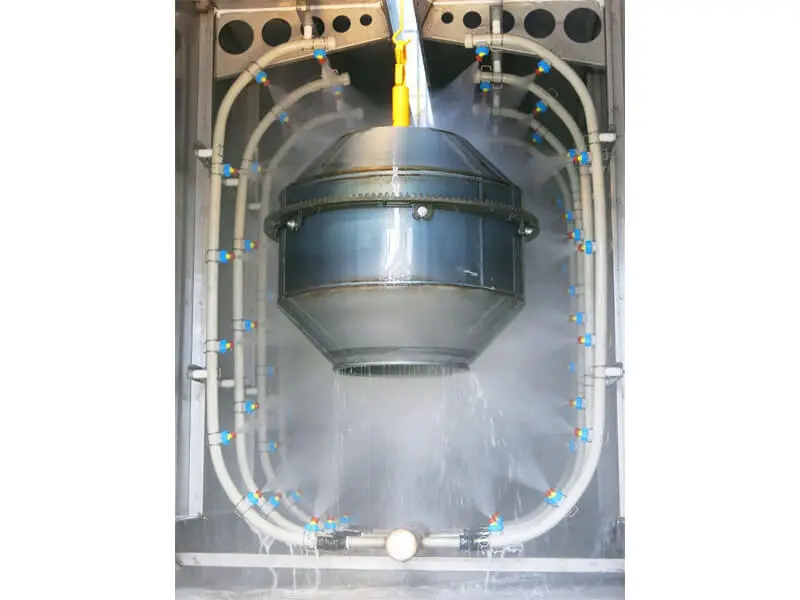
The journey begins with rigorous cleaning. All soils, oils, and lubricants from fabrication must be completely removed. This is usually done with heated alkaline or acidic cleaners through spray or immersion. A clean surface is non-negotiable for proper adhesion in the subsequent ED coating process.
2. Surface Activation (Rinsing & Conditioning)
After cleaning, multiple rinse stages remove cleaner residues. A key step often involves a surface conditioner or activator, like a zinc phosphate or zirconium-based pretreatment. This chemically modifies the surface, creating a microcrystalline layer that dramatically enhances coating adhesion and corrosion resistance.
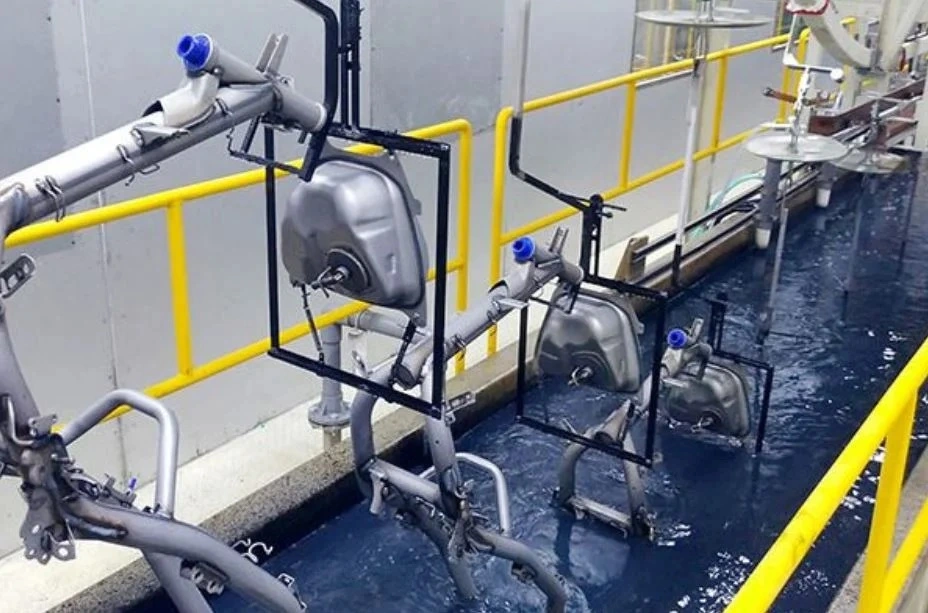
3. The ED Coating Bath Immersion
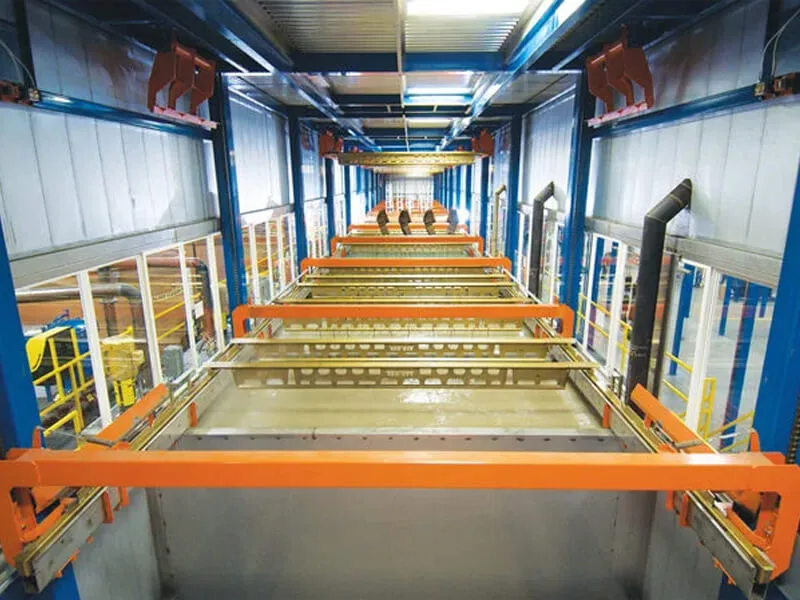
This is the core stage. The pretreated parts are immersed in the ED coating tank. The tank contains a carefully balanced bath of deionized water, paint resins, pigments, and additives. The electrical charge is applied, and the deposition begins. Bath parameters like temperature, voltage, and solid content are meticulously controlled by HANNA engineers for consistent results.
4. Electrodeposition and Film Build
As current flows, the paint particles plate onto the part. The process is self-limiting; as the insulating paint layer builds, deposition slows and stops at a predetermined thickness, typically between 15-25 microns. This ensures exceptional uniformity without runs or sags.
5. Post-Immersion Rinses and Recovery
Upon exiting the bath, parts carry out some uncured paint. This "drag-out" is captured through a series of permeate rinses (using ultrafiltered water from the bath). This efficient recovery loop is a hallmark of the modern ED coating process, achieving near 100% material utilization and minimizing waste.
6. Curing and Cross-Linking
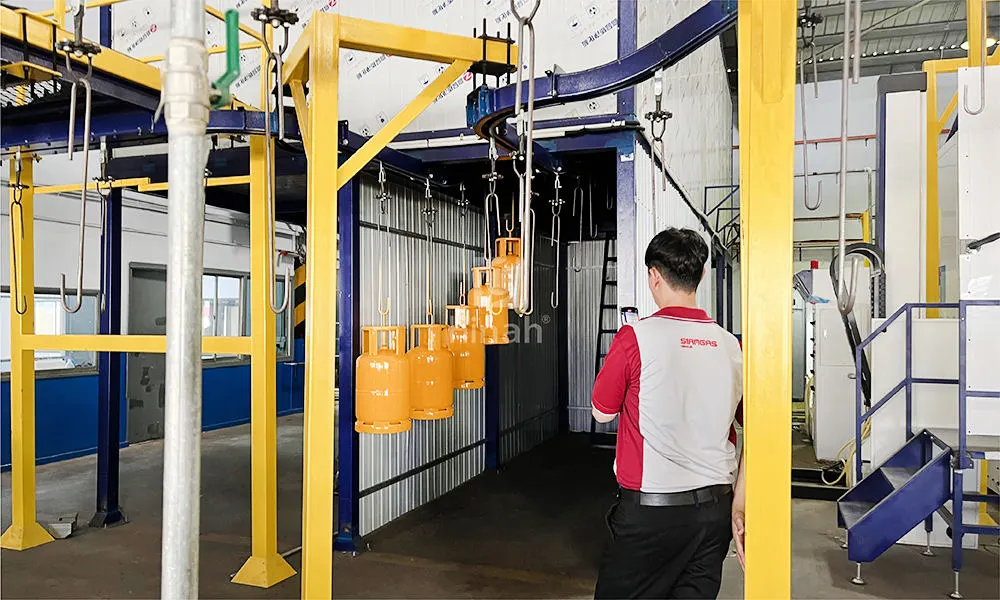
The rinsed parts enter a curing oven. Here, the coating undergoes a thermal cure, typically between 160°C to 190°C. This cross-links the polymer chains, transforming the deposited film into a hard, inert, and highly chemical-resistant finish. Proper cure is essential for achieving all performance properties.
7. Final Quality Inspection
The final step is rigorous inspection. HANNA quality teams check for coating thickness (using magnetic or eddy current gauges), adhesion (via cross-hatch tests), and cure completeness. Critical parts may undergo salt spray testing to validate corrosion protection, often exceeding 1,000 hours to white rust.
The dominance of this method isn't accidental. Its advantages are measurable. First, it provides unmatched corrosion protection, especially on edges and inside cavities that spray methods miss. Second, it offers superior coverage uniformity on complex parts with mixed geometries. Third, it is highly efficient and environmentally friendly, with minimal VOC emissions and ultra-high paint transfer efficiency thanks to its closed-loop rinse system.
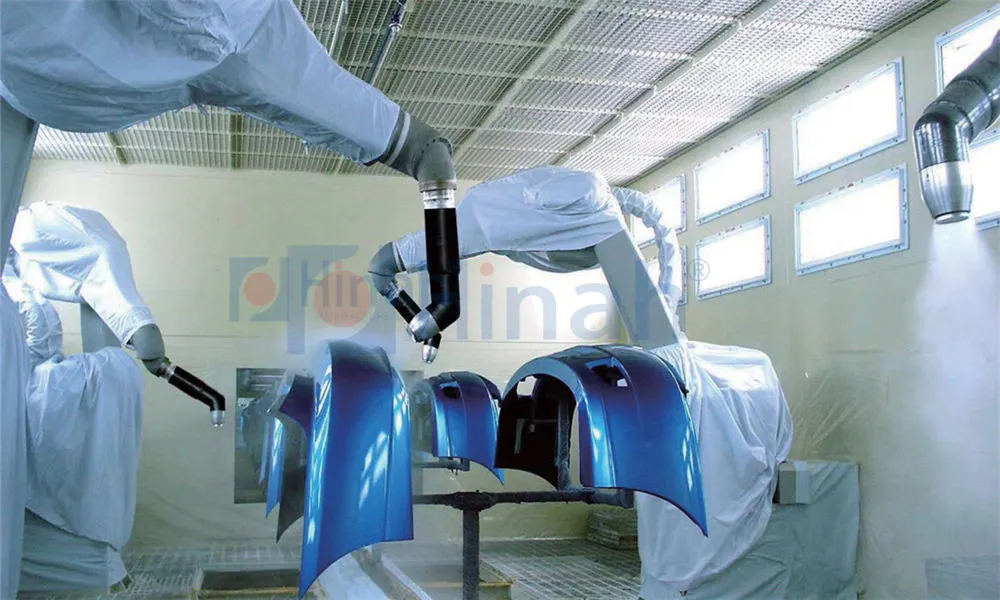
For HANNA, integrating the ED coating process as a primer, followed by a tailored powder topcoat, creates a synergistic "dual-coat" system. This combination delivers unparalleled longevity, UV resistance, and aesthetic flexibility, meeting the strictest specifications from global OEMs.
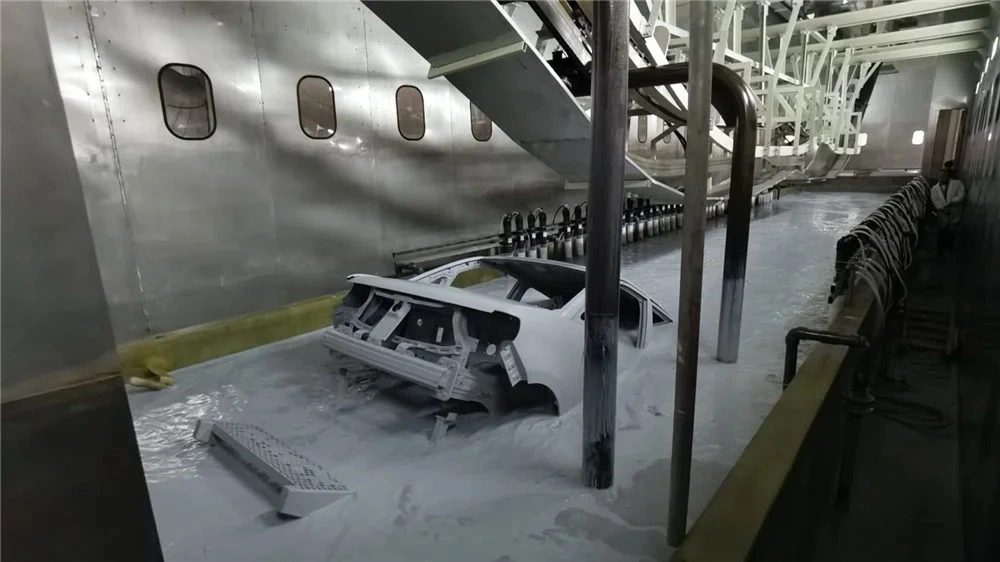
While the automotive industry is a primary user for chassis and body components, the ED coating process is vital elsewhere. It protects architectural aluminum extrusions, heavy-duty truck frames, appliance housings, and industrial machinery. Anywhere long-term durability in harsh conditions is required, ED coating is a leading choice.
In conclusion, the ED coating process represents a sophisticated, scientifically-driven approach to industrial finishing. It is far more than just dipping parts in paint; it is a controlled electrochemical system designed for maximum performance, efficiency, and reliability. For manufacturers seeking a proven, high-performance finish, partnering with an expert like HANNA, with its deep knowledge of the entire ED coating process chain, is a strategic decision for product quality and longevity.
Q1: What is the main difference between ED coating and powder coating?
A1: The ED coating process is an immersion and electrodeposition method primarily used as a primer for exceptional corrosion protection and coverage in recessed areas. Powder coating is typically a dry spray application used as a topcoat for its color, texture, and UV resistance. They are often used together in a complementary two-coat system.
Q2: What types of metals can be treated with the ED coating process?
A2: The ED coating process is most commonly and effectively applied to conductive metals like cold-rolled steel, galvanized steel, and aluminum. Pretreatment chemistry is adjusted based on the substrate to ensure optimal adhesion and performance.
Q3: How durable is a finish applied via the ED coating process?
A3: Extremely durable. When properly cured, an ED coat provides a hard, chemically resistant foundation. As a primer under a powder coat, systems qualified by companies like HANNA routinely achieve over 1,000 hours of salt spray resistance without red rust, ensuring long-term protection.
Q4: Is any special pretreatment needed before the ED coating process?
A4: Yes, pretreatment is critical. It typically involves a multi-stage sequence including cleaning, rinsing, and a conversion coating (e.g., zinc or iron phosphate, zirconium). This prepares the metal surface for maximum adhesion and corrosion resistance of the ED layer.
Q5: Is the ED coating process cost-effective for high-volume production?
A5: Absolutely. While the initial setup cost for an ED coating line is significant, its operational efficiency for high-volume runs is excellent. Its near 100% material utilization (due to drag-out recovery), automation capability, and reduced labor compared to manual spray methods make it highly cost-effective over the long term.