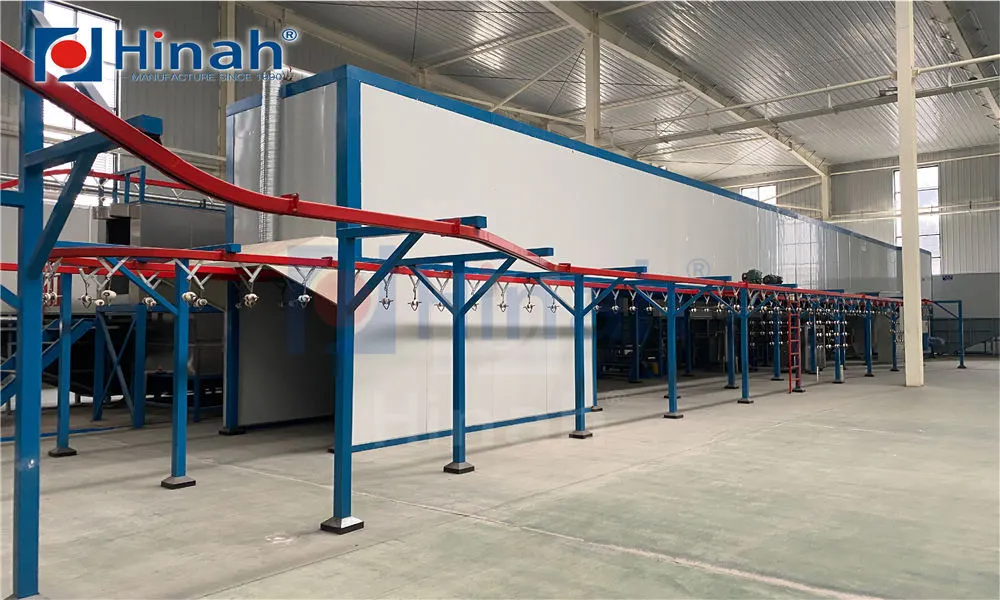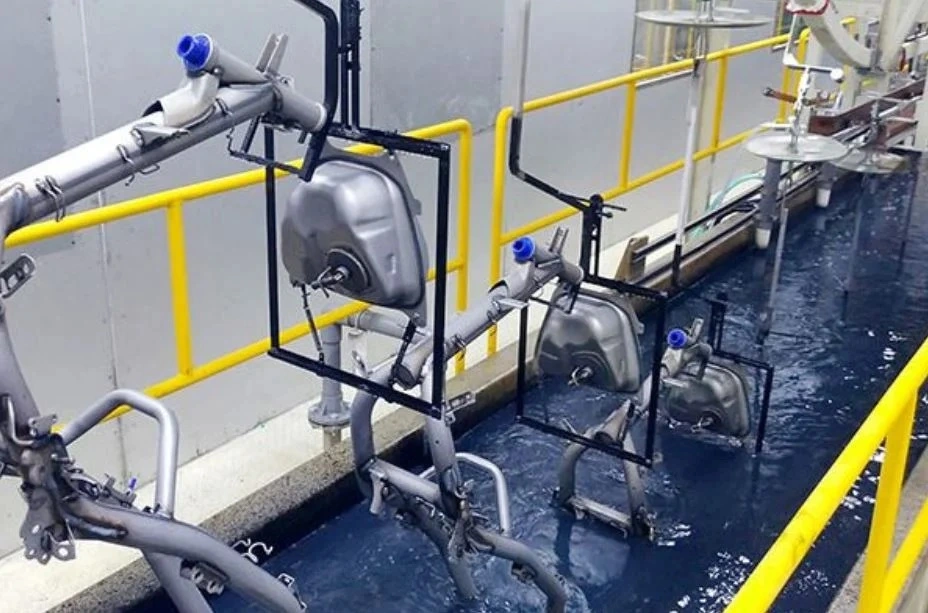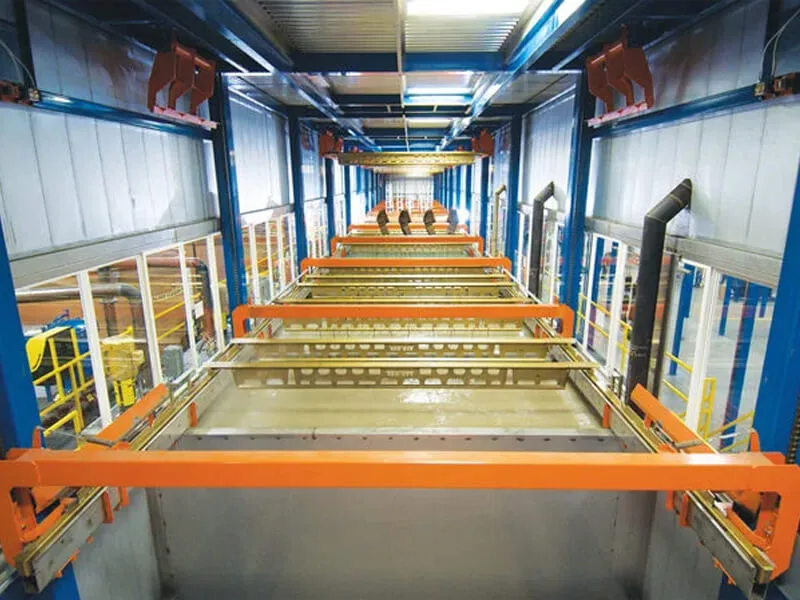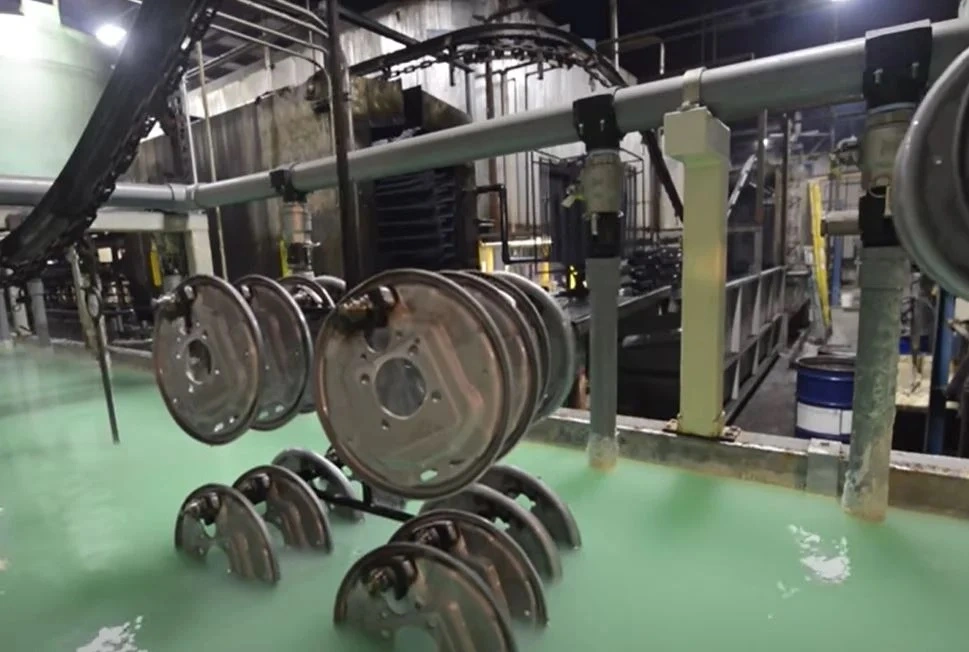
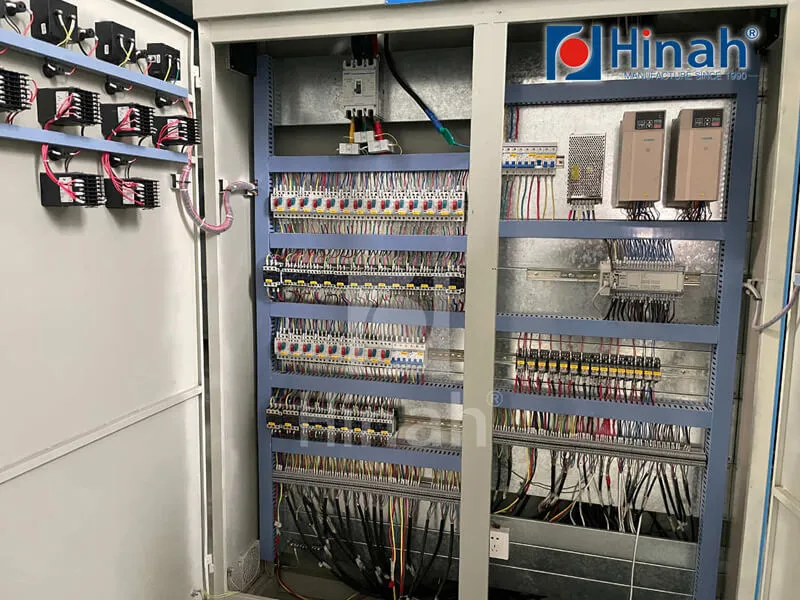

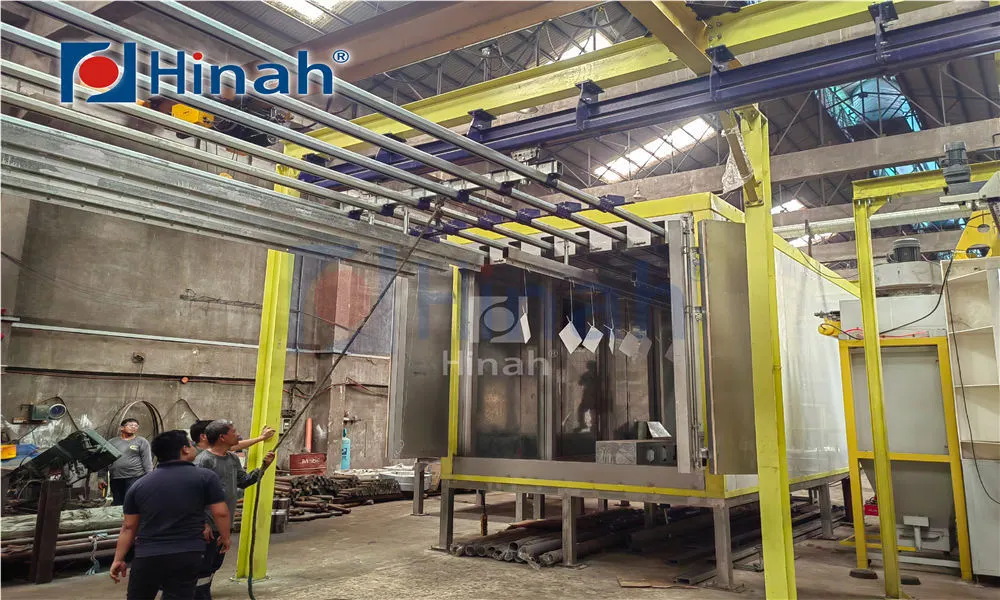
In industrial coating processes, a powder paint oven plays a critical role in ensuring durable, high-quality finishes. This equipment cures powder coatings through heat, transforming them into a smooth, resilient layer. Industries rely on these ovens for consistency and efficiency. This article covers everything from oven types to best practices, helping you make informed decisions. We'll also highlight solutions from HANNA, a leader in coating technology.
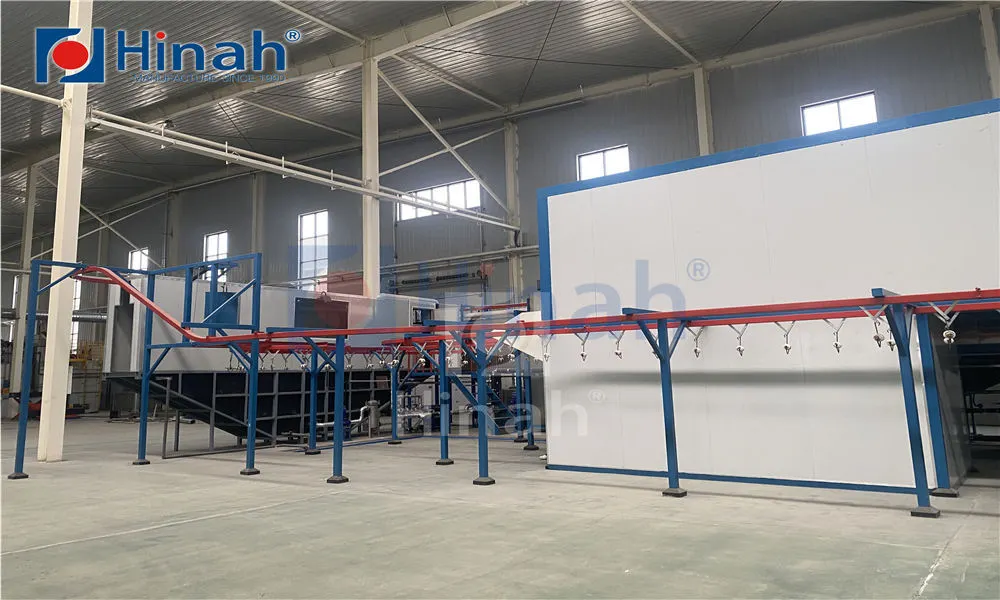
A powder paint oven is a heating device used to cure powder-coated surfaces. It applies controlled heat to melt and fuse the powder, creating a hard finish. This process is essential in manufacturing for products like automotive parts, appliances, and furniture.
The oven operates by raising the temperature to a specific range, typically between 300°F and 400°F. The heat triggers a chemical reaction in the powder, known as curing. This results in a uniform coating that resists corrosion and wear.
Key steps include:
Loading coated items into the oven.
Heating to the cure temperature for a set time.
Cooling down to solidify the finish.
Using a reliable powder paint oven ensures optimal adhesion and durability, reducing rework.
Different industries use various oven designs based on their needs. The right type affects efficiency and finish quality.
Convection ovens use heated air circulated by fans to cure coatings. They offer even heat distribution, suitable for complex shapes. These ovens are common in batch processing.
Benefits include:
Consistent temperature control.
Good for large or irregular parts.
Lower initial cost compared to other types.
Infrared ovens use radiation to directly heat the coating and substrate. They cure quickly, saving energy and time. This type is ideal for continuous production lines.
Advantages involve:
Fast curing cycles.
Reduced energy consumption.
Precise heat targeting.
For high-speed operations, an infrared powder paint oven can boost throughput.
Combination ovens integrate convection and infrared methods. They provide flexibility, balancing speed and uniformity. These are used in diverse applications, from metal fabrication to electronics.
Features include:
Adaptable curing processes.
Improved efficiency for mixed product lines.
Enhanced finish quality.
Investing in a powder paint oven brings multiple advantages to industrial coating. It supports sustainable and cost-effective production.
Key benefits are:
Durable Finishes: Cured coatings resist scratches, chemicals, and weathering.
Environmental Friendliness: Powder coatings contain no solvents, reducing VOC emissions.
Operational Efficiency: Ovens automate curing, cutting labor costs and time.
Waste Reduction: Overspray powder can be recycled, minimizing material loss.
Versatility: Suitable for various materials, including metal, wood, and plastic.
A well-designed powder paint oven from HANNA enhances these benefits, offering reliable performance.
Choosing an oven requires evaluating factors like production volume, part size, and energy use. This ensures compatibility with your coating line.
High-volume lines may need continuous ovens, while batch ovens suit smaller runs. Assess your daily output to determine capacity.
Points to note:
Throughput rates and cycle times.
Integration with existing systems.
Scalability for future growth.
Energy-efficient ovens lower operating costs. Look for features like insulation, heat recovery, and precise controls.
Options include:
Electric or gas heating systems.
Automated temperature monitoring.
Compliance with green standards.
An efficient powder paint oven reduces environmental impact and expenses.
Oven size must fit your facility layout. Consider floor space, ceiling height, and ventilation requirements.
Installation tips:
Plan for safe access and maintenance.
Ensure proper electrical or gas connections.
Consult with suppliers like HANNA for customized solutions.
Powder paint ovens are used across many sectors. They provide finishes that meet industry standards for durability and aesthetics.
Ovens cure coatings on car parts, such as frames, wheels, and trim. This ensures corrosion resistance and appearance.
Common uses:
Protective coatings for underbody components.
Decorative finishes for interior parts.
High-temperature curing for engine parts.
Home appliances like refrigerators and washing machines use powder coatings for a sleek, durable surface. Ovens ensure even curing for large panels.
Benefits include:
Scratch-resistant finishes.
Easy cleaning surfaces.
Compliance with safety regulations.
A reliable powder paint oven is key to producing quality appliances.
Metal products, from furniture to industrial equipment, rely on powder coating for protection. Ovens handle various shapes and sizes.
Applications involve:
Architectural structures like railings.
Agricultural machinery parts.
Consumer goods like bikes and tools.
Proper operation and maintenance extend oven life and ensure consistent results. Follow guidelines from manufacturers like HANNA.
Clean oven interiors to prevent powder buildup, which can affect heat distribution. Inspect components like heaters and fans monthly.
Maintenance steps:
Remove debris from filters and vents.
Check for wear on seals and insulation.
Calibrate temperature sensors periodically.
Ovens operate at high temperatures, so safety is crucial. Implement protocols to protect workers and equipment.
Safety measures include:
Using heat-resistant PPE for operators.
Installing emergency shut-off switches.
Ensuring adequate ventilation to remove fumes.
A well-maintained powder paint oven reduces risks and downtime.
Adjust temperature and time based on the powder type and part thickness. This prevents under- or over-curing.
Optimization tips:
Refer to powder manufacturer specifications.
Conduct test runs for new materials.
Monitor oven performance with data loggers.
A powder paint oven is essential for achieving high-quality, durable finishes in industrial coating. From convection to infrared types, each offers unique benefits for different applications. Selecting the right oven involves considering production needs, energy efficiency, and space. Brands like HANNA provide reliable solutions that enhance process efficiency. By following best practices in operation and maintenance, you can maximize the value of your powder paint oven. Invest in quality equipment to stay competitive in the global coating industry.
Q1: What is the main function of a powder paint oven?
A1: The main function of a powder paint oven is to cure powder coatings by applying controlled heat. This process melts and fuses the powder into a smooth, hard layer that adheres to the substrate, providing protection and aesthetics.
Q2: How does a powder paint oven differ from a traditional painting oven?
A2: A powder paint oven is specifically designed for curing powder coatings, which are dry and solvent-free. Traditional painting ovens often handle liquid paints that require solvent evaporation. Powder ovens typically operate at lower temperatures and offer better environmental benefits due to reduced emissions.
Q3: What factors should I consider when choosing a powder paint oven?
A3: Consider production volume, part size and shape, energy efficiency, available space, and budget. Also, evaluate oven types (convection, infrared, or combination) and consult suppliers like HANNA for tailored advice.
Q4: Can a powder paint oven be used for all materials?
A4: Powder paint ovens are primarily used for metals, but they can also cure coatings on certain plastics, wood, and composites. However, material compatibility depends on the powder formulation and heat tolerance. Always check manufacturer guidelines to avoid damage.
Q5: How often should I maintain my powder paint oven?
A5: Perform basic maintenance weekly, such as cleaning filters and inspecting for debris. Conduct a thorough inspection monthly, including checking heaters, fans, and controls. Annual professional servicing is recommended to ensure long-term performance and safety of your powder paint oven.