
In the competitive world of manufacturing, achieving a flawless, durable, and high-quality finish is non-negotiable. At the heart of this finishing process lies a critical piece of equipment: the powder paint oven. More than just a heating chamber, a properly optimized powder paint oven is the cornerstone of efficiency, consistency, and overall product value. This article delves into seven key strategies to ensure your curing process, and specifically your powder paint oven, operates at its absolute best, driving productivity and reducing operational costs.
Whether you are investing in a new system or seeking to enhance an existing one, understanding these factors can significantly impact your bottom line. From energy consumption to cure consistency, every detail matters. Partnering with a knowledgeable provider like HANNA, a leader in industrial heating solutions, can provide the technological edge needed in today’s market.
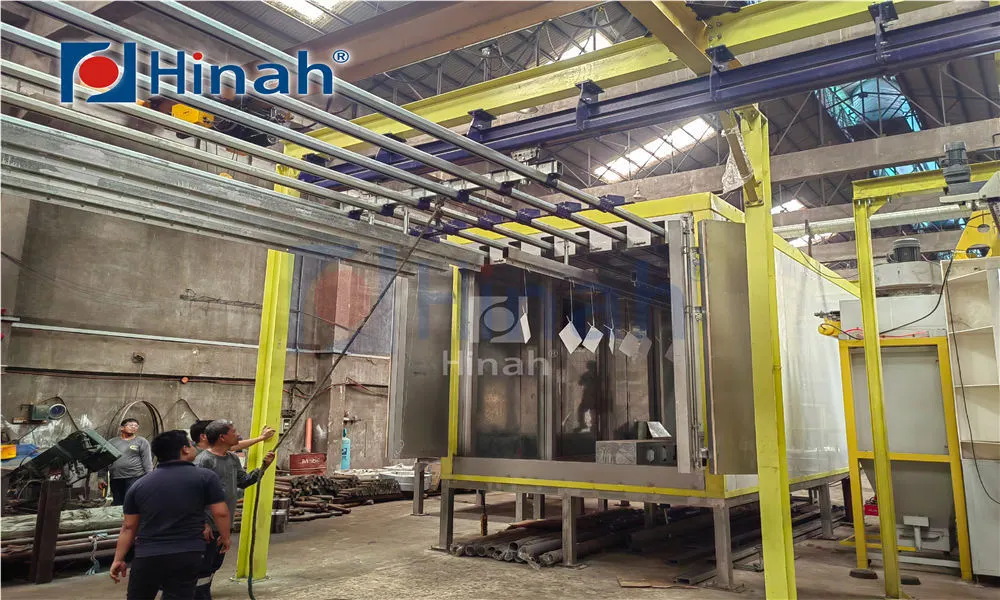
The primary role of a powder paint oven is to provide uniform, controlled heat to cure the powder coating. Thermal efficiency directly affects operating costs and cure quality.
A well-insulated oven retains heat effectively, requiring less energy to maintain temperature. Modern ovens use advanced insulation materials to minimize heat loss.
Proper airflow design is equally crucial. Efficient air circulation, often achieved with strategically placed fans and baffles, eliminates hot and cold spots. This ensures every part reaches the required cure temperature.
Investing in an oven with high-efficiency burners or heating elements can lead to substantial fuel or electricity savings. Regular calibration of temperature sensors also maintains accuracy.
Inconsistent curing is a primary source of finish defects like under-curing or over-curing. A high-performance powder paint oven must deliver uniform heat distribution.
This begins with a validated oven profiling study. Using data loggers, technicians map the temperature at various points inside the oven during a typical run.
The data reveals if certain areas are outside the powder manufacturer’s specified cure window. Corrective actions may include adjusting airflow, modifying conveyor speed, or adding recirculation fans.
For complex parts with varying mass, zoning the oven can be beneficial. Different zones can be set to specific temperatures to ensure all sections of a part cure properly simultaneously.
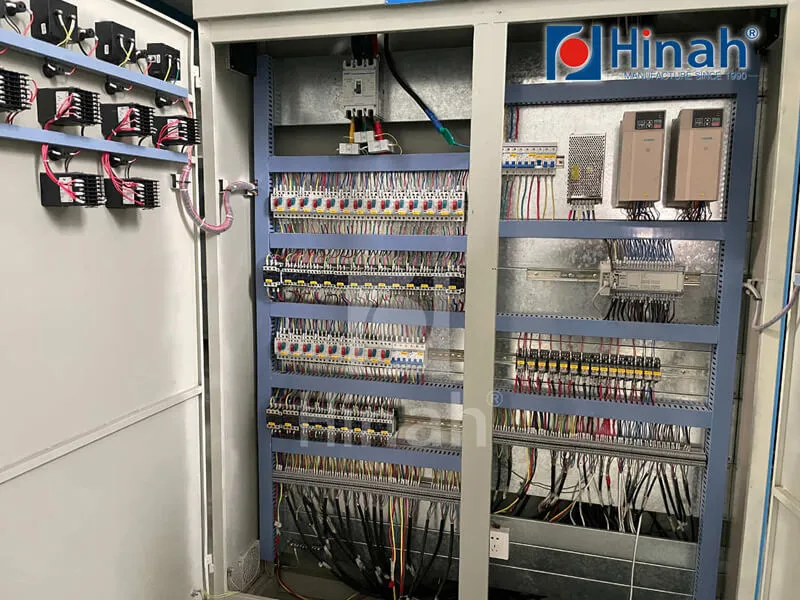
The "brain" of a modern powder paint oven is its control system. Analog controls are giving way to sophisticated digital PLC (Programmable Logic Controller) based systems.
These systems offer precise temperature control, often within ±1°C. They allow for the creation and storage of multiple curing recipes for different products.
Integration with plant-wide SCADA systems enables remote monitoring and data logging. This ensures process repeatability and simplifies troubleshooting.
Features like automatic combustion control for gas ovens optimize the air-to-fuel ratio, enhancing safety and efficiency. HANNA’s control solutions are designed for intuitive operation and robust reliability.
Industrial ovens are high-temperature equipment requiring stringent safety measures. A safe powder paint oven protects both personnel and facilities.
Essential safety features include over-temperature limits, emergency stop buttons, proper ventilation for fumes, and flammable vapor monitoring if applicable.
Regular maintenance of safety interlocks on doors and combustion systems is mandatory. Compliance with local and international standards (like NFPA, OSHA, CE) is not optional.
A comprehensive safety audit should be part of any oven optimization or procurement plan. HANNA engineers all systems with layered safety protocols as a foundational principle.
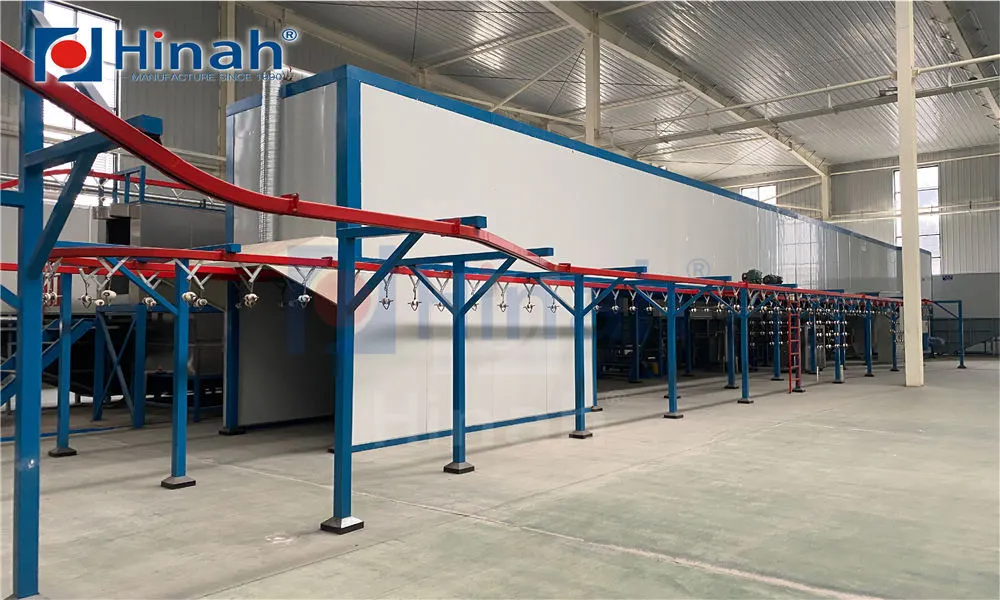
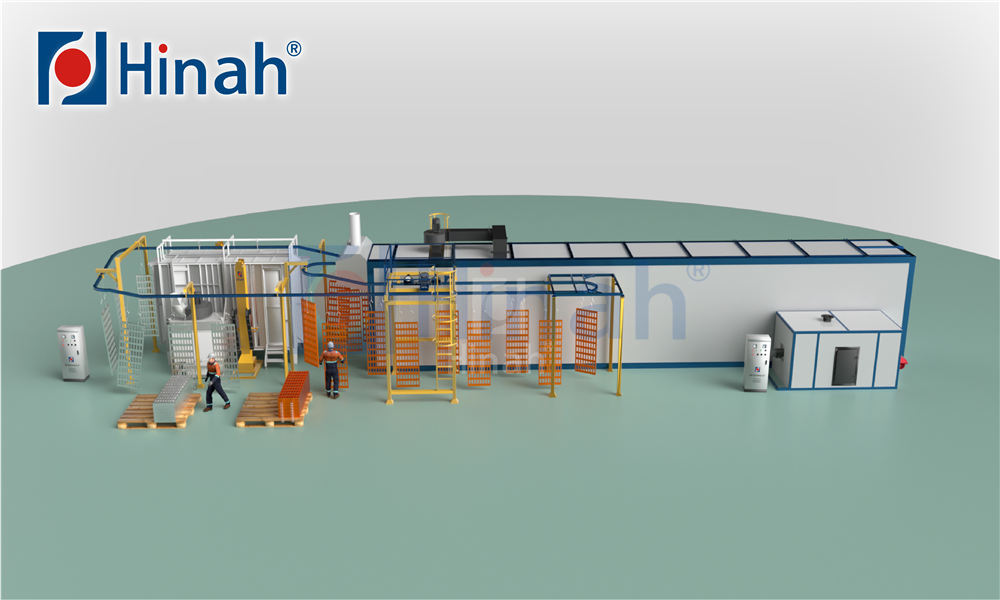
The physical design of the powder paint oven must complement your production workflow. The loading style—batch or conveyorized—defines the oven type.
Batch ovens are ideal for low-volume, high-mix production. They require efficient racking and loading strategies to maximize each cure cycle's capacity.
Conveyorized ovens, like those in a monorail or belt system, suit high-volume lines. The key is matching conveyor speed to the oven’s length and temperature to achieve the required dwell time.
Consider future capacity needs during design. A modular oven design can allow for easier expansion. The goal is to minimize handling and bottlenecks around the curing stage.
Downtime is expensive. A proactive maintenance plan for your powder paint oven is the best defense against unexpected failures.
Daily and weekly checks should include inspecting seals on doors, listening for unusual fan noises, and verifying control panel readings.
Monthly and quarterly tasks involve cleaning filters, checking and calibrating thermocouples, inspecting electrical connections, and lubricating moving parts.
An annual comprehensive inspection by a qualified technician, such as from HANNA’s service team, should review burner assemblies, refractory, and control system integrity.
The technology behind powder paint oven systems continues to evolve. Staying informed can offer competitive advantages.
Infrared (IR) curing, sometimes used in hybrid systems, offers rapid heat-up for certain applications, reducing footprint and energy use.
Heat recovery systems capture waste heat from the oven exhaust to preheat incoming air, dramatically improving overall energy efficiency.
Smart diagnostics and IoT connectivity are becoming standard. These systems can predict maintenance needs and optimize cycles in real-time based on part load.
Optimizing your powder paint oven is a continuous process that balances performance, quality, safety, and cost. By focusing on thermal efficiency, cure uniformity, precise controls, and diligent maintenance, manufacturers can achieve superior finishes reliably. In an industry where the finish is the first thing a customer sees, investing in your curing process is investing in your product's perceived and actual quality. Partnering with an experienced supplier like HANNA ensures access to cutting-edge technology and expert support, making your powder paint oven a true asset on the production floor.
Q1: What is the most common cause of uneven curing in a powder paint oven?
A1: The most common cause is inadequate or unbalanced airflow within the curing chamber. This creates hot and cold spots, leading to parts being under-cured in some areas and over-cured in others. A professional oven profiling study is the best way to diagnose and correct this issue.
Q2: How can I reduce the high energy consumption of my existing powder paint oven?
A2: Several steps can help. First, ensure all door seals and insulation are in perfect condition to prevent heat loss. Second, consider installing a heat recovery system to capture exhaust heat. Third, review your cure cycle times and temperatures with your powder supplier—sometimes recipes can be optimized. Finally, upgrading to high-efficiency burners or heating elements can offer significant savings.
Q3: What safety features are absolutely essential for a powder coating curing oven?
A3: Essential safety features include: independent over-temperature protection (a high-limit switch), properly functioning ventilation and exhaust systems, emergency stop buttons at all access points, safety interlocks that shut down heat if a door opens, and, for gas ovens, certified combustion safety controls. Regular testing of these features is crucial.
Q4: How often should I perform maintenance on my industrial powder paint oven?
A4: Maintenance frequency depends on usage, but a general schedule includes: daily visual checks, weekly inspection of fans and filters, monthly calibration checks on temperature sensors, and a comprehensive annual service performed by qualified technicians, like those from HANNA, to inspect internal components, electrical systems, and combustion units.
Q5: My production needs are changing. Can I upgrade my current oven, or do I need a new one?
A5: Many times, upgrades are possible and cost-effective. Common upgrades include adding more heating zones for better control, improving insulation, updating the control system to a digital PLC, or extending the oven length to increase dwell time. A consultation with an expert from HANNA can determine the best path forward based on your specific oven and new requirements.