
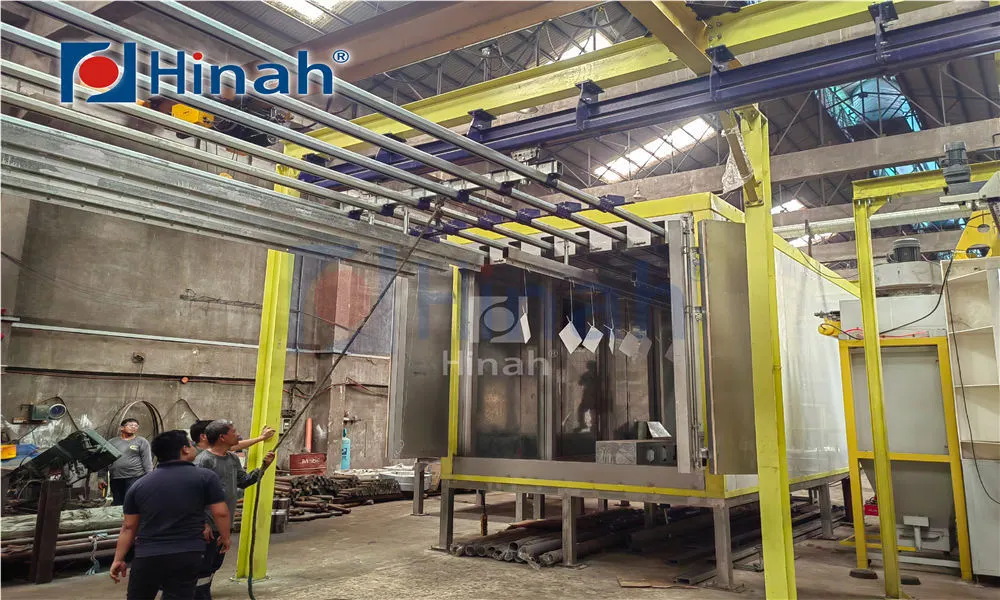
In modern manufacturing, automation has transformed surface finishing processes. Powder coating robots are at the forefront of this change. They provide precise, consistent, and efficient application of powder coatings. This article delves into their technology, benefits, and applications.
These robots help industries meet high production demands. They reduce waste and improve workplace safety. As a result, many companies are adopting powder coating robots to stay competitive.
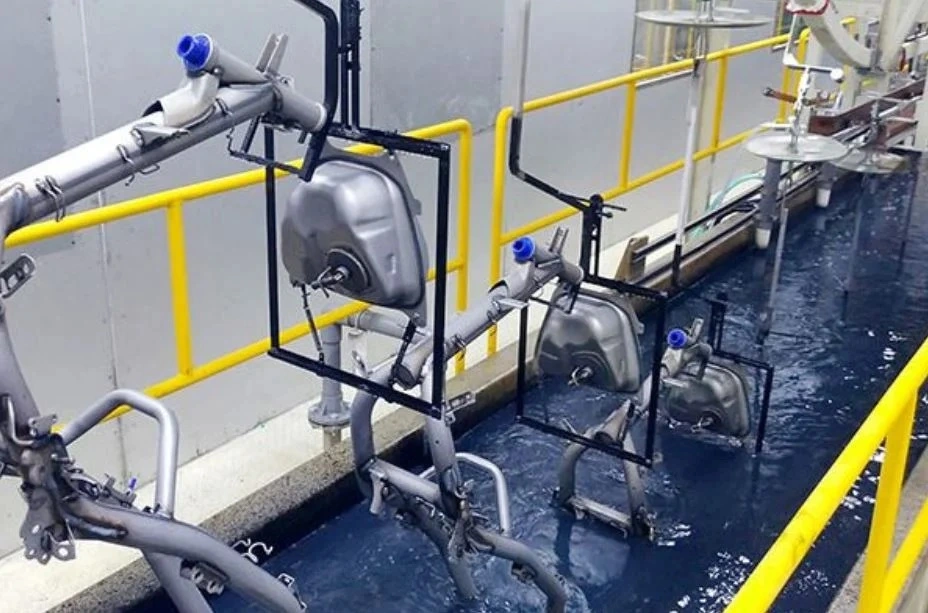
Powder coating robots are automated systems designed for applying powder coatings. They consist of robotic arms equipped with spraying tools. These robots are programmed to follow specific paths for coating parts.
They are used in various industries for surface finishing. Their main goal is to automate the coating process. This ensures uniformity and reduces human error.
A typical powder coating robot system includes several parts:
Robotic Arm: This is the core component that moves the spray gun. It offers multiple axes of motion for flexibility.
Spray Gun: It applies the powder coating electrostatically. The gun is designed for even distribution.
Control System: A computer or PLC programs the robot's movements. It allows for precise control over coating parameters.
Powder Delivery System: This includes hoppers and pumps. It supplies powder to the spray gun consistently.
Safety Features: Sensors and enclosures protect operators. They ensure safe operation in industrial environments.
Implementing powder coating robots offers significant advantages. These benefits drive their adoption across sectors.
Robots can operate continuously without breaks. This speeds up production cycles. They handle high volumes of parts efficiently.
For example, a powder coating robot can coat multiple parts simultaneously. This reduces downtime and increases output.
Consistency is key in powder coating. Robots apply coatings evenly on complex shapes. This minimizes defects like orange peel or thin spots.
With precise programming, powder coating robots ensure uniform thickness. This leads to better corrosion resistance and aesthetics.
Automation reduces labor costs. It also lowers material waste by optimizing powder usage. Over time, this results in significant savings.
Robots require less rework and cleanup. This cuts operational expenses in coating lines.
Powder coating involves hazardous materials. Robots reduce human exposure to powders and fumes. This improves workplace safety standards.
Automated systems also minimize risks of accidents. Operators can monitor from a safe distance.
Powder coating robots are versatile. They are used in many industries for diverse applications.
In automotive manufacturing, robots coat car parts like frames and wheels. They ensure durable finishes that withstand environmental conditions.
The precision of powder coating robots is crucial for complex components. This includes engine parts and exterior trims.
Aerospace components require high-performance coatings. Robots apply specialized powders for corrosion and heat resistance.
They handle large parts like aircraft fuselages. Consistency is vital for safety and compliance.
Household items like refrigerators and chairs use powder coatings. Robots provide smooth, attractive finishes in mass production.
They adapt to various shapes and sizes. This flexibility supports custom designs.
Machinery and tools need protective coatings. Powder coating robots apply coatings that resist wear and tear.
This extends the lifespan of equipment. It also reduces maintenance costs.
Selecting a powder coating robot depends on several factors. Consider these aspects for optimal results.
Production Volume: High-volume lines need robust robots with fast cycle times. Low-volume setups may prioritize flexibility.
Part Complexity: Complex geometries require multi-axis robots. Simpler parts can use basic systems.
Coating Material: Different powders may need specific spray guns. Ensure compatibility with your materials.
Integration: The robot should integrate with existing conveyor systems. This avoids disruptions in production.
Budget: Balance upfront costs with long-term savings. Consider maintenance and training expenses.
Consulting with experts can help. Companies like HANNA offer guidance on selecting powder coating robots.
HANNA is a leading provider of automation solutions for surface finishing. They specialize in designing and installing powder coating robots.
HANNA's systems are known for reliability and innovation. They offer customized robots for various industries. Their expertise ensures seamless integration into coating lines.
Key offerings from HANNA include:
Turnkey Solutions: Complete systems from design to implementation.
Technical Support: Ongoing maintenance and training for operators.
Advanced Technology: Robots with smart features for optimized coating.
Global Reach: Services available for international clients.
By partnering with HANNA, companies can enhance their coating processes. Their powder coating robots drive efficiency and quality.
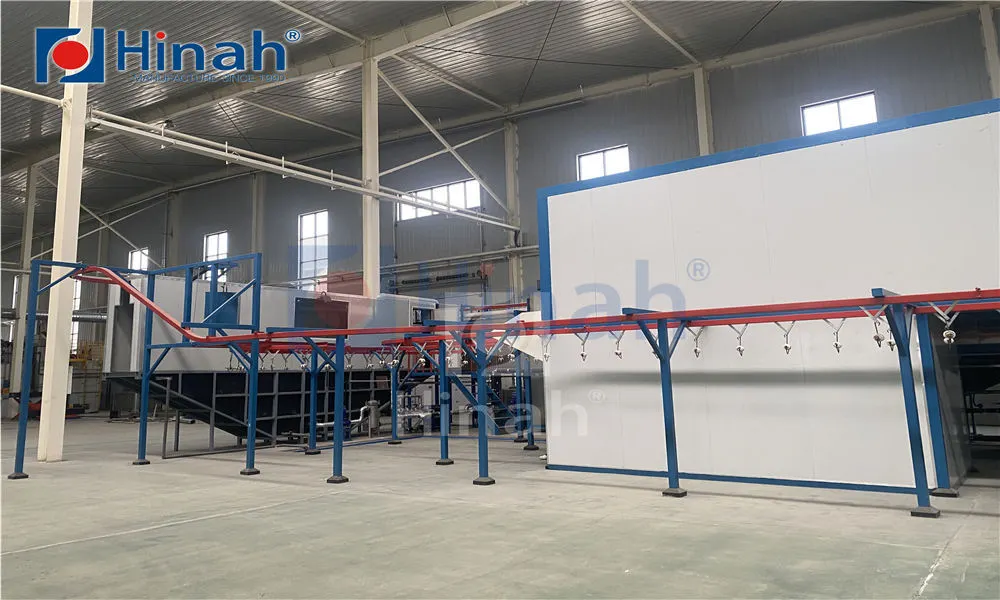
The technology behind powder coating robots is evolving. Emerging trends will shape their future use.
Internet of Things (IoT): Robots will connect to networks for real-time monitoring. This allows predictive maintenance and data analytics.
Artificial Intelligence: AI can optimize coating paths and parameters. It adapts to varying part conditions for better results.
Sustainability: Robots will focus on reducing environmental impact. This includes recycling powders and using eco-friendly materials.
Collaborative Robots: Cobots will work alongside humans safely. They offer flexibility in small-batch production.
These advancements will make powder coating robots more accessible. They will continue to transform industrial finishing.
Powder coating robots are essential for modern manufacturing. They improve efficiency, quality, and safety in coating applications.
As industries adopt automation, these robots will become standard. Brands like HANNA play a key role in providing advanced solutions. Investing in powder coating robots is a step toward competitive advantage.
Explore how powder coating robots can benefit your operations. They offer a reliable path to optimized surface finishing.
Q1: What are the main advantages of using powder coating robots?
A1: The main advantages include increased productivity, improved coating quality, cost savings through reduced waste, and enhanced safety by minimizing human exposure to hazards.
Q2: How do powder coating robots improve coating consistency?
A2: They are programmed for precise movements, ensuring even application of powder on parts. This reduces variations and defects, leading to uniform thickness and better performance.
Q3: Can powder coating robots handle complex part geometries?
A3: Yes, with multi-axis robotic arms, they can coat intricate shapes and hard-to-reach areas effectively. Advanced programming allows adaptation to diverse designs.
Q4: What industries benefit most from powder coating robots?
A4: Industries such as automotive, aerospace, furniture, appliances, and industrial equipment benefit significantly due to their need for durable, high-quality finishes.
Q5: How does HANNA support the implementation of powder coating robots?
A5: HANNA offers turnkey solutions, including design, installation, and technical support. They provide customized robots and training to ensure seamless integration into existing lines.