
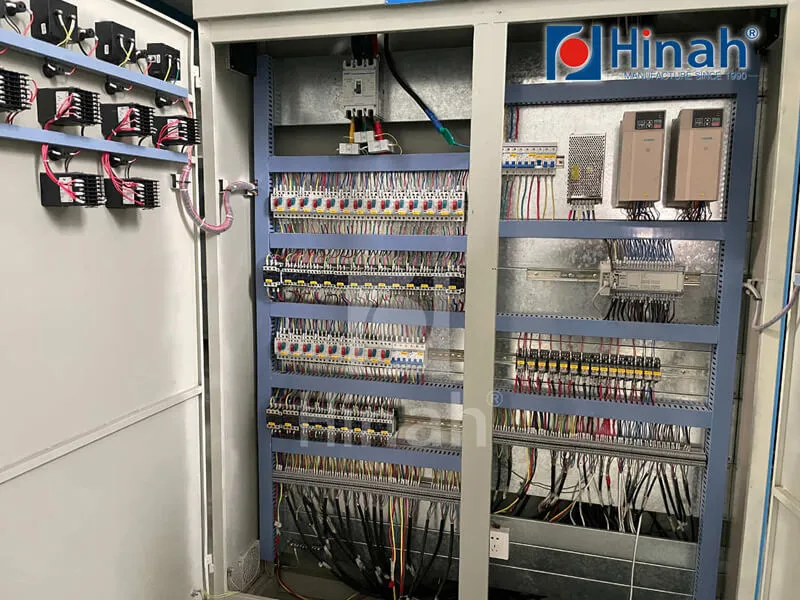
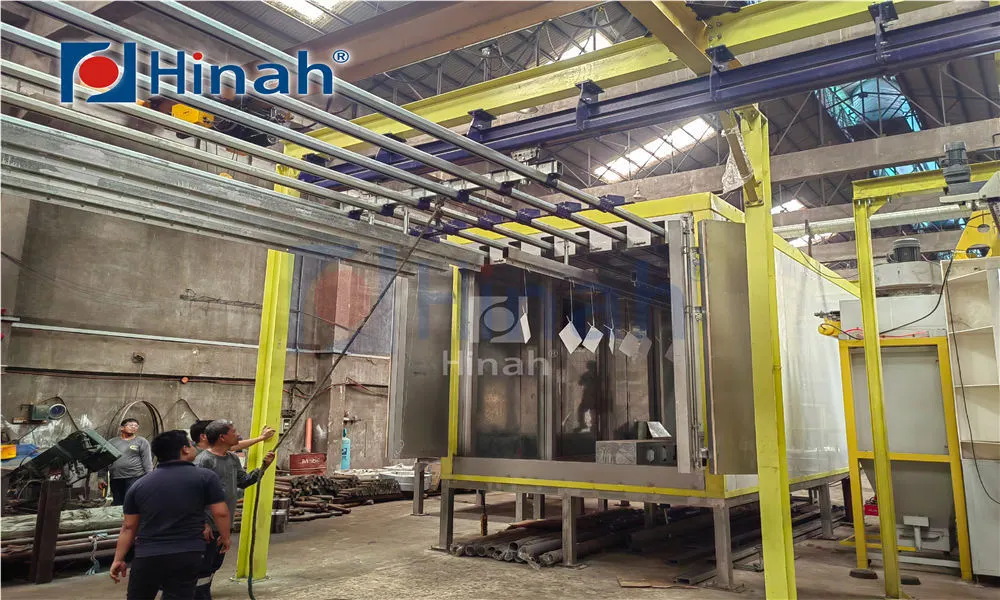
A reliable powder coating oven is the core of any high-quality finishing line. It transforms the applied powder into a durable, smooth, and attractive coating. This article explains everything about powder coating curing ovens.
We will explore how they work, the different types available, and key factors for selection. Whether for automotive parts, furniture, or industrial equipment, the right oven is crucial for performance and efficiency.
Choosing the correct powder coating oven impacts finish quality, production speed, and operational costs. Partnering with an expert like HANNA ensures you get a system tailored to your specific requirements.
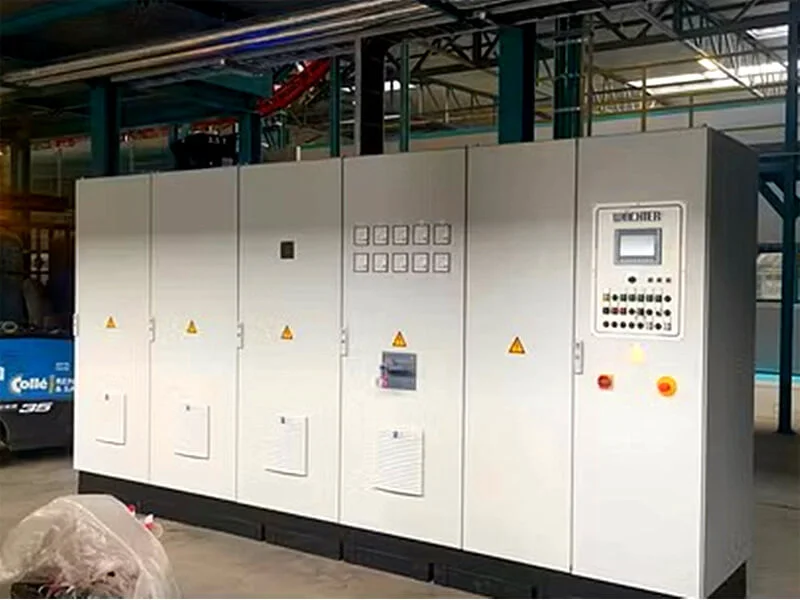
How a Powder Coating Oven Works
The curing process is a controlled chemical reaction. It is not simply about drying; it's about cross-linking.
The Science of Curing
Inside the powder coating oven, heat causes the powder particles to melt, flow, and then chemically cross-link. This creates a continuous film.
Melting: Powder particles melt into a liquid film.
Flowing: The liquid film levels out for a smooth finish.
Gelation: The resin begins to thicken and set.
Cross-Linking: Chemical bonds form, creating a hard, durable coating.
Key Process Parameters
Successful curing depends on two main factors: temperature and time. Each powder formulation has a specific requirement.
Metal Temperature: The actual part temperature is critical, not just air temperature.
Cure Time: The duration the part must maintain the target temperature.
Even Heat Distribution: Consistent airflow prevents under-cured or over-cured spots.
Main Types of Powder Coating Ovens
Different production needs call for different oven designs. The main categories are batch ovens and conveyorized ovens.
Batch (or Walk-In) Ovens
Batch ovens are ideal for low-volume production, large or varied parts, and job shops. Parts are loaded, cured, and unloaded in cycles.
Advantages: Lower initial cost, flexibility for part size and shape.
Disadvantages: Lower throughput, higher labor per part.
Best For: Custom coaters, prototyping, maintenance departments.
Conveyorized Continuous Ovens
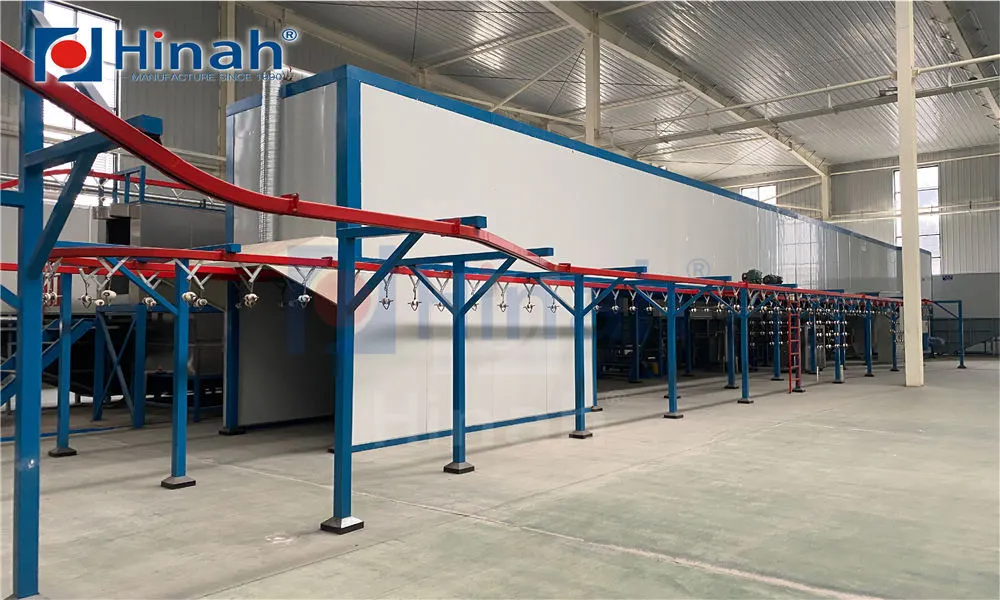
These ovens are integrated into an automated finishing line. Parts move continuously on a conveyor through the powder coating oven.
Advantages: High-volume production, consistent results, lower labor cost.
Disadvantages: Higher capital investment, less flexible for part changes.
Best For: High-volume manufacturing like automotive, appliances, and furniture.
Infrared (IR) Curing Ovens
IR ovens use radiant energy to heat the part surface directly, not the air. They offer very fast cure times.
Advantages: Extremely fast, energy-efficient for thin metals.
Disadvantages: Can struggle with complex shapes (shadowing), higher film thickness variation.
Choosing the Right Powder Coating Oven
Selecting the best oven requires a careful analysis of your production needs and constraints.
Assessing Your Production Requirements
Start by defining your current and future needs. This prevents investing in an under- or over-sized system.
Part Size & Shape: Maximum dimensions and geometry.
Production Volume: Parts per hour or shift.
Part Material: Steel, aluminum, or heat-sensitive substrates like MDF.
Powder Type: Standard polyester, epoxy, or low-temperature cure powders.
Energy Source and Efficiency
The choice of energy source affects operating costs and environmental impact. Modern ovens focus on reducing heat loss.
Electric: Clean, precise, but often higher energy cost.
Gas (Natural or Propane): Typically lower operating cost, requires ventilation.
Efficiency Features: Look for recirculating airflow, good insulation, and heat recovery systems.
Benefits of a Well-Designed Powder Coating Oven
Investing in a high-quality curing oven from a reputable supplier like HANNA delivers significant returns.
Superior Finish Quality and Consistency
Precise temperature control ensures every part meets the specification. This reduces rejects and customer returns.
Consistent gloss and color.
Optimal mechanical properties (impact resistance, flexibility).
Excellent chemical and corrosion resistance.
Increased Productivity and Lower Costs
An efficient powder coating oven streamlines your entire operation.
Faster cure cycles increase throughput.
Reduced energy consumption per part.
Minimal rework and waste.

Maintenance and Safety for Your Oven
Regular maintenance ensures long service life, safe operation, and consistent cure results.
Routine Maintenance Checklist
A simple schedule prevents major breakdowns.
Clean air filters and ducts regularly.
Check and calibrate temperature sensors and controllers.
Inspect door seals and insulation for integrity.
Lubricate fan motors and conveyor components as needed.
Critical Safety Considerations
Safety is paramount when operating high-temperature equipment.
Ensure proper ventilation and exhaust to remove fumes.
Install and regularly test fire suppression systems.
Use proper personal protective equipment (PPE) for loading/unloading.
Follow lockout/tagout procedures for maintenance.
FAQs About Powder Coating Ovens
Q1: What is the typical temperature and time for curing powder coat?
A1: Most standard powders cure at a metal temperature between 180°C to 200°C (356°F to 392°F) for 10 to 15 minutes. Always refer to the powder manufacturer's technical data sheet for exact specifications.
Q2: Can I cure powder coat on heat-sensitive materials like wood or plastic?
A2: Yes, using specialized low-temperature cure powders (curing as low as 120°C/250°F) or Infrared (IR) ovens that minimize heat exposure to the substrate. The choice of powder coating oven is critical for these applications.
Q3: How much energy does a powder coating oven consume?
A3: Energy consumption varies greatly by oven size, insulation, and production load. Well-insulated, modern ovens with efficient burners or heating elements are significantly more economical. An energy audit from a provider like HANNA can give precise estimates.
Q4: What is the main difference between a batch oven and a conveyor oven?
A4: A batch oven cures parts in stationary loads, suitable for varied, low-to-medium volume work. A conveyor oven moves parts continuously on a belt, making it ideal for high-volume, consistent production of similar-sized parts.
Q5: How often should I perform maintenance on my curing oven?
A5: Basic checks (filters, sensors) should be weekly. A more thorough inspection of heating elements, burners, airflow, and safety systems should be conducted quarterly. Annual professional maintenance is recommended to ensure peak efficiency and safety.
Conclusion
The powder coating oven is a vital investment that determines the quality, durability, and efficiency of your finishing process. Understanding the different types, how they work, and key selection criteria is essential.
From batch ovens for flexibility to high-speed conveyor systems, the right solution depends on your specific parts, volume, and goals. Prioritizing proper maintenance and safety ensures reliable performance for years.
For expert guidance and robust oven systems designed for real-world industrial demands, consider consulting with HANNA. Their experience can help you optimize your powder coating line for superior results.