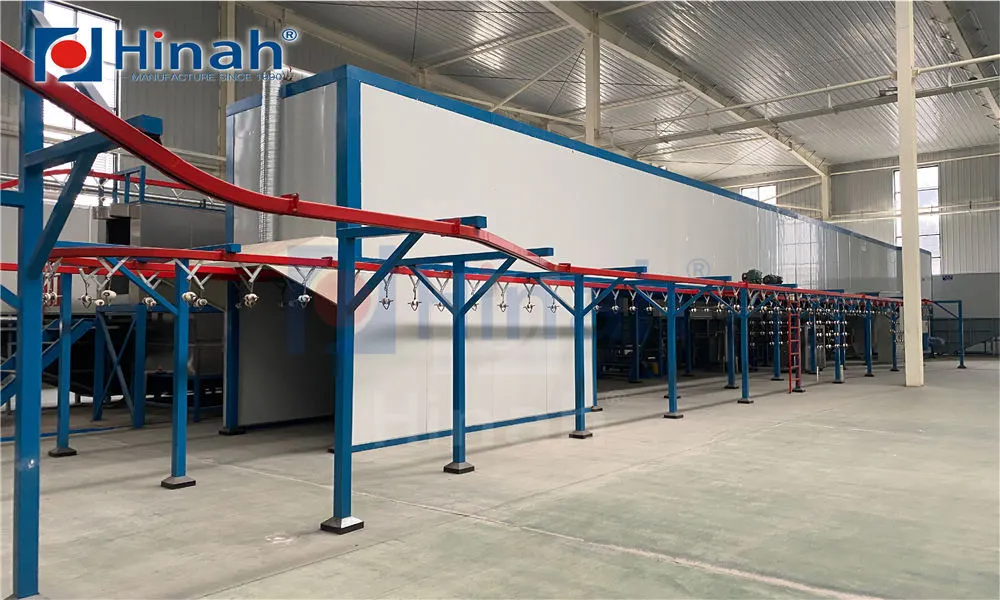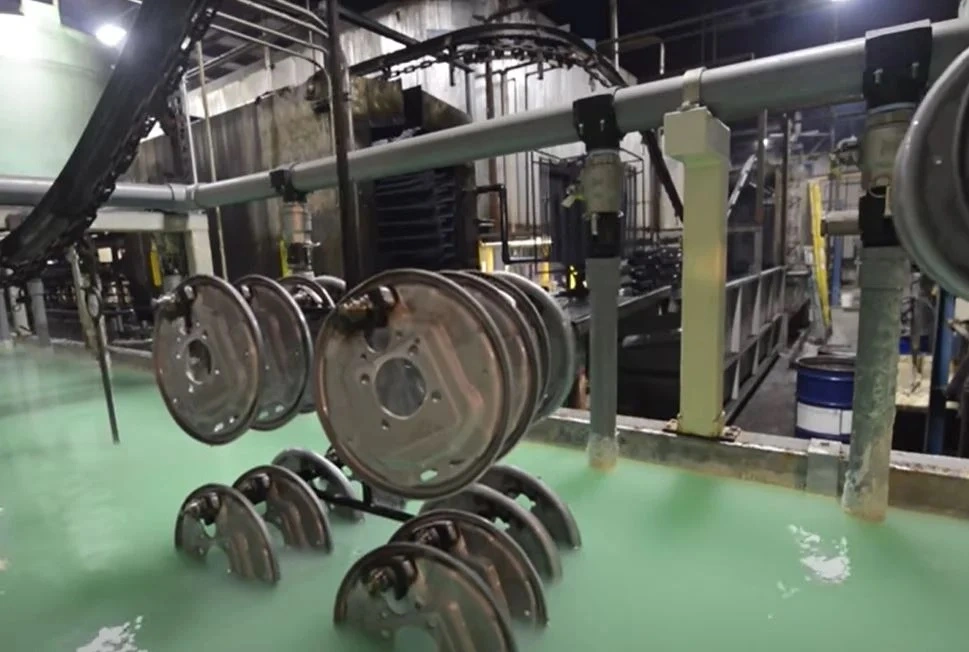

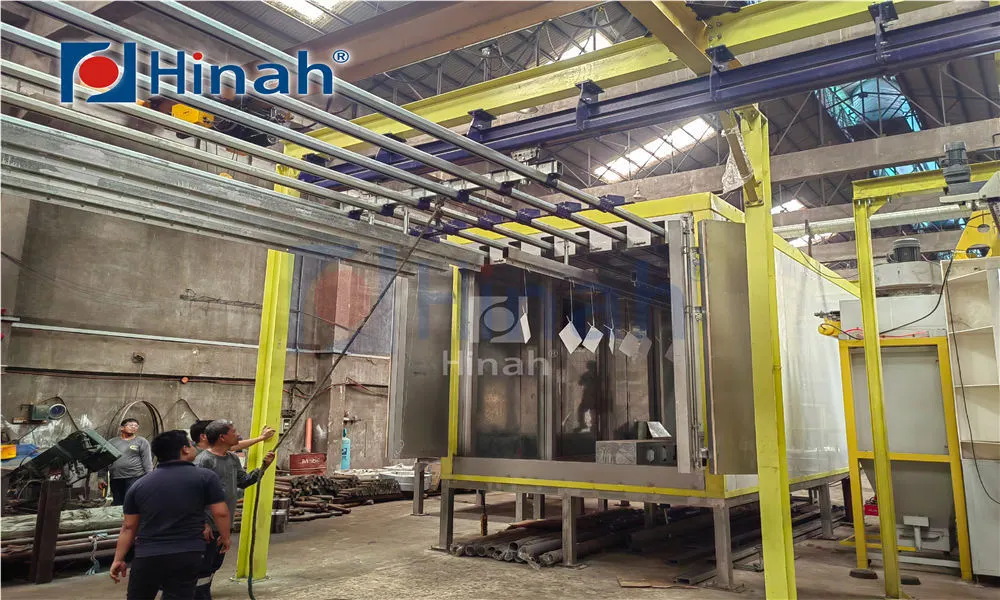
In industrial coating processes, achieving a durable and flawless finish is critical. Paint drying ovens play a vital role in this by ensuring coatings cure properly. These ovens use controlled heat to dry and harden paints, powders, and other finishes.
They are widely used in manufacturing to enhance product quality and speed up production. Without effective paint drying ovens, coatings may not adhere well, leading to defects. This article explains their functionality, types, and advantages.
Industries rely on these ovens for consistent results. From automotive parts to household items, paint drying ovens are indispensable. Understanding their operation helps in optimizing coating lines.
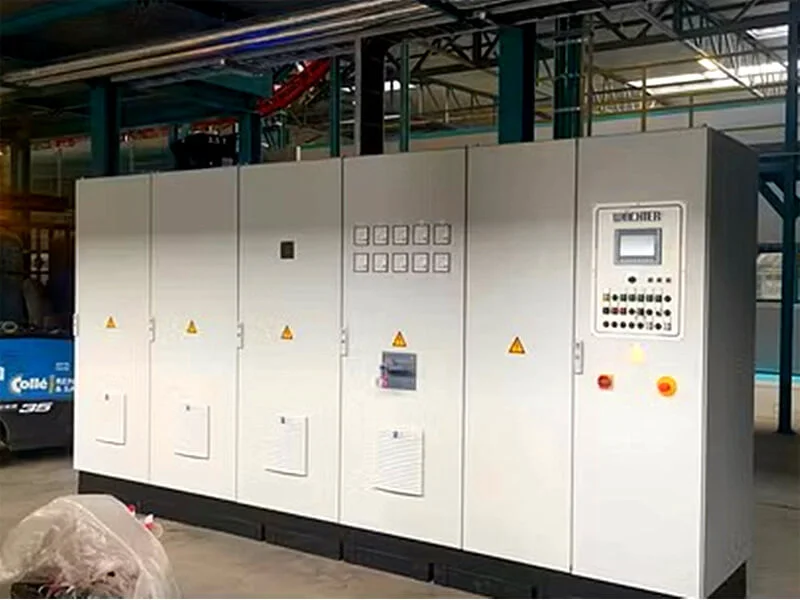
Paint drying ovens are specialized heating systems designed to cure applied coatings. They provide a controlled environment where heat triggers chemical reactions in paints. This process ensures coatings become hard, durable, and resistant.
These ovens are integral to powder coating, liquid painting, and other finishing methods. By using precise temperature and time settings, they guarantee uniformity. Modern paint drying ovens incorporate advanced features for efficiency.
The operation of paint drying ovens involves several steps. First, coated parts enter the oven chamber. Then, heat is applied through various methods like convection or radiation. This heat causes solvents to evaporate and resins to cross-link.
Key parameters include temperature, airflow, and curing time. Proper control prevents issues like blistering or under-curing. Paint drying ovens are designed to handle different materials and part sizes.
There are several types of paint drying ovens, each suited for specific applications. Choosing the right type depends on factors like production volume and coating material.
Convection ovens use heated air circulated by fans to cure coatings. They offer even heat distribution, making them ideal for complex parts. These paint drying ovens are common in general industrial use.
Advantages include versatility and consistent results. They can handle a wide range of temperatures and materials.
Infrared ovens use electromagnetic radiation to directly heat the coating surface. They provide rapid curing, reducing energy consumption. These paint drying ovens are suitable for flat or simple-shaped parts.
Benefits include fast startup times and precise heat control. However, they may not be ideal for intricate geometries.
Combination ovens integrate convection and infrared technologies. This approach balances speed and uniformity. Paint drying ovens of this type are used in high-mix production environments.
They offer flexibility for diverse coating needs. Operators can switch between modes based on part requirements.
Implementing paint drying ovens in coating processes brings multiple advantages. These benefits impact quality, efficiency, and cost-effectiveness.
Paint drying ovens ensure coatings cure evenly and completely. This leads to better adhesion, hardness, and chemical resistance. Defects like peeling or discoloration are minimized.
Consistent curing enhances product lifespan. It also meets industry standards for durability and appearance.
Ovens accelerate the drying process compared to air drying. This allows for faster cycle times and higher throughput. Paint drying ovens enable continuous production lines.
Rapid curing reduces bottlenecks. Manufacturers can meet tight deadlines without compromising quality.
Modern paint drying ovens are designed to minimize energy use. Features like heat recovery systems and insulation lower operating costs. Efficient ovens contribute to sustainable manufacturing.
Reduced energy consumption also lessens environmental impact. This is crucial for compliance with green regulations.
By containing heat and fumes, paint drying ovens improve workplace safety. They reduce exposure to volatile organic compounds (VOCs). Proper ventilation systems are often integrated.
Automated controls minimize human intervention. This lowers risks of accidents or overheating incidents.
Paint drying ovens are used across various industries. Their ability to cure different coatings makes them versatile tools.
In automotive manufacturing, ovens cure paints on car bodies, parts, and components. They ensure finishes withstand weather, corrosion, and wear. Paint drying ovens are critical for assembly lines.
They handle high volumes with precision. This includes coating for both interior and exterior elements.
Metal products like machinery, tools, and structures require protective coatings. Paint drying ovens cure powder coatings that provide durability. This extends the life of metal items.
Applications range from small brackets to large beams. Uniform curing prevents rust and damage.
Furniture makers use ovens to dry paints and varnishes on wood, metal, or composite materials. Paint drying ovens offer quick curing for aesthetic finishes. They support mass production of items like chairs and cabinets.
Controlled heat prevents warping or cracking. This maintains product integrity and appearance.
Household appliances and electronic enclosures often have coated surfaces. Ovens cure these coatings to ensure scratch resistance and hygiene. Paint drying ovens are used for items like refrigerators and control panels.
They provide consistent results for consumer goods. This enhances brand reputation for quality.
Selecting appropriate paint drying ovens involves evaluating several factors. Proper choice maximizes performance and return on investment.
Consider these key aspects:
Production Volume: High-volume lines need continuous or conveyorized ovens. Low-volume setups may use batch ovens.
Coating Type: Different paints, powders, or liquids require specific curing profiles. Ensure the oven matches your materials.
Part Size and Shape: Ovens must accommodate the largest or most complex parts. Custom chambers may be necessary.
Energy Source: Options include electric, gas, or hybrid systems. Choose based on availability and cost efficiency.
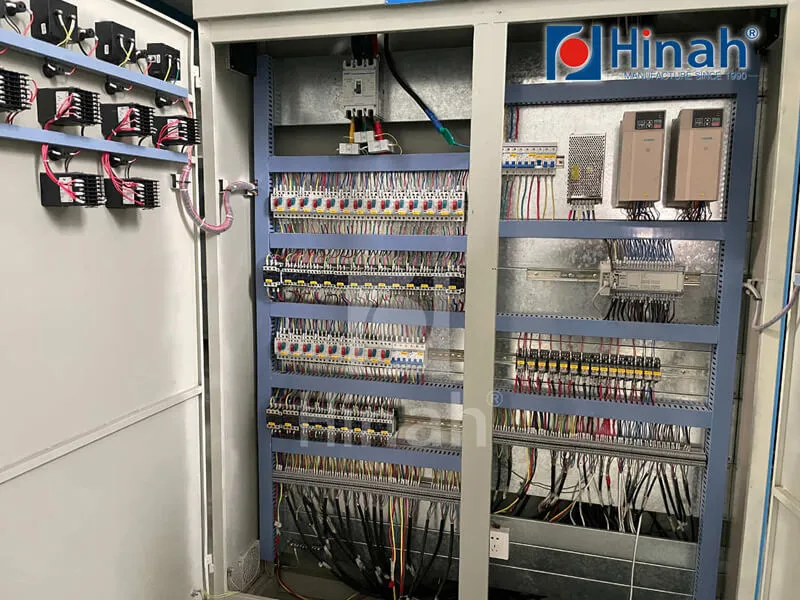
Control Systems: Advanced controls offer programmability and monitoring. This improves accuracy and ease of use.
Safety Features: Look for overload protection, ventilation, and emergency stops. Compliance with safety standards is essential.
Consulting with experts can streamline selection. Companies like HANNA provide guidance on paint drying ovens tailored to your needs.
HANNA is a recognized leader in industrial coating automation. They specialize in designing and supplying high-performance paint drying ovens for various sectors.
HANNA's ovens are known for reliability, efficiency, and innovation. They offer customized solutions that integrate seamlessly into existing lines. Their expertise ensures optimal curing results.
Key services from HANNA include:
Custom Engineering: Ovens built to specific dimensions and requirements.
Installation Support: Professional setup and calibration for immediate operation.
Maintenance and Training: Ongoing service and operator training to maximize uptime.
Global Distribution: Availability for clients worldwide, with local support networks.
By partnering with HANNA, manufacturers can upgrade their coating processes. Their paint drying ovens enhance productivity and quality. This collaboration drives competitive advantage in the market.
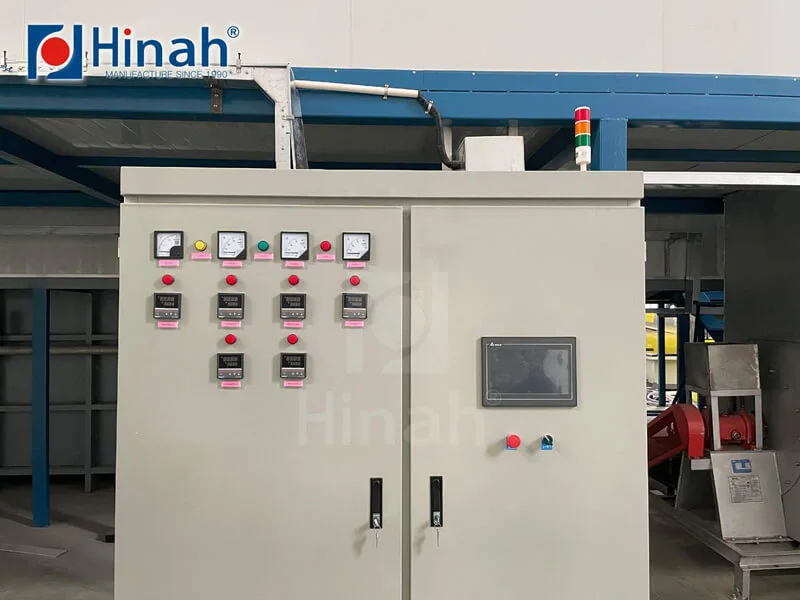
The technology behind paint drying ovens is evolving. Emerging trends focus on smarter, greener, and more efficient systems.
Smart Automation: Integration with IoT allows real-time monitoring and data analytics. Ovens can adjust parameters automatically for optimal curing. This reduces manual intervention and errors.
Energy Recovery: Advanced systems capture and reuse waste heat. This cuts energy costs and supports sustainability goals. Paint drying ovens are becoming more eco-friendly.
Enhanced Materials: New insulation and heating elements improve efficiency. They enable faster curing times with lower energy input.
Modular Designs: Ovens that can be easily expanded or reconfigured offer flexibility. This adapts to changing production needs.
These advancements will make paint drying ovens more accessible and effective. They will continue to shape the future of industrial coating.
Paint drying ovens are fundamental to achieving high-quality, durable finishes in manufacturing. They improve coating consistency, speed up production, and enhance safety.
As industries advance, the demand for efficient ovens grows. Brands like HANNA play a crucial role in delivering reliable solutions. Investing in modern paint drying ovens is key to staying competitive.
Evaluate your coating needs and consider upgrading to advanced ovens. They offer a path to better products and operational efficiency. Paint drying ovens will remain essential in industrial finishing.
Q1: What is the main purpose of paint drying ovens?
A1: The main purpose is to cure applied coatings by using controlled heat, ensuring they dry, harden, and adhere properly for durability and quality.
Q2: How do paint drying ovens differ from natural air drying?
A2: Paint drying ovens provide faster, more consistent curing through regulated temperature and airflow, whereas air drying is slower and prone to environmental variations, leading to potential defects.
Q3: What factors affect the curing time in paint drying ovens?
A3: Factors include oven temperature, coating material thickness, part material, airflow rate, and humidity levels. Proper settings optimize curing time.
Q4: Can paint drying ovens handle different types of coatings?
A4: Yes, they can be adjusted for various coatings like powder paints, liquid paints, and varnishes, but it's important to match oven parameters to the specific coating requirements.
Q5: Why should I choose HANNA for paint drying ovens?
A5: HANNA offers customized, high-quality ovens with expert support, installation, and maintenance. Their solutions are designed for efficiency and integration into diverse coating lines.