
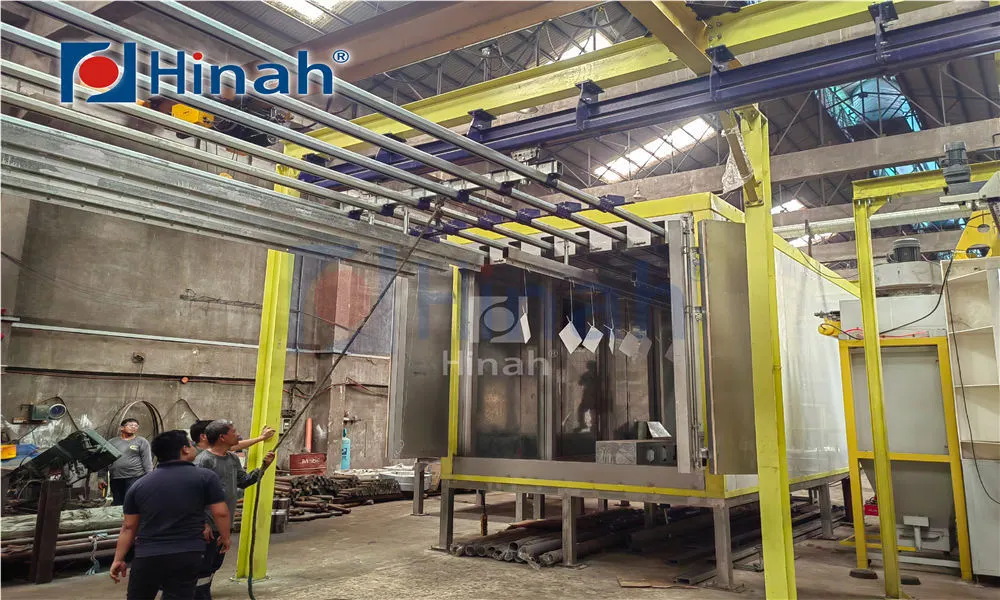
Understanding the powder coating oven cost is the first major step for any workshop, manufacturer, or entrepreneur planning to set up or upgrade their finishing line. This investment is crucial for quality, efficiency, and compliance. The price isn't a single number; it's a variable shaped by your specific needs and technical requirements.
This guide breaks down the key elements that determine your final expense. We will explore different oven types, operational considerations, and how to make a smart investment that balances upfront powder coating oven cost with long-term value and performance.
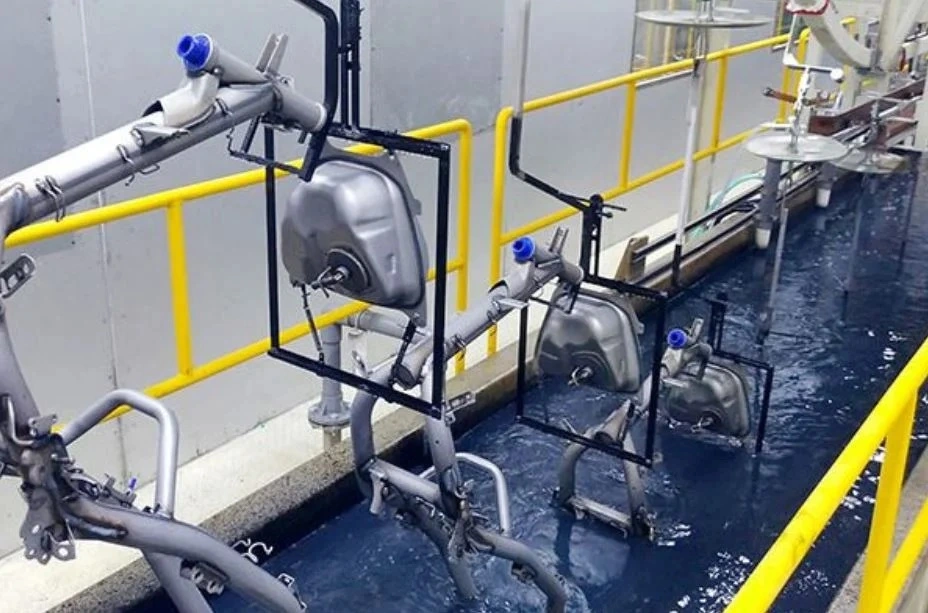
The final price tag hinges on multiple engineering and commercial factors. Ignoring any of these can lead to unexpected budget overruns or inadequate performance.
Production Capacity & Size
The physical dimensions (LxWxH) and internal capacity directly drive the cost. A small batch oven for prototypes costs vastly less than a conveyorized monorail system for automotive parts. Consider both current and near-future throughput.
Heat Source & Energy Efficiency
Electric heating elements are common and precise but can be expensive to operate. Gas-fired (natural gas or propane) ovens typically have a higher initial cost but lower operating expenses in high-use scenarios. Infrared systems offer fast cure times for specific applications.
Temperature Range & Uniformity
Standard powder coatings cure around 180°C - 200°C (356°F - 392°F). If your processes require higher temperatures for special materials, the powder coating oven cost increases due to enhanced insulation and more powerful heating systems.
Insulation & Construction Quality
High-density mineral wool insulation is standard for efficiency. Oven panel construction (e.g., double-wall with steel skins) impacts heat retention and safety. Premium construction reduces long-term energy cost.
Control System Complexity
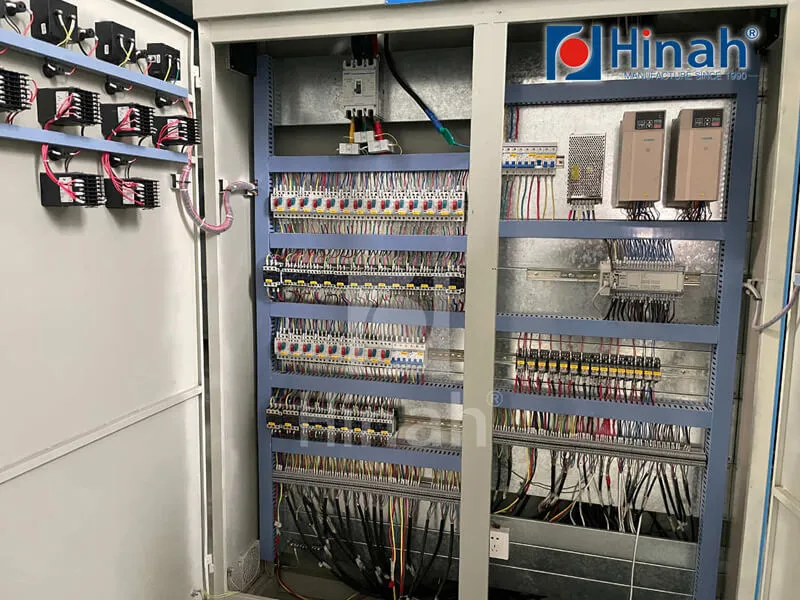
Basic thermostatic controls are minimal. Programmable Logic Controllers (PLCs) with touchscreen HMIs, recipe storage, and data logging add cost but provide repeatability, traceability, and reduced human error.
Compliance & Safety Features
Explosion relief panels, advanced airflow management, and compliance with local safety codes (NFPA, OSHA, CE) are non-negotiable for most industries. These essential features are a part of the base powder coating oven cost.
Customization & Additional Features
Custom racking, dedicated part conveyors, enhanced filtration, or special door mechanisms add to the price. A standard "off-the-shelf" oven is cheaper but may not fit your workflow perfectly.
Choosing the right oven type is the most significant decision affecting both powder coating oven cost and operational efficiency.
Batch (Cabinet) Ovens
These are standalone units where parts are loaded, cured, and unloaded in cycles. Ideal for low-volume, high-mix, or large individual items.
Conveyor (Continuous) Ovens
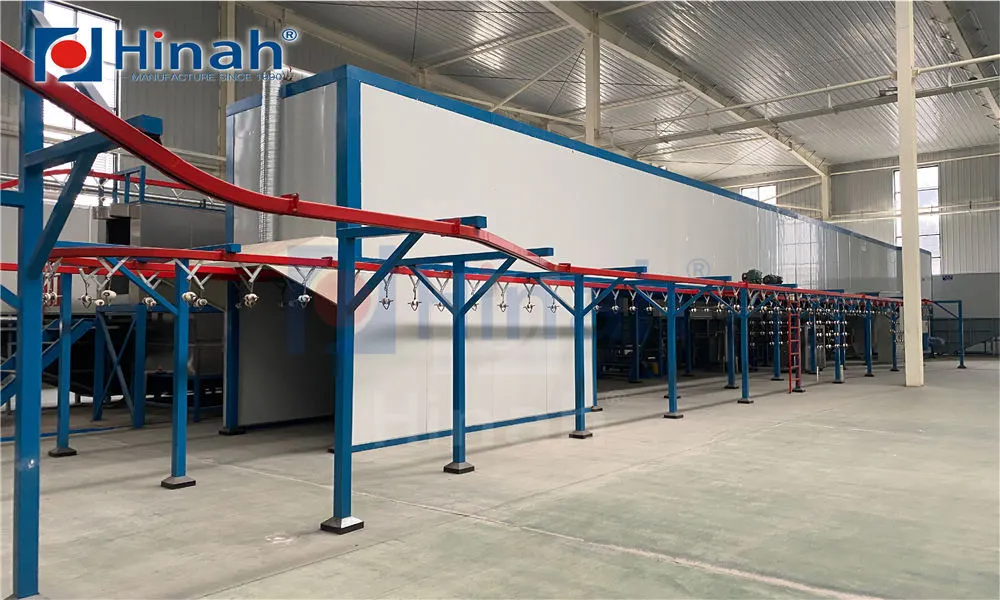
Parts move continuously on a conveyor (monorail, belt, etc.) through preheat, cure, and cool-down zones. Designed for high-volume, consistent production.
Smart buyers look beyond the invoice. The true powder coating oven cost includes all expenses over the equipment's lifespan.
Installation & Site Preparation
Foundations, electrical/gas hookups, ventilation ducting, and potential building modifications can add 15-30% to the base equipment price.
Energy Consumption
This is the largest ongoing expense. An energy-inefficient oven will drain profits. Calculate kWh or gas therm consumption based on your expected use.
Maintenance & Spare Parts
Regular filter changes, burner servicing, fan motor checks, and element replacement are necessary. Factor in the availability and cost of spare parts from your supplier.
Downtime & Reliability
An oven that fails frequently halts your entire production. Investing in a reliable, well-supported system from a reputable brand like HANNA minimizes costly downtime.
Navigating the market requires a strategic approach to ensure you get value for your powder coating oven cost.
Define Your Exact Requirements First
Create a detailed specification sheet: part dimensions, max weight, desired cure schedule, hourly throughput, available utilities, and floor space.
Get Detailed, Comparable Quotes
Request itemized quotes that separate equipment, controls, installation, and warranty. Compare technical specs, not just bottom-line prices.
Prioritize Quality & Support
The cheapest option often becomes the most expensive. Assess the supplier’s reputation, industry experience, and after-sales service. Can they provide commissioning, training, and prompt technical support?
Consider a Trusted Partner Like HANNA
With decades in thermal processing, HANNA provides engineered solutions that balance performance and powder coating oven cost. We focus on robust construction, energy efficiency, and long-term reliability, offering a superior TCO. Our team works with you to specify the optimal system, avoiding both undersizing and costly oversizing.
The decision surrounding your powder coating oven cost is fundamentally an investment in your business's quality, capacity, and profitability. By thoroughly analyzing your production needs, understanding the total cost of ownership, and partnering with a knowledgeable supplier, you can secure a system that delivers consistent results for years to come.
A well-engineered oven from a partner like HANNA is not just an expense; it's a cornerstone of a efficient, high-quality finishing operation.
Q1: What is the single biggest factor affecting powder coating oven cost?
A1: The internal size and required production capacity are the primary cost drivers. A large, high-throughput conveyor system will always command a significantly higher price than a small batch oven, as it involves more materials, complex engineering, and powerful heating systems.
Q2: Is it cheaper to build a powder coating oven myself?
A2: While a DIY build may seem to save on initial powder coating oven cost, it is strongly discouraged. Achieving safe, uniform heat distribution and ensuring compliance with critical fire and electrical codes is extremely difficult. The risks of fire, poor cure quality, and regulatory fines far outweigh any potential savings.
Q3: How much does it typically cost to run a powder coating oven?
A3: Operational cost varies wildly. A small electric batch oven might cost $10-$30 per day to run, while a large gas-fired conveyor oven could cost hundreds. The key variables are energy rates, oven insulation quality, cure temperature, and daily operating hours. An efficiency analysis is crucial.
Q4: Can I use a used powder coating oven to reduce costs?
A4: Yes, a quality used oven from a reputable manufacturer can be a cost-effective option. However, have it thoroughly inspected for insulation integrity, heater/burner condition, and control functionality. Factor in potential refurbishment, re-compliance, and relocation cost, which can be substantial.
Q5: Why should I consider HANNA for my powder coating oven investment?
A5: HANNA delivers engineered value. We focus on constructing durable, energy-efficient ovens that optimize your total powder coating oven cost over time. Our expertise ensures the system is correctly sized and specified for your application, providing reliable performance, lower operating expenses, and comprehensive support long after installation.