

Industrial finishing operations rely on specialized machinery to achieve consistent, high-quality results. Professional powder coating equipment forms the backbone of modern coating facilities. This comprehensive guide examines the critical components that make up a complete powder coating system and their role in efficient production.

Understanding Powder Coating Equipment Systems
A complete powder coating system consists of several integrated pieces of equipment. Each component performs a specific function in the coating process. Together, they ensure proper surface preparation, application, and curing.
Modern systems range from simple manual setups to fully automated lines. The choice depends on production volume, part complexity, and quality requirements. Properly selected powder coating equipment can significantly improve productivity and finish quality.
Key benefits of integrated equipment systems include:
Consistent, repeatable coating results
Reduced material waste and operational costs
Improved workplace safety and environmental compliance
Increased production capacity and throughput
Core Components of Powder Coating Equipment
Every powder coating operation requires specific equipment to function properly. Understanding these components helps in system design and operation.
1. Powder Application Equipment
Application equipment includes guns, controllers, and powder delivery systems. These components work together to deposit powder onto the substrate.
Manual guns are operated by technicians, while automatic systems use robotic arms. Modern electrostatic guns charge powder particles for better adhesion. High-end HANNA equipment offers adjustable parameters for different materials.
Key features to consider include:
Voltage and current controls for electrostatic charging
Powder flow rate adjustment capabilities
Pattern control for uniform coverage
Quick-color change systems for flexible production
2. Powder Coating Booths and Enclosures
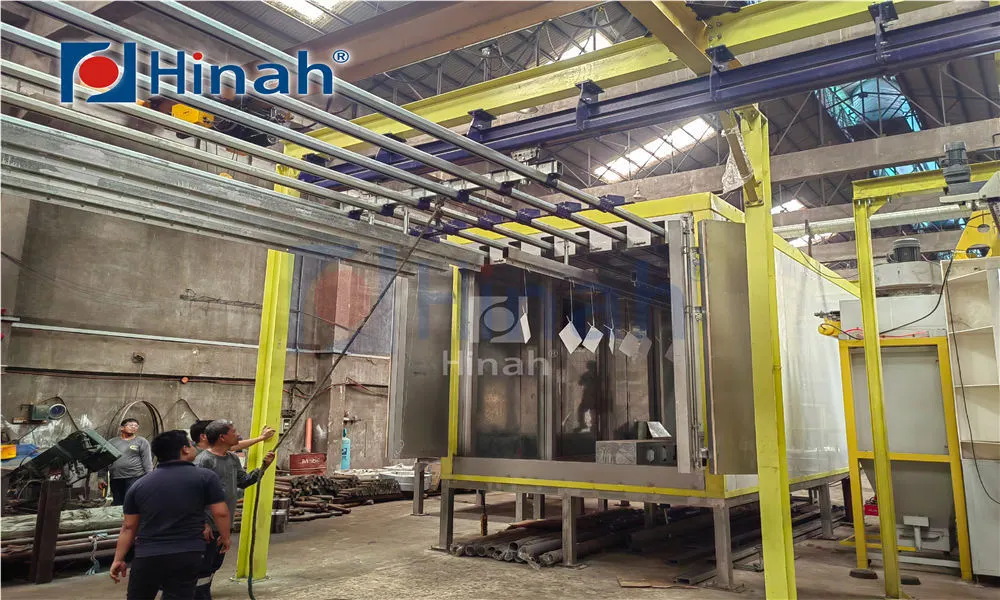
Booths provide a controlled environment for powder application. They contain overspray and protect operators from airborne particles. The right booth design is crucial for efficiency.
Recovery booths collect oversprayed powder for reuse. Non-recovery booths use disposable filters. The choice depends on color change frequency and production volume. Proper ventilation in the powder coating equipment booth ensures clean air and safety.
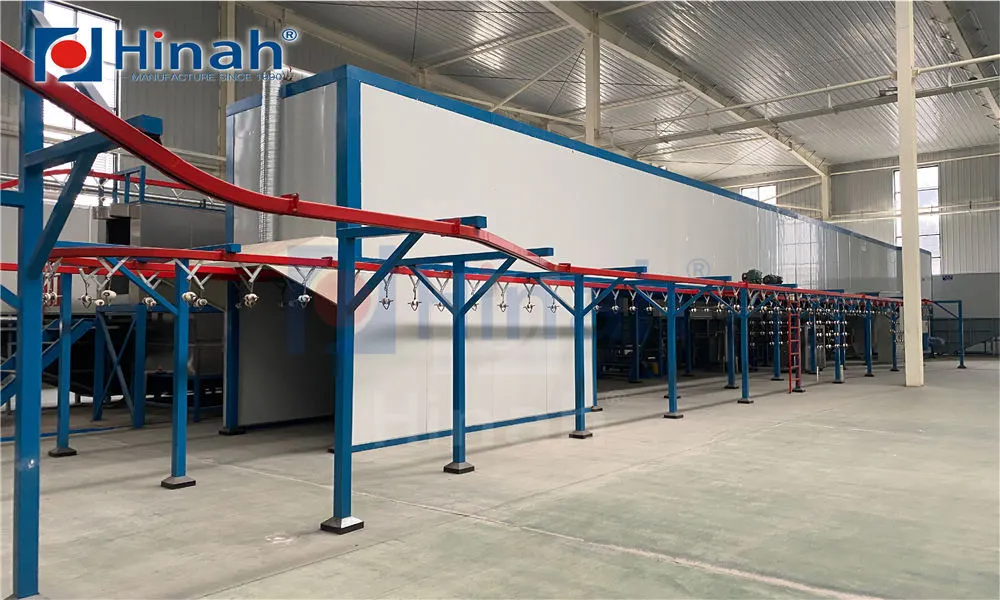
3. Curing Ovens and Heating Systems
Curing equipment uses heat to melt and flow the powder into a continuous film. Proper curing is essential for coating performance and durability.
Convection ovens use heated air circulation. Infrared ovens provide direct radiant heat. Combination systems offer both methods. Temperature control accuracy is critical for consistent results.
Important oven specifications include:
Maximum operating temperature and heat-up time
Temperature uniformity throughout the work zone
Energy source (gas, electric, or hybrid)
Safety features and exhaust systems
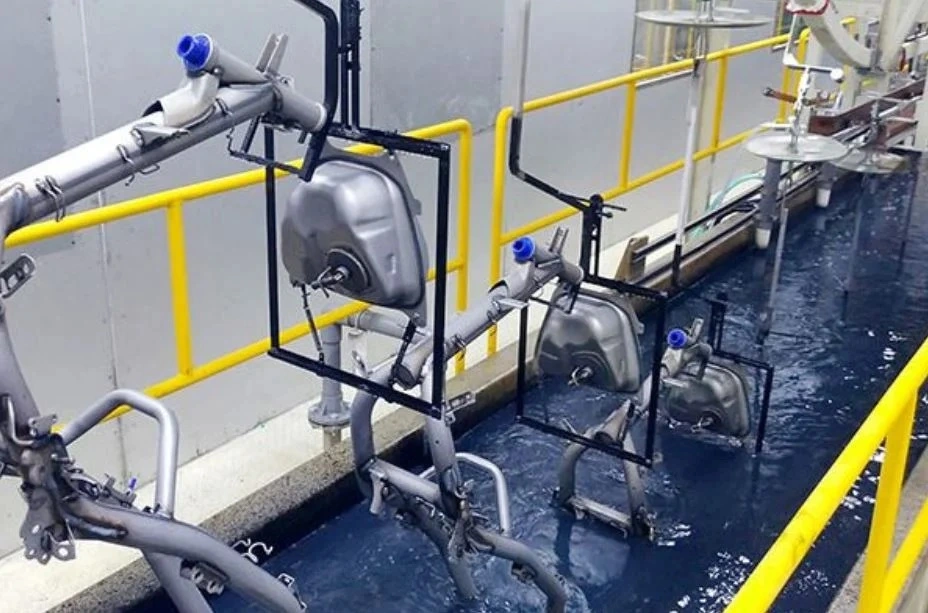
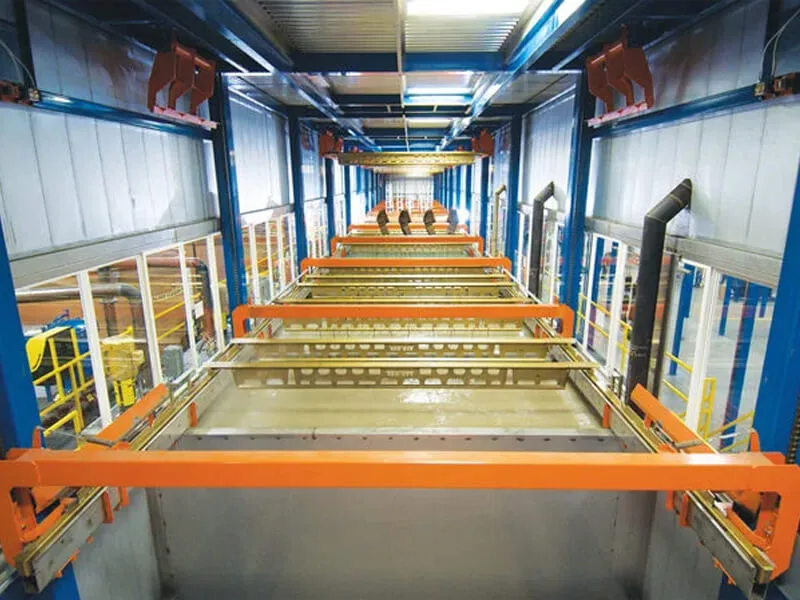
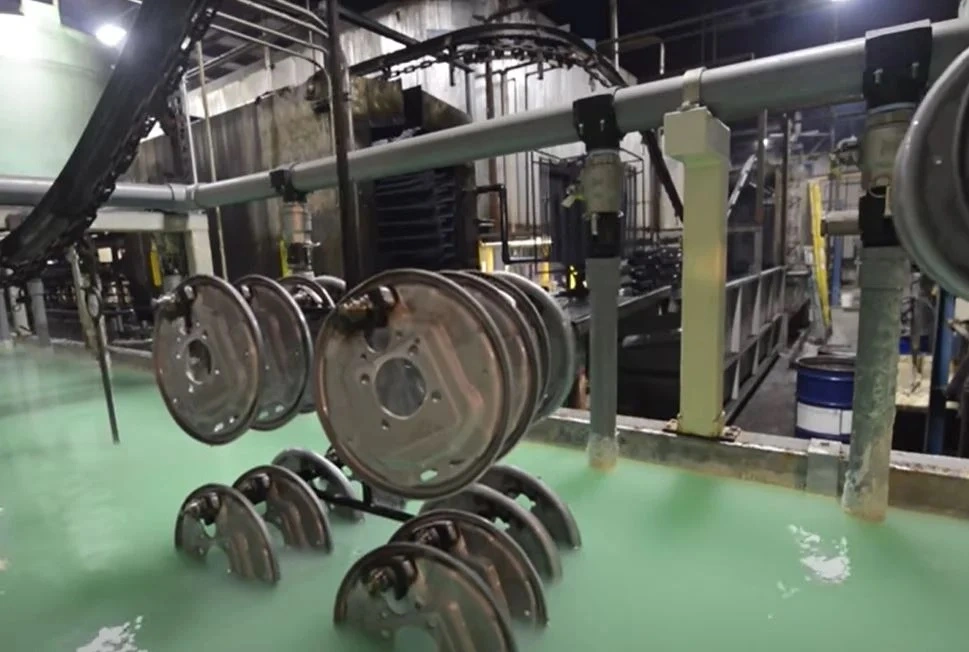
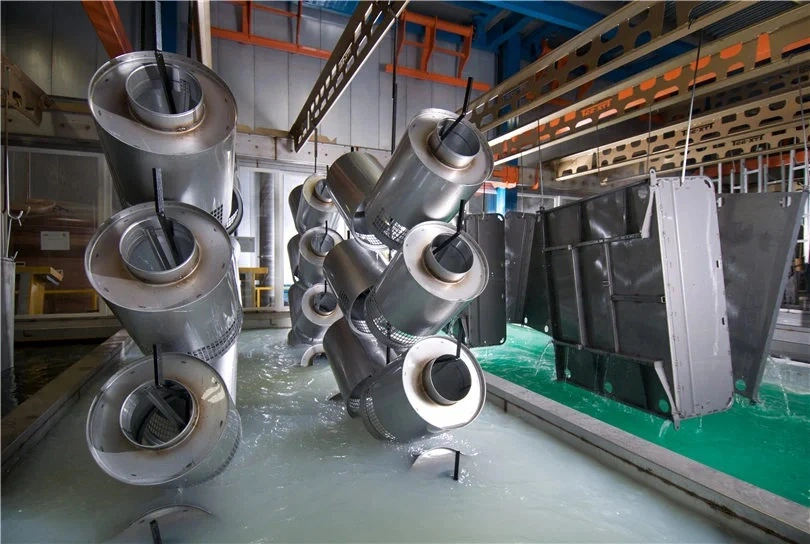
4. Pre-Treatment Systems
Surface preparation equipment cleans and treats substrates before coating. Proper pre-treatment ensures powder adhesion and corrosion resistance.
Multi-stage washers use chemical solutions and rinses. They remove oils, dirt, and surface oxides. Conversion coatings like iron or zinc phosphate improve bonding. This stage is often overlooked but critical in complete powder coating equipment systems.
5. Powder Recovery and Recycling Systems
Recovery equipment collects oversprayed powder for reuse. This reduces material costs and environmental impact. Efficient systems can reclaim over 95% of overspray.
Cartridge filter systems are common in modern operations. Cyclone separators provide efficient powder collection. Sieves remove contaminants from reclaimed powder. Regular maintenance ensures optimal recovery performance.
6. Conveyor Systems
Conveyors move parts through the entire coating process. They ensure consistent handling and processing times. The right conveyor design matches production requirements.
Overhead conveyors use trolleys and I-beam tracks. Belt conveyors work for flat or small parts. Chain-on-edge systems handle heavier loads. Integration with other powder coating equipment components must be precise.
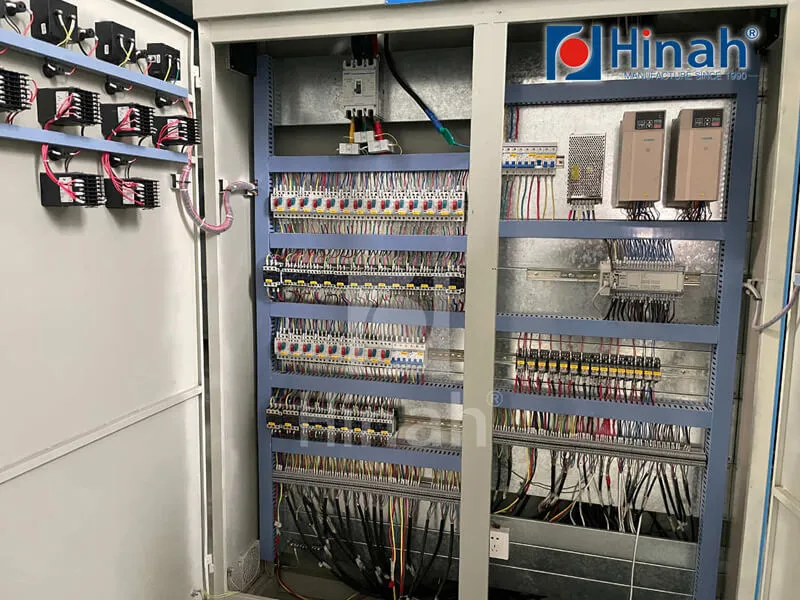
7. Control and Monitoring Systems
Modern equipment includes sophisticated controls for process management. These systems monitor and adjust parameters for consistent quality.
Programmable logic controllers (PLCs) automate sequences. Human-machine interfaces (HMIs) provide operator control. Data logging tracks process parameters for quality assurance. Brands like HANNA integrate advanced controls in their systems.
8. Support and Auxiliary Equipment
Additional equipment supports the main coating process. These components ensure smooth operation and maintenance.
Compressed air systems provide clean, dry air for powder transport. Exhaust systems remove fumes and maintain airflow. Powder feed hoppers store and deliver material. Regular maintenance of all components extends equipment life.
Selecting the Right Powder Coating Equipment
Choosing appropriate equipment requires careful consideration of multiple factors. The right selection impacts quality, efficiency, and return on investment.
Production Volume and Throughput Requirements
Equipment capacity must match production needs. Low-volume shops may use manual systems. High-volume operations require automation and larger capacity equipment.
Consider peak production periods and future growth. The powder coating equipment should handle maximum expected loads without strain. Modular systems allow for future expansion.
Part Size and Geometry Considerations
The equipment must accommodate the largest parts processed. Consider both dimensions and weight limitations. Complex shapes may require special application equipment.
Booth and oven sizes should provide adequate clearance. Conveyor systems must support part weight and configuration. Custom solutions from suppliers like HANNA address unique requirements.
Material and Color Change Requirements
Frequent color changes require specific equipment features. Quick-color change systems minimize downtime between colors. Multiple gun setups allow continuous operation.
Consider powder types used - different materials may require equipment adjustments. The recovery system must handle color separation effectively. These factors influence powder coating equipment selection and configuration.
Maintenance Best Practices
Regular maintenance ensures equipment reliability and longevity. Proper care prevents unexpected downtime and maintains coating quality.
Daily Maintenance Procedures
Daily tasks focus on cleanliness and basic checks. Clean powder spills and buildup from equipment surfaces. Check fluidizing air pressure and powder levels in hoppers.
Inspect booth filters and recovery systems. Verify safety equipment functionality. These routines keep powder coating equipment operating efficiently.
Scheduled Maintenance Activities
Weekly and monthly tasks address deeper maintenance needs. Clean electrostatic components and check grounding systems. Inspect conveyor chains and lubricate as needed.
Check oven temperature uniformity with sensors. Calibrate control instruments regularly. Follow manufacturer recommendations for specific maintenance intervals.
Safety Considerations in Equipment Operation
Powder coating equipment presents specific safety considerations. Proper safeguards protect operators and facilities.
Electrical safety is critical with high-voltage equipment. Grounding prevents static discharge hazards. Explosion protection is necessary in powder-rich environments.
Proper ventilation maintains air quality. Personal protective equipment includes respirators and protective clothing. Safety training for all operators is essential when working with industrial powder coating equipment.
Effective powder coating operations depend on properly selected and maintained equipment. Each component plays a vital role in achieving quality finishes efficiently. From application guns to curing ovens, integrated systems provide the control needed for consistent results.
Understanding equipment options and requirements helps in making informed investment decisions. Partnering with experienced suppliers like HANNA ensures access to reliable powder coating equipment designed for industrial applications. Proper equipment selection and maintenance form the foundation of successful coating operations.
Frequently Asked Questions (FAQs)
Q1: What is the typical lifespan of powder coating equipment?
A1: Well-maintained powder coating equipment can last 10-20 years. Key components like guns may need replacement sooner due to wear. Regular maintenance significantly extends equipment life. Ovens and structural components often have the longest service life.
Q2: How much space is required for a complete powder coating system?
A2: Space requirements vary by system size. A small manual system may fit in 500 square feet. A full automated line with pre-treatment, booth, and oven might need 3,000 square feet or more. Consider space for part handling, maintenance access, and material storage around the equipment.
Q3: Can powder coating equipment handle different types of powders?
A3: Most equipment can handle various powder types with proper adjustments. Equipment settings for epoxy powders may differ from polyester or hybrid formulations. Some specialized powders require specific application equipment. Consult equipment specifications for compatible materials.
Q4: What utilities are required for powder coating equipment?
A4: Typical requirements include three-phase electrical power, compressed air (clean and dry), natural gas or propane for ovens, ventilation exhaust, and sometimes water for pre-treatment systems. Specific requirements vary by equipment size and configuration. Professional installation ensures proper utility connections.
Q5: How important is equipment calibration for quality results?
A5: Regular calibration is critical for consistent quality. Electrostatic voltage, powder flow rates, oven temperatures, and conveyor speeds all impact coating results. Monthly calibration checks are recommended for critical parameters. Properly calibrated powder coating equipment maintains process control and reduces defects.