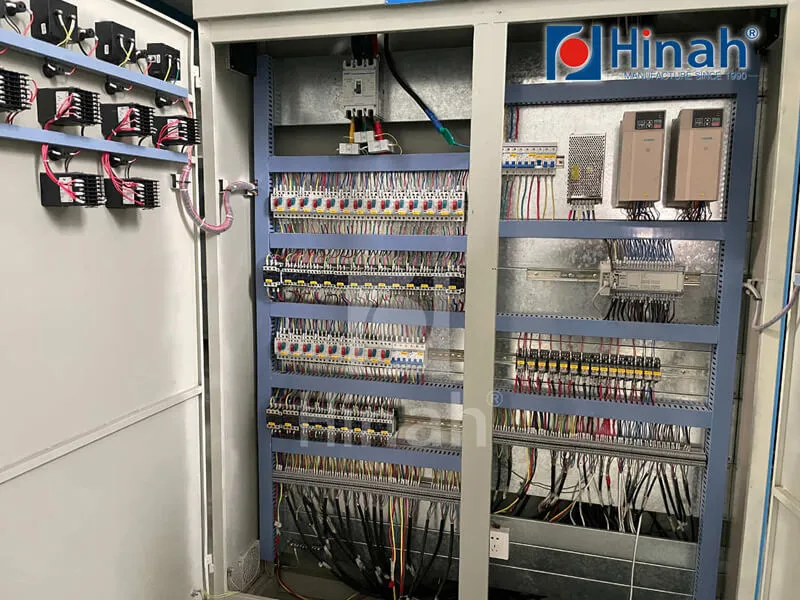

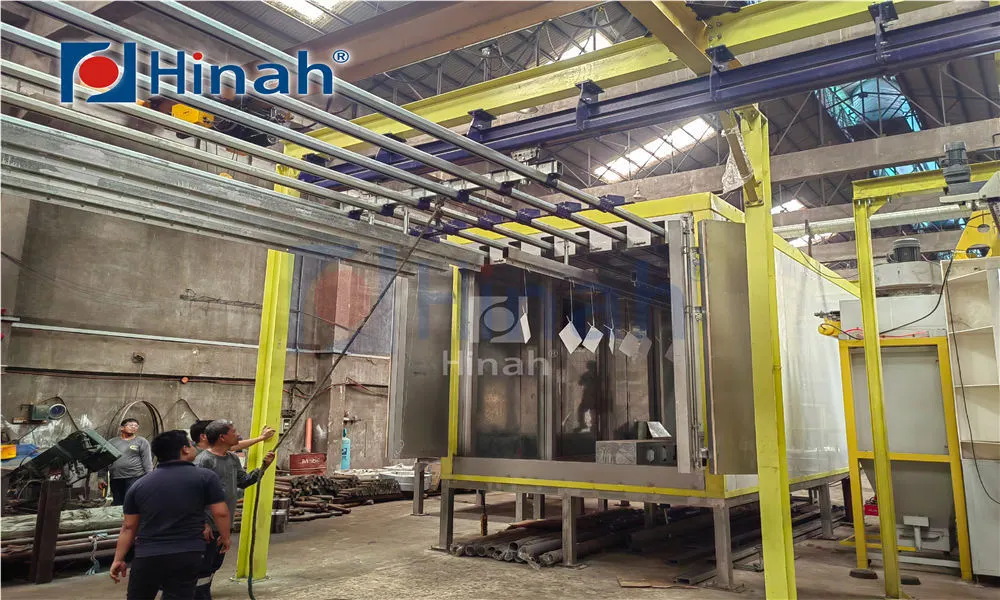
Every powder coating line relies on a backbone. That backbone is the conveyor system. It moves parts through every stage, from pre-treatment and coating to curing and cooling. The efficiency of your entire operation depends on it. Choosing and maintaining the right powder coating conveyor systems is not an afterthought. It’s a fundamental decision for quality and throughput. This post breaks down what you need to know.
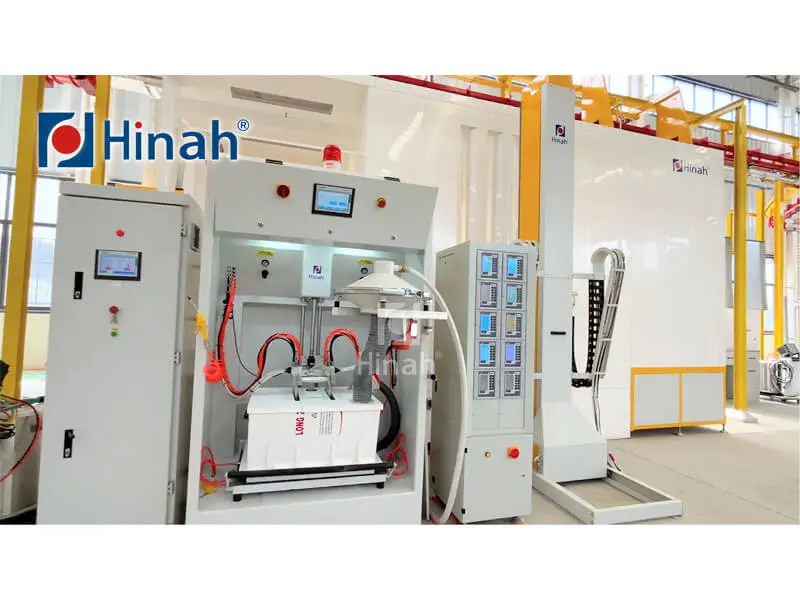
Think of the conveyor as the central nervous system of your finishing line. It dictates the pace, influences coating quality, and impacts labor requirements.
A well-designed system ensures consistent dwell times in each stage. Parts spend the exact right amount of time in the wash, dry-off oven, spray booth, and cure oven. This consistency is key for coating adhesion and proper cure.
The conveyor also determines line layout and floor space use. It must smoothly navigate the facility’s footprint. The system’s design directly affects accessibility for operators and maintenance teams.
There is no one-size-fits-all solution. The right choice depends on part weight, size, shape, and production volume. Leading manufacturers like HANNA engineer solutions for each application.
Overhead Monorail Conveyors
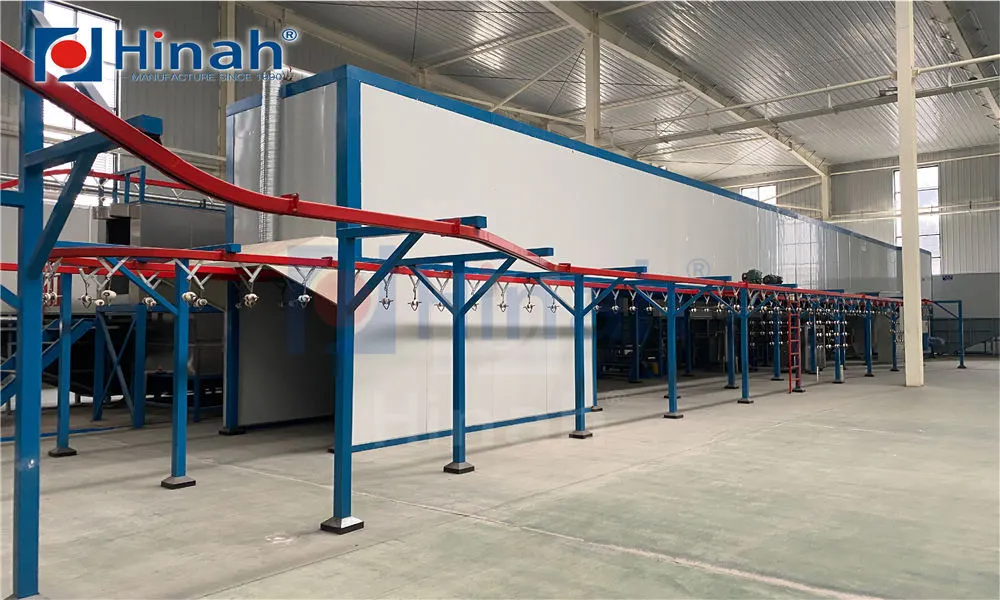
This is the most common type for high-volume industrial lines. An I-beam track is installed near the ceiling. Trolleys carry loads on pendants or hooks.
They excel at moving parts through multi-stage processes in a continuous loop. They make excellent use of overhead space, keeping the floor clear. Their continuous motion suits high-throughput environments.
Power & Free Conveyors
These systems offer more control. They feature two tracks: a powered track for movement and a free track where carriers can stop independently.
This allows for asynchronous movement. Parts can pause for loading, intricate manual spraying, or cooling without stopping the entire line. They provide great flexibility for complex production schedules.
Floor Conveyors
These include chain-on-edge or drag chain systems that run at floor level. They are often used for very heavy, bulky, or awkward items.
Large structural beams, automotive frames, or heavy machinery are typical candidates. The load is directly supported by the floor-based chain, eliminating stress on overhead structures.
Belt Conveyors
Typically used for smaller, lighter parts or specific applications. They might be found at the end of a line for offloading or in a standalone booth.
Their simple, flat surface is ideal for panels or items that cannot be hung. They are less common for full-process lines but serve important niche roles.
Selecting powder coating conveyor systems requires careful planning. Several technical factors must align with your production goals.
Load Capacity and Weight Distribution
This is the starting point. The system must handle the maximum weight of your heaviest part, including the fixture. HANNA engineers assess not just weight but also the center of gravity to ensure stable transport.
Line Speed and Dwell Time Calculation
The conveyor speed controls the production rate. It must be calculated backward from the required dwell times in ovens and washers. A slight miscalculation here leads to under-cured coatings or wasted oven capacity.
Spatial Layout and Transitions
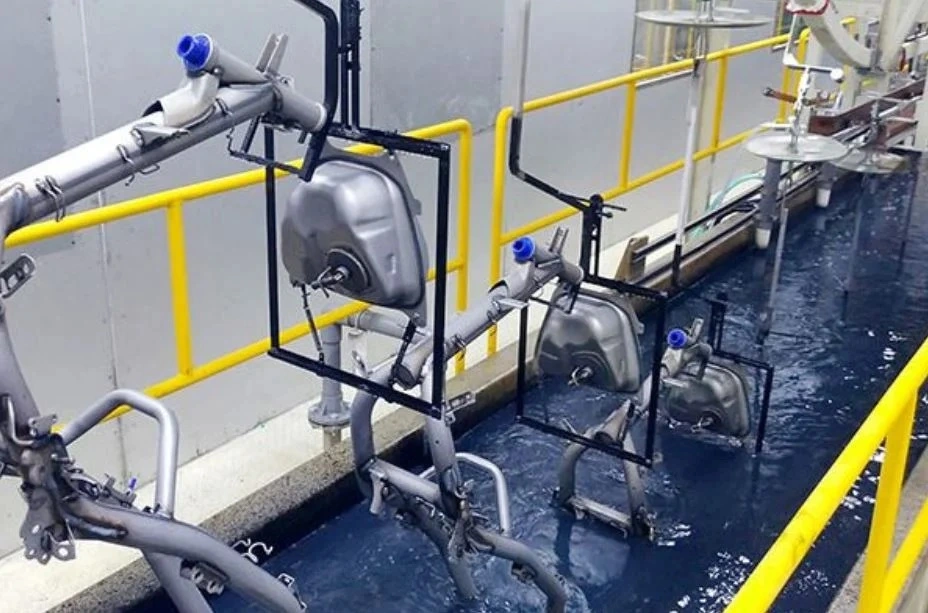
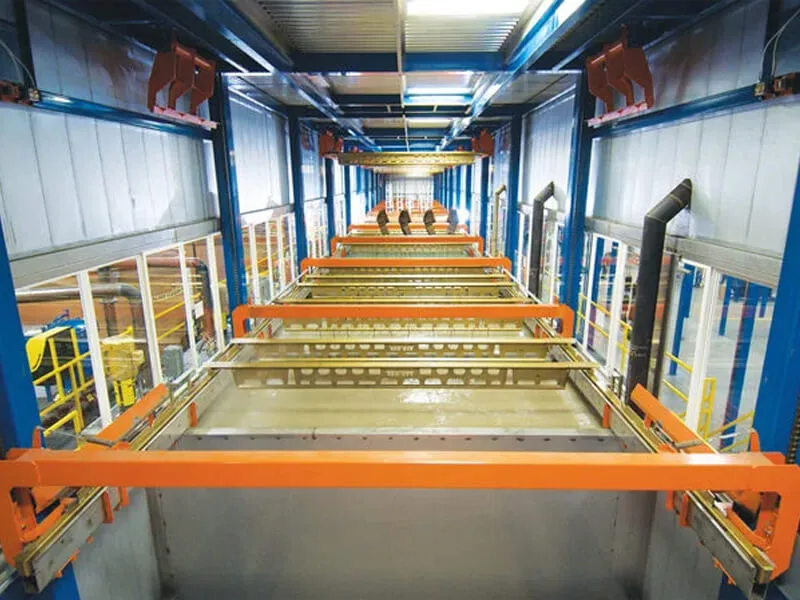
The conveyor path must navigate your building’s columns, doors, and ceiling heights. Smooth vertical dips into wash stages and horizontal curves are critical. Poor design causes jams, sway, and excessive wear.
Fixture and Hook Design
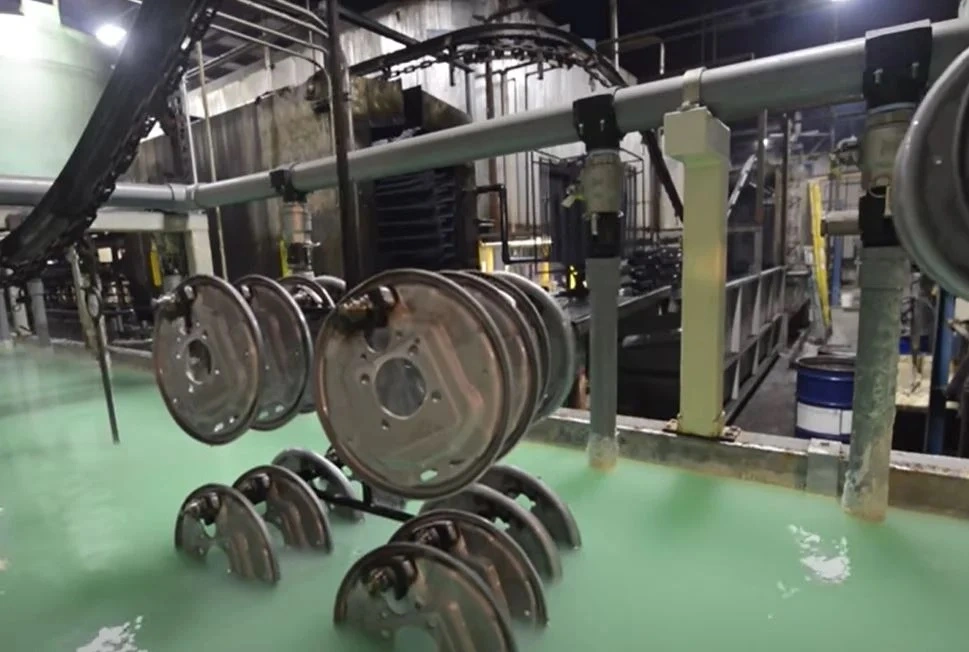
The interface between the part and the conveyor is the fixture. It must hold the part securely, allow for proper grounding, and permit coating coverage on all necessary surfaces. Good design minimizes powder buildup and facilitates cleaning.
It’s easy to view the conveyor as just a transport mechanism. But its condition directly affects the finish on your products.
Grounding and Electrical Continuity
For electrostatic powder application, the part must be properly grounded. The conveyor chain and hooks must maintain excellent electrical continuity. Worn or dirty hooks create poor grounding, leading to inconsistent powder attraction and wrap.
Vibration and Stability
Excessive vibration or sway during transport is a problem. It can shake off powder before it enters the cure oven, especially on edges. A smooth, stable ride is essential for high first-pass transfer efficiency.
Contamination Control
Flaking debris, grease, or rust from the conveyor itself can fall onto parts. Modern systems use clean-running chains and are designed with drip trays. Regular cleaning protocols are part of a quality-focused operation.
Powder coating conveyor systems operate in harsh environments. Heat, moisture, chemicals, and constant motion demand a proactive maintenance plan.
Daily and Weekly Checks
Visual inspections are vital. Look for worn hooks, loose pendants, or signs of track wear. Listen for unusual noises from drives or chains. Check lubrication levels at automatic stations.
Lubrication Strategy
This is the lifeblood of the system. Use the correct lubricant type (often a dry film or specific high-temperature grease). Over-lubrication can cause drips onto parts. Under-lubrication leads to rapid wear and chain failure.
Component Replacement Schedule
Don’t wait for a catastrophic failure. Plan for periodic replacement of high-wear items like drive chains, trolley wheels, and lift sections. Keeping a stock of critical spare parts minimizes downtime.
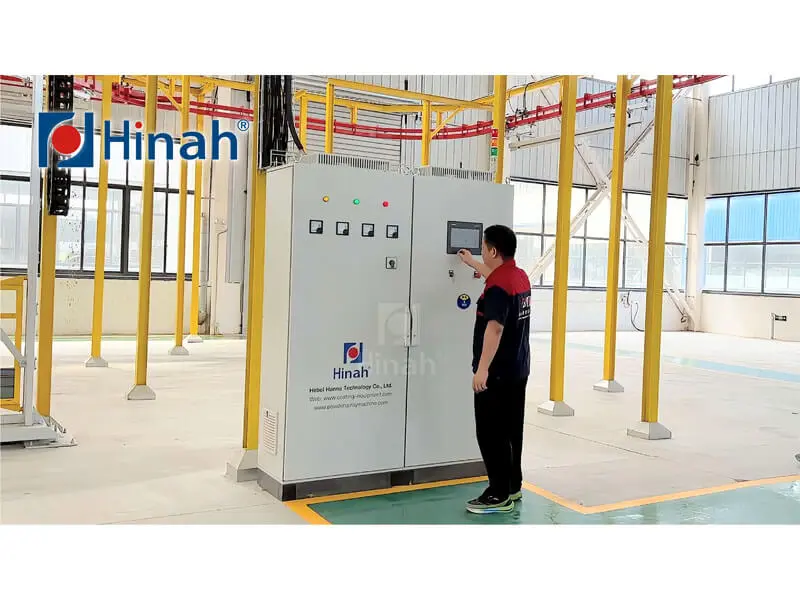
At HANNA, we view the conveyor as an integrated component of the total system. Our powder coating conveyor systems are built for durability and precision.
We focus on robust mechanical drives and sprockets designed for 24/7 operation. Our control systems allow for precise speed adjustment and monitoring. We design custom fixtures that optimize part presentation and grounding.
Our team creates layouts that maximize efficiency in your existing space. We consider future expansion, making it easier to add length or capacity down the line. It’s about building a backbone that lasts for decades.
Modern powder coating conveyor systems are becoming data hubs. Integration with plant-wide systems is now expected.
Speed and location data can be fed into a central MES (Manufacturing Execution System). This allows for real-time tracking of individual parts or batches. It enables predictive maintenance alerts based on motor load or vibration sensors.
HANNA’s systems can be equipped with these smart features. This turns your conveyor from a simple mover into a source of operational intelligence.
Your spray guns and ovens get most of the attention. But they cannot perform without a precise and reliable transport system. The choice of powder coating conveyor systems sets the fundamental rhythm of your production.
Investing in a well-engineered system from experienced manufacturers pays long-term dividends. It reduces downtime, improves finish consistency, and adapts to future needs. When you partner with a provider like HANNA, you gain more than hardware. You gain the expertise to build a truly solid foundation for your powder coating success.
Q1: How do I choose between an overhead monorail and a power & free conveyor system?
A1: Choose an overhead monorail for continuous, high-volume production of similar parts. Choose power & free if you need flexibility—like varying dwell times, separate accumulation zones, or the ability to run different parts on the same line without stopping the entire system. HANNA can help analyze your workflow to recommend the best fit.
Q2: What is the most common maintenance mistake with these conveyors?
A2: Inconsistent or incorrect lubrication is the most frequent issue. Using the wrong grease type or failing to clean old lubricant first accelerates wear. Following the manufacturer’s precise lubrication schedule and using recommended products is critical for longevity.
Q3: Can my existing floor support an overhead conveyor for heavy parts?
A3: This requires a structural analysis. While the load hangs from the ceiling structure, the forces are ultimately transferred to the building’s columns and footings. HANNA typically requests a structural drawing of your facility to verify support capacity before designing a system for heavy loads.
Q4: How often should conveyor hooks be cleaned or replaced?
A4: Hooks should be cleaned of powder buildup regularly—weekly in high-production settings. They should be replaced when wear reduces their cross-section thickness, compromising strength, or when grounding becomes unreliable due to coating insulation. A monthly inspection schedule is recommended.
Q5: Is it possible to upgrade or retrofit an older conveyor system?
A5: Yes, many components can be upgraded. Drives can be modernized for better control, new trolley designs can be installed, and smart sensors can often be added. HANNA frequently performs retrofits to extend line life, improve speed control, or integrate with new oven or booth sections.