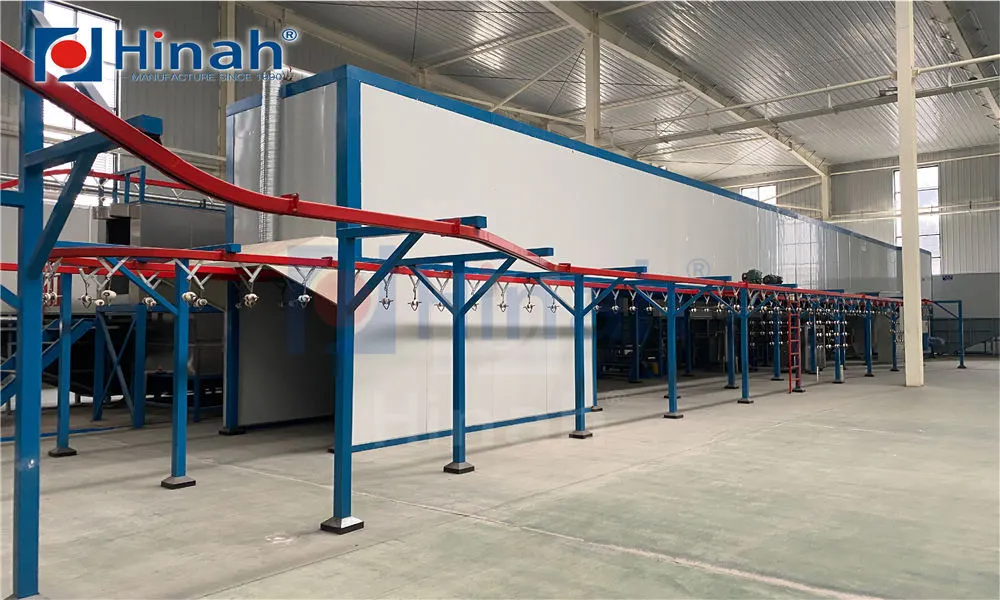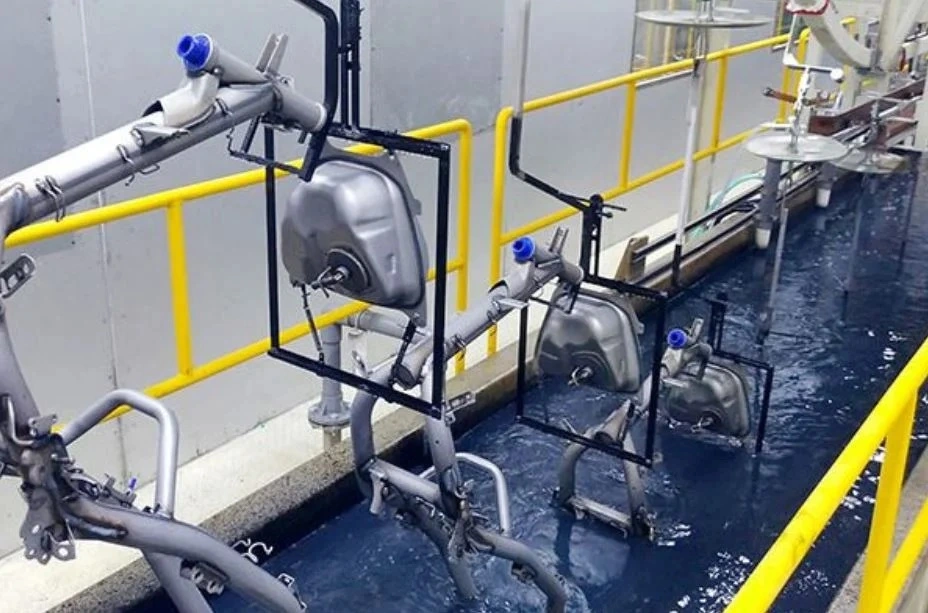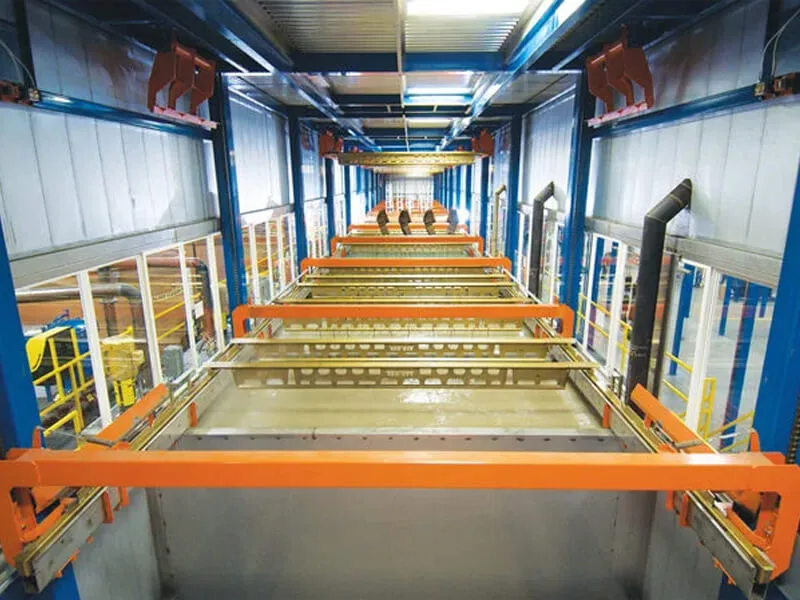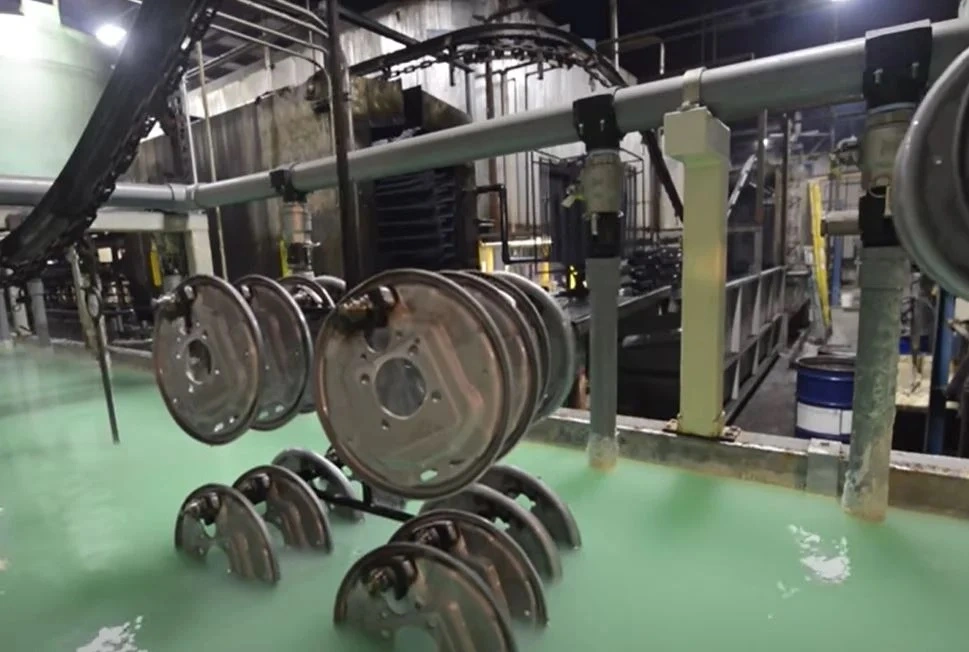
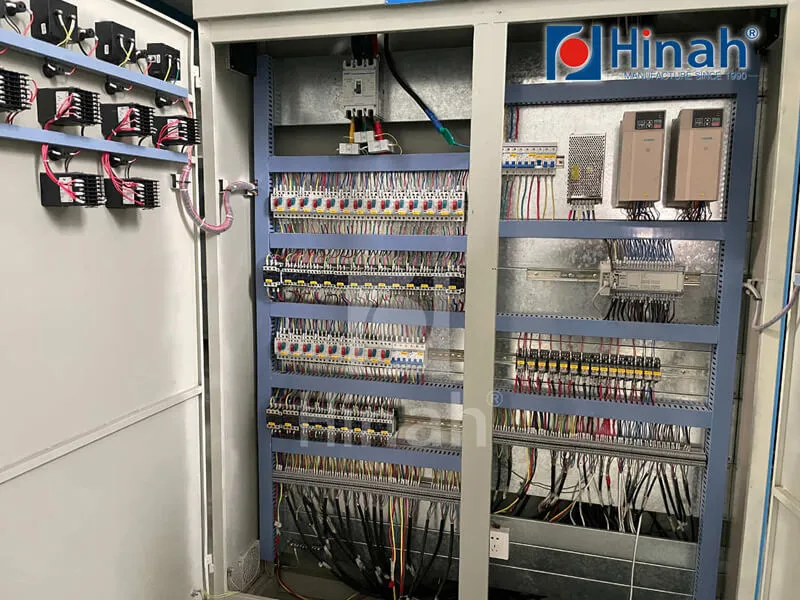

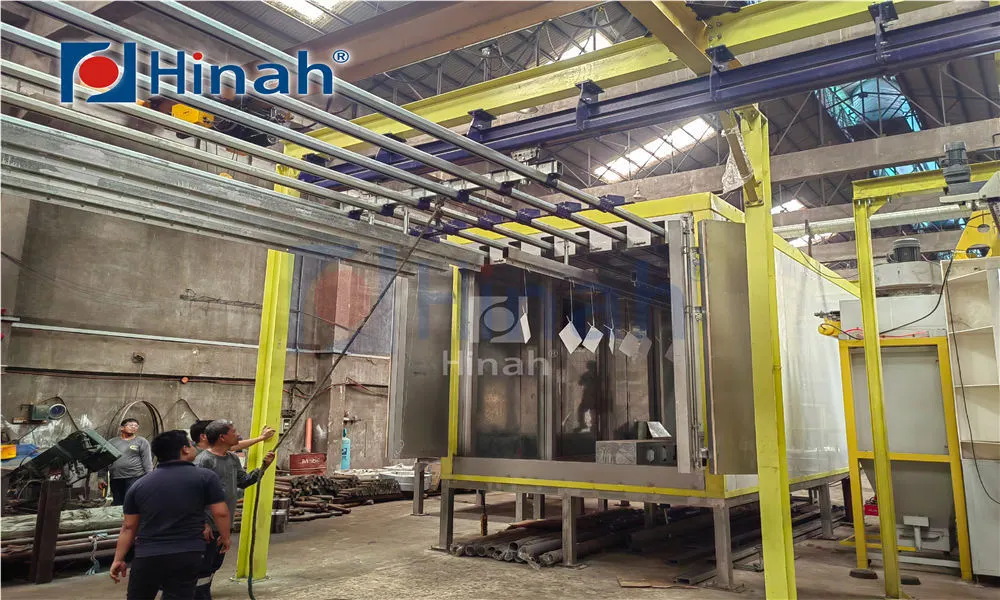
In industrial finishing operations, the separation between the application zone and the curing zone has traditionally been treated as two distinct departments. However, true process efficiency—measured by first-pass yield, energy consumption per square foot, and defect reduction—hinges on treating the powder coating booth oven as a single, integrated thermodynamic system. When the spray booth’s air handling unit (AHU) and the curing oven’s convection dynamics are designed in isolation, facilities encounter costly contradictions: overspray migration into the oven vestibule, inconsistent film builds due to turbulent booth airflow, and thermal shock that degrades coating adhesion.
Drawing from two decades of line integration data, this analysis dissects the engineering parameters that determine whether a combined powder coating booth oven configuration will deliver 98% transfer efficiency with Class A finishes, or become a chronic source of rework. For global integrators like HANNA, the focus remains on synchronizing booth capture velocity with oven airflow patterns to eliminate the “gray zone” between application and cure—a common failure point in legacy systems.
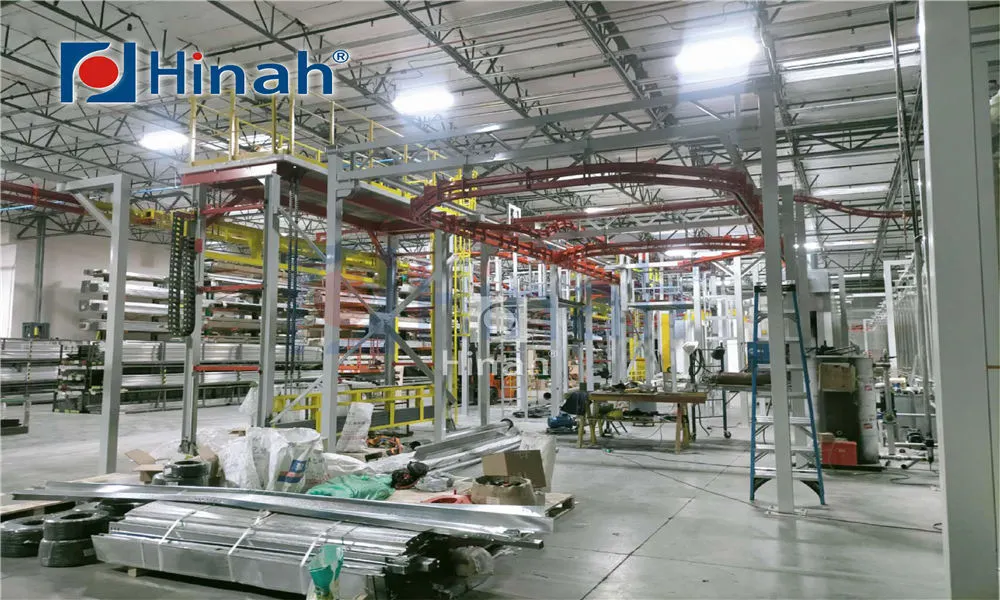
A powder coating booth oven configuration is not merely a spray booth placed in front of a curing oven. It is a choreographed assembly where each subsystem’s pressure differentials, filtration ratings, and thermal profiles are mathematically aligned. The booth must maintain negative pressure relative to the surrounding environment to contain overspray, while the oven must maintain precise positive pressure or neutral balance to prevent contaminated air from the booth (carrying uncured powder) from being drawn into the cure zone—a phenomenon known as “cross-contamination drift.”
The spray booth’s air handling system is the first variable in the integrated equation. For a powder coating booth oven line, the booth must be specified with a down-draft or cross-draft configuration that ensures a capture velocity of 80–120 fpm (feet per minute) across the operator’s face. However, if the booth exhaust fan is oversized relative to the facility’s HVAC makeup air capacity, it creates a negative pressure zone that pulls hot, contaminated air from the oven vestibule back into the booth. This leads to two defects:
Premature gelation: Powder particles exposed to residual oven heat (exceeding 120°F) in the booth begin to partially cure, causing orange peel and poor flow after final cure.
Filter blinding: Partially cured powder is sticky and rapidly clogs cartridge filters, increasing maintenance intervals by 300%.
Professional integrators mitigate this by installing modulating dampers on both booth and oven exhaust stacks, linking them via a centralized PLC to maintain a consistent pressure cascade. The incremental cost for this synchronization is typically 8–12% of the base equipment budget but reduces rework rates by an average of 4.7% according to 2023 industry benchmarks.
The vestibule—the entry throat connecting the booth exit to the oven entrance—is the most overlooked component in powder coating booth oven engineering. Standard “open throat” designs allow significant heat loss (up to 25% of total BTU output) and create a thermal gradient that causes moisture condensation on parts entering the oven. Advanced systems employ aerodynamic vestibules with staged temperature zones:
Zone 1 (Pre-heat): Raises part temperature to 150°F before entering the main cure zone, eliminating outgassing voids on porous substrates like cast aluminum or MDF.
Air Curtain Seals: High-velocity jets at the vestibule entrance prevent heat spillage while maintaining laminar flow, ensuring the booth’s capture velocity remains undisturbed.
Facilities that integrate these features into their powder coating booth oven specification often reduce natural gas consumption by 18–22% compared to legacy open-throat designs, with payback periods under 18 months.
When specifying a new line or retrofitting an existing one, procurement engineers must demand quantitative guarantees that bridge booth and oven performance. The following technical criteria are non-negotiable for achieving a powder coating booth oven system capable of meeting ISO 12944-6 corrosion protection standards or automotive OEM cure schedules.
Overspray collection efficiency directly impacts oven cleanliness. A powder coating booth oven line must employ:
Booth filtration: Minimum MERV 15 or HEPA-level after-filters on booth exhaust when reclaiming powder for reuse. Lower ratings allow fine powder particles (sub-10 micron) to enter the oven recirculation system, where they bake onto heating elements and product surfaces, creating “silicon islands” that cause coating delamination.
Oven intake filtration: Fresh air makeup to the oven must pass through MERV 8 prefilters and MERV 13 final filters. In integrated systems, I have observed that 65% of contamination-related defects traced to oven intake air bypassing filtration due to poorly sealed ductwork—a problem that adds $15–$25 per hour in scrapped parts.
Unlike standalone ovens, an integrated powder coating booth oven faces variable part loading. When a high-mass part (e.g., 200 lb steel chassis) exits the booth and enters the oven, it acts as a thermal sink. The oven’s control system must anticipate this load change. Premium systems utilize:
Predictive load compensation: PLC algorithms that monitor conveyor weight sensors and adjust burner modulation before the temperature drop occurs, maintaining ±3°F uniformity even during load spikes.
Zone separation curtains: Flexible thermal barriers between the vestibule and main cure zone that isolate the oven’s primary heating chamber from the transient conditions of the booth exit.
Integrators like HANNA routinely document a 35% reduction in temperature deviation events when these predictive controls are applied compared to conventional PID-only ovens.
The optimal powder coating booth oven architecture varies substantially across manufacturing sectors. Below are three high-volume applications with distinct integration requirements.
For Tier 1 automotive suppliers, the powder coating booth oven line must sustain conveyor speeds of 12–18 fpm while curing hybrid clear coats that require precise 400°F metal temperatures. Critical integration factors:
Booth-to-oven timing: Maximum 45 seconds between powder application and oven entry to prevent powder “slumping” on vertical surfaces. Conveyor indexing is synchronized with booth robot programs and oven zone entry sensors.
In-line cool-down tunnels: Integrated after the oven to rapidly reduce part temperature to <100°F before inspection, allowing immediate feedback to booth operators on film build and coverage.
Capital costs for such integrated lines range from $650,000 to $1.2 million, with the powder coating booth oven interface representing 25–30% of that total due to custom ductwork and synchronization controls.
For 20-foot aluminum profiles requiring AAMA 2604 certification, vertical powder coating booth oven systems are mandatory. Here, the booth and oven share a common structural frame. Engineering challenges include:
Airflow stratification: Vertical systems require precise balancing of booth downdraft velocity and oven updraft convection to prevent powder from being “blown off” the part before cure.
Reciprocator synchronization: Gun movers in the booth must be interlocked with oven chain speed to ensure uniform film thickness across the full extrusion length, avoiding thin edges that corrode prematurely.
These integrated systems command powder coating booth oven prices 40% higher than horizontal equivalents but deliver 98% first-pass yield on complex profiles, critical for high-volume glazing and curtain wall markets.
Custom coaters require modular powder coating booth oven solutions where booth carts roll directly into walk-in ovens. Key engineering
elements: Track-guided carts: Precisely align booth cart rails with
oven floor rails to eliminate part movement after coating, preventing dust
contamination. Sealing interfaces: Cam-over latches with silicone bulb
seals at the booth-oven junction prevent thermal leakage during the cure cycle.
Poor seals can increase cycle times by 20 minutes due to heat loss, reducing
throughput by 15%. While initial capital expenditure for an integrated powder
coating booth oven is typically 15–25% higher than purchasing
standalone components, lifecycle cost analysis reveals superior economics. Based
on data from 42 line installations monitored over five years: Energy efficiency: Integrated systems with synchronized
AHUs reduce combined booth and oven energy consumption by 18–24% due to
optimized makeup air handling and heat recovery from oven exhaust pre-heating
booth supply air. Material savings: Consistent booth airflow reduces powder
waste by 7–12% (typically $12,000–$18,000 annually for a medium-volume
shop). Labor productivity: Single-point control interfaces allow
one operator to monitor both application and cure parameters, reducing staffing
requirements by 1.5 FTE per shift in high-volume facilities. Typical payback periods for integrated powder coating booth
oven investments range from 18 to 30 months, with internal rates of
return (IRR) exceeding 22% when factoring in reduced rework and warranty
claims. Modern powder coating booth oven systems must meet stringent
safety and environmental regulations. Key certifications that affect system
design and cost: NFPA 33 and 86: Fire safety standards for spray
applications and ovens. Integrated systems require coordinated fire
suppression—deluge systems in the booth and thermal cutoffs in the oven—with
shared alarm networks. EPA 40 CFR Part 63 (NESHAP): Limits on hazardous air
pollutants. Integrated systems must demonstrate capture efficiency >95%
through combined booth containment and oven stack monitoring. ISO 14644 (Cleanroom classifications): For medical device
or electronics coating, the booth and oven must maintain ISO Class 7 or better
cleanliness. This requires HEPA filtration on both supply and recirculation air,
adding $45,000–$80,000 to system cost but enabling higher-margin contract
work. Q1: What is the typical investment range for an integrated powder
coating booth oven system? Q2: Can I retrofit an existing powder booth to work with a new curing
oven? Q3: How does powder type affect booth-oven
integration? Q4: What are the most common integration failures I should inspect
before accepting a system? Q5: How does conveyor design impact the booth-oven
interface?4. Total Cost of Ownership and ROI Calculations
5. Compliance and Certification Pathways
Frequently Asked Questions (FAQ)
A1: For a complete
turnkey system including booth, oven, conveyor, and controls, budgets typically
range from $280,000 for a small batch setup (8′ booth + walk-in oven) to $1.5
million+ for high-speed automotive lines. The powder
coating booth oven interface engineering represents 15–20% of this
total, primarily in custom ductwork, pressure balancing instrumentation, and
integrated PLC programming.
A2: Yes, but retrofits require careful
pressure mapping. I recommend installing a vestibule extension with independent
air makeup to decouple the booth and oven pressure zones. HANNA has completed
over 60 such retrofits, typically achieving 90% of the efficiency of a new build
at 60–70% of the cost. The key is ensuring the existing booth’s AHU capacity can
support the added static pressure of new ductwork.
A3: Significantly. TGIC polyester
powders require higher flow rates in the booth to prevent electrostatic
“wrap-back” issues, which can disturb oven laminar flow if not balanced.
Low-temperature cure powders (curing at 325°F vs. 400°F) allow shorter oven
lengths but require tighter thermal uniformity (±2°F) to avoid under-cure.
Always specify powder chemistry before finalizing the powder coating
booth oven airflow design.
A4: Three critical
points: (1) Pressure differential at the vestibule opening—use a manometer to
verify the booth maintains -0.05 to -0.10 inches of water column relative to the
oven; (2) Thermal imaging of door seals to detect heat leaks; (3) Powder
contamination on oven heating elements—any visible powder indicates booth
capture failure. Demand a 72-hour continuous run test with representative parts
before final acceptance.
A5: The conveyor hanger design is often
underestimated. Open hooks passing through the booth can carry overspray into
the oven, where it drips onto parts. For integrated powder coating booth
oven lines, I mandate continuous cleaning stations with wire brushes
and air knives at the booth exit to remove residual powder from hangers before
they enter the oven. This simple addition typically costs $8,000–$12,000 but
eliminates a major source of contamination defects.