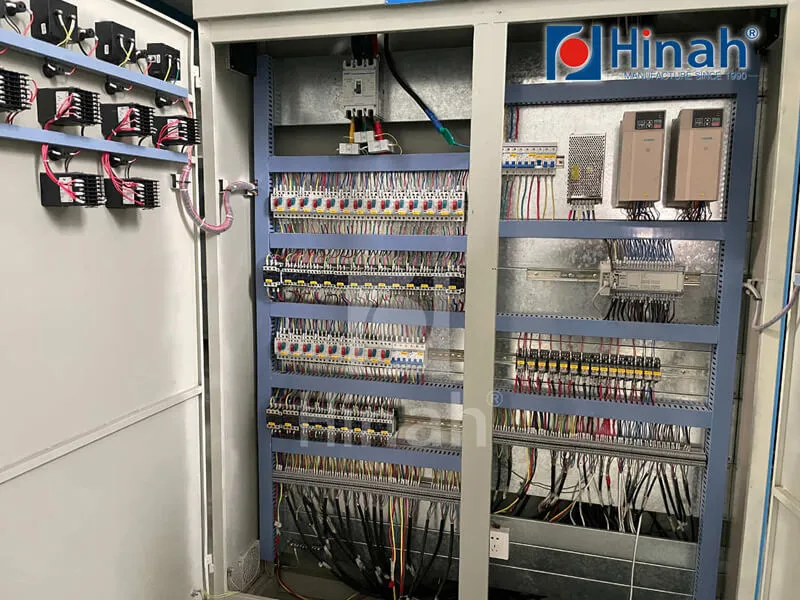

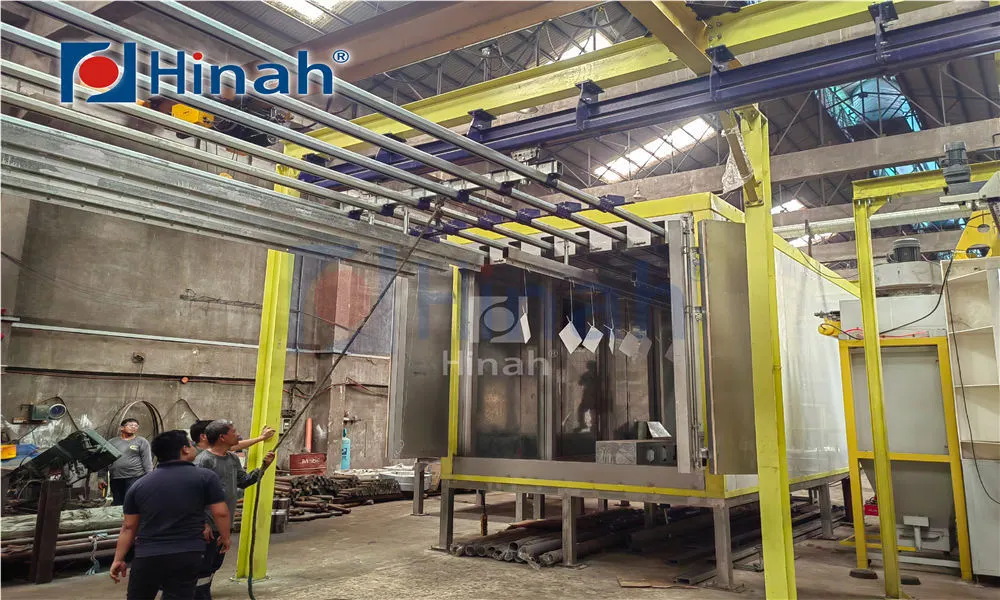
When evaluating a powder coating oven price, procurement managers and plant engineers often focus solely on the initial equipment invoice. This approach, while understandable, overlooks the complex interplay of thermal dynamics, conveyor integration, and energy infrastructure that dictates true cost of ownership. In over two decades of designing industrial finishing lines, I’ve observed that the variance in powder coating oven price—ranging from $45,000 for a basic batch oven to upwards of $450,000 for a multi-zone, gas-fired continuous system—is less about manufacturer markup and more about the physics of curing chemistry.
This guide, informed by rigorous field data and metallurgical standards, dissects the engineering variables that justify these figures. We will explore how intelligent configuration of air seals, insulation density, and zone control transforms a capital expense into a long-term asset, ensuring compliance with ISO 12944 or GSB International standards. For global integrators like HANNA, the focus remains on bridging the gap between quoted powder coating oven price and actual production throughput.
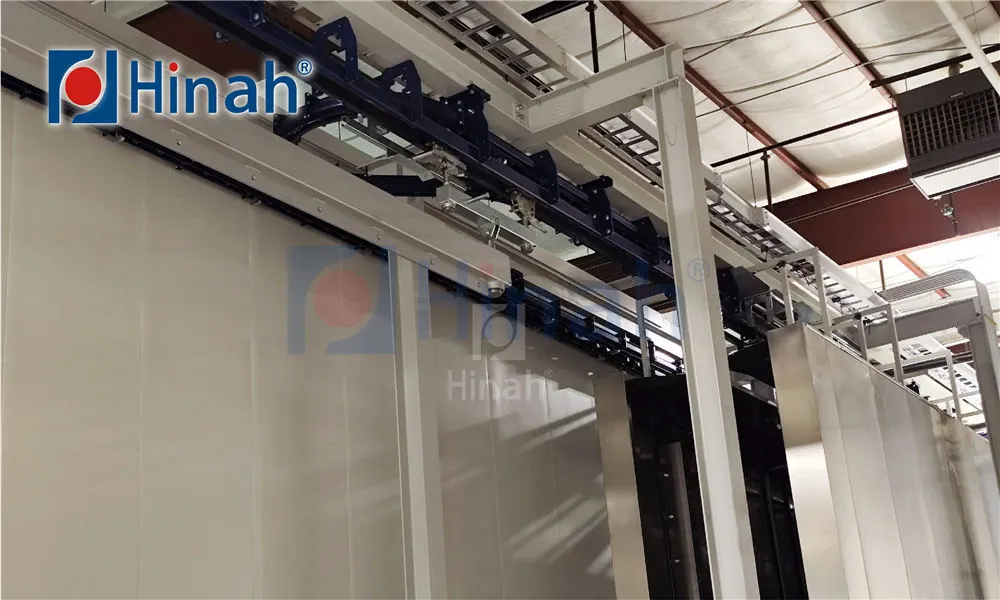
To accurately assess a supplier’s proposal, one must first deconstruct the oven into its core subsystems. A superficial comparison of price per square foot is a fallacy; instead, we must analyze the technical architecture that determines whether the oven can achieve a precise 10°C/min ramp rate with a dwell tolerance of ±3°C—critical for polyester TGIC or epoxy-polyester hybrid powders.
The choice between direct gas-fired, indirect gas-fired, or electric infrared (IR) systems represents the largest cost variable in any powder coating oven price structure.
Direct Gas-Fired (Convection): Typically represents the mid-range investment ($80,000 – $200,000 for a standard monorail system). These units offer superior BTU efficiency (85-92%) but require meticulous calibration of air-to-fuel ratios to avoid soot contamination on Class A finishes. The cost here is driven by the quality of the burner management system (BMS) and the thickness of the high-temperature mineral wool insulation (minimum 6 inches, 8 lbs density).
Electric Infrared (IR): Often carries a 20-30% premium in initial powder coating oven price compared to gas equivalents for the same footprint. However, IR ovens drastically reduce floor space requirements and cure time, making them ideal for high-speed automotive or aluminum extrusion lines. The price reflects the cost of medium-wave ceramic emitters and sophisticated SCR (silicon-controlled rectifier) controls that prevent overshoot on thin-gauge substrates.
Indirect Gas-Fired: The highest initial capital expenditure. Utilizes a heat exchanger to isolate combustion gases from the recirculated air. This is mandatory for coating medical equipment, food-grade components, or any application requiring NFPA 86 compliance. The powder coating oven price for indirect systems frequently exceeds $300,000 due to the metallurgy required for the heat exchanger and secondary containment.
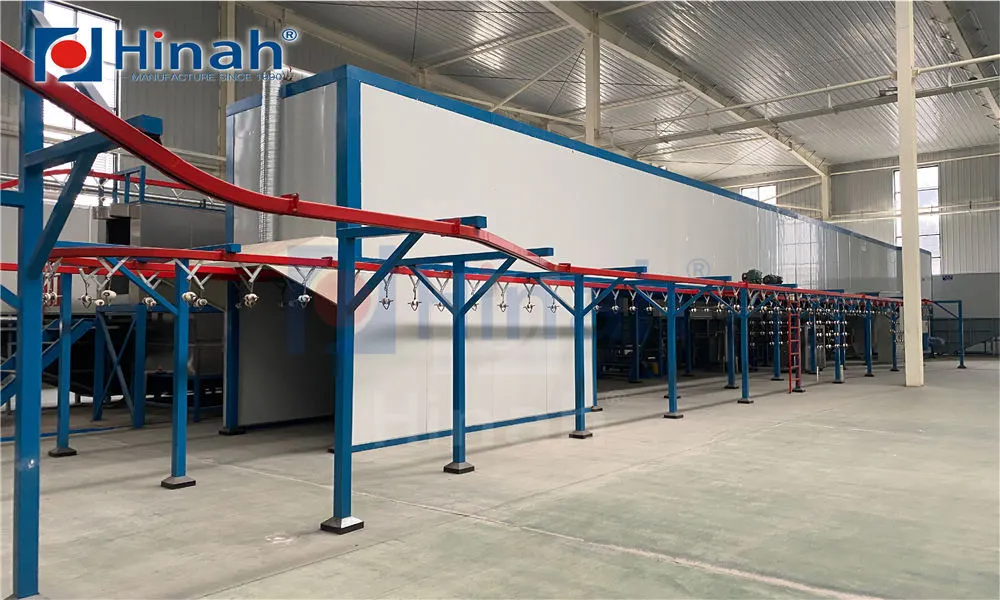
Standard “tunnel” ovens are priced by linear foot, but the critical metric is the cross-sectional clearance and the efficiency of the vestibule. A 40-foot oven with a 6x6 ft opening will have a significantly lower price than a 30-foot oven with an 8x8 ft opening because the latter requires exponentially more cubic feet of air to be heated and maintained.
Advanced systems from integrators like HANNA utilize aerodynamic vestibules and labyrinth seals to mitigate heat loss. While this increases the initial powder coating oven price by approximately 12-18%, it reduces natural gas consumption by up to 35% annually, often paying back the differential within 18 months.
Industry data from the Powder Coating Institute (PCI) indicates that energy consumption accounts for 65% of an oven’s operational expenditure over a 10-year lifecycle. Therefore, a lower upfront powder coating oven price that sacrifices thermal efficiency is a fiscal trap. Let’s quantify this using a medium-volume finisher processing 2,000 parts per shift.
Case Study Analysis: Two competing quotes for a 50-foot gas-fired monorail oven:
Option A (Budget): $98,000 initial cost. Features 4-inch fiberglass insulation, single-zone temperature control, and a fixed-speed conveyor integration. Estimated annual energy cost: $34,500.
Option B (High-Efficiency): $142,000 initial cost. Features 6-inch high-density ceramic fiber insulation, dual-zone PID control with modulating gas valves, and variable frequency drives (VFDs) on all air handling units. Estimated annual energy cost: $19,200.
While the powder coating oven price for Option B is 44% higher, the annual energy savings of $15,300 results in a payback period of just 2.9 years. For the remaining 7+ years of the equipment’s expected life, the facility realizes a net operational profit. Furthermore, Option B’s superior zone control reduces rework rates (orange peel, under-cure) from an industry average of 4.5% to under 1.2%, adding another layer of cost recovery.
The optimal powder coating oven price is context-dependent. A one-size-fits-all solution does not exist for the diverse sectors utilizing powder coating technology.
For Tier 1 suppliers, the oven must support high-density overhead conveyor systems (e.g., X458 or X678 chains). The powder coating oven price in this segment is heavily influenced by the integration of cool-down tunnels and forced quench zones to meet just-in-time (JIT) assembly requirements. Pricing typically falls between $250,000 and $650,000 for fully automated systems with SCADA integration. These systems require proprietary software for traceability, adding 8-10% to the base equipment cost.
Qualicoat or AAMA 2603/2604 certification mandates strict temperature uniformity across the entire part profile. For 20-foot aluminum extrusions, this necessitates horizontal or vertical flow ovens with redundant thermocouples. The powder coating oven price for vertical rack systems is notably higher (often $400k+) due to the structural steel required to support the load height and the complex air distribution plenums required to prevent “shadowing” on complex profiles.
Job shops require maximum flexibility. Here, the focus shifts to batch ovens with roll-in carts or walk-in designs. The powder coating oven price for these units ($45k – $120k) is determined by the door sealing mechanism and the controller sophistication. A 4-inch thick door with cam-over latches is insufficient for curing high-temperature powders (e.g., high-temp silicone for exhaust systems); a professional setup requires 6-inch thick doors with full perimeter bulb seals and a PLC-based recipe management system, which adds $15,000 to $25,000 to the quoted price.
When requesting proposals for a new curing solution, I advise clients to standardize on a Request for Quotation (RFQ) that goes beyond the base powder coating oven price. To ensure you are comparing apples-to-apples, mandate the following technical specifications in your bid:
Delta T Uniformity: Insist on a written guarantee of ±3°F (or ±1.7°C) across the entire cure zone, verified via a 9-point temperature uniformity survey (TUS) per AMS 2750E standards.
Insulation Integrity: Specify minimum 6-inch (150mm) ceramic fiber blanket with a density of 8 lb/ft³ for the main chamber, and 4-inch (100mm) for vestibules. Loose-fill insulation often leads to “hot spots” and structural degradation within 5 years.
Air Seal Effectiveness: Request data on the static pressure differential across the vestibule entrance. A well-designed system maintains a slightly negative pressure to prevent powder contamination from the spray booth entering the oven, a common design flaw in budget ovens.
Integrating these metrics into your RFQ ensures that the quoted powder coating oven price reflects a system capable of meeting stringent coating thickness specifications (typically 60-80 microns) without sags or outgassing defects. For facilities looking to upgrade legacy equipment, HANNA offers retrofitting solutions that modernize burner controls and insulation, delivering a 40% reduction in energy consumption for approximately 50% of the cost of a new oven.
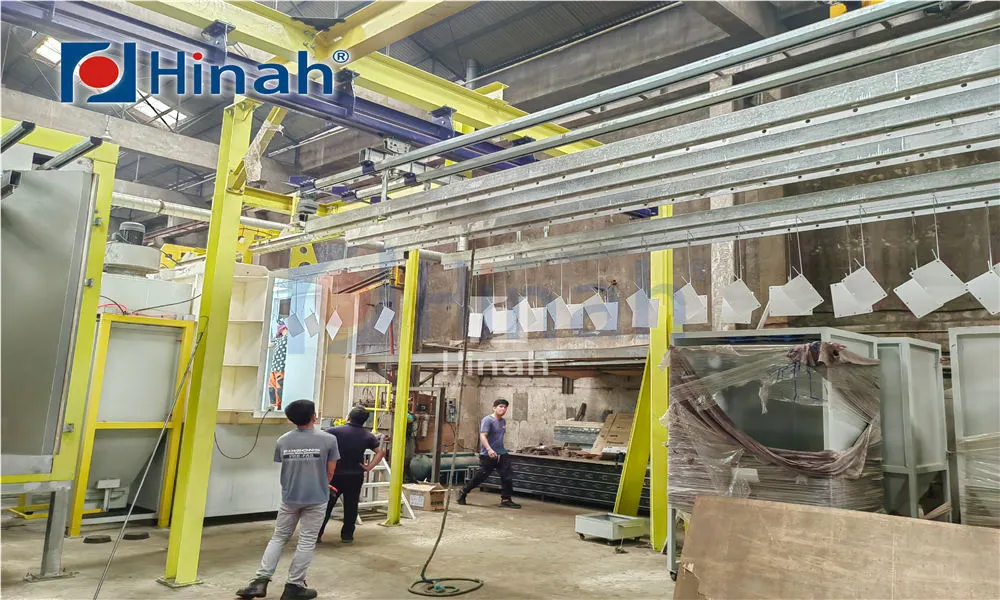
As Industry 4.0 penetrates the finishing sector, the powder coating oven price now includes elements of digital connectivity. Modern curing ovens must integrate with Manufacturing Execution Systems (MES) to log cure schedules for regulatory compliance. For aerospace or defense contractors, this means investing in ovens equipped with paperless recorders and secure data export capabilities.
The additional cost for an oven equipped with a full IoT (Internet of Things) gateway—allowing remote diagnostics and predictive maintenance alerts—ranges from $8,000 to $15,000. While this increases the initial powder coating oven price, it reduces unplanned downtime, which in a high-volume facility can cost $2,000 to $5,000 per hour in lost productivity.
Q1: What is the average powder coating oven price for a small job
shop batch oven?
A1: For a standard walk-in batch
oven measuring 8’ x 8’ x 10’ (W x H x D), with gas-fired convection and basic
digital controls, you can expect a powder
coating oven price range of $45,000 to $75,000. This includes
installation supervision but typically excludes site preparation (concrete pads
and gas line drops). Prices escalate rapidly if you require a higher temperature
rating (over 450°F) or explosion-proof electrical components for coating
volatile substrates.
Q2: How much does it cost to convert a gas-fired oven to electric
infrared?
A2: A full conversion is rarely
cost-effective due to structural differences. However, hybrid “booster”
retrofits (adding IR modules to existing convection ovens) typically cost
between $25,000 and $50,000. This hybrid approach accelerates ramp-up times for
heavy-gauge parts without replacing the entire system. The powder
coating oven price for a hybrid system is usually 15-20% lower than a
new build.
Q3: Why do some powder coating ovens have a higher price for the same
dimensions?
A3: The discrepancy usually lies in the
material thickness and burner modulation. Budget ovens often use 14-gauge steel
for the outer skin and single-stage (on/off) burners, which cause temperature
swings of ±20°F. Premium ovens, like those integrated by HANNA, utilize 10-gauge
steel and fully modulating burners with proportional control, ensuring a stable
cure schedule essential for meeting automotive OEM standards.
Q4: How does conveyor speed affect the overall project cost beyond
the oven price?
A4: While the oven itself is a
static cost, the conveyor integration dictates the length (and thus the price)
of the oven. If your production requires a chain speed of 15 feet per minute
(FPM), the oven must be longer to maintain the necessary 20-minute dwell time
compared to a 7 FPM line. A faster line reduces labor but increases the
powder coating oven price because you require a larger physical
structure and more BTU output to maintain temperature despite the higher mass
flow.
Q5: Is it possible to reduce energy costs on an existing oven without
replacing it?
A5: Absolutely. Retrofitting the
control system is the highest ROI. Replacing outdated on/off controls with a PLC
and PID loop can reduce gas consumption by 12-18%. Additionally, adding VFDs to
the recirculation fans ensures the air movement matches the product load. I have
seen facilities cut their annual gas bill by $8,000–$12,000 simply by replacing
worn-out door seals and upgrading to high-efficiency burner nozzles, effectively
lowering the operational portion of their initial powder coating oven
price liability.