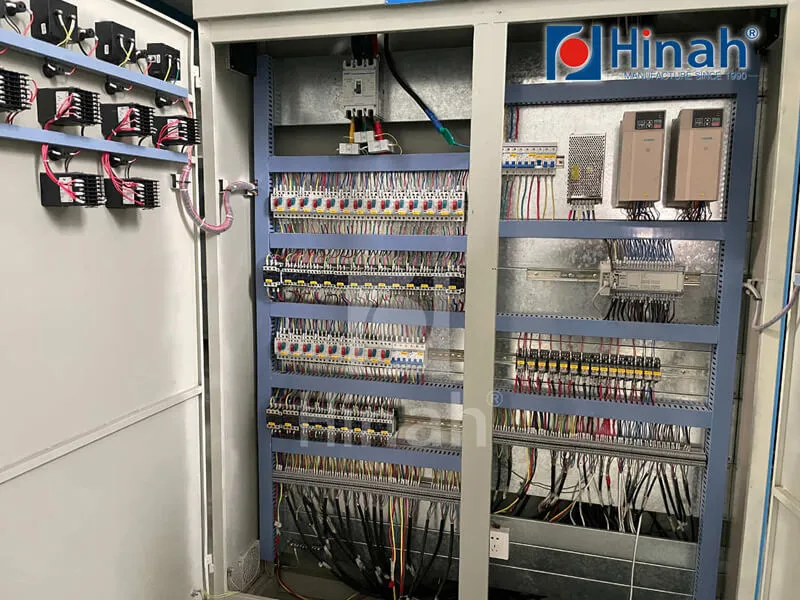

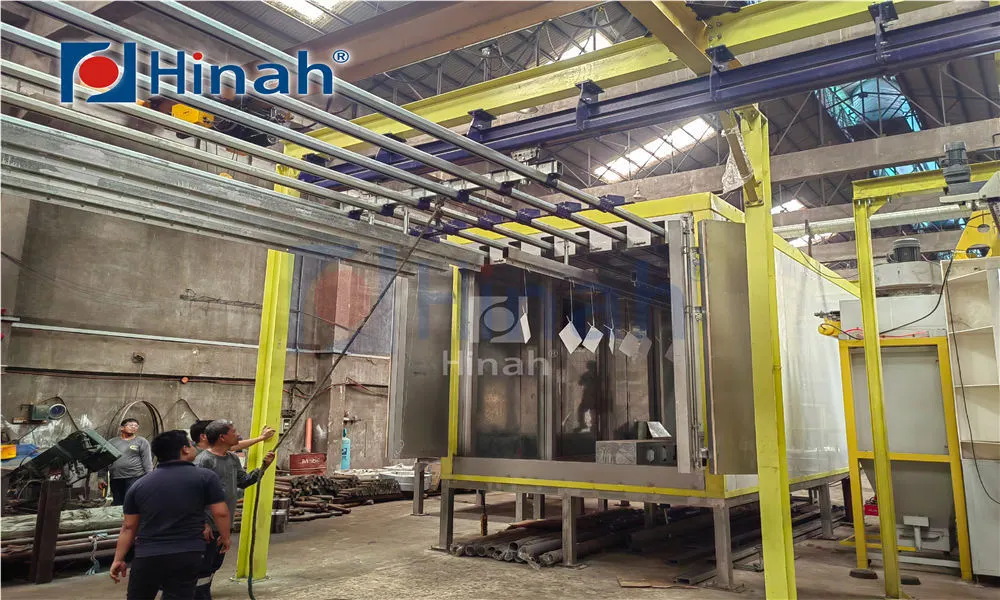
Every powder coating line starts with the powder booth. This is where the magic happens – where dry powder is applied to a part, forming the foundation for a durable finish. But not all booths are the same. The right powder booth directly controls your finish quality, material efficiency, and operator safety.
Choosing incorrectly can mean wasted powder, uneven coats, and constant maintenance headaches. This article explains the different types of powder booths, what to look for, and how to invest wisely.
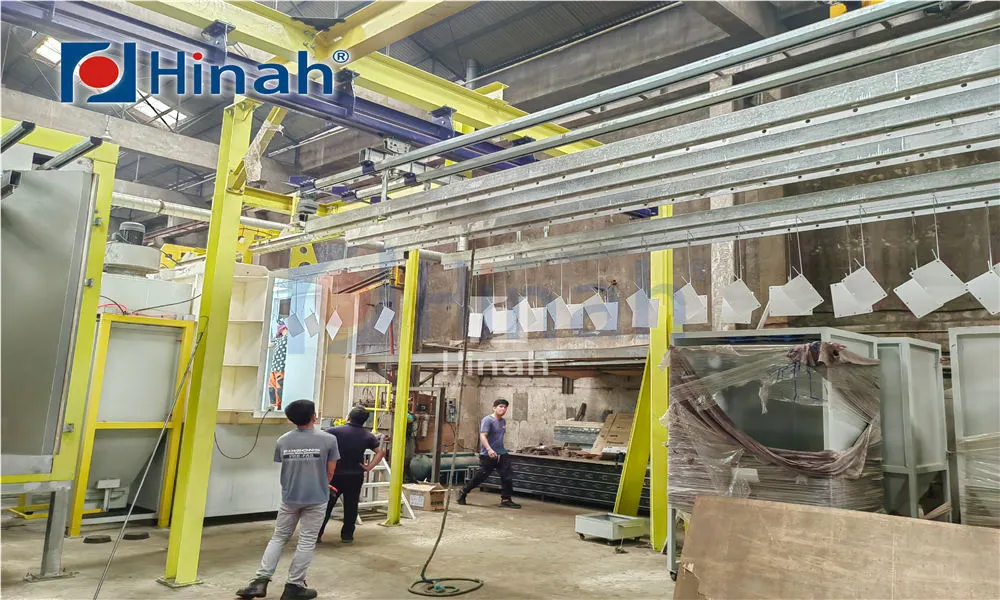
A powder booth is an enclosed or partially enclosed workspace designed for the electrostatic application of powder coating. Its primary jobs are containment, control, and recovery.
It contains the airborne powder overspray within a defined area, protecting the shop environment. It controls airflow to safely direct overspray away from the operator and toward the recovery system. Finally, it facilitates the collection of unused powder so it can often be reused.
This combination ensures a clean application environment, protects worker health, and maximizes your powder material utilization. The efficiency of your powder booth is a major factor in your bottom line.
There are three main designs, each suited for different production volumes and workflows.
Open Face or Bench Booths are the simplest. They have a back and sides with a large open front. A fan pulls air through the booth, carrying overspray to a filter. These are low-cost and great for low-volume shops, prototyping, or touch-up work. However, powder containment is less effective than in closed systems.
Manual Powder Coating Booths are the industry workhorse for job shops and mid-volume production. The operator works inside an enclosed booth, typically with sliding doors or a roll-up curtain. Airflow is carefully engineered (often downdraft) to contain overspray completely. Integrated filter and recovery systems allow for high powder reclaim rates.
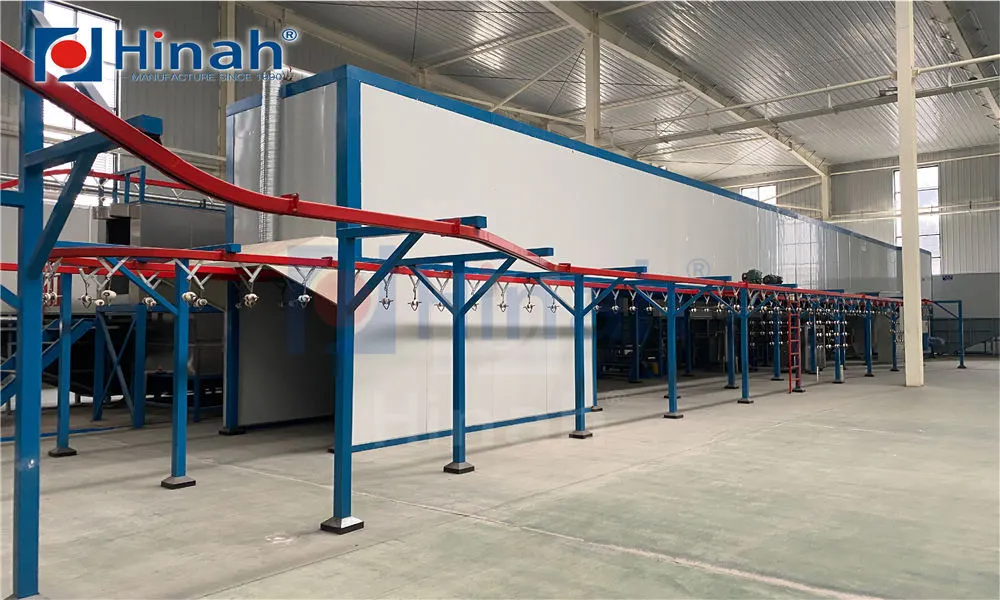
Automatic Powder Booths are designed for high-volume, conveyorized lines. Powder application is done by automatic guns mounted on reciprocators. The booth is a long tunnel, and airflow is precisely tuned to match the conveyor speed. These systems offer the highest transfer efficiency and consistency for repetitive parts.
Airflow Design is the heart of the booth. Laminar (smooth, non-turbulent) airflow is essential. It should uniformly carry overspray away from the part and operator toward the filters without creating eddies that cause uneven application or poor containment. Downdraft and crossdraft are common patterns.
Filter System technology dictates your reclaim efficiency and maintenance schedule. Cartridge filters are standard, with their surface area and media quality affecting how long they last. Some high-production booths use cyclone pre-separators to extend cartridge life. Easy filter access for cleaning or replacement minimizes downtime.
Powder Recovery System works with the filters. A well-designed system uses controlled pneumatic pulses to clean the filters and efficiently transfer reclaimed powder to a sieve and then back to the feed hopper. The goal is to maintain a consistent, fluidized powder supply for reuse.
Construction & Lighting. The interior should be smooth, without ledges where powder can accumulate. Bright, shadow-free lighting (often LED) is crucial for the operator to see coverage clearly. The exterior should be robust, typically fabricated from coated steel.
The initial quote is only part of the story. A cheaper booth can cost far more over three years.
Upfront Costs depend on size, features, and automation level. A small open-face booth may cost a few thousand dollars. A well-equipped manual powder booth from a quality manufacturer like HANNA might range from $20,000 to $60,000. Large automatic tunnels can reach several hundred thousand.
Operating Costs are where quality shines. A booth with high transfer efficiency (less waste) and an efficient recovery system (more powder reused) directly saves on material costs. Energy costs relate to the fan horsepower needed to maintain proper airflow.
Maintenance Costs include filter replacements, wear parts on pumps, and general cleaning. A booth designed for easy service, with common parts, keeps these costs low and predictable over time.
Making the right choice requires an honest assessment of your current and near-future needs.
First, analyze your part mix and volume. What are your largest parts? How many square feet do you coat per day or week? This dictates the interior workspace size and the required airflow volume (measured in CFM).
Consider your powder types and color change frequency. If you do frequent color changes, look for booths with quick-clean features, easy-access filter banks, and efficient internal cleaning processes. A booth designed for a single color is much simpler.
Evaluate available space and utilities in your shop. You need room not just for the powder booth itself, but for part loading/unloading, and access to service the recovery system. Ensure you have the correct electrical supply for the fan and pump motors.
Finally, think about the future. Is your business growing? Some manufacturers, including HANNA, design modular booths that can be expanded or reconfigured later. This protects your initial investment.
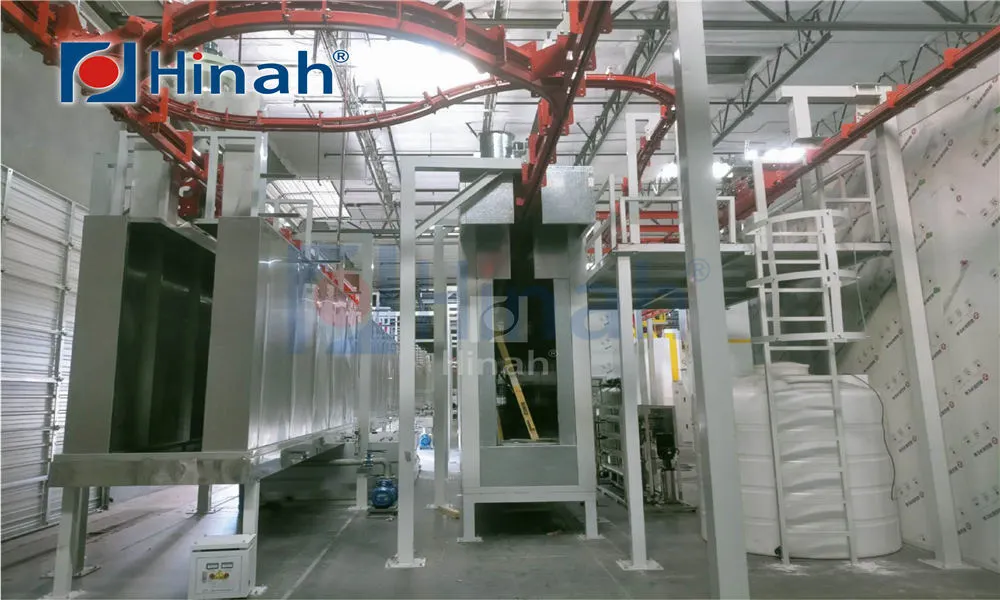
Let’s look closer at the two most important technical aspects.
Proper airflow is calculated based on the booth’s open face area. The goal is to maintain a minimum air velocity (typically 100-150 feet per minute) across all openings to ensure containment. This requires a correctly sized exhaust fan. Too weak, and powder escapes. Too strong, and you waste energy and can disrupt spray patterns.
Filtration is about balance. The filter media must be fine enough to capture powder particles (usually down to 0.5 microns) but porous enough to allow air to pass through without excessive resistance. As filters load with powder, the airflow resistance increases. The automatic pulse cleaning system must be timed to keep this resistance stable, ensuring consistent booth performance throughout a shift.
A powder booth is a precision piece of industrial equipment, not a simple sheet metal box. This is where specialized engineering matters.
A company like HANNA, focused solely on powder coating technology, brings proven designs to the table. Their booths are the result of decades of refining airflow patterns and recovery mechanics. This translates to predictable, high-efficiency performance from day one.
They also provide critical application support. HANNA’s engineers can help you configure the right booth, fan, and recovery package based on your specific parts and goals. This avoids the costly mistake of under- or over-specifying your system.
In conclusion, your powder booth is the core of your coating process. Investing time to understand your options and partnering with a trusted manufacturer will result in a system that improves quality, reduces waste, and operates reliably for years.
Q1: How often do I need to clean the filters in my powder booth?
A1: It depends on usage. Modern cartridge filters in a manual booth with automatic pulsing can often run for a full shift or longer before needing attention. The key indicator is a drop in airflow or a rise in system pressure. Daily checks are recommended, but full cleaning might be a weekly or bi-weekly task based on volume.
Q2: Can I convert a wet paint spray booth into a powder booth?
A2: It is generally not recommended and can be unsafe. Wet paint booths are designed for flammable vapors and use different airflow and filtration (often water wash). They lack the dry powder recovery systems and specific electrical grounding requirements of a powder booth. Retrofitting is usually more costly and less effective than purchasing a purpose-built booth.
Q3: What is the typical lifespan of a well-built powder booth?
A3: With proper maintenance, the structural shell of a quality booth from a manufacturer like HANNA can last 15-20 years or more. Wear components like filters, pumps, and seals will need periodic replacement, much like tires on a car. The longevity heavily depends on the care taken in daily operation and routine service.
Q4: What safety certifications should I look for?
A4: Look for booths built to comply with key safety standards such as NFPA 33 (Standard for Spray Application Using Flammable or Combustible Materials) and OSHA regulations for ventilation (29 CFR 1910.94). Electrical components should be rated for the environment. Reputable manufacturers design and test their equipment to meet these standards.
Q5: How do I determine the correct size powder booth for my parts?
A5: Start by building a mock-up rack that holds your largest or most common part. Measure the dimensions (Width, Depth, Height) and add at least 2-3 feet on all sides for the operator to work and for proper airflow. This gives you the minimum interior workspace size. Always consult with a booth manufacturer for final sizing, as they will factor in required airflow calculations.