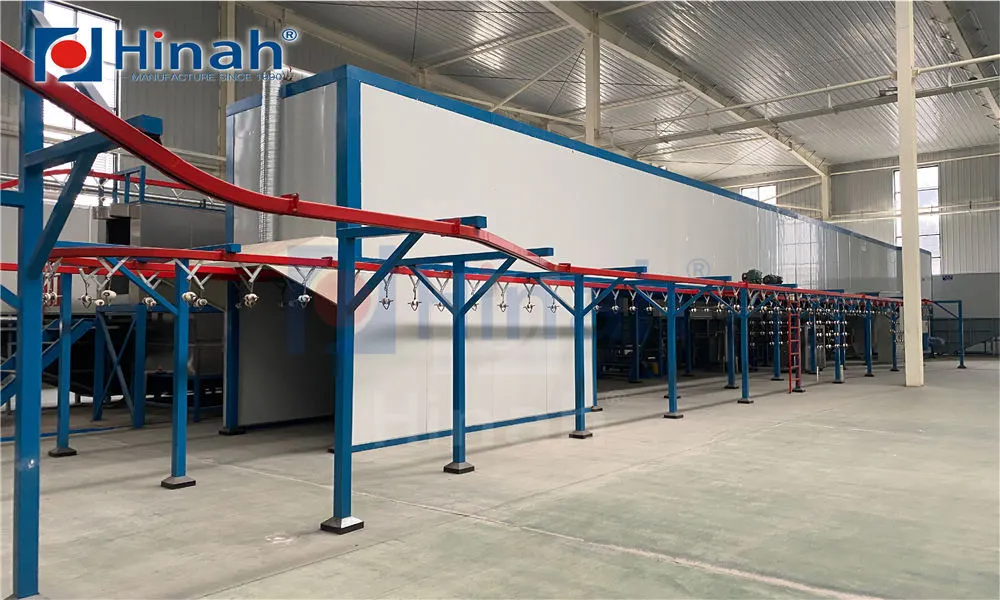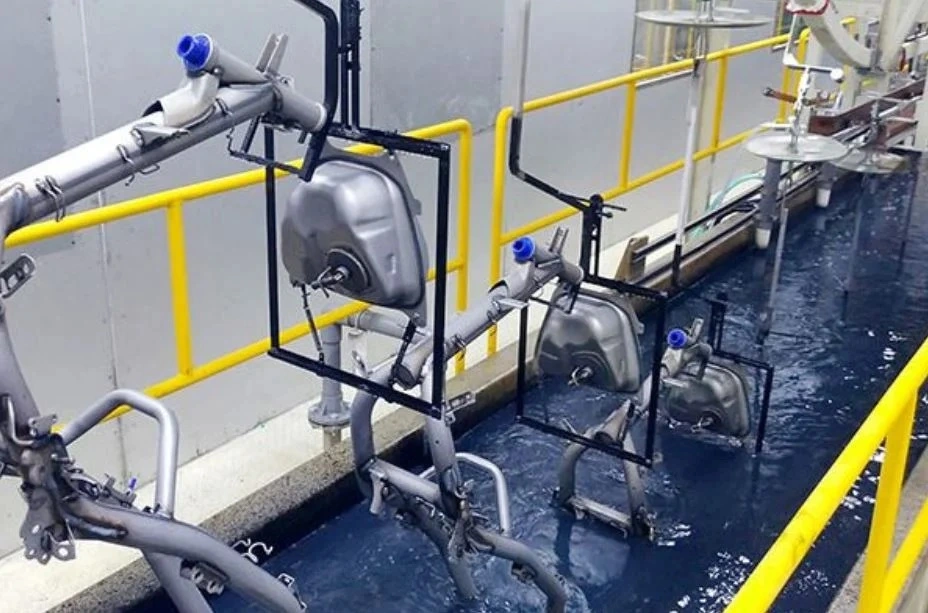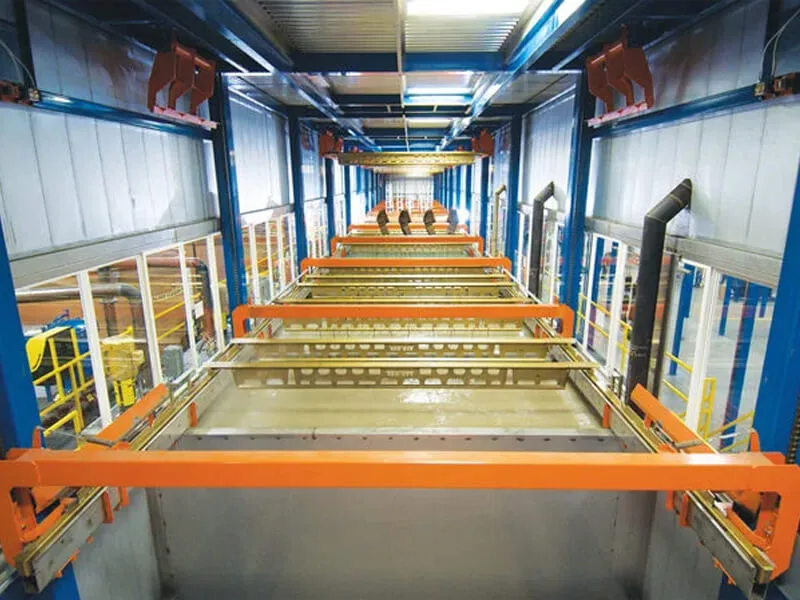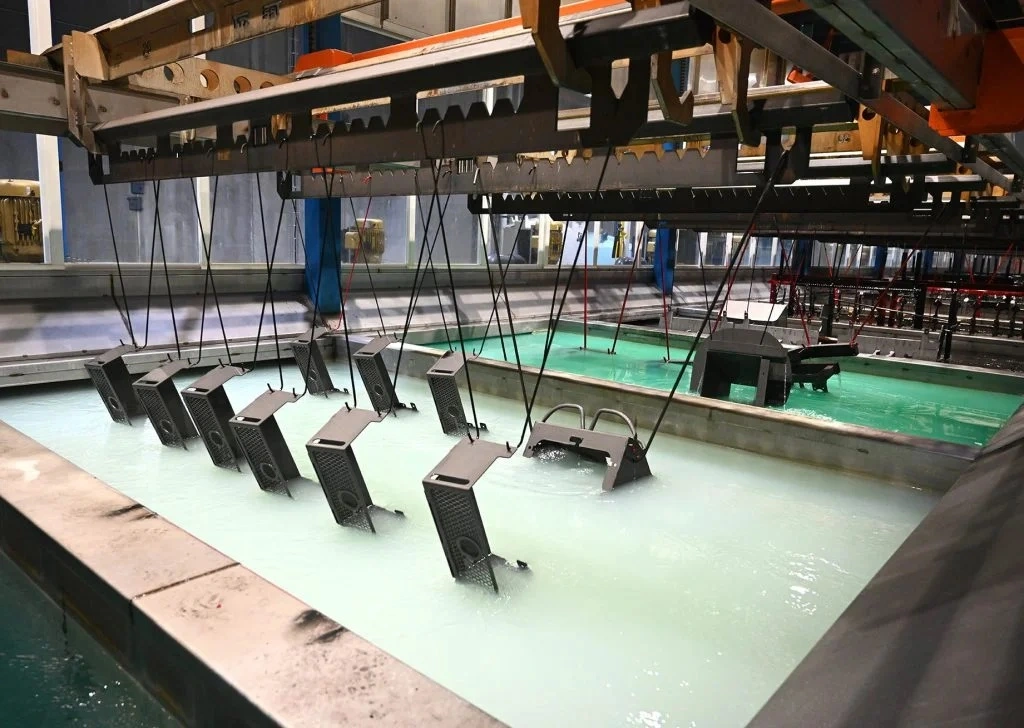

A powder booth is the controlled environment where the magic of powder coating begins. It’s where electrostatically charged powder is applied to a grounded part. The design and quality of this enclosure directly determine transfer efficiency, powder recovery, and overall shop cleanliness. Selecting the right system is one of the most important decisions for your coating line’s performance and profitability.
Not all powder booths are the same. From small batch units to large modular systems, the choice impacts your daily workflow, material costs, and finish quality. This article breaks down the key features, types, and considerations to help you make an informed choice.
The first major decision involves the powder recovery system. This choice defines the booth's operation, maintenance, and best-use application.
A single-stage or open-face powder booth is often used for low-volume, multi-color applications. Powder that does not adhere to the part is typically pulled into disposable after-filters. These booths offer quick color change but have higher powder consumption as overspray is not typically recycled.
A cyclonic recovery powder booth uses a two-stage process. Overspray powder is drawn into a cyclone separator, where centrifugal force directs reusable powder into a collection container. Fine particles are then filtered out. This system offers good recovery rates and is common for medium-to-high production with moderate color changes.
Cartridge-style recovery booths are highly efficient for high-volume, single-color, or long production runs. Overspray is collected on cylindrical cartridge filters. A reverse-pulse cleaning mechanism automatically shakes the powder into a sieve and hopper below for near-continuous recycling. This design maximizes powder reuse and minimizes waste.
Beyond the recovery type, several core components define a booth's capability and durability. These are areas where quality engineering pays long-term dividends.
The enclosure and structure must be robust. Look for heavy-gauge, galvanized steel panels with smooth, rounded corners. This design prevents powder accumulation and simplifies cleaning. A well-built powder booth will feel solid and rattle-free during operation.
Airflow and ventilation are the system's lungs. A balanced downdraft or crossdraft airflow pattern is essential. It must be strong enough to capture overspray but gentle enough not to disturb powder on the part. Proper CFM (cubic feet per minute) calculations, based on your opening size, are non-negotiable for safety and performance.
The filter system is the heart of recovery. High-quality cartridge filters with a high media area ensure consistent airflow and efficient powder collection. Look for features like automatic reverse-pulse cleaning and easy-access filter banks. For cyclonic systems, the cyclone design and construction material affect longevity and efficiency.
Powder is a significant consumable cost. An efficient recovery system directly improves your bottom line by reclaiming overspray. Understanding how it works helps you choose wisely.
In a cyclonic system, powder-laden air enters the cyclone tangentially, creating a vortex. Reusable powder particles are forced to the outer wall and fall into a collection drum. The cleaned air then exits through a final safety filter. Regular checks of the cyclone’s interior for wear are important.
In a cartridge recovery system, air passes through the filter cartridges, which trap the powder on their exterior surface. On a timed cycle, a burst of compressed air pulses from inside the cartridge, dislodging the powder cake into the collection hopper. A sieve module often sifts the powder before it returns to the feed hopper.
Sieving and recycling are the final steps. A vibrating sieve removes contaminants and agglomerates from the reclaimed powder. The clean, sifted powder is then mixed with virgin material in a specific ratio for reuse. This closed-loop system can achieve over 95% transfer efficiency in ideal conditions.
A powder booth is a workhorse, but it requires consistent care. A simple, daily maintenance routine prevents major issues and ensures consistent performance.
Daily tasks include a visual inspection of filters for bridging, checking the fluidization of powder in the feed hopper, and wiping down booth surfaces with a soft brush or cloth. Never use compressed air for routine cleaning inside the enclosure, as it will contaminate the entire area.
Weekly and monthly maintenance should involve emptying and cleaning the recovery hopper, inspecting the sieve mesh for tears or clogs, and checking the condition of the cartridge filters. Monitor the differential pressure gauge on the filter system; a rising pressure indicates filters need attention or replacement.
Color change procedures vary in complexity. A well-designed powder booth will facilitate this process with features like quick-change cartridge banks, cleanable interiors, and dedicated vacuum systems. The speed and cleanliness of your color change directly affect shop throughput and flexibility.
For decades, HANNA has built coating enclosures for demanding industrial environments. A HANNA powder booth is designed not just to perform on day one, but to endure for years with minimal fuss.
We focus on practical durability. Our booths feature reinforced steel frames, abrasion-resistant coatings on internal surfaces, and industrial-grade components. Access panels are logically placed for easy service. We believe maintenance should be simple, not a major production halt.
HANNA offers a spectrum of solutions. From our compact batch powder booths perfect for job shops to our large modular systems with integrated cartridge recovery for automotive suppliers, we tailor the system to the application. Our engineering team works with you to determine the optimal airflow, recovery type, and layout.
Ultimately, investing in a reliable powder booth protects your other investments: your powder inventory, your product quality, and your operator's environment. It’s the foundation of a profitable and sustainable finishing process.
Q1: What size powder booth do I actually need?
A1: The interior width and height should be at least 2-3 feet greater than your largest part’s dimensions. This allows for proper gun movement and airflow. Depth should accommodate the part plus the spray operator. Always plan for future needs, not just current parts.
Q2: How often do filters need to be replaced in a powder booth?
A2: It depends on usage and powder type. Cartridge filters in a system with automatic reverse-pulse cleaning can last 1,000-2,000 operating hours. Final safety filters may last longer. Regularly monitoring the system’s differential pressure is the best way to know when replacement is needed, not a fixed calendar schedule.
Q3: What’s the main difference between a downdraft and a crossdraft powder booth?
A3: Airflow direction. A downdraft booth pulls air from the top, down past the part, and out the floor. This offers excellent overspray capture for tall parts. A crossdraft booth pulls air horizontally across the part opening. It’s often simpler and less expensive but can be less efficient for very deep parts. HANNA can advise on the best configuration for your work.
Q4: Is a powder booth with a recovery system necessary for a small shop?
A4: It is highly recommended. Even for low volume, a recovery system like a small cyclone or cartridge unit saves significant money on powder. It also drastically improves shop air quality and reduces the frequent cleaning required with simple open-face booths and after-filters. The payback period is often short.
Q5: Can I upgrade my existing open-face powder booth to include a recovery system?
A5: Often, yes. Many manufacturers, including HANNA, offer retrofit packages that can add a cyclonic or compact cartridge recovery unit to an existing booth structure. This is a cost-effective way to improve efficiency without replacing the entire enclosure. A site evaluation can determine feasibility.