
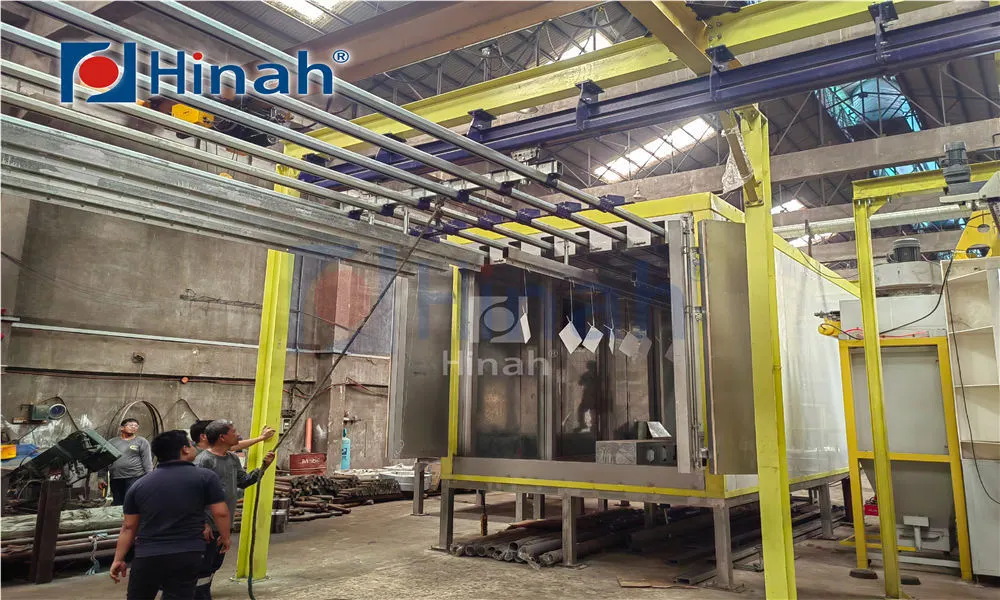
For many shops, a powder coating batch oven is the backbone of their finishing process. Unlike continuous conveyor ovens, batch ovens offer unmatched flexibility. They handle mixed loads, varying schedules, and are often the most practical choice for job shops, prototyping, and medium-volume production.
Choosing the right one, however, is a significant technical and financial decision. The wrong oven can lead to uneven curing, high energy bills, and production bottlenecks. This article breaks down what you need to know when evaluating a powder coating batch oven, from core technology to cost factors.
In simple terms, it’s an industrial oven designed to cure powder-coated parts in discrete, contained loads. Parts are placed on racks or carts, wheeled into the oven, and the door is sealed.
The oven then heats the entire chamber to a specific temperature, typically between 350°F and 450°F (177°C – 232°C). It holds this temperature for a set time—the part’s cure schedule—allowing the powder to chemically cross-link into a hard, durable finish.
Once the cycle is complete, the oven cools, the door opens, and the cured load is removed. A new, uncured batch is then rolled in. This start-stop operation defines the batch process.
The primary benefit is flexibility. You can cure small, delicate parts alongside large, bulky items in the same cycle, provided cure schedules are compatible. This is ideal for shops with diverse customer orders.
Batch ovens also have a smaller physical and financial footprint at startup compared to large conveyorized systems. They allow businesses to scale operations by adding more ovens as needed, rather than overhauling an entire line.
They are excellent for processing high-mix, low-volume work. Job shops and custom coaters benefit immensely from this capability. Maintenance and repair operations also rely on batch ovens for their on-demand curing needs.
When speaking with manufacturers, focus on these core technical aspects. They determine performance and suitability.
Heating Method: Electric elements are clean, precise, and common. Gas-fired (natural or propane) systems have lower operating costs but require proper venting and combustion air. Infrared systems offer fast heat-up for simple geometries but can struggle with complex shapes.
Airflow and Circulation: This is arguably the most critical factor. A high-volume, properly directed airflow ensures even temperature distribution (±10°F or better) throughout the load. Look for robust fan systems and strategic baffling design. Poor airflow creates hot and cold spots, leading to under- or over-cured parts.
Insulation Quality: Thick, high-density insulation (like 4-6 inch mineral wool) retains heat, improves efficiency, and keeps exterior surfaces safe to touch. It directly impacts your energy bills and workplace comfort.
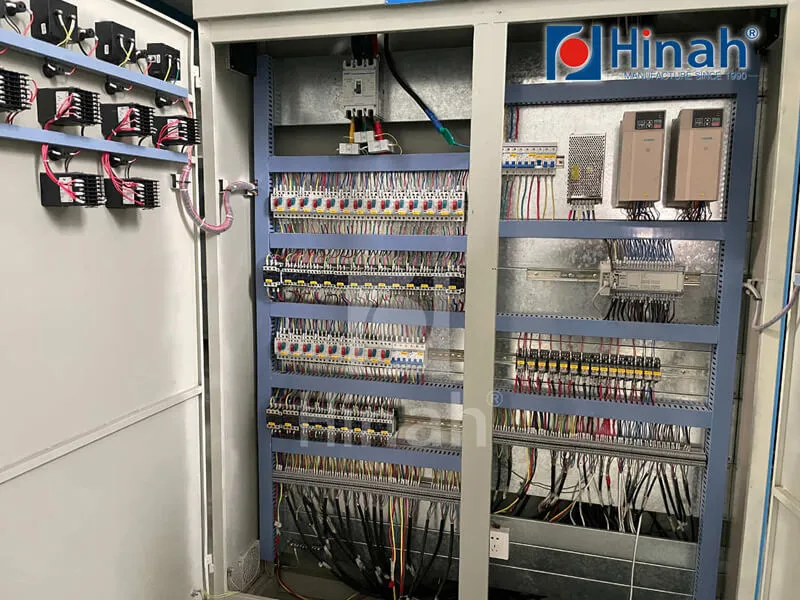
Control System: A modern digital controller is non-negotiable. It should allow precise setpoints for temperature and timer, with a clear display. Programmability for multiple recipes is a major time-saver for shops running different powder types.
The purchase price is just one part of the equation. A smart buyer considers the total cost of ownership.
Upfront costs include the oven itself, any required electrical or gas hookups, and installation labor. Prices vary widely: a small 6’x6’x6’ oven might start around $15,000, while a large, high-performance powder coating batch oven with advanced controls can exceed $80,000.
Operating costs are dominated by energy consumption. An inefficient oven is a money pit. Key factors here are insulation value, the efficiency of the heat source, and the seal on the door. A well-built oven heats up quickly and loses minimal heat during the cycle.
Maintenance costs should also be factored. Ask about the expected lifespan of heating elements, fans, and bearings. Easy access for service is a sign of good design from reputable manufacturers.
Not all ovens are built for the specific demands of powder curing. General-purpose industrial ovens often lack the rigorous airflow engineering required.
Specialist powder coating batch oven manufacturers, such as HANNA, design specifically for this application. HANNA engineers understand the thermal dynamics needed to cure a rack of complex parts uniformly. Their ovens are built with heavy-duty components to withstand the constant thermal cycling of a busy shop.
They also offer critical value in configuration. HANNA can advise on whether a standard cabinet oven, a walk-in style, or a truck-in design is best for your part size and workflow. This expertise prevents costly mismatches between your needs and the equipment you buy.
Beyond basic specs, these features separate adequate ovens from excellent ones.
A robust door seal is vital. It keeps heat in and contaminants out. Look for a latch system that ensures consistent, even pressure on the seal around the entire door perimeter.
Proper ventilation for powder cure by-products is a safety must. Outgassing from certain substrates or powders needs to be safely exhausted. The oven design should facilitate this.
Interior lighting and viewports allow operators to monitor the load without opening the door. A door safety interlock that cuts power when opened is a basic but critical safety feature.
Ease of loading is an underrated efficiency booster. Wide doors, low sills, and compatible rack or cart designs streamline the process, reducing labor time per batch.
Before you commit, run through this list.
In summary, selecting a powder coating batch oven requires balancing technical performance, operational flexibility, and long-term costs. By focusing on airflow, build quality, and partnering with an application-focused manufacturer, you secure a system that delivers consistent, quality results batch after batch.
Q1: What is the typical heat-up time for a medium-sized batch oven?
A1: It depends heavily on insulation and heating power. A well-insulated 8’x10’x8’ electric oven from a quality builder like HANNA might reach 400°F from ambient in 45-60 minutes. Gas ovens often heat up slightly faster. Always ask the manufacturer for specifications based on the exact model.
Q2: Can I cure different types of powder (e.g., polyester and epoxy) in the same batch oven?
A2: Yes, but with caution. You must ensure the cure schedules (time & temperature) are compatible. If one powder cures at 380°F for 10 minutes and another at 400°F for 15 minutes, you must use the more demanding schedule. Always consult the powder manufacturer’s Technical Data Sheet (TDS) and verify with test parts.
Q3: How critical is the oven’s temperature uniformity, and how is it measured?
A3: It is absolutely critical for consistent cure. Industry standards often call for ±10°F (±5.5°C) or better throughout the workspace when empty. Reputable manufacturers perform “heat rise” surveys with multiple thermocouples to map the oven’s performance and will provide this data. This ensures your parts cure evenly, regardless of their position in the load.
Q4: What maintenance does a powder coating batch oven require?
A4: Regular maintenance includes inspecting and cleaning the air circulation fans/filters, checking and calibrating the temperature controller annually, verifying door seals for integrity, and inspecting heating elements for damage. A monthly visual check and a comprehensive annual service are recommended practices to ensure longevity and safety.
Q5: Are there safety systems I should insist on for a batch oven?
A5: Yes. At minimum, look for a high-limit safety thermostat (independent of the main controller) to prevent runaway overheating, a properly rated ventilation system for exhaust, a door safety interlock to cut power when opened, and clearly marked emergency shut-off controls. Compliance with standards like NFPA 86 is a key indicator of safe design.