Every industrial finishing operation knows the feeling. A bottleneck at pretreatment. Inconsistent cure times. Excessive manual handling. Often, the root cause isn't the paint or the spray guns—it's the unseen workhorse: the paint line conveyor.
This system is the central nervous system of your coating line. A well-engineered paint line conveyor does far more than move parts. It dictates your throughput, quality, and ultimately, your profitability.
Choosing the right system is a strategic decision. This guide will walk you through the critical considerations, types, and benefits of optimizing your conveyor for both liquid and powder applications.
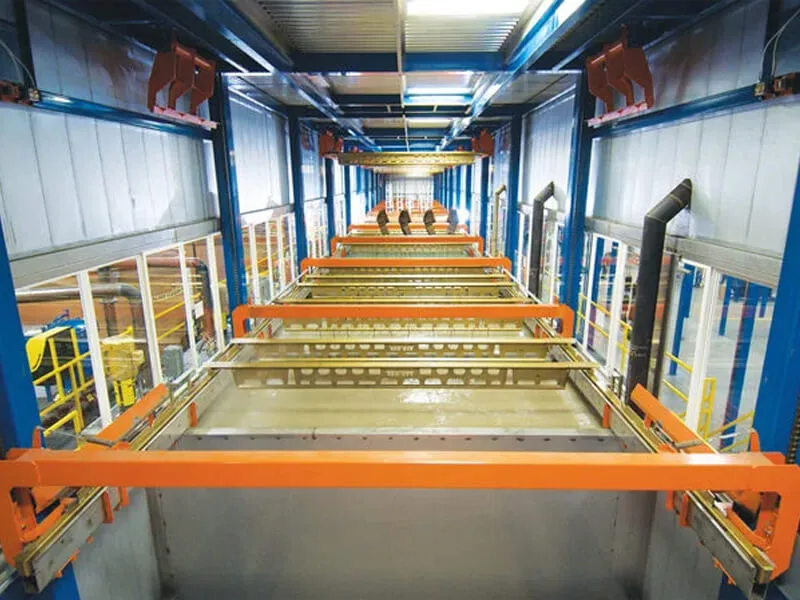
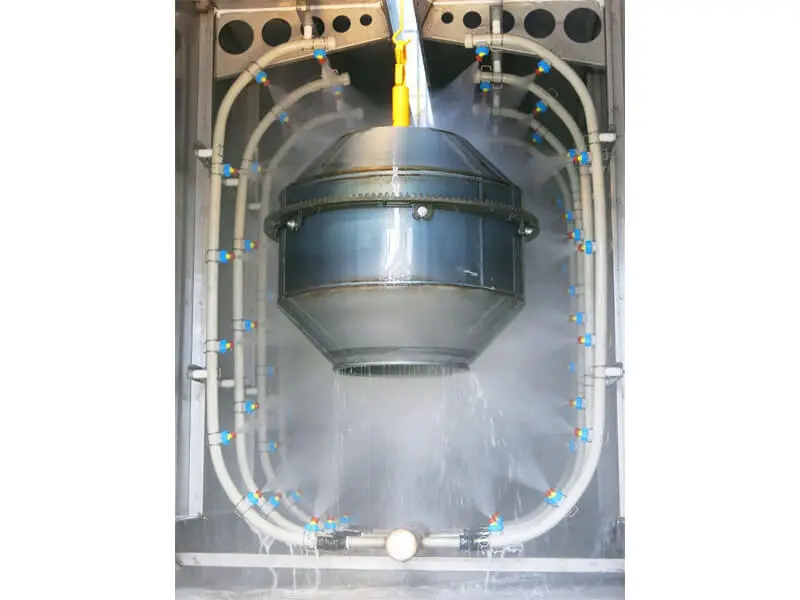
Think of your conveyor system as the precision timer for your entire process. It controls dwell times in washers, dry-off ovens, spray booths, and cure ovens. Even minor inconsistencies in speed or movement can ruin finish quality.
A jerky or poorly aligned conveyor causes part sway. This leads to uneven film thickness, runs, or dry spray. For powder coating, it can cause inconsistent electrostatic wrap. Your conveyor is the foundation of repeatable, high-quality results.
Selecting a system isn't one-size-fits-all. You must analyze several factors:
Part Profile: Weight, dimensions, shape, and how parts are racked. Heavy fabrication demands a different system than small brackets.
Process Stages: Does your line include cleaning, phosphating, drying, cooling, and multiple coating zones?
Production Volume & Speed: Required line speed (feet per minute) directly determines conveyor load and drive power.
Facility Constraints: Ceiling height, floor space, and existing infrastructure are major limiting factors.
Future Flexibility: Will you be coating different parts in the future? Planning for adaptability saves major costs later.
The three primary paint line conveyor types serve distinct purposes.
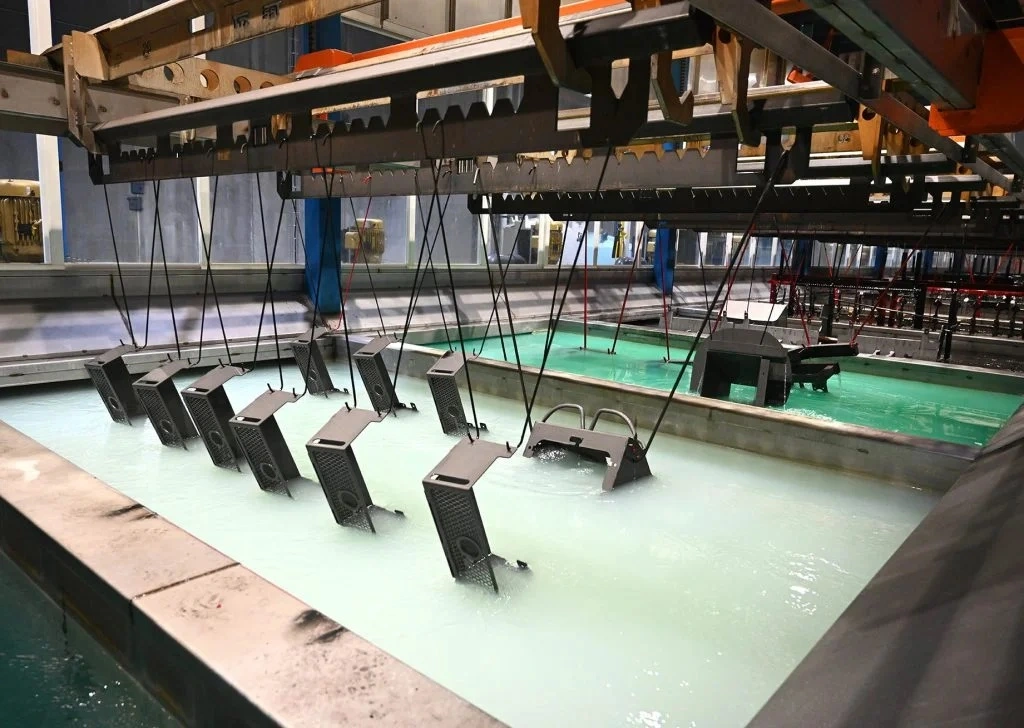
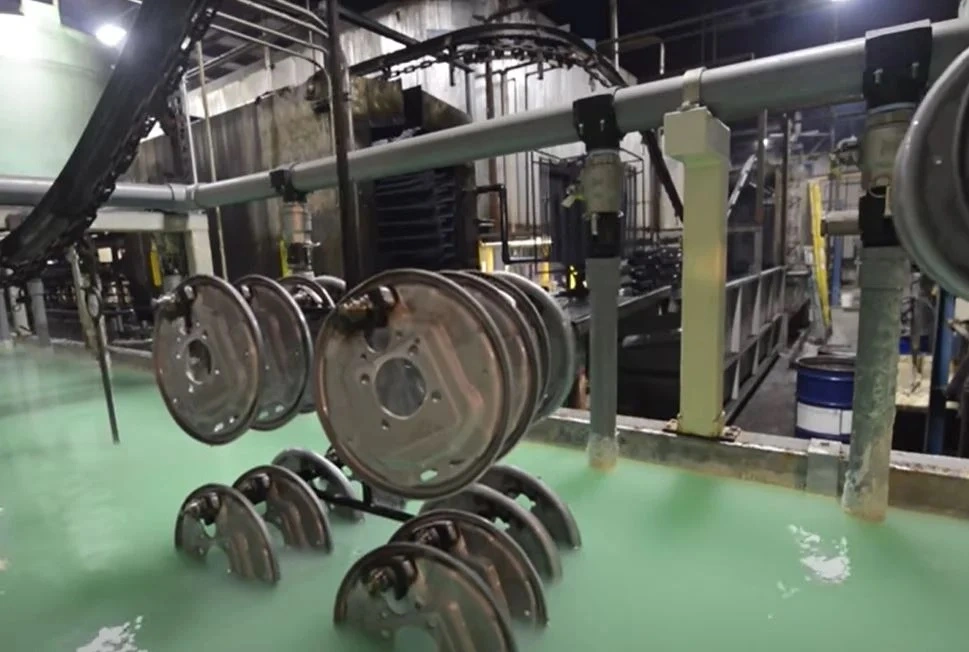
Overhead Monorail Conveyors are the most common. They utilize I-beam tracks suspended from the ceiling, saving critical floor space. They are excellent for high-volume, continuous flow operations and can navigate complex paths with vertical loops.
Inverted (Drop-Load) Conveyors place the track and drive system below the load bar. This offers superior stability for heavy, bulky, or awkward parts like truck frames or industrial equipment. It minimizes part swing for a smoother ride.
Floor-Mounted Conveyors (like chain-on-edge or roller bed) are ideal for extremely heavy loads or where overhead support isn't feasible. They are often used in conjunction with overhead systems for specific line segments.
At HANNA, we believe your conveyor should be engineered for your unique process, not the other way around. We specialize in custom paint line conveyor systems.
Our process starts with a deep dive into your operation. We analyze your part mix, production goals, and facility layout. Then, we design a system that integrates seamlessly.
Whether you need a robust overhead conveyor for agricultural equipment or a precision power-and-free system for mixed-batch automotive parts, HANNA delivers. Our focus is on creating a reliable, efficient backbone for your finishing line.
Downtime is the enemy of production. A reliable conveyor system requires proactive maintenance. Key tasks include daily chain lubrication, regular inspection of trolley wheels and bearings, and monitoring drive motor performance.
Preventative maintenance schedules are crucial. Catching a worn sprocket or misaligned track early prevents catastrophic line stoppages. HANNA provides comprehensive maintenance manuals and training with every system we install.
Integration: The Heart of an Automated Paint Line
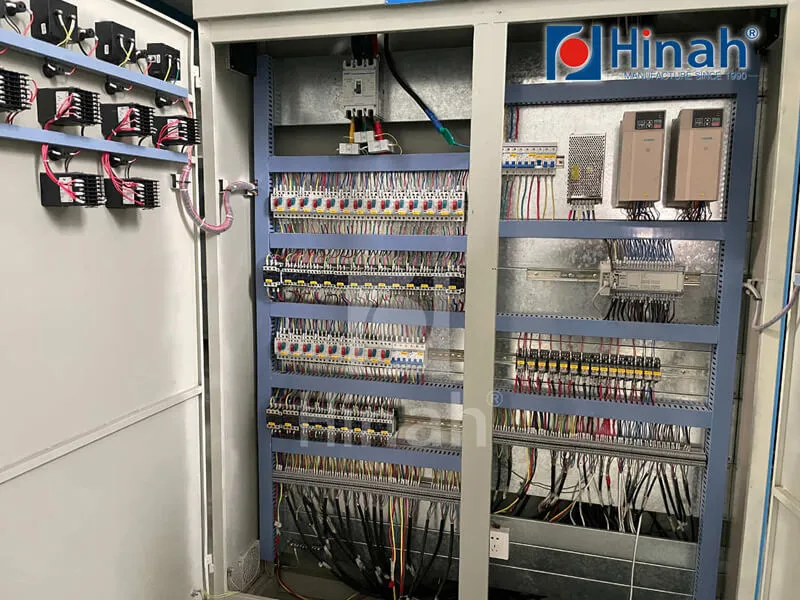
Modern finishing lines are highly automated. Your paint line conveyor must communicate seamlessly with other equipment. This includes automatic spray guns, oven controllers, and plant-wide Manufacturing Execution Systems (MES).
Advanced systems use RFID or barcode tracking. This allows the line to automatically adjust recipes, gun settings, and cure times based on the specific part being conveyed. This level of automated conveyor system integration is key to Industry 4.0 and smart factory goals.
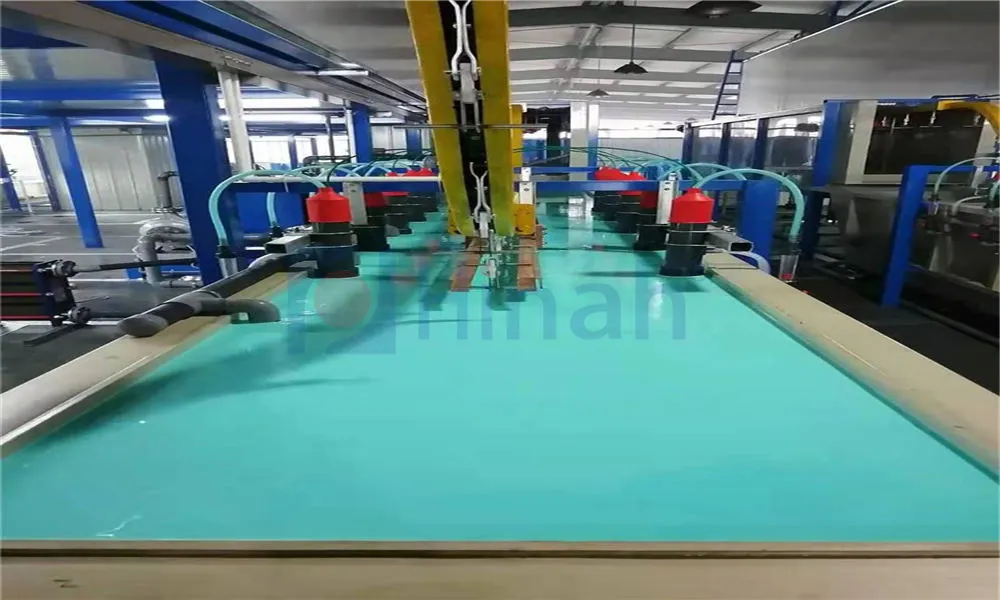
View your conveyor as a profit center, not just a cost. The right system pays for itself through:
Increased Throughput: Eliminating bottlenecks speeds up the entire line.
Reduced Reject Rates: Stable, consistent part movement improves finish quality.
Lower Labor Costs: Automated transfer and loading reduce manual handling.
Energy Savings: Optimized dwell times in ovens reduce fuel or electricity use.
Material Savings: Precise speed control minimizes overspray.
A custom-designed conveyor from HANNA maximizes these returns by ensuring every component is sized and specified for your exact needs.
Your paint line conveyor is a long-term investment. It is the single most important piece of infrastructure determining the efficiency and capability of your coating operation.
Partnering with an experienced engineer like HANNA ensures you get a system built for durability, efficiency, and growth. Don't let an outdated or poorly sized conveyor limit your potential. Let's engineer the solution that drives your productivity forward.
Q1: What’s the main difference between an overhead and an inverted paint line conveyor?
A1: The key difference is load placement. An overhead conveyor carries the load from an I-beam track above, which is great for saving floor space. An inverted (or drop-load) conveyor has the load suspended from a trolley that runs on a track below it, offering much greater stability and less swing for heavy or large parts.
Q2: How often does a paint line conveyor system require major maintenance?
A2: This depends on usage and environment. Heavy-use lines may need a professional inspection and major lubrication servicing quarterly. However, daily visual checks and automated chain lubrication are essential. HANNA provides a detailed maintenance schedule tailored to each specific system we install to prevent unplanned downtime.
Q3: Can I retrofit or upgrade my existing paint line with a new conveyor system?
A3: Absolutely. Retrofits are common. HANNA often evaluates existing lines to upgrade drives for energy efficiency, replace worn chains, add automated controls, or extend system length. A retrofit can dramatically improve performance without the cost of a complete new line build-out.
Q4: What factors most influence the cost of a custom paint line conveyor?
A4: The primary cost drivers are system length and complexity, required load capacity (chain rating), the type of system (standard vs. power-and-free), the level of automation/controls needed, and site-specific installation challenges. HANNA provides transparent quotes that detail how each factor impacts the final investment.
Q5: How does the conveyor system specifically impact my paint or powder coating quality?
A5: It is fundamental. The conveyor controls the exact speed and stability of the part past the spray guns. Inconsistent speed causes uneven film build. Part sway changes the gun-to-part distance, leading to defects. A precise, stable conveyor system ensures optimal application conditions for perfect finish quality, batch after batch.