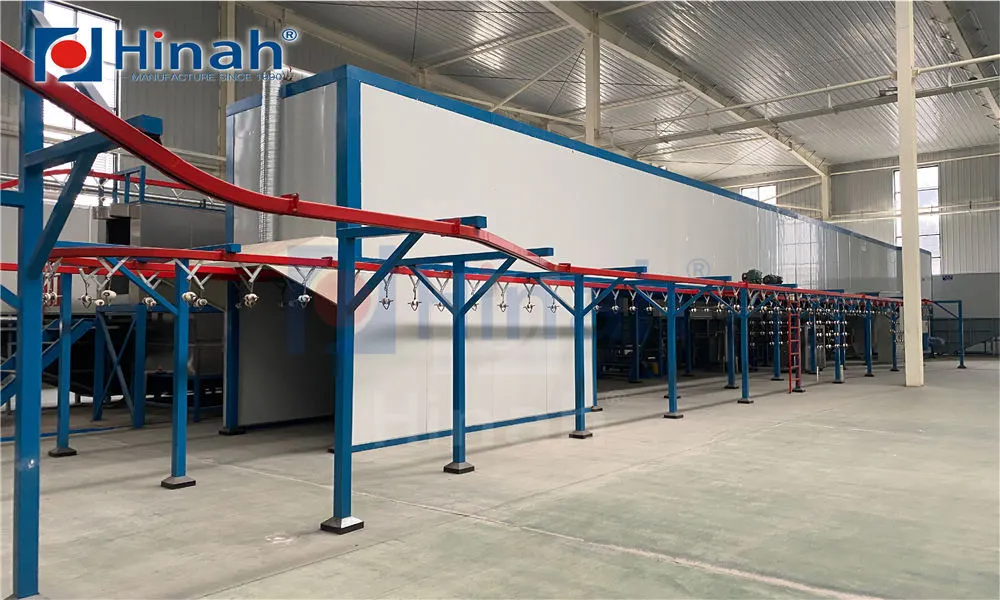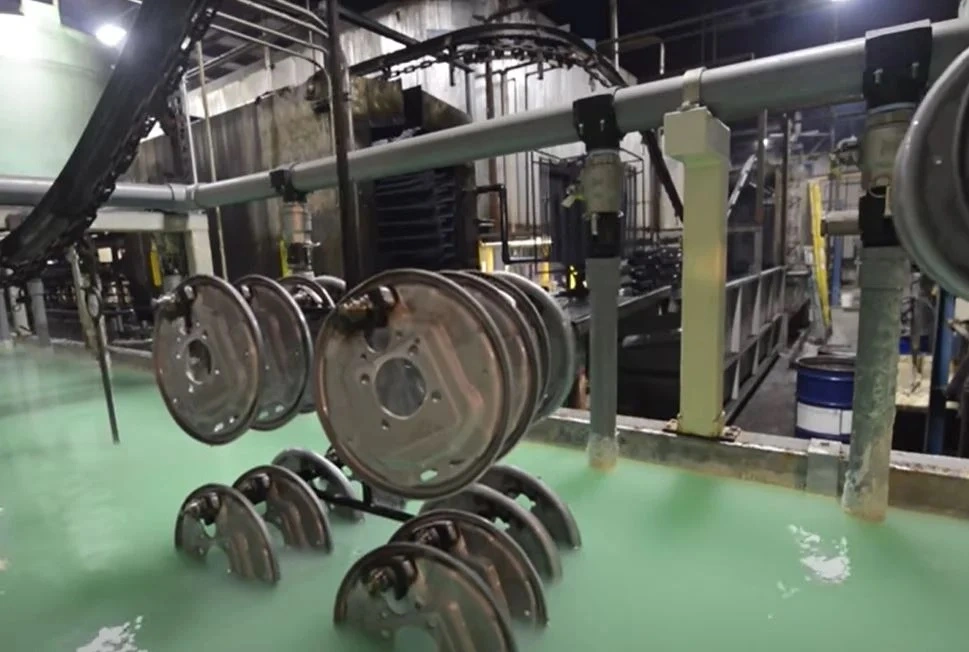
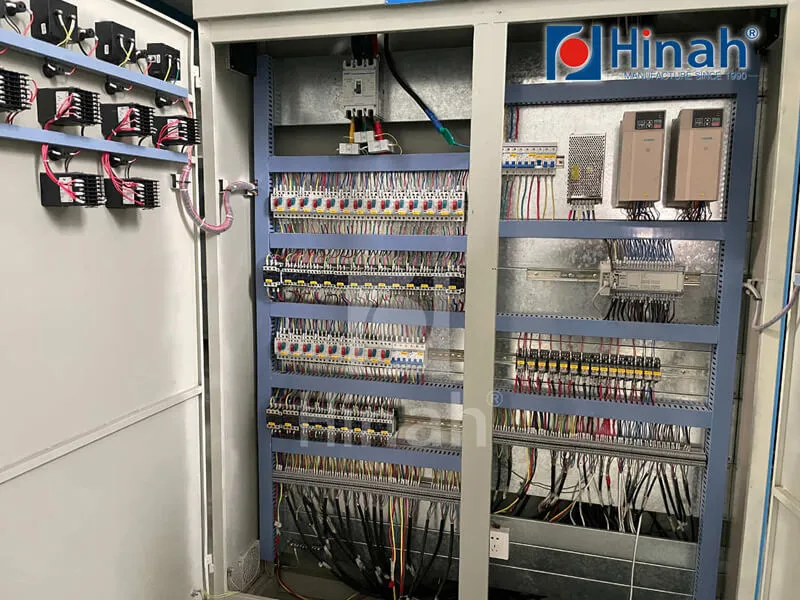

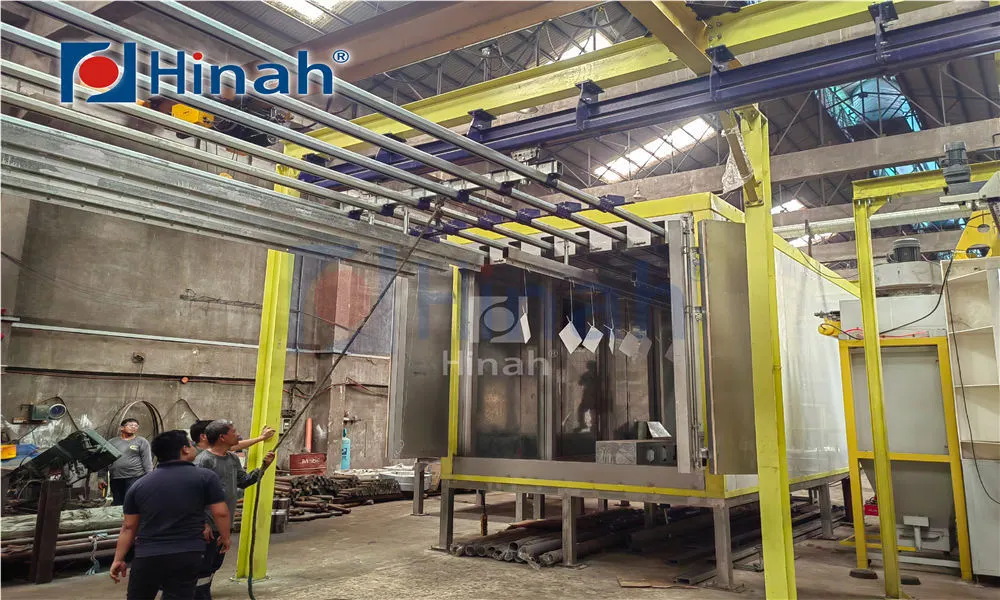
The industrial powder coating oven represents the final and most consequential stage in the powder coating process. While application equipment determines film uniformity, it is the curing oven that dictates whether that film achieves full cross-linking, proper adhesion, and long-term corrosion resistance. Across hundreds of facility audits and line designs, I have observed that the most persistent quality issues—orange peel, poor impact resistance, and inconsistent gloss—trace directly to inadequate control over the thermal cure cycle. An industrial powder coating oven is not a simple heating chamber; it is a precisely engineered system of heat transfer, airflow management, and energy recovery that must accommodate variable part geometries, substrate thermal masses, and production throughput requirements. This article provides a rigorous examination of the technical specifications, design principles, and performance metrics that define high-reliability curing systems for industrial applications.
For plant engineers and operations leadership, the selection or retrofit of an industrial powder coating oven requires evaluating thermal uniformity, energy intensity, and integration with upstream application equipment. Below, we dissect the engineering parameters that separate standard equipment from high-performance thermal processing systems.
Industrial curing ovens fall into three primary categories, each with distinct heat transfer mechanisms suited to specific production environments.
Direct-fired gas convection ovens remain the industry standard for high-volume, mixed-load operations. The engineering focus centers on airflow uniformity and temperature stratification. Key design parameters include:
Airflow Velocity and Pattern: Recirculated air velocities typically range from 2.5 to 5.0 m/s at nozzle discharge. CFD modeling ensures that velocity variations across the conveyor width remain within ±10% to prevent uneven heating or powder disturbance.
Zone Separation: Multi-zone configurations (typically 3 to 5 zones) allow independent temperature control, enabling precise ramp rates of 5–15°C per minute. This is critical for substrates prone to outgassing, such as castings or welded assemblies.
Insulation Standards: High-density mineral wool insulation (150–200 mm thickness) with thermal break construction reduces skin temperature to ambient +15°C and minimizes heat loss. Older ovens with degraded insulation can lose 20–30% of input energy through shell radiation.
Infrared ovens use electromagnetic radiation to heat substrates directly, bypassing the air boundary layer. This technology is advantageous for:
Thin-walled substrates such as aluminum extrusions where rapid heating prevents sagging.
High-mix, low-volume lines requiring frequent startups and shutdowns, as IR systems reach operating temperature in seconds rather than minutes.
Selective curing using medium-wave (2–4 µm) or short-wave (1–2 µm) emitters to concentrate energy on specific part zones while leaving conveyor components cooler.
Modern industrial installations increasingly deploy hybrid systems: an IR pre-gel zone that immediately sets the powder layer, followed by a convection soak section that ensures complete cross-linking throughout the substrate thickness. This configuration reduces overall oven length by 25–35% compared to pure convection designs.
Every thermoset powder formulation has a defined cure window—the combination of substrate metal temperature and dwell time required for complete polymerization. For standard TGIC polyester powders, this is typically 10 minutes at 200°C metal temperature. An industrial powder coating oven must maintain these conditions within a tolerance of ±5°C across the entire conveyor load.
Mixed loads containing both thin-gauge sheet metal (2 mm) and thick castings (15–20 mm) absorb heat at different rates. Without adaptive controls, the thin parts may reach cure temperature rapidly and begin over-curing while thick sections remain under-cured. Advanced systems address this through:
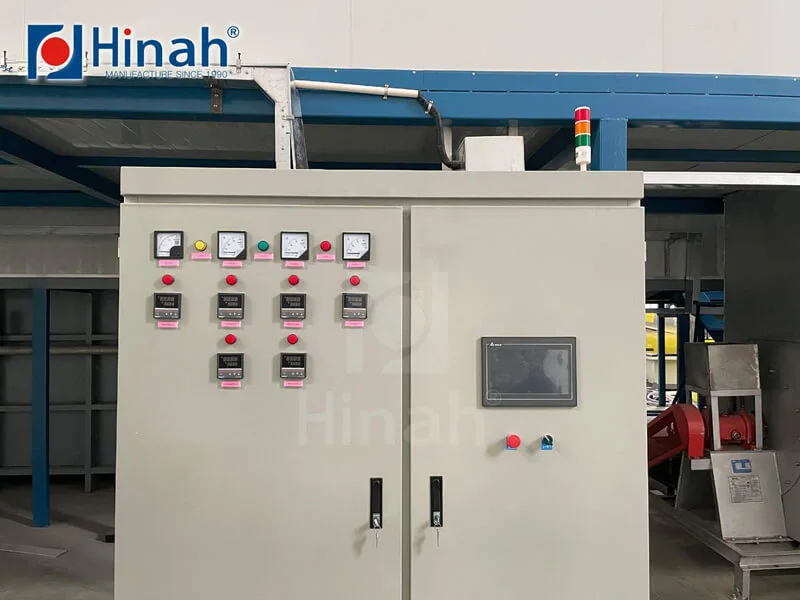
Variable-Frequency Drive (VFD) Control: Modulating burner output based on real-time thermocouple feedback rather than simple on/off cycling. VFD-equipped ovens maintain temperature stability within ±2°C and reduce gas consumption by 12–18%.
Predictive Load Profiling: Using conveyor-mounted thermal profilers to measure part temperature curves in real time, adjusting zone setpoints or conveyor speed dynamically to maintain consistent cure across mixed loads.
Parts with porosity (castings, welded seams) or those coated with hybrid powders require controlled outgassing to prevent pinholes. Multi-zone ovens incorporate a low-temperature zone (120–140°C) at the entry, allowing volatiles to escape before the powder gels. This zone also reduces the risk of “boiling” where entrapped air expands through the molten film.
Energy consumption represents the largest variable cost in industrial coating operations. Modern industrial powder coating oven designs focus on reducing kilowatt-hours per square meter cured.
Traditional on/off burner controls create temperature oscillations of ±10–15°C. Modulating burners with electronic ratio control maintain precise air-to-fuel stoichiometry across the entire firing range, achieving combustion efficiencies of 82–85% compared to 75–78% for older systems. The result is more stable temperature profiles and reduced fuel consumption.
Industrial ovens require continuous exhaust to remove volatile organic compounds (VOCs) and maintain safe operation. However, this exhaust carries significant thermal energy. Cross-flow plate heat exchangers or run-around coil systems can recover 50–65% of exhaust heat, pre-heating makeup air or supplying thermal energy to booth climate control systems. For a two-shift operation, heat recovery systems typically achieve payback within 12–24 months.
Empty conveyor sections represent wasted energy. Modern control systems
integrate with upstream booth PLCs to reduce oven setpoints to standby
temperature (typically 120–140°C) during extended gaps, then initiate rapid
recovery ramps when parts are detected. This strategy reduces idle energy
consumption by 60–70%. Different industrial sectors impose distinct requirements on industrial
powder coating oven design. Vertical ovens are preferred for profiles up to 8 meters in length. These
systems minimize conveyor footprint and eliminate sagging risks associated with
horizontal transport. Uniformity requirements per Qualicoat standards mandate
±5°C across the entire vertical height, achieved through adjustable air
distribution plenums and multiple zone sensors. Tier-1 automotive suppliers require full traceability per IATF 16949. Ovens
for wheels, chassis components, and underbody parts feature: Redundant temperature sensors at entry, mid-point, and
exit, with automatic conveyor stop if any zone falls outside the specified cure
window. Integrated data logging that records time-at-temperature
for each batch, linking to part RFID tags for complete process
documentation. Multi-stage profiles: Degassing zone, rapid ramp, soak, and
controlled cool-down to preserve mechanical properties of aluminum
substrates. Components with thick steel sections (up to 25 mm) require extended dwell
times to ensure the metal core reaches cure temperature. High-velocity
impingement nozzles with velocities of 10–15 m/s are used to overcome boundary
layer resistance. Ovens for this sector are often designed with floor-mounted
rail conveyors and pneumatically operated doors to accommodate oversized parts
loaded via overhead crane. An industrial powder coating oven represents a 15–20 year capital asset.
Proactive maintenance strategies directly impact operating costs and production
availability. Sensors on burner flame rods, combustion blower amperage, and conveyor
bearing vibration feed into predictive algorithms that schedule maintenance
before failures occur. Common failure modes include: Recirculation fan imbalance: Detected through vibration
analysis, preventing bearing failure that could cause unscheduled downtime. Heat exchanger fouling: Monitored via pressure drop across
the exchanger, scheduling cleaning before efficiency drops below
threshold. Thermographic inspections every 6–12 months identify insulation degradation
and air leakage. A 5% increase in oven skin temperature typically corresponds to
a 3–4% increase in fuel consumption. Replacing deteriorated door seals and
insulation panels yields rapid payback. HANNA provides comprehensive engineering support for
industrial powder coating oven systems, from initial CFD modeling to
installation and ongoing performance monitoring. Their turnkey approach ensures
that thermal processing equipment is optimized for both energy efficiency and
process reliability, integrating seamlessly with upstream application
systems. In summary, the industrial powder coating
oven is a critical determinant of coating quality, energy cost, and
production throughput. Engineers and operations leaders must evaluate thermal
uniformity, control architecture, energy recovery options, and predictive
maintenance capabilities when selecting or upgrading curing equipment. When
properly specified and maintained, an industrial powder coating oven delivers
consistent first-pass yields exceeding 97% and operates at predictable lifecycle
costs over decades of service. Q1: What is the acceptable temperature uniformity range for an
industrial powder coating oven? A1: For most powder coating applications, temperature
uniformity across the working zone should be within ±5°C (9°F) of the setpoint.
This is measured using a loaded conveyor with 9 to 20 thermocouples positioned
at strategic locations (top, bottom, leading, trailing edges) throughout the
oven. Tighter tolerances of ±3°C may be required for automotive or aerospace
components where film properties must be verified against stringent
specifications. Q2: How do I determine whether my parts are reaching the correct
metal temperature for full cure? A2: The only reliable method is to use a thermal profiling
system—a data logger equipped with thermocouples that travels through the oven
on the conveyor with production parts. The profiler records metal temperature
versus time. Compare this curve against the powder manufacturer’s technical data
sheet (TDS), which specifies the required time at metal temperature (e.g., 10
minutes at 200°C). Many facilities discover that their parts are under-cured due
to the difference between air temperature and metal temperature. Q3: Can I retrofit an existing convection oven with infrared emitters
to improve performance? A3: Yes. Hybrid retrofits are a cost-effective way to
increase line speed or improve cure consistency. Adding a short-wave IR zone at
the oven entry provides rapid gelation, reducing sagging on vertical surfaces
and allowing for faster conveyor speeds. The IR section can be designed as a
modular addition that integrates with existing oven controls. Companies like
HANNA offer engineered retrofit packages with
CFD-validated airflow integration to ensure no disruption to existing convection
zones. Q4: What is the typical energy consumption range for a
well-maintained industrial gas-fired convection oven? A4: For a modern, properly insulated convection oven
operating at 200°C with full loads, energy consumption typically ranges from 0.8
to 1.2 kWh per square meter of coated surface. Older ovens with on/off burners
and degraded insulation often consume 1.5–2.0 kWh/m². Adding a heat recovery
system can reduce net consumption by 15–20%, bringing the most efficient systems
below 0.7 kWh/m². Q5: How frequently should temperature uniformity testing be performed
on an industrial powder coating oven? A5: Temperature uniformity should be validated at least
quarterly, or whenever significant changes occur: after burner maintenance,
after insulation repairs, or when the production mix shifts to parts with
substantially different thermal mass. For facilities operating under IATF 16949
(automotive) or AS9100 (aerospace), more frequent testing—typically monthly—is
required to maintain certification. All testing should be documented with
profiler data and corrective action logs. For engineering consultation, thermal profiling services, or to explore
turnkey industrial powder coating oven solutions, visit HANNA’s industrial
finishing systems portal for detailed specifications, case studies,
and performance data on high-efficiency curing equipment.4. Industrial Application Verticals and Oven Configurations
4.1 Architectural Aluminum and Extrusions
5. Maintenance, Reliability, and Lifecycle Cost Management
5.1 Predictive Maintenance Systems
5.2 Insulation and Seal Integrity
Frequently Asked Questions (FAQ) on Industrial Powder Coating Ovens