
In many industrial finishing operations, the drying stage is a critical yet sometimes overlooked bottleneck. Selecting the correct paint drying ovens is not a matter of simply applying heat. It is a precise engineering decision that directly impacts production speed, finish quality, and energy costs. Whether you are drying water-based coatings, solvent-borne paints, or pre-treatment wash primers, the wrong oven can lead to defects, wasted energy, and constrained throughput. This article breaks down the key considerations and technical factors you must evaluate to specify paint drying ovens that deliver reliability and performance. With insights from HANNA's experience in thermal process engineering, we'll look at what separates an adequate drying system from an exceptional one.
The role of these ovens extends beyond evaporation. They must prepare the substrate for the next stage, whether that's a subsequent coat or final packaging, without introducing flaws.
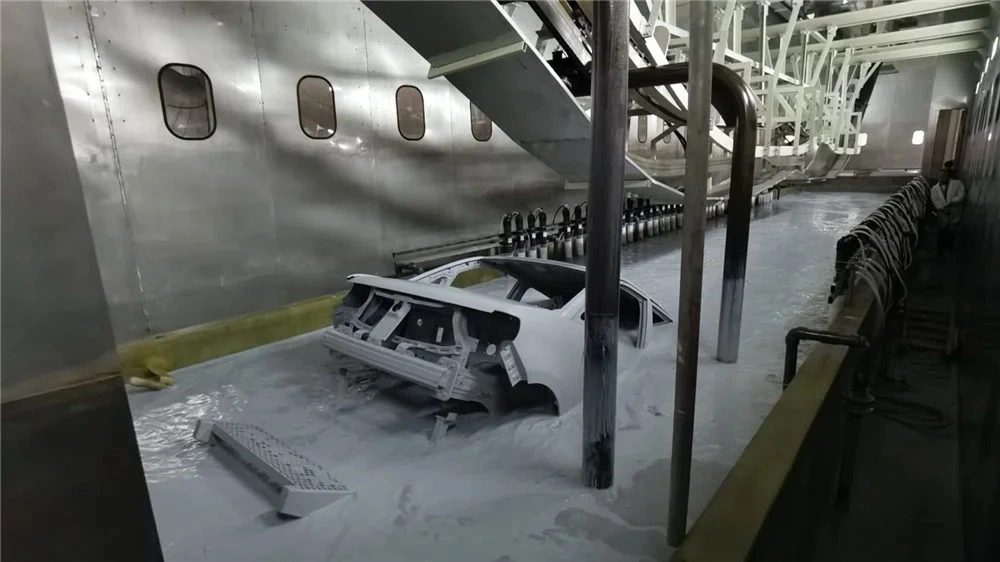
Understanding the basic principle is essential. Industrial paint drying ovens primarily use convection heat transfer. Heated air is circulated around the parts at a controlled velocity and temperature.
This airflow carries heat energy to the coated surface, raising the temperature of both the paint film and the substrate. As the temperature rises, solvents or water within the coating begin to evaporate.
The oven's ventilation system then exhausts these vapors, maintaining a safe atmosphere and allowing fresh air to continue the drying process. Uniform airflow is the single most important factor in achieving consistent, defect-free drying across a full rack of parts.
Without this consistency, you get uneven drying, which manifests as spots of tackiness or differential gloss.
A common point of confusion is the difference between paint drying ovens and powder coating curing ovens. They are not interchangeable, and using the wrong process will result in failure.
Paint Drying Ovens primarily facilitate physical evaporation. They remove the liquid carriers (solvents or water) from a coating, leaving behind a dry-to-touch film. The chemical structure of the resin may not be fully cross-linked at this stage.
Curing Ovens are designed for thermosetting reactions. For powder coatings or certain two-component liquids, they provide the specific time-at-temperature needed to trigger an irreversible chemical cross-link. This creates the final hardness, durability, and chemical resistance.
Some facilities use a combined "dry-and-cure" oven, but the process profile must satisfy both the evaporation and cross-linking requirements. HANNA engineers often recommend separate zones for complex applications to ensure each stage is perfectly controlled.
Not all paint drying ovens are built the same. The choice depends on your workflow, part size, and production volume.
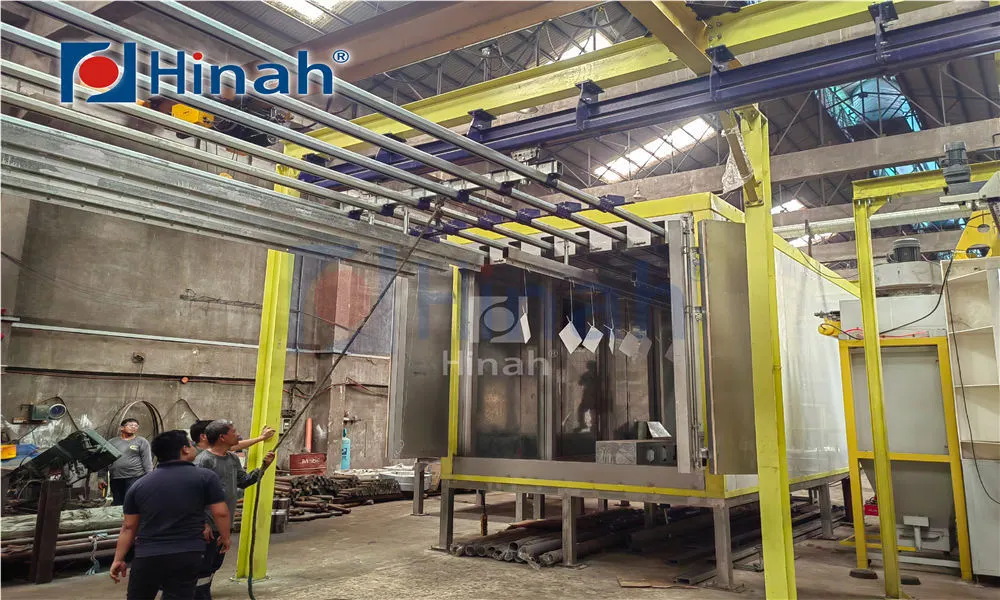
Batch Ovens are ideal for low-volume, high-mix production or large, bulky items. Parts are loaded on racks or carts, wheeled into the oven, and dried in a single cycle. They offer great flexibility but can be less energy-efficient for continuous flow.
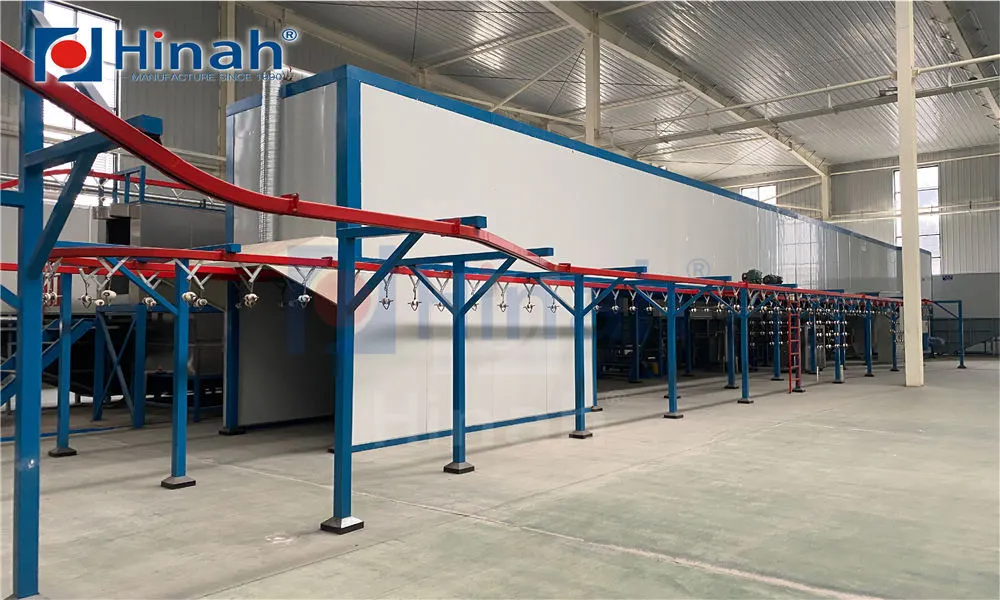
Conveyorized Ovens are the heart of high-volume lines. Parts move continuously on a monorail or belt through a tunnel oven. They provide consistent dwell time and are integral to a lean, just-in-time manufacturing process. This is where precise engineering from a partner like HANNA pays off in daily reliability.
Infrared (IR) Ovens are sometimes used for drying, particularly for flat panels or simple geometries. IR transfers heat via radiation directly to the coating, offering very fast heat-up times. However, shadowing can cause uneven drying on complex parts.
When discussing paint drying ovens with a supplier, move beyond basic size and temperature. Key performance specifications dictate real-world results.
Temperature Uniformity: This is paramount. Ask for the guaranteed temperature variation across the workload area (e.g., ±5°C at setpoint). Poor uniformity leads to inconsistent drying.
Airflow Pattern & Velocity: The direction (horizontal, vertical, combination) and speed of airflow must be engineered for your typical part density. Too little velocity slows drying; too much can disturb wet paint.
Heat Source & Efficiency: Electric, natural gas, or steam are common. Consider heat exchanger efficiency and the insulation value (R-value) of the oven panels. Modern paint drying ovens from HANNA focus on minimizing thermal losses.
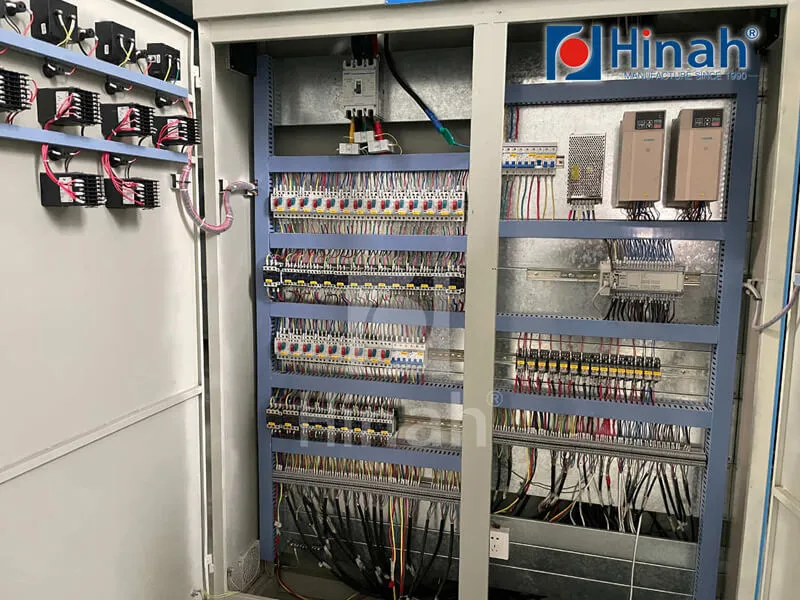
Control System: A simple thermostat is insufficient. Digital PID controllers provide stable, accurate temperature management. Data logging capabilities are a valuable feature for process validation and troubleshooting.
For solvent-borne paints, ventilation is a critical safety and performance feature. Paint drying ovens must maintain the solvent vapor concentration well below the Lower Explosive Limit (LEL).
This is achieved by calculating and installing an adequate exhaust volume. Fresh make-up air is heated and introduced to replace the exhausted air, maintaining energy efficiency.
In many regions, air permits are required for ovens emitting VOCs (Volatile Organic Compounds). Thermal or catalytic oxidizers can be integrated to destroy VOCs before exhaust, ensuring environmental compliance.
Neglecting proper ventilation design is a serious risk, both for safety and for regulatory approval to operate.
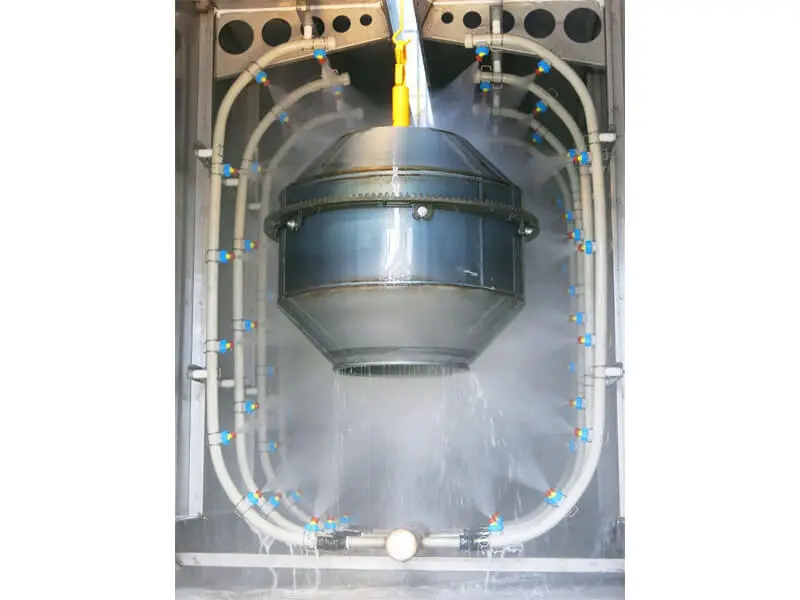
The energy cost of running paint drying ovens is a major operational expense. Intelligent design can significantly reduce this burden.
Recirculation is the first principle. Instead of exhausting all heated air, a large portion is recirculated within the oven, reducing the volume of new air that must be heated.
Heat recovery systems capture waste heat from the oven exhaust. This heat is used to preheat the incoming fresh make-up air, dramatically lowering the primary heater's energy demand.
Well-sealed doors, high-quality insulation, and efficient burner systems all contribute. When evaluating ovens from HANNA or other suppliers, request estimated energy consumption data based on your duty cycle.
Your paint drying ovens do not operate in isolation. They must be integrated into the larger production line with careful planning.
The conveyor system (overhead, floor-mounted, or belt) must interface smoothly with the oven entrance and exit. Proper vestibules or air seals prevent heat loss and maintain internal airflow patterns.
Safety systems are non-negotiable. These include over-temperature protection independent of the main controller, emergency stop buttons, adequate ventilation interlocks, and for gas-fired ovens, full combustion safety safeguards.
Regular maintenance of filters, fans, and safety devices is essential for long-term, safe operation.
Specifying the right paint drying ovens requires a balance of process knowledge, practical engineering, and foresight into your production goals. It is an investment in the consistency and efficiency of your entire finishing operation. By focusing on uniform airflow, correct process differentiation, energy-smart design, and robust safety, you can avoid the common pitfalls that plague many installations. Partnering with an experienced manufacturer like HANNA ensures your drying system is not just a heated box, but a precisely calibrated tool built for performance and durability. The right paint drying ovens become a reliable, behind-the-scenes workhorse that supports quality and throughput day after day.
Q1: What temperature should my paint drying oven be set to?
A1: The temperature is determined by your paint manufacturer's technical data sheet. It specifies a "dry-to-touch" or "force dry" temperature range and time. Typically, temperatures range from 140°F to 180°F (60°C to 82°C) for many industrial paints. Exceeding this can cause blistering or premature aging of the film.
Q2: Why are parts still tacky after the correct time in the drying oven?
A2: The most likely cause is insufficient ventilation or low airflow. Solvent or water vapor becomes saturated in the air around the part and cannot evaporate further. Check that exhaust fans are running and intake filters are not clogged. A second cause could be an incorrect temperature due to a faulty sensor or poor oven uniformity.
Q3: Can I dry different types of paint in the same oven?
A3: You can, but with caution. You must ensure the oven is thoroughly ventilated between batches to prevent contamination of a water-based coat with lingering solvent vapors. For consistent, high-quality results, dedicating an oven to a specific paint chemistry or scheduling compatible paints is the best practice.
Q4: How much does it typically cost to run an industrial paint drying oven?
A4: Operating costs are driven by fuel (gas or electricity) consumption. A medium-sized gas convection oven running one 8-hour shift can cost several thousand dollars per month in natural gas, depending on local rates. This is why the energy-efficient design of HANNA ovens, with features like heat recovery, focuses on reducing this recurring expense.
Q5: How often does a drying oven need maintenance?
A5: Follow a regular schedule: Daily: Visual check of burner flames (if gas) and listen for unusual fan noises. Weekly: Inspect air intake and exhaust louvers for blockages. Monthly: Check and clean airflow filters; verify calibration of temperature sensors. Annually: A full professional inspection of the combustion system (if applicable), electrical components, and fan bearings is recommended.