
Establishing a new powder coating operation is a significant investment that demands careful planning. A successful powder coating plant setup goes beyond buying a spray booth and an oven. It involves a holistic approach integrating space, workflow, compliance, and technology. Getting the foundational steps wrong can lead to chronic inefficiencies, quality issues, and spiraling costs. This article outlines the critical, practical factors you must address to ensure your new facility is built for productivity, quality, and growth from day one. Drawing on industry expertise from providers like HANNA, we'll focus on the decisions that truly matter for long-term success.
Your plant's layout and initial design will lock in your operational capabilities for years. Think of this process as engineering a system, not just installing equipment.
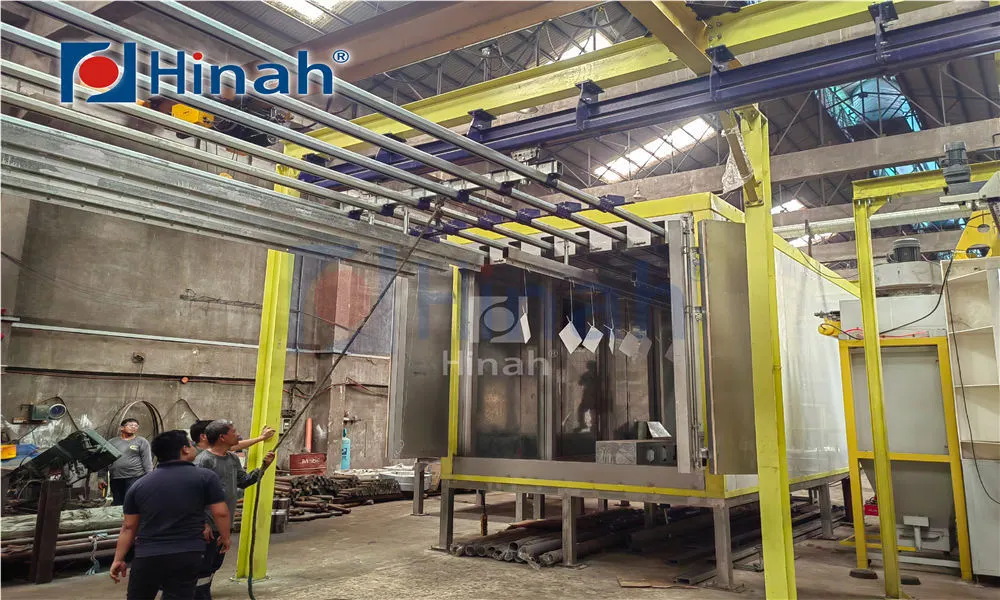
The building itself is your first major decision. Ceiling height is crucial for overhead conveyor systems and oven installation. You typically need a minimum clear height of 12 to 16 feet, often more.
Floor space must accommodate the linear process flow: pre-treatment, drying, application, curing, and cooling. Don't forget ancillary areas for powder storage, maintenance, and quality control. Adequate ventilation and robust electrical and gas supply infrastructure are non-negotiable.
Consider floor drainage for the pre-treatment area and a slab capable of supporting heavy oven and conveyor loads. The ideal space is clean, dry, and allows for potential future expansion.
A modern powder coating plant setup must be designed with compliance at its core. While powder coating is a cleaner process than liquid painting, it is not without regulatory oversight.
You will need to consider air permits for the oven exhaust, especially if it uses natural gas combustion. Local authorities may have specific requirements for volatile organic compound (VOC) emissions, though powder typically contains negligible VOCs.
Wastewater discharge from the pre-treatment stages is a key focus. You may need a permit for pH-neutralized discharge or plans for closed-loop recycling. Proper management of spent pretreatment chemicals and waste powder is also mandatory.
Engaging with local environmental agencies early in your planning process is essential. HANNA often assists clients in navigating these requirements to prevent costly redesigns later.
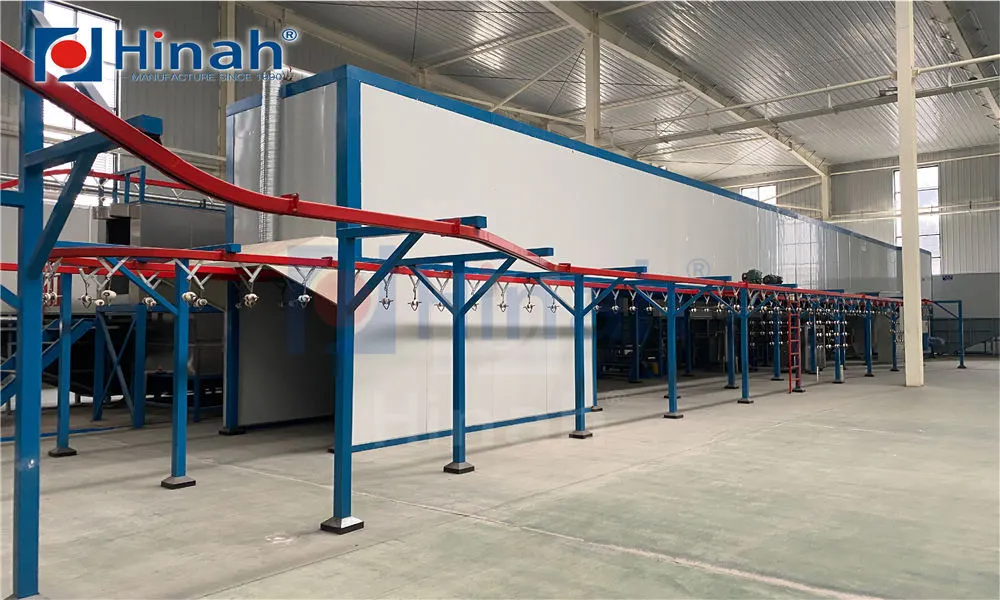
The heart of a productive plant is its material flow. The goal is a smooth, linear progression of parts with minimal handling or backtracking. The most common layout is a straight line or a U-shaped loop.
The conveyor system is the backbone that dictates this flow. Choose the right type—overhead monorail for heavy or varied parts, enclosed track for cleaner operation, or a belt system for small items.
Position loading and unloading stations in ergonomic, logical locations. Ensure there is ample space for racks, carts, and finished goods staging. A cramped floor plan creates bottlenecks and safety hazards.
Your workflow design should balance current throughput needs with obvious paths for future capacity increases.
Every powder coating plant setup revolves around five core stages. Each must be correctly sized and specified.
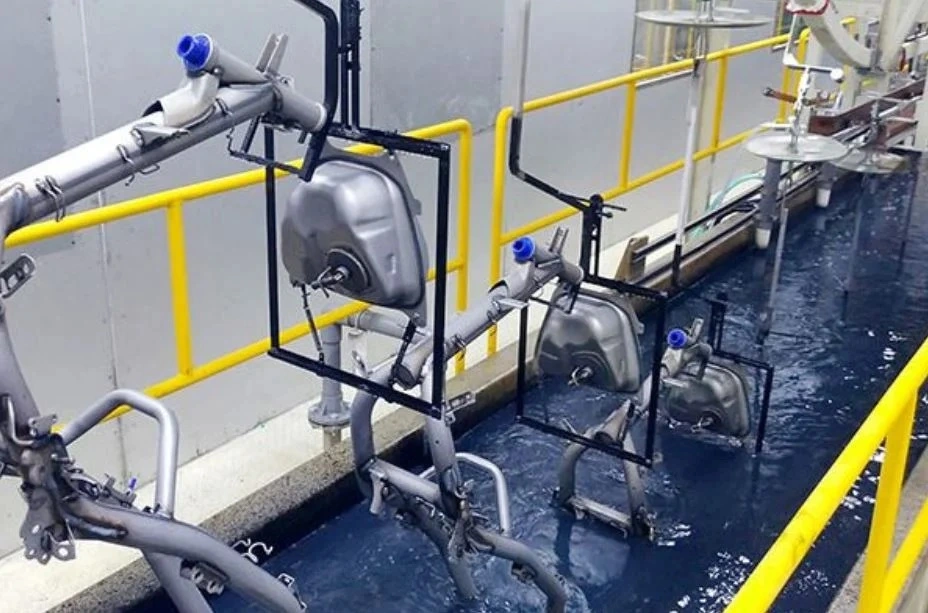
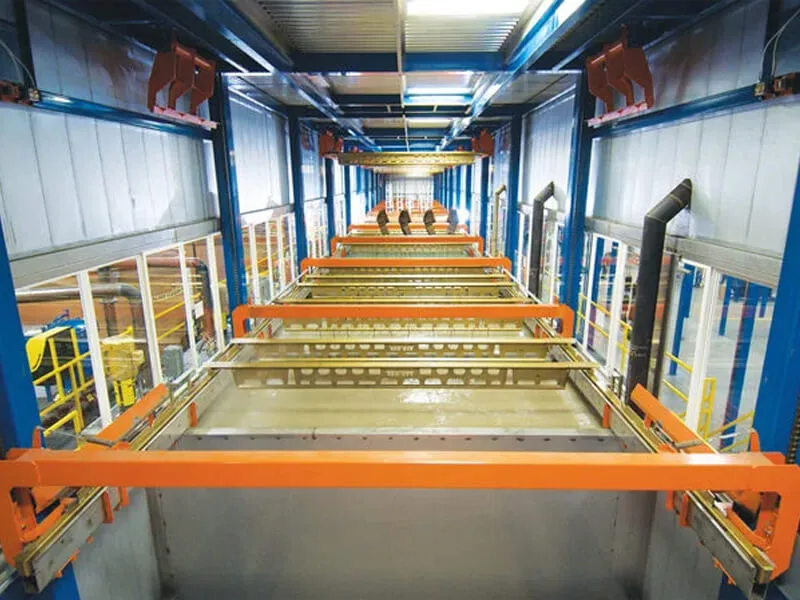
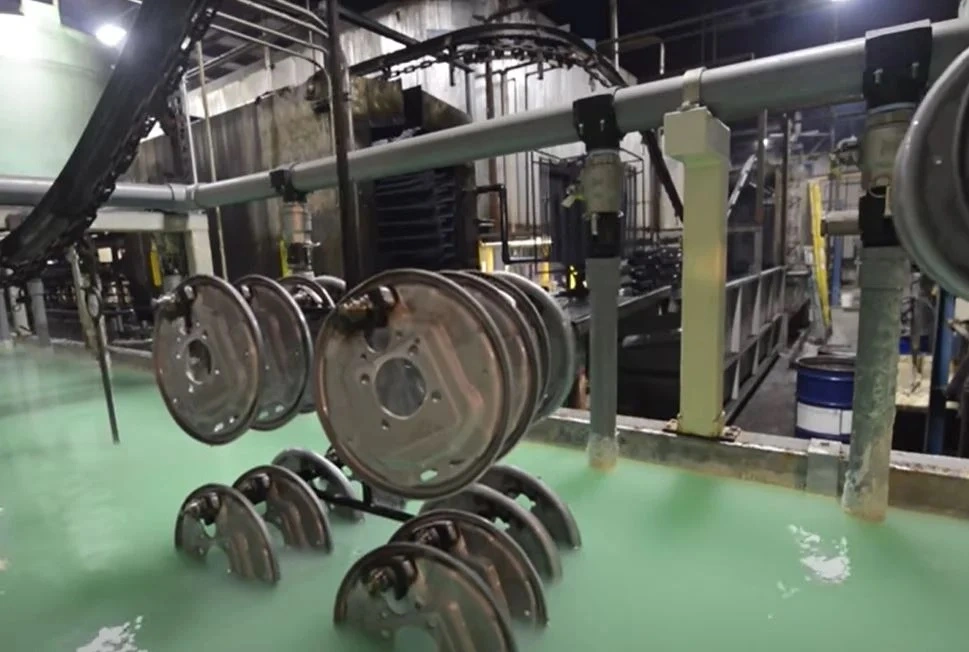
1. Pre-Treatment System: This is the foundation for coating adhesion. Choose between spray washers (faster, less space) and immersion systems (more thorough). The number of stages (clean, rinse, phosphate, final rinse) depends on your substrate and quality goals. Investing in a good water deionizer is critical.
2. Drying Oven: Parts must be completely moisture-free before powder application. A dedicated dry-off oven after pre-treatment prevents flash rust and ensures proper powder adhesion.
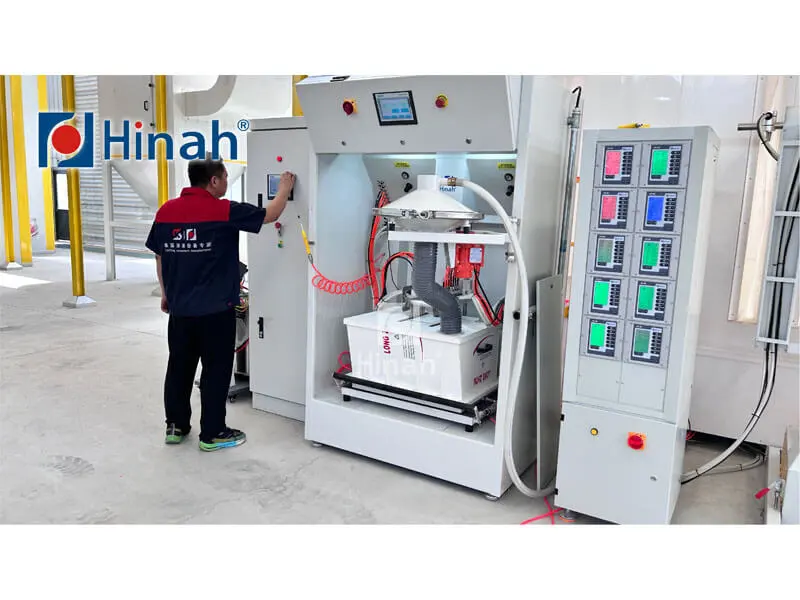
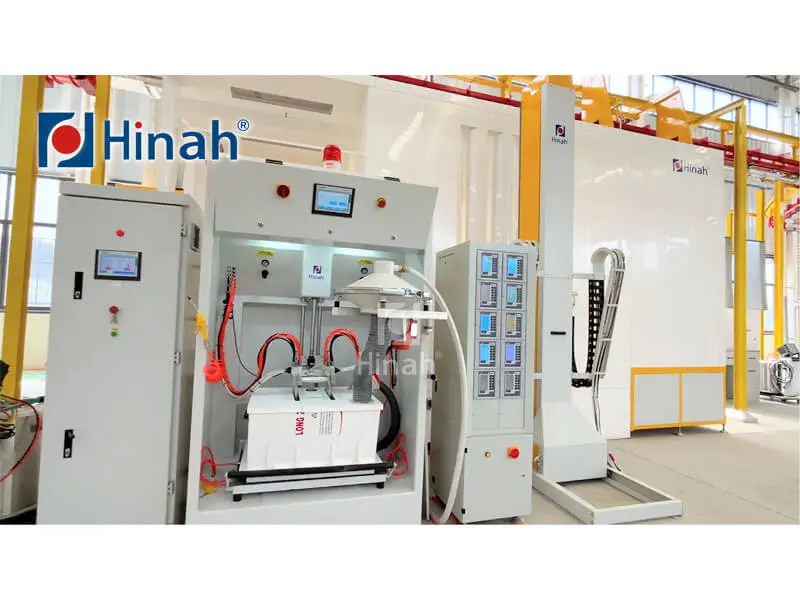
3. Application & Recovery Booth: The spray booth must provide a clean, well-lit environment with controlled airflow. The integrated recovery system—using cartridge filters or cyclones—must efficiently capture over 95% of overspray powder for reuse. This closed-loop is a major cost-saver.
4. Curing Oven: This is where the coating chemically cross-links. Accurate, uniform temperature control is vital. Convection ovens are the standard for most plants. Proper insulation and airflow design prevent hot spots and energy waste.
5. Cooling Zone: Allow sufficient space after the oven for parts to cool before handling. This can be passive or use forced air.
Your equipment choices will define your plant's capabilities and reliability. Prioritize robust construction and energy efficiency over the lowest upfront cost.
Look for suppliers with deep process knowledge, not just equipment sales. A partner like HANNA, which understands how all subsystems interact, can prevent integration headaches.
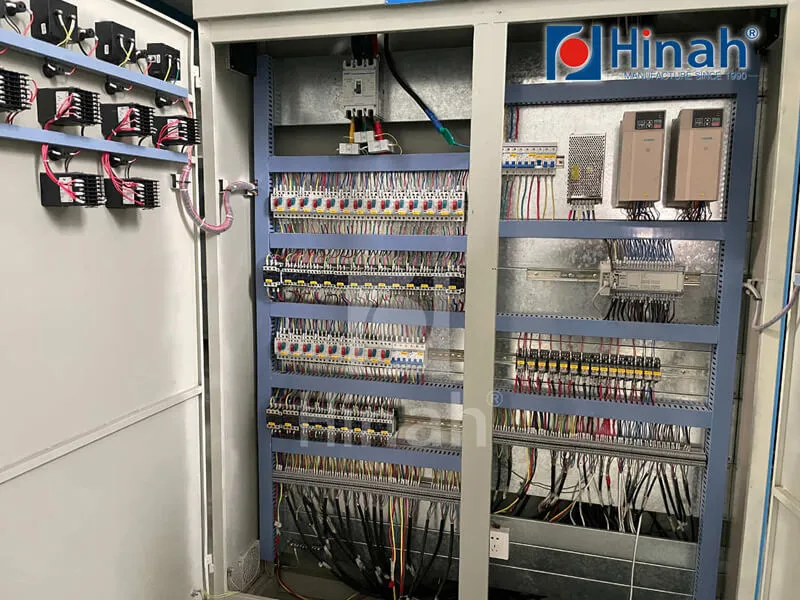
Key considerations include the oven's fuel efficiency, the recovery system's effectiveness, and the control system's sophistication. Modern PLC-based controls offer recipe management and diagnostic data crucial for consistency.
Ensure your supplier provides comprehensive installation support, commissioning services, and accessible after-sales technical support.
A realistic budget for a powder coating plant setup must account for more than equipment invoices. Significant "soft costs" are often overlooked.
These include facility modifications (concrete work, electrical drops, gas lines), installation labor, and regulatory permitting fees. Don't forget the cost of initial powder and chemical inventories, spare parts, and tooling like racks and hooks.
Factor in utility connection fees and the working capital needed to operate before reaching full production. A detailed budget developed with your equipment supplier will help you avoid unexpected financial shortfalls.
Your plant should not be obsolete the day it opens. Design with adaptability in mind. Can your conveyor line be easily extended? Is there space to add another spray booth or lengthen the oven?
Consider installing a higher-capacity electrical service than initially needed. Leave clear space on the facility floor for future expansion of each process zone.
Choosing modular equipment designs can facilitate upgrades. A forward-thinking powder coating plant setup is an asset that grows with your business, avoiding the need for another major capital project in just a few years.
A successful powder coating plant setup is the result of meticulous planning, a focus on process integration, and a partnership with the right equipment experts. It requires balancing technical specifications with practical workflow realities and regulatory demands. By prioritizing a robust foundation, efficient material flow, and quality core equipment from experienced providers like HANNA, you build more than a coating line—you establish a reliable, profitable, and competitive manufacturing operation. The time and resources invested in careful planning at this stage pay continuous dividends in operational smoothness and product quality for the life of your plant.
Q1: What is the single most common mistake companies make when setting up a new powder coating plant?
A1: The most common mistake is underestimating the importance of pre-treatment. Companies often allocate budget to flashy application equipment but try to save on the washer. Inadequate pre-treatment guarantees poor adhesion, corrosion failures, and customer rejections, making it the weakest link that defines the entire process quality.
Q2: How much space do I realistically need for a start-up powder coating operation?
A2: For a basic, manual batch operation with a 5-stage spray washer and a combined dry/cure oven, you need a minimum of 2,500 to 3,500 square feet. For a continuous conveyorized line with proper spacing between stages, loading, and storage, plan for 5,000 to 10,000 square feet or more. A detailed layout from your supplier is the only way to get an accurate number.
Q3: Can I operate a powder coating plant in a standard industrial warehouse unit?
A3: Yes, but with key modifications. The unit must have high ceilings (at least 14-16 ft), a strong floor slab, and sufficient electrical (often 480V 3-phase) and gas service. You will likely need to install trench drains for the pre-treatment area and may need to add roof reinforcements for conveyor supports. Always consult a structural engineer.
Q4: What are the ongoing utility costs I should expect?
A4: The curing oven is the largest utility consumer. Gas costs depend on oven size, insulation, and production hours. Electricity runs the conveyor, spray guns, booth fans, and controls. Water and sewer costs are tied to pre-treatment operation and cooling. An efficient plant design from HANNA focuses on minimizing these ongoing operational expenses through smart engineering.
Q5: How long does it typically take from signing an equipment order to being production-ready?
A5: For a complete turnkey system, a realistic timeline is 6 to 9 months. This includes detailed engineering (4-6 weeks), equipment manufacturing (12-16 weeks), site preparation, installation (2-4 weeks), and commissioning/training (1-2 weeks). Rushed projects often miss critical steps, so plan your market entry accordingly.