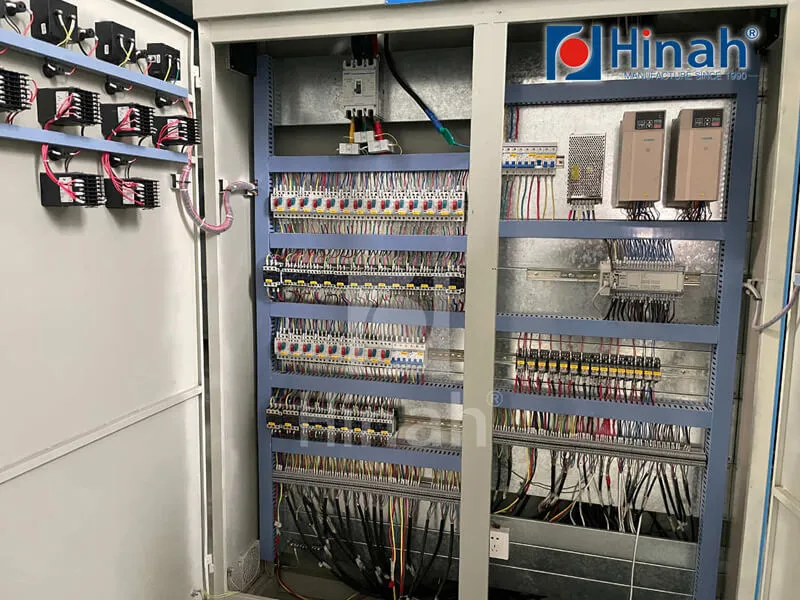

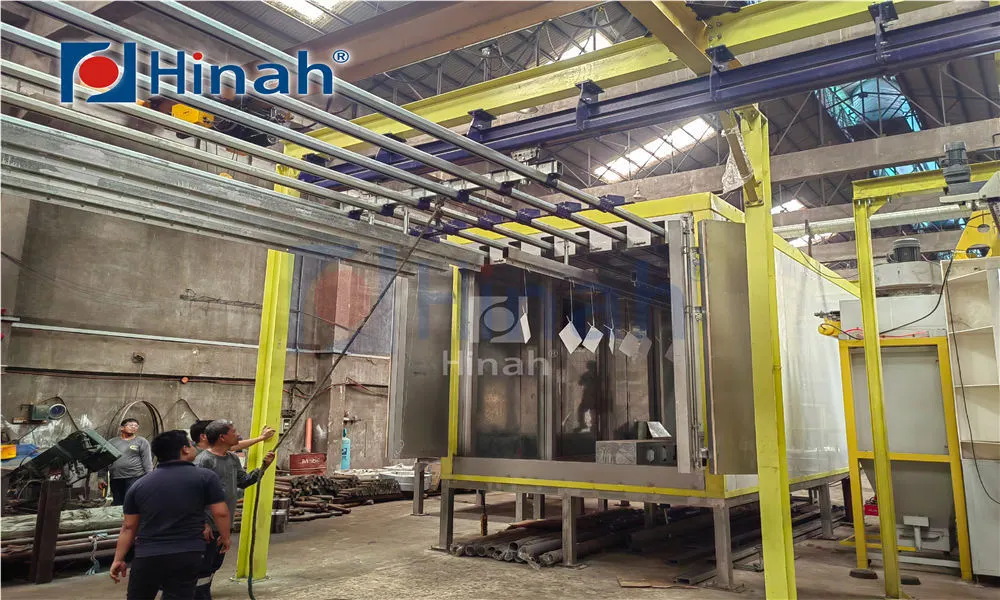
Investing in a complete powder coating line is a major step for any manufacturing or finishing business. It represents a move from manual, batch-based work to a streamlined, repeatable process. A well-designed line dramatically increases throughput, ensures consistent quality, and reduces material waste. But understanding what goes into a powder coating line, and what determines its price, is essential before making a commitment.
This isn't about buying a single machine. It's about integrating several complex subsystems into a synchronized whole. Each component, from cleaning to curing, must be precisely matched to your specific parts and production goals. Let's break down what a modern powder coating line actually includes and how to plan for one effectively.
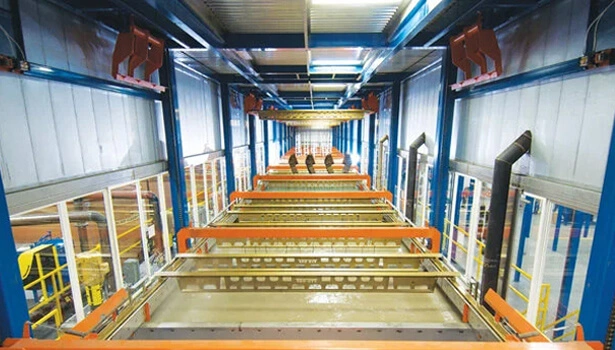
Think of it as a continuous finishing circuit for your products. A raw part enters at one end, undergoes a series of automated treatments, and emerges as a fully coated, cured component ready for assembly or packaging. The core value is consistency and scalability.
A basic manual booth setup might handle low volumes, but a true powder coating line introduces controlled, mechanized movement. This allows you to calculate exact output per hour, standardize quality, and optimize labor. The line becomes a measurable production asset, not just a workshop tool.
Every professional line follows a logical sequence. Missing or shortcutting one stage typically compromises the final result.
1. Pre-Treatment: The Foundation of Adhesion
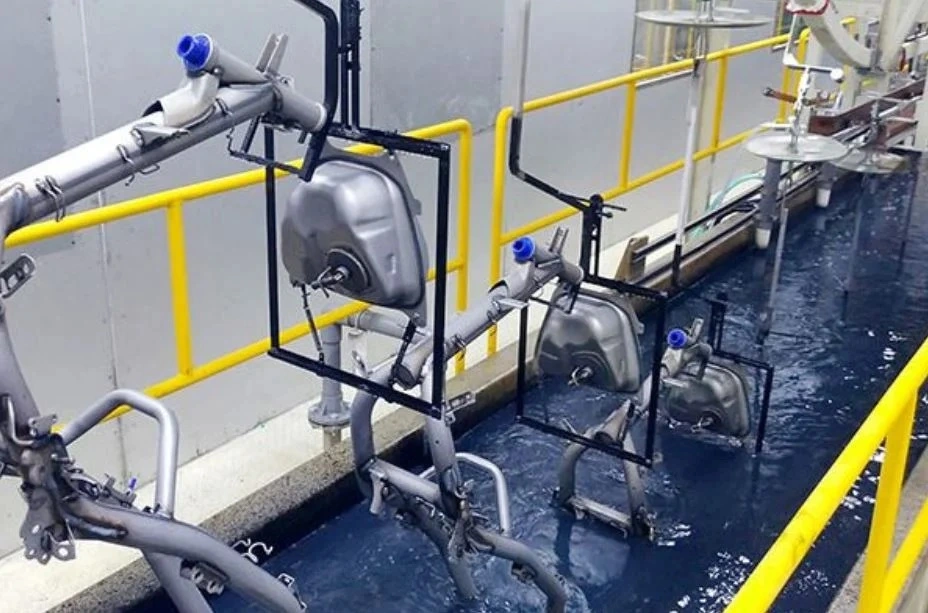
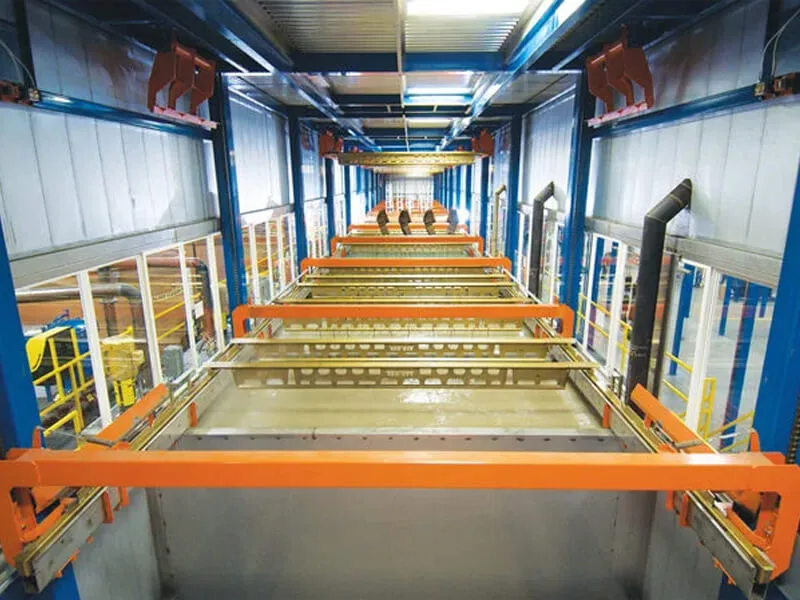
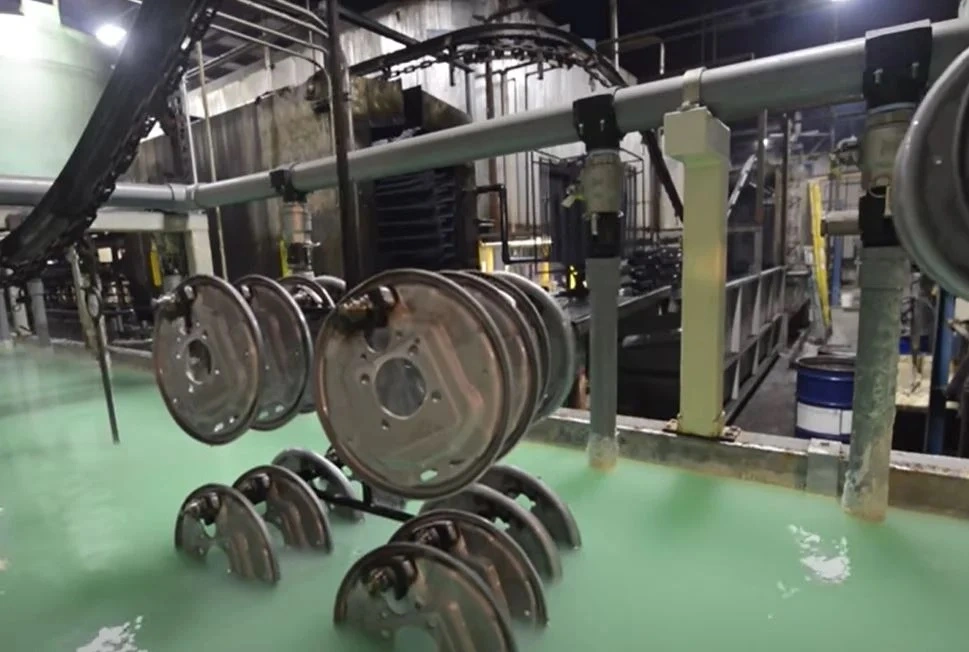
This is arguably the most critical stage. Proper surface preparation ensures the powder coating will adhere properly and last for years. A typical multi-stage washer includes:
2. Drying Oven
After pre-treatment, parts must be completely dry before powder application. A short, low-temperature drying oven evaporates all moisture. Introducing a wet part into the powder booth is a recipe for adhesion failure and equipment problems.
3. The Powder Application Booth
This is the controlled environment where electrostatic powder is applied. In an automated powder coating line, this booth is designed for continuous flow, often as a crossdraft or downdraft configuration. It integrates with the conveyor and features:
4. Curing Oven
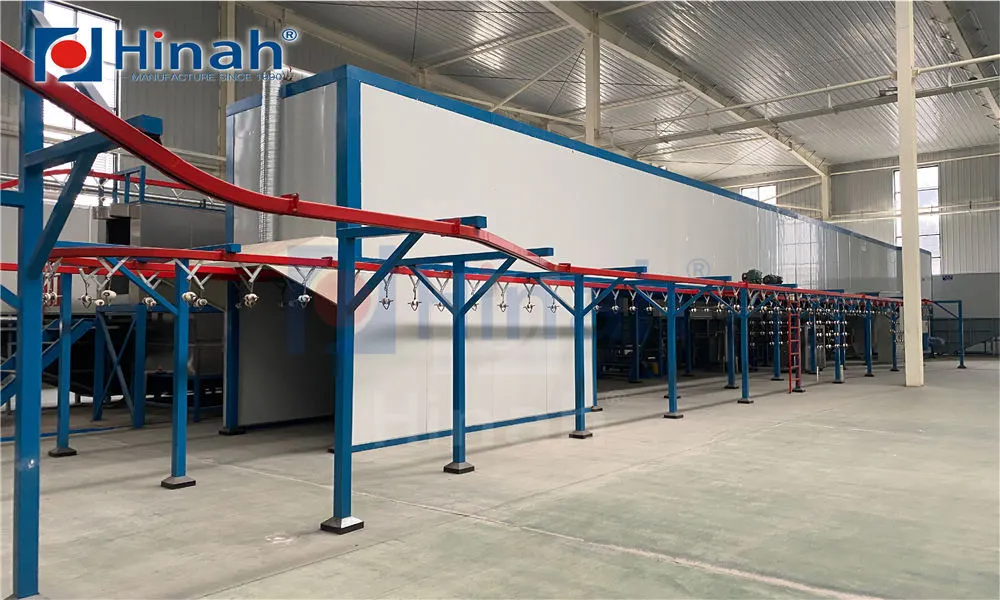
Here, the powder melts, flows, and chemically crosslinks to form a durable finish. Curing ovens in a powder coating line are designed for a precise time-temperature profile. The conveyor speed and oven length are calculated so every part spends the exact required time (e.g., 10-15 minutes) at the target metal temperature (often 180°C - 200°C). Energy efficiency here is a major operational cost factor.
5. Cooling Zone
Parts must cool sufficiently to be handled without damaging the finish. This section uses ambient or forced air to bring parts down to a safe temperature before offloading.
6. The Conveyor System: The Linking Thread
This is the backbone that ties all stages together. Common types include overhead power & free monorails (for heavy, varied parts) or continuous chain systems. The conveyor dictates the line's layout, speed, and flexibility.
The level of automation is a primary cost and capability driver.
Prices vary enormously based on scale and specs. Key factors include:
A Realistic Price Range:
At HANNA, we engineer complete solutions, not just collections of equipment. Our focus is on system synergy—ensuring the pre-treatment delivers perfectly prepared parts for the booth, and the oven cures them exactly as the application process requires.
We emphasize robust construction and smart controls that simplify operation and maintenance. Our powder recovery technology is designed to maximize material savings, directly improving your cost-per-part. When you invest in a HANNA powder coating line, you are investing in predictable output and long-term operational efficiency.
Before contacting suppliers, solidify your internal requirements.
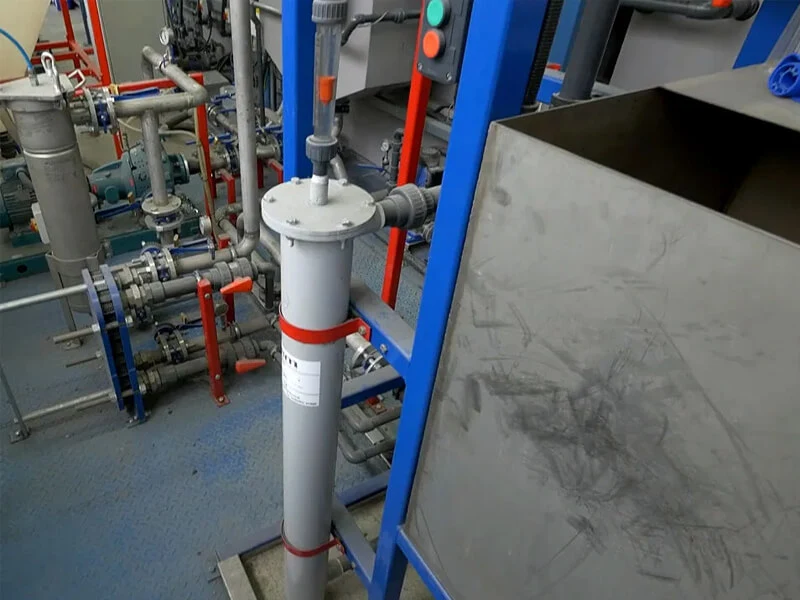
A proactive maintenance routine is non-negotiable for uptime and longevity.
Implementing a full powder coating line is a transformative decision. It moves finishing from a craft-dependent operation to a controlled, industrial process. The investment is substantial, but the return—measured in consistent quality, higher capacity, and lower unit cost—is what allows businesses to scale and compete on a higher level.
Success lies in meticulous planning, a clear understanding of your own needs, and choosing a technology partner committed to your long-term productivity, not just an equipment sale.
Q1: How much floor space is typically needed for a powder coating line?
A1: Space requirements vary drastically. A very compact line might fit in a 15m x 30m area. A robust industrial line with full pre-treatment often requires 60m or more in length and 15m-20m in width. Critical factors include part size, oven length for cure time, and necessary service aisles around equipment.
Q2: Can we coat different types of parts (e.g., small brackets and large panels) on the same line?
A2: Yes, but with considerations. The line must be designed for your largest and heaviest part. Coating smaller parts on a large line is usually fine, but you may need to adjust gun settings or conveyor speed. Frequent, drastic size changes can impact efficiency. A "power & free" conveyor system offers more flexibility for varying cycle times.
Q3: What are the biggest ongoing operational costs for a powder coating line?
A3: The main costs are: Energy (gas for ovens, electricity for fans and conveyors), Consumables (pre-treatment chemicals, powder coating material), Labor, and Preventive Maintenance. Investing in an energy-efficient oven and a high-recovery powder system significantly reduces the two largest variable costs.
Q4: How long does it take from ordering a line to having it operational?
A4: Lead time is typically 20 to 36 weeks for a complete, custom line. This includes final design engineering, fabrication, factory testing, shipping, and on-site installation/commissioning. Complex lines or supply chain delays can extend this timeline. Detailed project planning with your supplier is essential.
Q5: Can we upgrade our existing manual booth into a full powder coating line later?
A5: Often, yes, but it requires careful planning. The existing booth might be integrated as a station, but it will likely need modification for conveyor entry/exit. The conveyor, pre-treatment, and curing oven would be new additions. It's generally more efficient to plan for the complete line from the start, but modular expansion is a common approach with forward-thinking design.