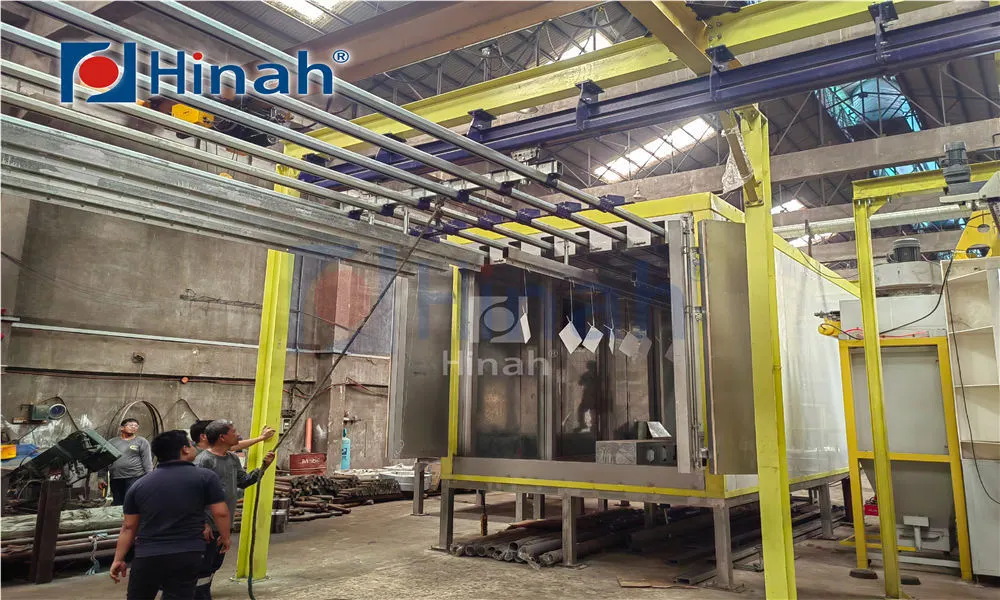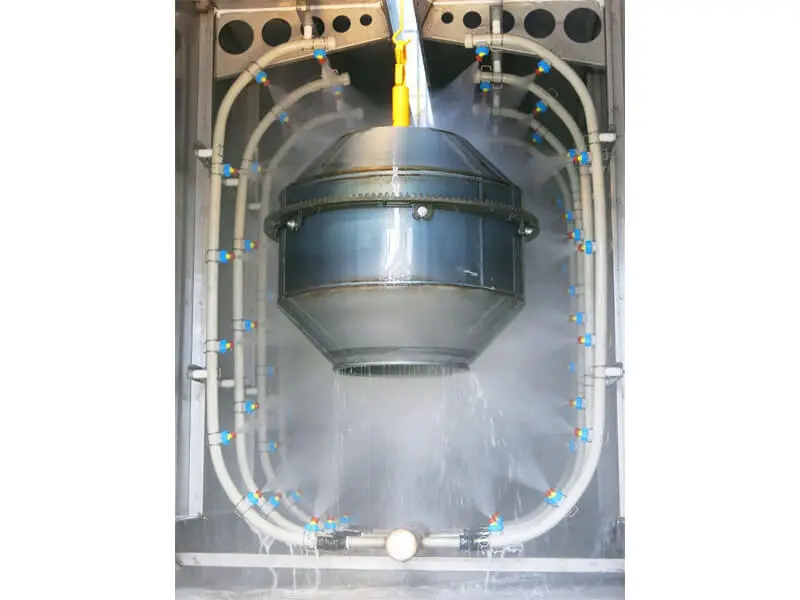
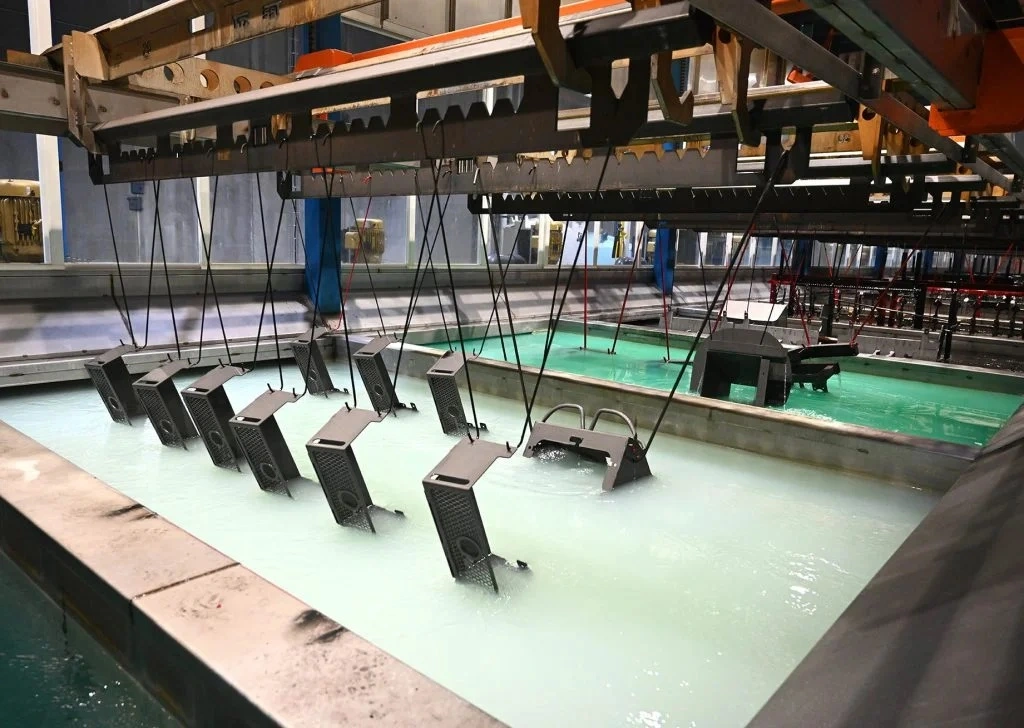
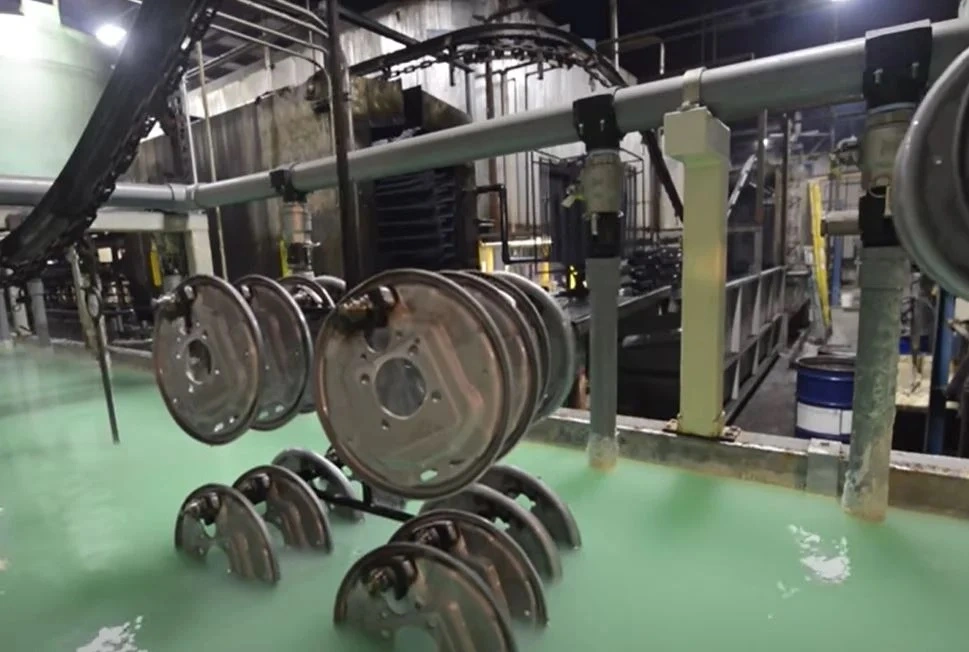
In industrial finishing lines, a Conveyor curing oven is a critical component. It provides the controlled heat necessary to cure and polymerize applied coatings, creating a durable finish. This equipment directly impacts production speed, product quality, and energy consumption. Selecting the right system requires understanding its operation and integration. This guide provides essential information, with expertise from industrial leaders like HANNA.
A Conveyor curing oven uses a moving belt or chain to transport parts through heated zones. This allows for continuous, high-volume production. The design ensures each part receives consistent thermal treatment according to a set time-temperature profile.
Different heating methods suit different applications. The main types are defined by how heat is transferred to the parts.
Choosing between these depends on your product mix and coating specifications. A consultation with HANNA can determine the best fit.
Selecting a Conveyor curing oven is a significant investment. The right choice balances performance with operational costs and future flexibility.
Focus on these critical parameters to match the oven to your production needs.
An oven that aligns with these factors ensures efficient operation of your entire coating line.
Partnering with an experienced supplier is crucial for a successful Conveyor curing oven installation. Look for providers with a proven track record in your industry.
A good supplier offers more than just equipment; they provide a complete solution and support.
Companies like HANNA exemplify this comprehensive approach, supporting clients from design through long-term operation.
The price of a Conveyor curing oven varies widely. Understanding the cost drivers helps in budgeting and evaluating quotes effectively.
Several factors influence the final investment required for a curing oven system.
Consider Total Cost of Ownership (TCO), not just the purchase price, including energy use and maintenance.
Optimizing the performance of a Conveyor curing oven requires attention to technical details. Precise control over the curing environment is non-negotiable for quality.
A consistent temperature across the entire work zone is the most critical technical challenge. Hot or cold spots cause under-cure or over-cure defects.
Suppliers like HANNA use computational fluid dynamics (CFD) modeling to predict and optimize air flow before construction.
Modern oven design heavily focuses on reducing energy consumption, which is a major operational expense.
Investing in an efficient Conveyor curing oven leads to significant long-term savings and a smaller environmental footprint.
A well-chosen and properly maintained Conveyor curing oven is the engine of a productive finishing line. It ensures coatings achieve their intended physical and protective properties. By carefully considering the type, selection criteria, supplier capabilities, and total cost, manufacturers can make a confident investment. Leveraging the engineering expertise of established providers like HANNA ensures your oven is a reliable asset for years to come, driving quality and efficiency in your coating process.
Q1: What is the main difference between a batch oven and a conveyor curing oven?
A1: A batch oven cures loads of parts that are loaded and unloaded in cycles. A Conveyor curing oven operates continuously, with parts moving through on a belt. Conveyor ovens are for high-volume production, while batch ovens offer more flexibility for low-volume or varied parts.
Q2: How do I know if my oven's temperature profile is correct for my powder?
A2: You must verify the actual part temperature, not just the air temperature. Use temperature data loggers attached to test parts running through the oven. Compare the measured time-temperature curve to the powder manufacturer's recommended cure profile for confirmation.
Q3: What regular maintenance does a conveyor curing oven require?
A3: Essential maintenance includes cleaning filters and fan blades, checking and calibrating temperature sensors, inspecting burner assemblies (for gas ovens), lubricating conveyor bearings and drives, and examining insulation for damage. A schedule from your supplier, like HANNA, is recommended.
Q4: Can I retrofit an older conveyor oven to be more energy-efficient?
A4: Yes, common retrofits include upgrading insulation, installing high-efficiency burners, adding a heat recovery system, and implementing modern programmable controls. An energy audit can identify the most cost-effective improvements for your specific Conveyor curing oven.
Q5: What are the typical safety features required on an industrial curing oven?
A5: Standard safety features include overtemperature protection, airflow monitoring switches, door safety interlocks, combustible gas monitoring (for gas ovens), emergency stop buttons, and proper ventilation. Compliance with NFPA 86 and local codes is mandatory.