
Choosing a powder coating plant supplier is one of the most consequential decisions a finishing manager or business owner will make. It’s not just about buying equipment; it’s about committing to a production system that will define your quality, capacity, and operational costs for a decade or more. Get it right, and you have a seamless, profitable line. Get it wrong, and you face endless downtime, rejects, and finger-pointing.
The market is full of options, from simple equipment vendors to full-service engineering partners. The key is knowing how to tell them apart. This list isn’t about specs on a brochure. It’s about the practical, operational questions that reveal whether a powder coating plant supplier like HANNA can actually deliver a system that works on your shop floor, for your specific parts, day in and day out.
This is the first and most critical filter. A great powder coating plant supplier should have a portfolio of proven projects in your general sector—whether it’s architectural aluminum, heavy-duty agricultural equipment, automotive components, or furniture.
Ask for video walk-throughs or, better yet, arrange site visits to their existing customer installations. Don’t just look at shiny new lines; talk to the plant managers. Ask about startup pain points, daily reliability, and the supplier’s responsiveness after the sale. A supplier with relevant experience, like HANNA, will have faced and solved the unique challenges your products present.
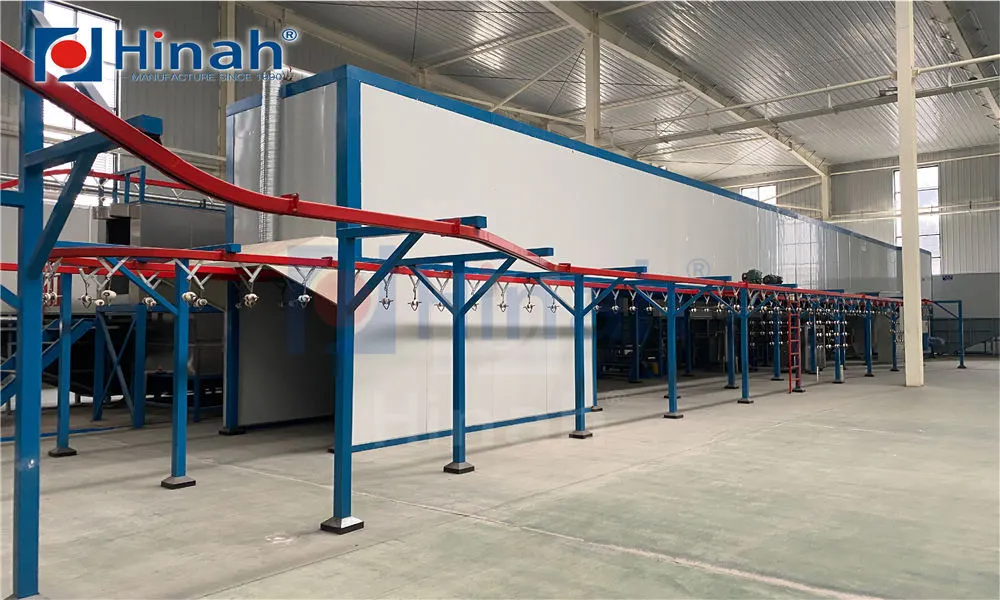
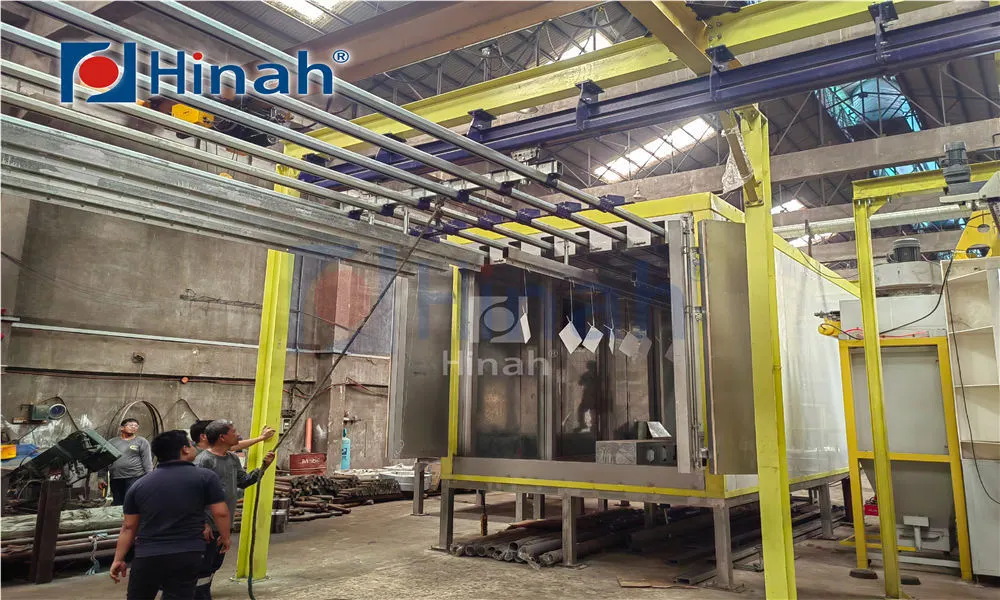
The biggest mistake is buying a “line” as a collection of disjointed pieces—a washer from one vendor, an oven from another, booths from a third. Integration is everything. Inconsistent transfer between stages, mismatched conveyor speeds, or poor thermal management between the wash and the oven will cripple your output.
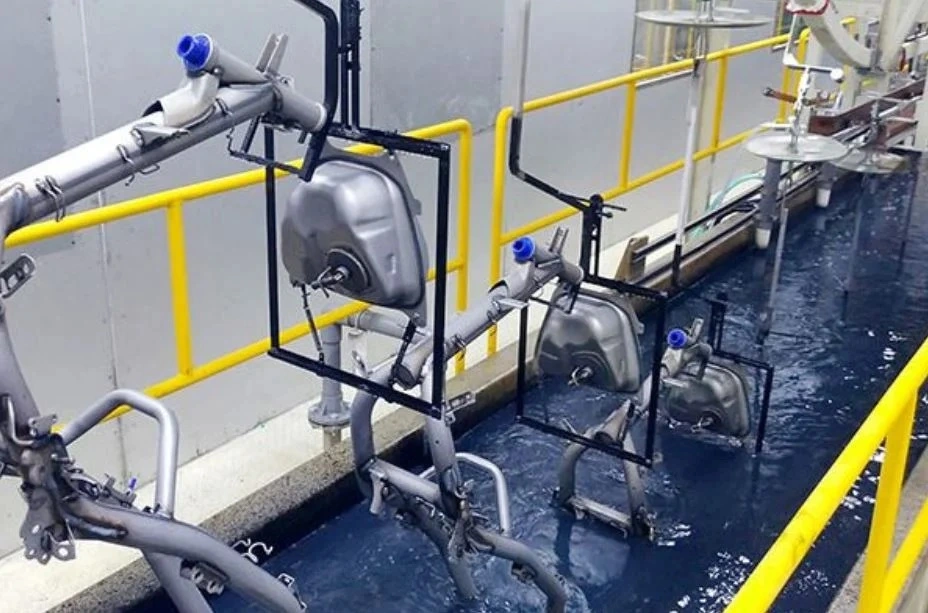
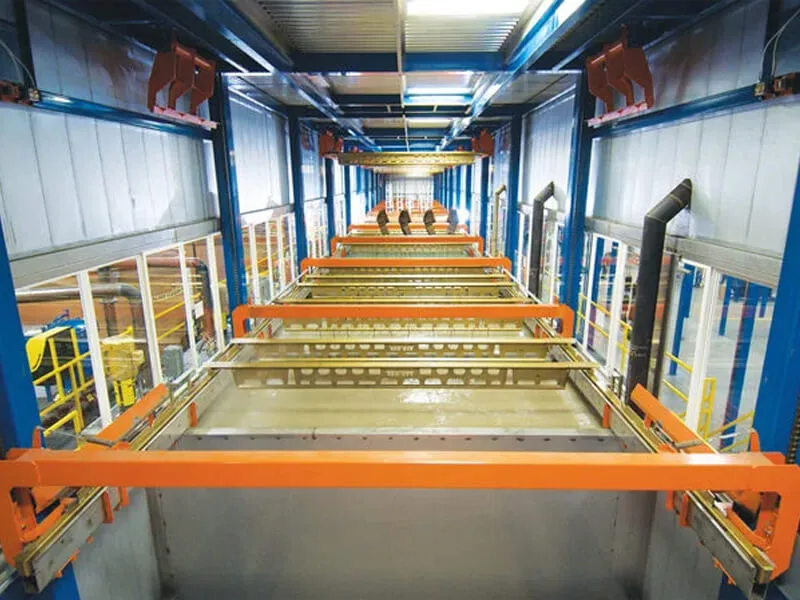
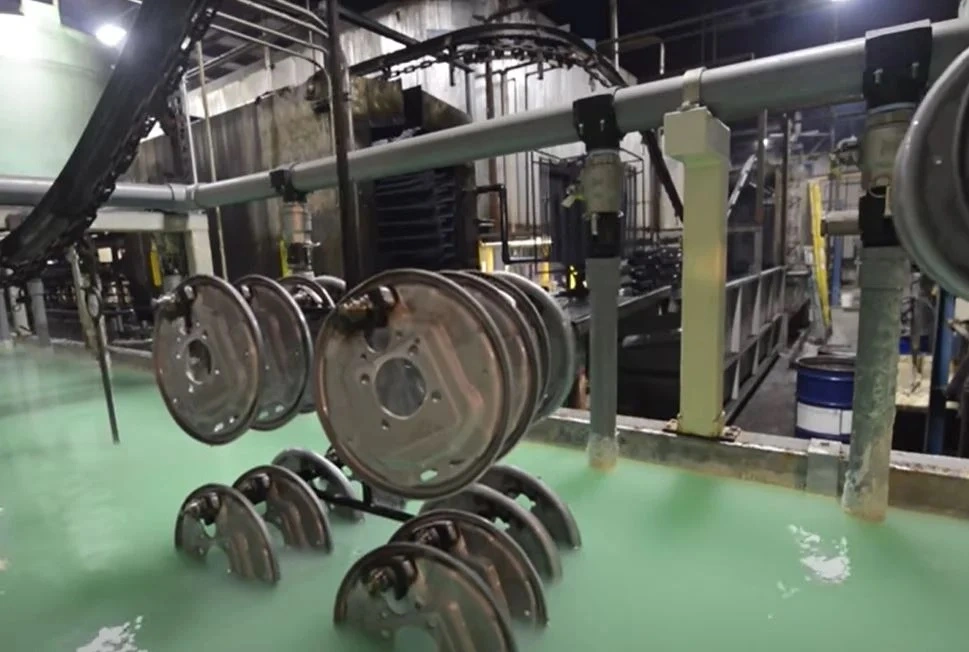
A true systems powder coating plant supplier designs the entire process flow from the start. They ensure the pretreatment chemistry is compatible with the powder, the dry-off oven perfectly prepares the substrate, and the cure oven profile is achievable with your part mix and line speed. This holistic engineering approach prevents the weak links that cause chronic problems.
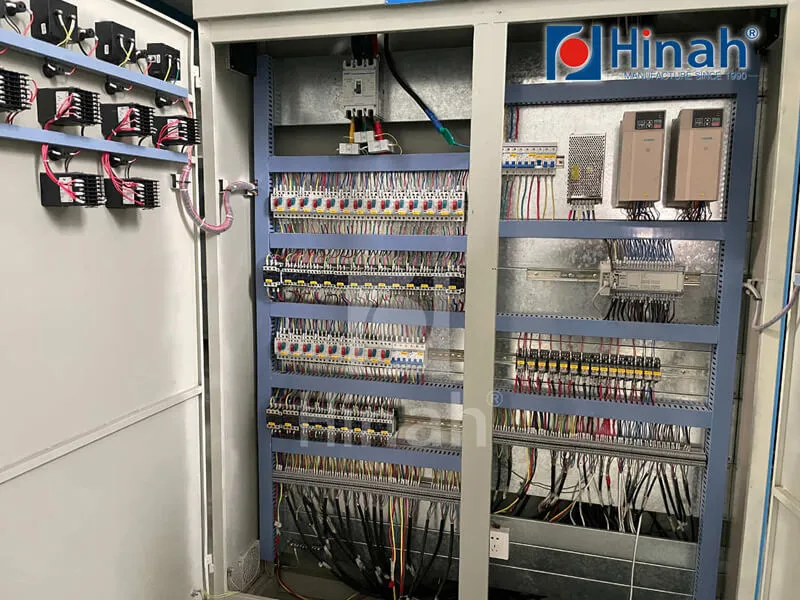
The control panel is the brain of your operation. Is it a simple collection of timers and thermostats, or a modern, programmable logic controller (PLC) with a touch-screen HMI? More importantly, who controls it?
You need a system that your trained operators can use to change recipes for different parts—adjusting conveyor speed, oven zones, and gun settings with a few taps. Locked-down, overly complex software creates dependency. A supplier like HANNA focuses on creating intuitive controls that empower your team to manage production efficiently, while still providing advanced diagnostics for maintenance.
Upfront cost is one thing; operating cost is another. A smart powder coating plant supplier will engineer efficiency into the core design.
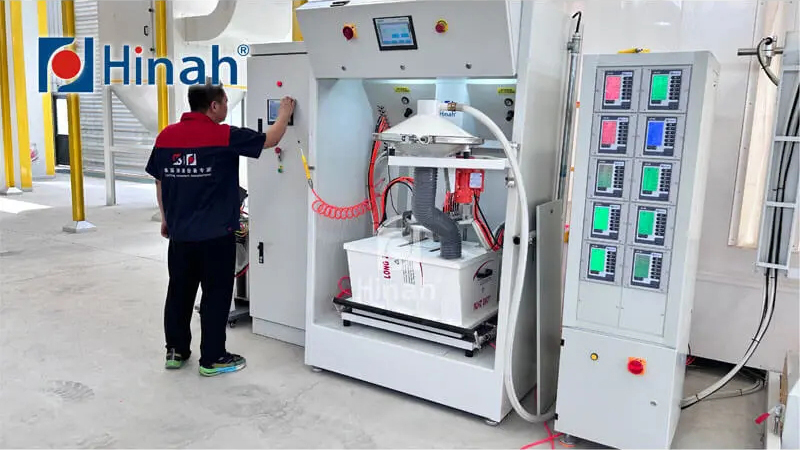
For energy, this means heat recovery on ovens, efficient burner technology, and well-insulated cabinets. For powder, it means high-transfer-efficiency application guns (like advanced tribo or corona systems) and a sophisticated recovery system that recycles overspray effectively. Ask for estimated utility consumption per square foot of product. Their ability to answer this in detail shows a focus on your total cost of ownership.
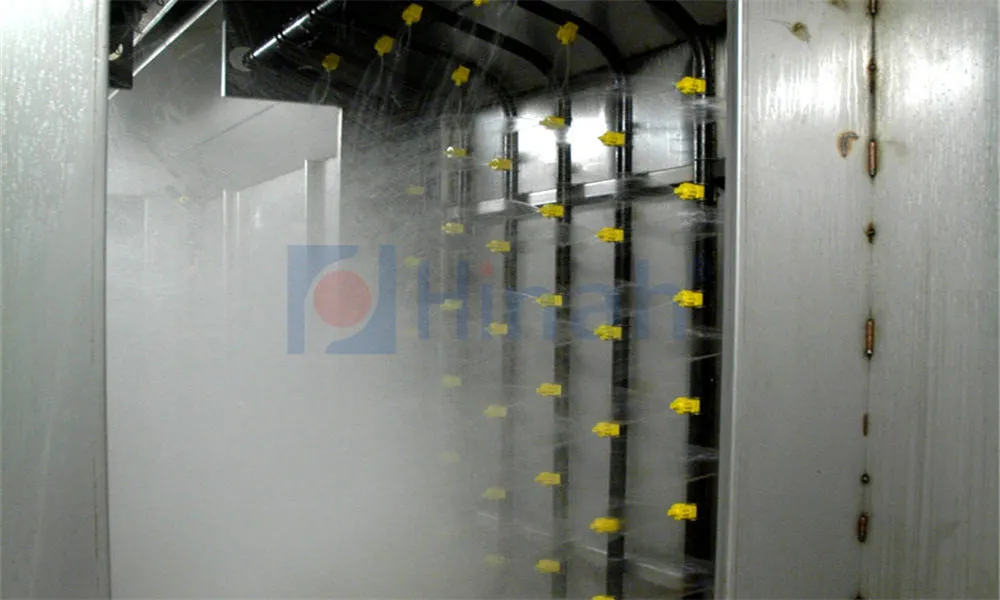
Environmental and safety regulations are complex and vary by region. A reputable supplier must have a deep understanding of these requirements. This includes ventilation rates, filtration efficiency for particulate matter (PM), waste water treatment guidelines for pretreatment stages, and electrical safety certifications.
They should be able to specify equipment that meets or exceeds local codes without requiring costly, last-minute modifications. A global supplier with local engineering support, such as HANNA’s regional teams, is structured to navigate this complexity.
The installation day is the beginning of the relationship. What happens when a critical pump fails on a Friday afternoon? The quality of a powder coating plant supplier is truly tested during a breakdown.
Ask specific questions: Where are your spare parts warehouses? What is your standard response time for technical support? Do you offer remote diagnostics? Do you have trained service engineers in my region? A supplier with a strong, organized support network minimizes your risk of prolonged, expensive downtime.
The industry isn’t static. Powder formulations evolve, automation and robotics become more accessible, and data connectivity for Industry 4.0 is becoming standard. Is your supplier keeping pace?
Ask about their R&D focus. Do they offer smart factory connectivity (IoT) options? Are their systems ready for integration with future robotic applicators? A forward-looking powder coating plant supplier designs with some degree of future-proofing, ensuring your investment remains relevant and upgradeable.
Ultimately, these questions help you distinguish between a simple equipment vendor and a true engineering partner. A vendor sells you boxes. A partner, like HANNA, takes responsibility for the performance of the entire integrated process.
They conduct pre-engineering studies, provide detailed simulation and layout drawings, oversee installation and commissioning, and train your staff comprehensively. They view your production goals as their own problem to solve.
In conclusion, selecting a powder coating plant supplier is a strategic partnership. It requires looking beyond the price tag to evaluate engineering depth, process knowledge, and long-term commitment. By asking these seven operational questions, you move the conversation from generic sales promises to a concrete plan for a reliable, efficient, and high-quality finishing line. Your choice of supplier will echo in your product quality and bottom line for years to come.
Q1: What's the main difference between a local equipment dealer and a full-system powder coating plant supplier?
A1: A local dealer often resells individual pieces of equipment (e.g., an oven, a booth) from various manufacturers. Their focus is on the sale of components. A full-system powder coating plant supplier, like HANNA, acts as a single-source engineer and integrator. They design the complete, synchronized process line, ensure all components work together seamlessly, and provide a single point of accountability for performance and service.
Q2: How much should I budget for a complete, new powder coating line?
A2: Costs vary dramatically based on scale, automation level, and sophistication. A small, manual line might start in the tens of thousands, while a fully automated, high-volume system can reach several million. The most effective approach is to outline your requirements (throughput, part size, quality standards) and seek a detailed quotation. A good supplier will provide a transparent breakdown and often highlight opportunities for phased investment.
Q3: How long does it typically take from signing a contract to having an operational line?
A3: For a medium-complexity system, expect a timeline of 6 to 12 months. This includes detailed engineering, manufacturing of custom components, shipping, on-site installation, commissioning, and operator training. Larger, fully automated lines can take 12-18 months. Clear project management from your powder coating plant supplier is essential to meet this schedule.
Q4: Can an existing, older powder coating line be upgraded or modernized by a supplier?
A4: Absolutely. Many suppliers specialize in retrofits and upgrades. Common projects include adding automated guns or robots, upgrading the control system to a modern PLC, installing energy-efficient burners in the oven, or enhancing the powder recovery system. This can be a cost-effective way to boost quality, output, and efficiency without a full greenfield investment.
Q5: What is the single most common oversight companies make when selecting a supplier?
A5: Focusing solely on the lowest initial price. The cheapest system often has higher operating costs (energy, powder waste), more frequent breakdowns, and lower overall equipment effectiveness (OEE). The true cost is Total Cost of Ownership (TCO), which includes purchase price, installation, energy, maintenance, powder utilization, and production yield over 5-10 years. A slightly higher upfront investment with a qualified supplier like HANNA typically yields a far lower TCO.