
Industrial finishers face a complex decision when evaluating powder coating equipment manufacturers. The choice extends far beyond price points or delivery timelines; it determines line availability, first-pass yield, energy consumption, and the ability to adapt to evolving substrate materials and powder chemistries. A poorly specified system results in inconsistent film build, elevated rework rates, and hidden operational costs that erode margins over a decade of service. Conversely, equipment engineered with a systems-level approach—where spray application, cure dynamics, and material handling are designed as an integrated whole—delivers measurable gains in throughput and finish quality. This article outlines the technical criteria that separate commoditized suppliers from genuine engineering partners, drawing on field data from installations managed by HANNA across global manufacturing sectors.
The distinction between a vendor and a trusted engineering partner lies in process depth. Leading powder coating equipment manufacturers do not simply assemble booths, ovens, and conveyors; they model the thermodynamic and electrostatic interactions before a single component is fabricated. Key engineering competencies include:
Computational Fluid Dynamics (CFD) for Airflow Management: Spray booth performance is dictated by laminar flow patterns that maximize overspray capture while minimizing turbulence that disturbs powder deposition. Manufacturers that employ CFD modeling can predict dead zones and optimize plenum designs, achieving capture efficiencies above 98%.
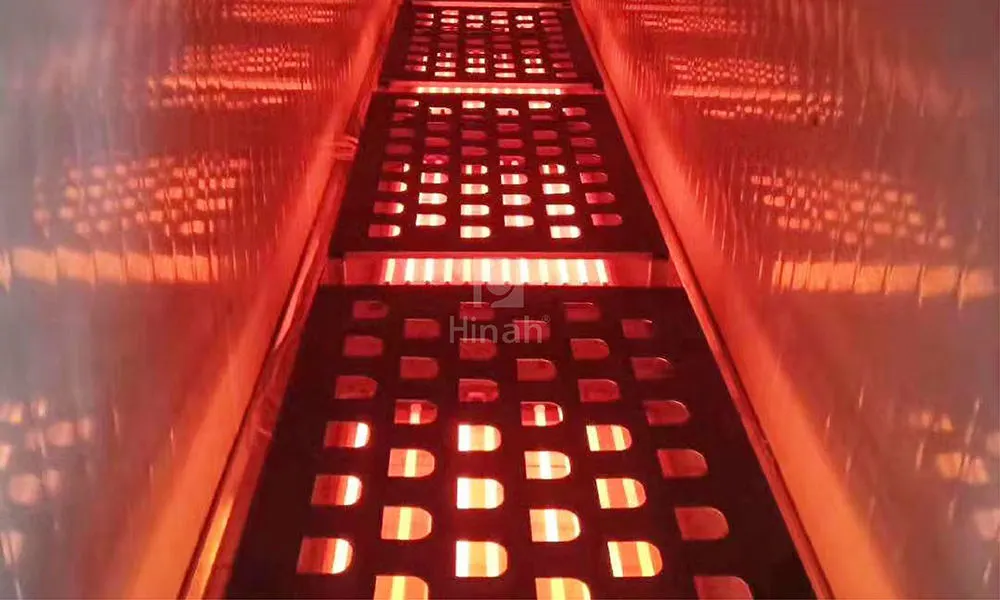
Thermal Profiling and Zoning Expertise: Curing ovens must compensate for variations in part mass, line speed, and ambient conditions. Advanced suppliers utilize multi-zone gas-fired or electric IR/convection hybrids with PID-controlled burner modulation to maintain metal temperature within ±3°C across the load.
Electrostatic Application Precision: Parameters such as kV (30–100 kV), microamperage, and air flow must be adjustable in real time to accommodate part geometry and powder resistivity. High-end systems integrate feedback from current sensors to automatically prevent back-ionization.
These capabilities are not theoretical. In a recent installation for an automotive Tier 1 supplier, HANNA collaborated with a specialist equipment manufacturer to design a line that reduced coating thickness variation from ±25 microns to ±8 microns, directly eliminating warranty claims related to corrosion resistance.
A complete finishing line comprises interdependent subsystems. The engineering rigor applied to each directly influences overall performance.
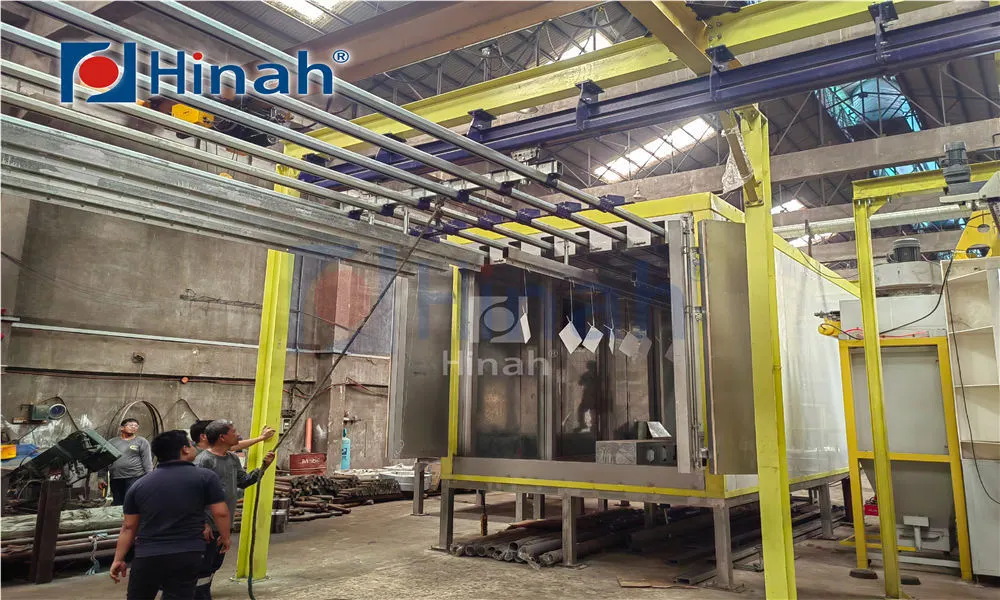
Modern spray booths are classified by their powder recovery method: cartridge filter systems for high-color-change environments or cyclone + cartridge combos for high-volume single-color operations. Key technical specifications include:
Air velocity uniformity: Maintained within 0.2 m/s variance across the booth face to ensure consistent powder cloud dynamics.
Filter media rating: MERV 15 or higher with pulse-jet cleaning cycles triggered by differential pressure (typically 1.2–1.5 inH₂O).
Fast-change architecture: Modular wall panels, sweep-air systems, and mobile recovery modules that reduce color-change downtime from 45 minutes to under 10 minutes.
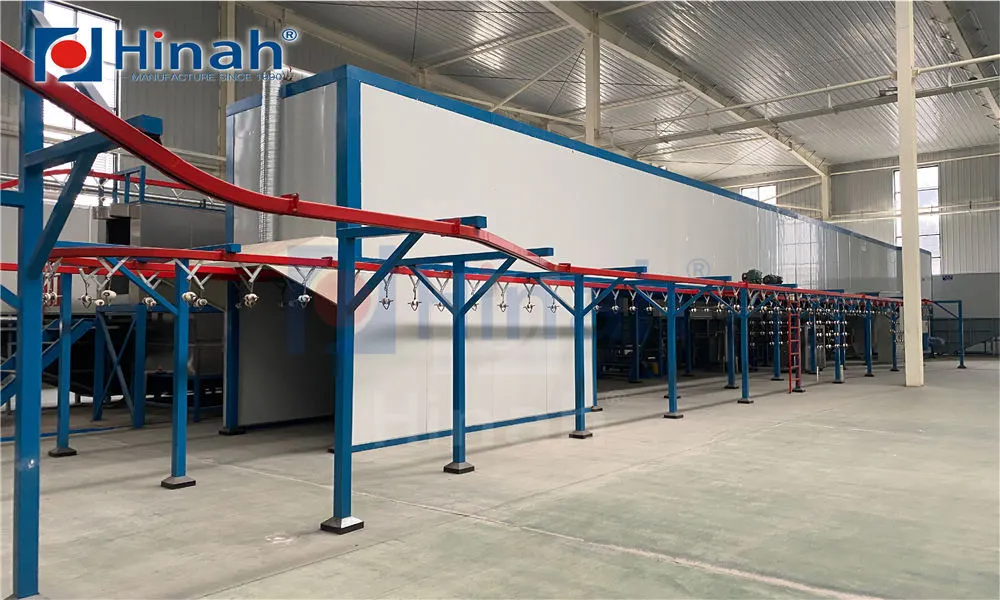
Oven design directly impacts cure consistency and energy costs. Leading powder coating equipment manufacturers offer ovens with:
Recirculation ratios: 6:1 to 8:1 (air changes per minute) to eliminate stratification.
Insulation thickness: 150 mm mineral wool with thermal conductivity ≤0.040 W/mK, reducing skin temperatures to ambient +15°C.
Heat recovery modules: Plate exchangers that transfer up to 60% of exhaust BTUs to incoming makeup air, lowering gas consumption by 20–25%.
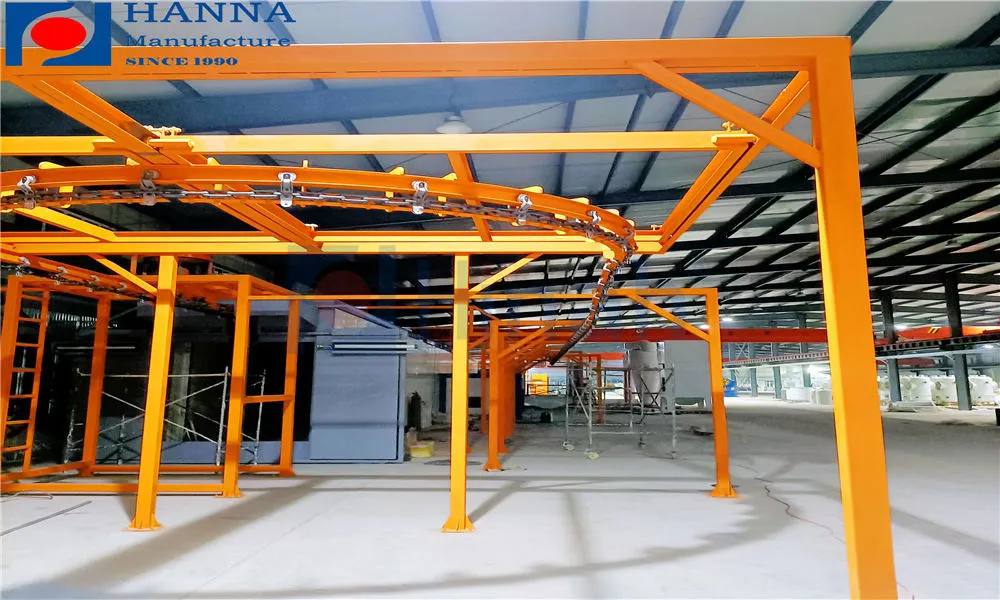
Conveyor selection—monorail, power-and-free, or inverted—must align with part weight and process dwell requirements. The most sophisticated lines employ PLC-based recipe management where oven zone temperatures, booth parameters, and line speed adjust automatically based on product ID (RFID or barcode scanning). This eliminates operator error and ensures repeatability across shift changes.
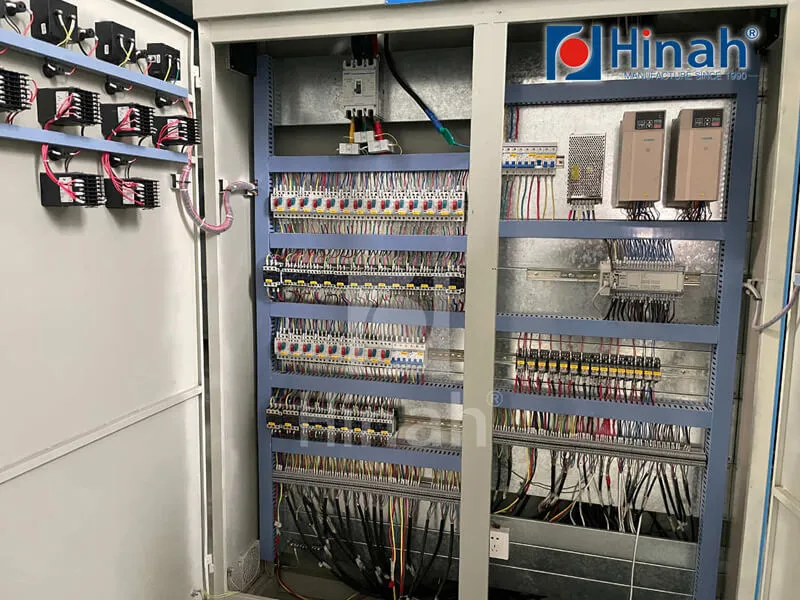
A common failure mode in finishing operations is treating the booth, oven, and conveyor as isolated assets. Integrated powder coating equipment manufacturers provide a centralized SCADA (Supervisory Control and Data Acquisition) platform that correlates:
Spray booth transfer efficiency (percentage of powder adhered to parts).
Oven zone temperature profiles against part metal temperature data loggers.
Conveyor speed deviations and jams.
Filter differential pressure and compressed air usage for pulse cleaning.
With such integration, manufacturers can deploy predictive maintenance algorithms. For instance, a gradual increase in oven burner runtime without a corresponding change in ambient temperature may indicate failing recirculation fans or insulation degradation, allowing intervention before unplanned downtime. HANNA has implemented these smart line architectures in facilities producing architectural extrusions, yielding a 22% reduction in unplanned stops and a 14% improvement in OEE (Overall Equipment Effectiveness) over 18 months.
When assessing potential suppliers, buyers should demand evidence of engineering validation. Objective indicators include:
Published thermal uniformity reports: Independent third-party testing showing temperature variance across the oven chamber under full load conditions.
Transfer efficiency data: Measured using standardized methods (e.g., ISO 2746) with specific powder types and part geometries.
Mean time between failures (MTBF) data for critical components such as burner assemblies, conveyor drives, and electrostatic generators.
Commissioning protocols: Structured acceptance tests (SAT) that verify performance against contractually defined KPIs before final payment.
Suppliers that hesitate to provide such documentation often lack the internal engineering discipline to deliver consistent results. In contrast, top-tier powder coating equipment manufacturers maintain extensive test labs where full lines are simulated or run with customer parts prior to shipment, mitigating on-site commissioning risks.
Industry-specific requirements demand tailored design approaches.
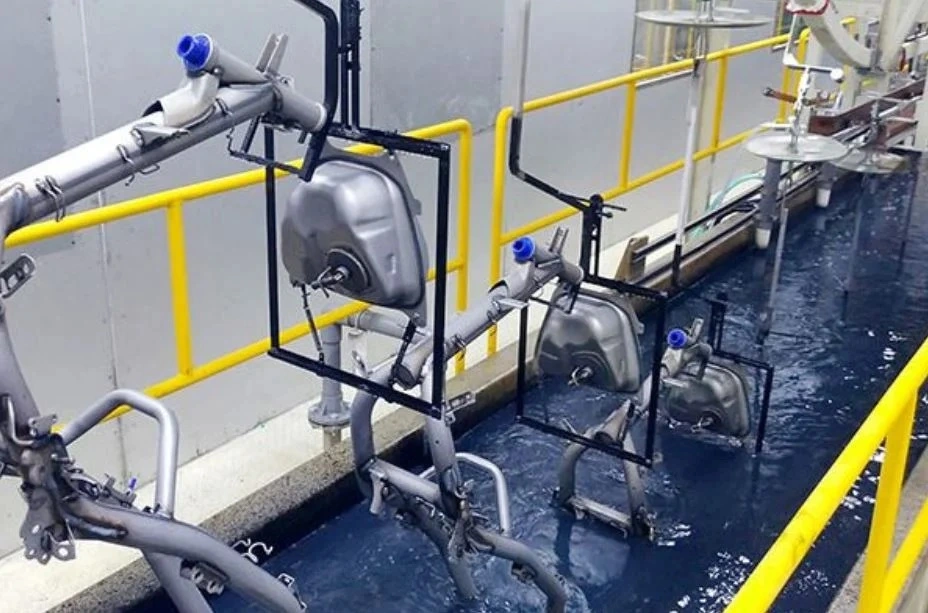
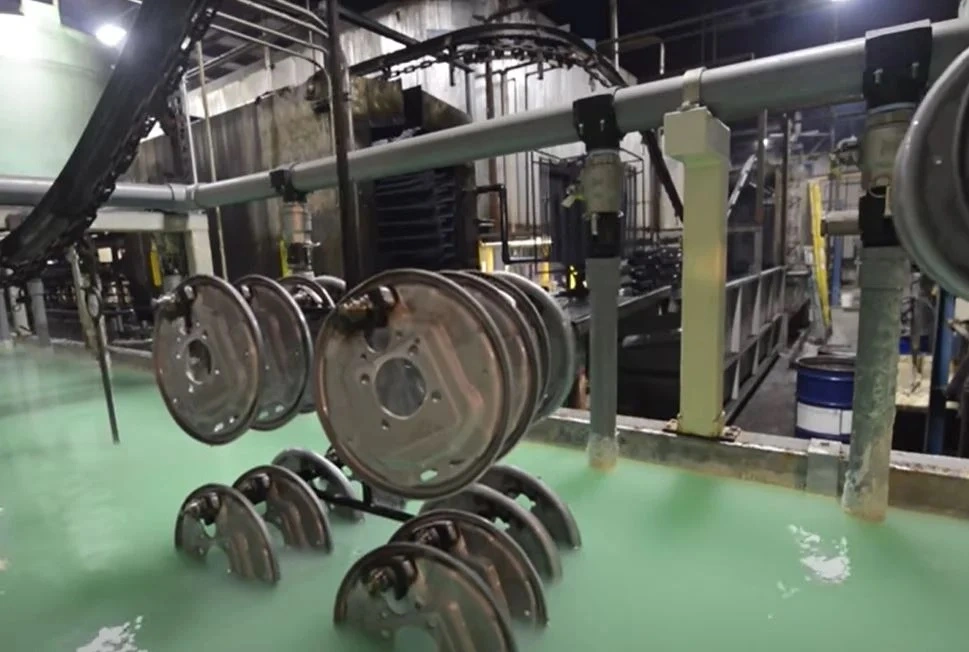
Automotive lines (wheels, chassis parts, trim) require high throughput (up to 1,200 parts/hour) with zero defect tolerance. Equipment must support:
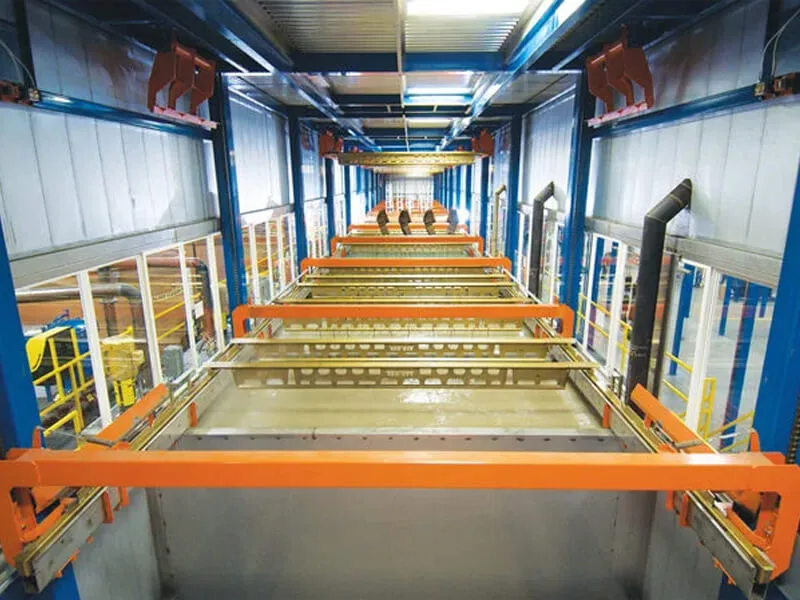
Multi-stage pretreatment integrated with the coating line.
Robotic or reciprocator automation with precision gun positioning to ensure film build uniformity on complex surfaces.
On-line cure verification using infrared thermography or non-contact temperature sensors.
Long profiles (up to 7 meters) pose unique challenges for booth design and oven configuration. Solutions include:
Horizontal or vertical spray booths with extended plenum lengths to maintain consistent air velocity along the extrusion.
Batch or continuous ovens with serpentine airflow patterns to prevent shadow curing on thin-walled aluminum.
Qualicoat or GSB-compliant process documentation, requiring strict traceability of oven temperature and cure parameters.
For components with high thermal mass, equipment must incorporate:
Preheat zones to stabilize substrate temperature before powder application, reducing outgassing defects.
Zoned oven control with separate heating circuits for top, bottom, and side zones.
Oversized booth openings and heavy-duty conveyor systems rated for loads exceeding 1,500 kg per carrier.
The initial capital expenditure typically represents only 20–30% of the total cost of ownership over a 10-year equipment lifespan. Hidden costs include energy consumption, spare parts availability, training requirements, and production losses due to unscheduled downtime. Reputable powder coating equipment manufacturers structure their offerings to minimize these downstream expenses through:
Modular design: Standardized components (burners, motors, filter cartridges) that are readily available from multiple industrial suppliers, preventing proprietary part hold-ups.
Remote diagnostics: IoT-enabled controllers that allow manufacturer engineers to troubleshoot issues without a site visit, reducing mean time to repair (MTTR).
Operator training programs: Formal certification for maintenance staff covering electrostatic safety, oven combustion tuning, and conveyor alignment procedures.
Data from HANNA-managed fleet analyses show that lines sourced from manufacturers with comprehensive lifecycle programs experience 35% lower annual maintenance costs compared to those where equipment was procured on a purely transactional basis.
A1: Request a thermal uniformity survey report conducted under load conditions similar to your production mix. Reputable manufacturers will provide data from a minimum of 12 thermocouple points distributed across the oven’s work zone, showing maximum and minimum temperatures during the dwell period. Acceptable uniformity is ±5°C for general industrial applications and ±3°C for architectural or automotive finishes. If a supplier cannot supply such documentation, consider a factory acceptance test (FAT) where you observe the oven under simulated load using your own data loggers.
A2: Transfer efficiency (TE) for electrostatic systems ranges from 60% to 85% depending on part geometry, powder type, and operator skill. Automated systems with reciprocators or robots typically achieve 75–85% TE. Measurement is performed by weighing parts before and after coating, accounting for powder reclaimed from the booth’s recovery system. High TE reduces powder consumption and lowers booth cleaning frequency. When evaluating equipment, ask for TE data from a controlled test using your actual parts and powder.
A3: Yes, but only if the line includes a variable-speed conveyor and a multi-zone oven with independent temperature control. The process recipe must adjust line speed and zone setpoints based on part mass. Additionally, the spray booth should feature adjustable electrostatic parameters to accommodate different powder formulations. A well-designed system will incorporate an automated recipe management system that detects part type (via barcode or RFID) and loads the appropriate parameters without operator intervention.
A4: Red flags include an inability to provide standardized test data (thermal uniformity, transfer efficiency, noise levels), a lack of in-house engineering resources (outsourcing all design), vague warranty terms that exclude performance guarantees, and no documented after-sales support structure. Additionally, manufacturers who refuse to provide a detailed electrical and pneumatic schematic or who cannot supply replacement parts within 24 hours for critical components should be approached with caution.
A5: Smart integration reduces variability and enables predictive maintenance, directly improving OEE. In documented cases, lines equipped with centralized SCADA, remote monitoring, and automated recipe control achieve a 12–18% increase in first-pass yield and a 20% reduction in energy consumption through optimized oven modulation. The payback period for the added control and sensor hardware typically falls between 12 and 24 months, after which the system delivers sustained operational savings.
Selecting the right engineering partner among powder coating equipment manufacturers determines whether a finishing line becomes a source of competitive advantage or a persistent operational drag. By focusing on validated engineering data, integrated process design, and lifecycle support structures, manufacturers can achieve finishing lines that deliver consistent quality, lower cost per part, and agility to respond to evolving market requirements. HANNA continues to partner with global clients to implement such high-performance systems, ensuring that technical specifications translate directly into measurable business outcomes.