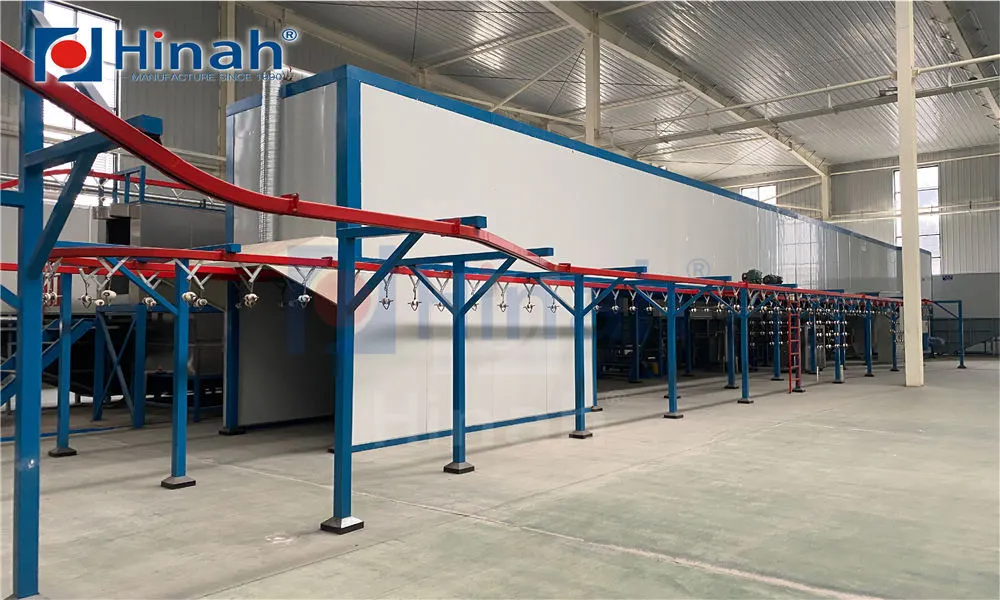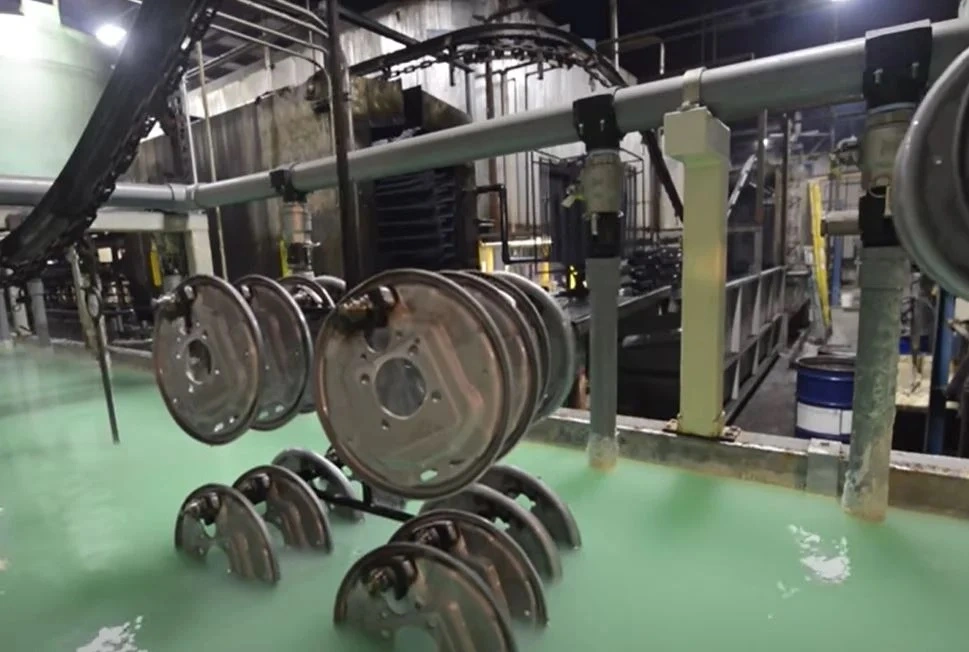

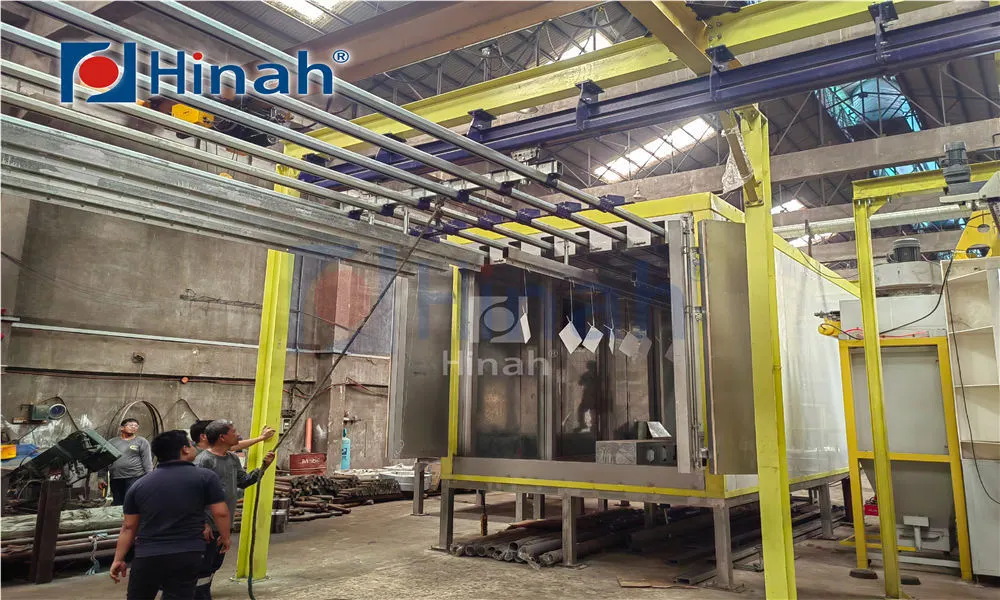
The coating oven stands as the single most influential piece of equipment in any powder coating line. Its thermal performance directly dictates film adhesion, gloss retention, mechanical resistance, and overall production yield. For industrial finishers, the difference between a well-tuned curing system and a poorly designed thermal enclosure often separates first-pass yield rates of 98% from scrap-heavy operations that bleed margin with every batch.
This examination moves beyond superficial temperature setpoints. We analyze the physical mechanisms of heat transfer, the fluid dynamics of recirculating air, the chemistry of crosslinking reactions, and the engineering decisions that convert thermal energy into consistent, repeatable film properties. Every section builds on the preceding one—from the fundamental physics of convection to the practical realities of daily oven operation.
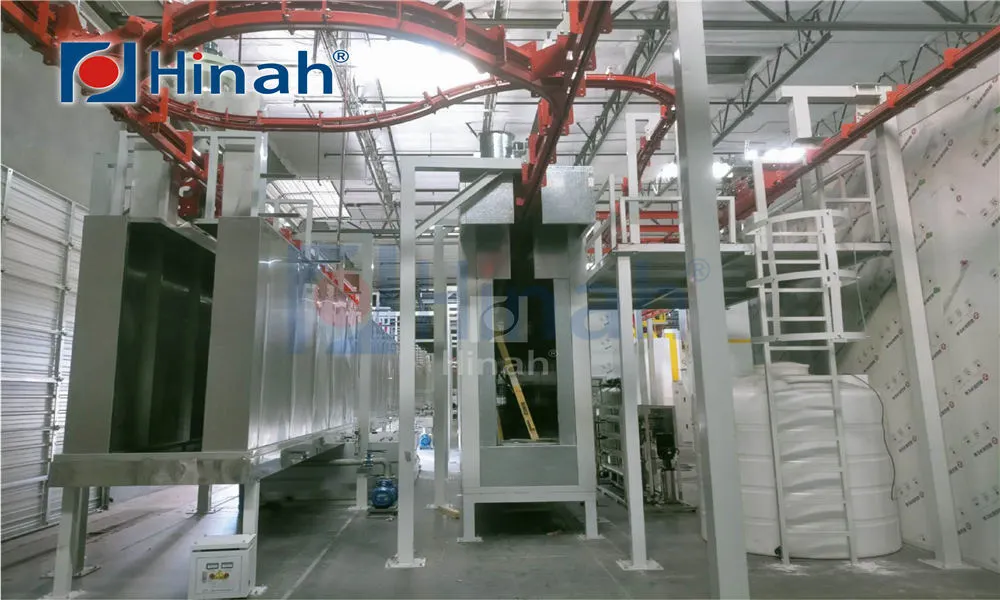
Thermal energy reaches the powder-coated substrate through three distinct pathways: forced convection, infrared radiation, and conduction through the conveyor or fixture. Of these, convection dominates in the vast majority of industrial coating oven designs, yet radiation plays an expanding role in hybrid systems that address complex part geometries. Conduction, while often overlooked, becomes significant when thick-wall components or dense fixture arrangements absorb and redistribute heat unevenly.
High-velocity recirculated air transfers heat to the powder film through surface boundary layer interactions. The heat transfer coefficient at the part surface depends on air velocity, turbulence intensity, and the temperature differential between the airstream and the substrate. In practical terms, this means that a coating oven with insufficient air turnover—typically below 10–15 air changes per minute—will exhibit prolonged ramp times and irregular peak temperatures across the load. The consequence is a film that either under-cures (poor mechanicals and solvent resistance) or over-cures (loss of gloss, embrittlement, and color shift), depending on position within the oven.
Air velocity profiling within the oven chamber reveals another layer of complexity. Nozzle arrays, baffle placement, and the return air plenum design collectively determine whether the airstream reaches every surface with equal intensity. Parts with deep recesses, blind holes, or overlapping surfaces require directed airflow that penetrates shadowed regions. Without this consideration, the coating oven produces acceptable cure on exposed faces while leaving sheltered areas tacky or porous.
Infrared (IR) heating elements—whether medium-wave or short-wave—supplement convective heat in situations where air circulation alone cannot overcome thermal shadows. IR energy travels in straight lines, directly heating the powder surface without relying on air as a transfer medium. This characteristic makes IR sections particularly valuable for parts with variable mass distribution, such as extruded profiles with thick and thin sections, or fabricated assemblies with welded joints that act as thermal sinks.
When IR and convection are combined in a single coating oven, the control strategy must synchronize both energy sources. A common approach positions IR boosters at the entrance zone to rapidly elevate the powder to its melt temperature, followed by convection-dominated holding zones that complete the crosslinking reaction. This hybrid configuration reduces total oven length and energy consumption while maintaining cure quality across mixed part loads.
Temperature uniformity—expressed as the maximum deviation from setpoint across the oven cross-section—ranks as the foremost performance metric for any curing system. Industrial specifications typically require ±5°C or better, yet achieving this tolerance in a production environment demands meticulous attention to airflow design, heater placement, and recirculation efficiency.
The air distribution system within a powder coating oven operates on a fundamental principle: supply and return paths must create a uniform velocity field across the load zone. Poorly designed systems produce velocity gradients that concentrate hot air near the ceiling while leaving the lower regions cooler by 8–12°C. This thermal stratification directly translates into cure variability between top and bottom rack positions.
Advanced oven designers employ computational fluid dynamics (CFD) modeling to predict air movement before fabrication. The resulting designs incorporate adjustable damper systems, perforated plenums with variable hole densities, and recirculation fans sized to deliver 20–30 air changes per minute. These parameters ensure that the coating oven maintains thermal stability even when the conveyor load fluctuates between full and partial occupancy.
Heater placement influences both temperature recovery time and spatial uniformity. Direct-fired gas burners, electric resistance elements, and thermal oil heat exchangers each impose different constraints on layout. Gas burners, for instance, require careful burner-to-burner spacing to avoid flame impingement and localized hot spots. Electric elements offer finer zoning control but increase operational cost per unit of heat delivered.
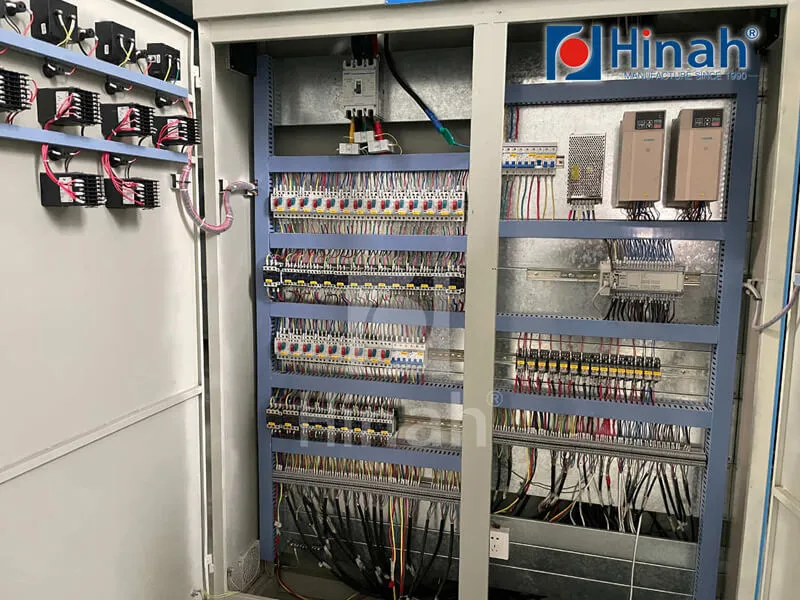
Multi-zone heater banks allow independent control of different oven sections, enabling the coating oven to maintain a flat thermal profile from entrance to exit. This zoning becomes essential when curing products with varying thickness or when running multiple powder chemistries in sequence. Each zone's PID controller adjusts firing rate based on thermocouple feedback, compensating for heat losses through conveyor openings and part entry/exit ports.
Powder coatings are thermoset polymers that require precise time-temperature exposure to complete the crosslinking reaction. The cure schedule—defined as the combination of peak metal temperature and duration at that temperature—must align with the specific resin-hardener system used. Generic "one-size-fits-all" settings inevitably produce suboptimal results, yet many operations continue to run fixed schedules regardless of powder batch variation.
The powder film transitions through multiple physical states during the curing process. Initially, the powder exists as a glassy solid at room temperature. As the coating oven raises the substrate temperature, the polymer passes through its glass transition temperature (Tg), where it transforms into a viscous liquid. This flow stage is critical for leveling surface imperfections and establishing adhesion to the substrate. Insufficient time in the liquid phase results in orange-peel texture and poor intercoat adhesion.
After the powder has flowed and wetted the surface, the temperature must continue to rise to the crosslinking activation energy threshold—typically 20–40°C above the Tg. At this point, the chemical reaction between resin and hardener proceeds at a rate governed by the Arrhenius equation. Every 10°C increase in temperature roughly doubles the reaction rate, meaning that small deviations in oven temperature have outsized effects on final cure degree.
The concept of time-temperature equivalence allows flexibility in setting cure schedules. A powder that cures fully in 15 minutes at 180°C may achieve equivalent crosslink density in 10 minutes at 190°C, or 20 minutes at 170°C. However, this equivalence has limits. Excessively high temperatures can degrade the resin backbone, causing yellowing, loss of impact resistance, or complete film failure. Excessively low temperatures, even with extended dwell times, may never reach the activation threshold, leaving the film permanently under-cured.
Modern coating oven controls incorporate cure-index algorithms that continuously calculate the accumulated thermal effect on each part. These systems track part temperature via infrared sensors or contact thermocouples and adjust conveyor speed or zone temperatures to maintain the target cure integral. This adaptive approach compensates for variations in part mass, ambient conditions, and powder batch reactivity.
Dividing the coating oven into independently controlled thermal zones offers significant advantages over single-zone designs. A typical configuration includes a preheat zone, a ramp zone, a soak zone, and sometimes a controlled-cooling section. Each zone serves a distinct purpose: preheat raises the substrate to a consistent starting temperature, the ramp zone delivers the initial energy spike to initiate flow, and the soak zone holds the part at the target cure temperature for the required duration.
Zone boundaries are defined by physical dividers or, in some designs, by the arrangement of supply and return ducts that create thermal curtains. These curtains—generated by high-velocity air jets—minimize cross-zone mixing and allow each section to operate at its own temperature setpoint. The result is a coating oven that can simultaneously process parts with different thermal requirements, provided they are loaded in separate zones.
HANNA integrates zone-based control architectures that combine PID temperature regulation with real-time data logging. This approach provides operators with actionable insights into zone performance and enables predictive adjustment of setpoints based on incoming part data.
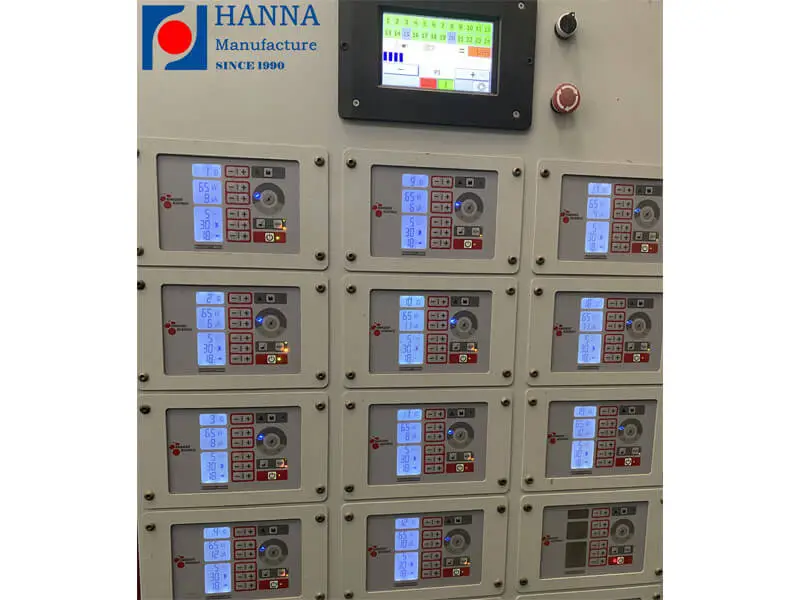
Energy consumption represents a significant operational expense for any industrial curing operation. The coating oven's thermal efficiency depends on three factors: insulation effectiveness, air seal integrity, and heat recovery utilization. Each factor interacts with the others, meaning that improvements in one area often reveal weaknesses in another.
Insulation materials for high-temperature ovens typically consist of mineral wool, ceramic fiber, or rigid board products with thermal conductivity ratings below 0.05 W/(m·K). Wall thicknesses range from 100mm to 200mm, with multiple layers of differing densities to minimize convection loops within the insulation cavity. The oven's floor and roof require the same attention as side walls, as heat loss through these surfaces often exceeds expectations due to insufficient support structures that act as thermal bridges.
Air seal integrity directly affects both energy consumption and temperature uniformity. Uncontrolled leakage through conveyor slots, access doors, and panel joints allows cool ambient air to enter and heated air to escape. This infiltration forces the heating system to work harder, introduces thermal gradients, and can compromise the cure schedule for parts near the leakage points. Effective sealing solutions include labyrinth-type entry/exit vestibules, air curtains, and positive-pressure balancing that slightly elevates internal pressure above ambient.
Heat recovery systems capture waste heat from exhaust streams and return it to the combustion air or preheat incoming makeup air. While the payback period for such systems varies with local energy rates, the reduction in carbon footprint and operational cost makes them increasingly common in new installations. HANNA has developed modular heat recovery units that integrate with existing exhaust stacks, offering a retrofit path for older ovens.
Even the best-designed coating oven will, over time, exhibit performance drift. Recognizing the symptoms of common deviations and knowing the corrective actions separates proactive maintenance from reactive crisis management.
Thermal overshoot at startup: When the oven heats from cold, the PID controller may apply maximum firing rate, causing the temperature to exceed setpoint by 10–15°C before stabilizing. This overshoot can cure the first parts of the day at excessively high temperatures, affecting gloss and color. Corrective action involves adjusting the ramp rate limit and tuning the PID parameters to dampen the initial response.
Temperature droop under heavy load: When a full conveyor load enters the oven, the thermal mass of the parts absorbs heat faster than the heating system can replenish it. The resulting temperature drop—often 5–8°C—extends the ramp time and may under-cure parts near the entrance. Solutions include preheating the oven before load entry, increasing the heater capacity margin, or implementing a load-shedding strategy that staggers part entry.
Cross-zone contamination: In multi-zone ovens, pressure imbalances between zones can cause cross-flow of air, carrying heat or contaminants from one section to another. This effect is particularly problematic when a preheat zone runs at lower temperature than a downstream soak zone, as the pressure differential draws hot air backward. Balancing the supply and return air volumes across zones, using adjustable dampers, resolves this issue.
Thermocouple drift and sensor bias: Thermocouples exposed to continuous high temperatures gradually oxidize, shifting their output and causing the controller to misread the actual temperature. Routine calibration against a reference standard—performed quarterly or semi-annually—detects and corrects these biases before they affect product quality.
Systematic maintenance preserves the thermal performance and reliability of the coating oven over its operational lifetime. The maintenance plan should address both the heating system and the air handling components with defined intervals and inspection criteria.
Filter replacement ranks as the most frequent maintenance task. Intake filters capture airborne particulates that would otherwise accumulate on heater surfaces and heat exchanger fins, reducing efficiency and creating fire hazards. Differential pressure gauges across the filter bank provide an objective measure of loading; replacement is indicated when the pressure drop doubles from the clean value.
Fan belt tension and bearing lubrication require quarterly attention. Loose belts reduce air volume and increase noise, while failed bearings can seize and damage the fan shaft. Thermographic inspection of electrical connections—especially on high-amperage heater circuits—identifies loose terminals or corroded contacts before they cause localized overheating or phase imbalance.
Insulation integrity assessment uses thermal imaging to locate areas where heat breaks through the oven shell. These hot spots indicate degraded insulation or missing sections, often caused by mechanical damage during part handling or structural movement from thermal cycling. Repairing these areas restores the original thermal resistance and reduces energy waste.
Door and panel seal inspection should occur monthly. Worn seals allow air leakage and can compromise the oven's internal pressure balance. Replacement seals are available in various profiles—bulb-type, lip-type, or sponge—to match the specific gap dimensions and operating temperature.
Q1: What is the optimal temperature range for powder coating curing in a coating oven?
A1: Most thermoset powder coatings cure within a metal temperature range of 160°C to 200°C, with 180°C being a common midpoint. The optimal temperature depends on the specific resin system: epoxy-polyester hybrids typically cure at the lower end (160–170°C), while TGIC-based polyester systems require 190–200°C. Always verify the recommended cure schedule from the powder supplier and validate it with actual part temperature measurements, as oven setpoint and part temperature rarely match exactly.
Q2: How does conveyor speed affect coating oven performance?
A2: Conveyor speed determines the residence time available for the part to reach and maintain the cure temperature. Slowing the conveyor increases dwell time, allowing thicker parts to reach thermal equilibrium with the oven air. However, excessive slowdown reduces throughput and may over-cure parts with low thermal mass. The optimal speed is calculated from the part's thermal response time and the oven's length, ensuring that every part spends sufficient time above the minimum cure temperature.
Q3: What causes uneven curing across parts in the same coating oven load?
A3: Uneven curing typically stems from three sources: airflow shadows that block convective heat from reaching certain part faces, variations in part thermal mass that cause different heating rates, and temperature stratification within the oven chamber. Airflow shadows are corrected by adjusting nozzle positions or adding deflectors. Mass variations require zone-based temperature compensation or preheating of high-mass components. Stratification demands airflow balancing or reconfiguration of return air paths.
Q4: How often should a coating oven be calibrated?
A4: Temperature calibration, using a certified reference probe, should be performed at least every six months under normal operating conditions. If the oven processes multiple powder types or experiences frequent shutdown/startup cycles, quarterly calibration provides additional safety. Calibration involves placing probes at multiple positions within the oven—at part height—and comparing readings to the controller's displayed temperatures. Any deviation exceeding ±2°C warrants adjustment of the controller's offset or sensor replacement.
Q5: Can a coating oven be used for both powder and liquid coating cure?
A5: While technically possible, using the same oven for both processes presents challenges. Liquid coatings emit volatile organic compounds (VOCs) during curing, requiring higher airflow and afterburner systems that are unnecessary for powder. Additionally, liquid cure temperatures often differ from powder schedules. Hybrid operation demands a flexible control system and extensive cleaning between product changes to avoid contamination. Many facilities maintain separate ovens to eliminate these compatibility issues and maintain process integrity.
Q6: What is the typical lifespan of a coating oven's heating elements?
A6: Electric heating elements in continuous operation at 180–200°C typically last 10,000 to 15,000 hours before significant output degradation occurs. Factors that shorten element life include thermal cycling (frequent on/off), voltage fluctuations, and contamination from airborne particles that accelerate oxidation. Monitoring amperage draw at each element provides early warning of failure; a 10–15% drop from baseline indicates imminent element replacement. Gas burner systems require burner tube replacement at 8,000–12,000 hours, with burner tips and igniters needing more frequent attention.
Q7: How does humidity affect coating oven performance and powder cure?
A7: Humidity primarily affects the powder before it enters the oven, by influencing its flowability and electrostatic chargeability, rather than during the cure process itself. However, high ambient humidity can reduce the oven's thermal efficiency by increasing the heat load required to raise the incoming air's temperature and by introducing moisture that may condense on cool startup components. Maintaining a dedicated oven with sealed intake and positive pressure minimizes humidity-related variability.
For detailed specifications, configuration support, or technical consultation on coating oven selection and integration, contact the engineering team at HANNA. Our process specialists provide in-depth analysis of your part mix, production targets, and facility constraints to deliver a curing system that aligns with your operational requirements.
Inquiry: Coating Oven Solutions — Submit your production parameters for a preliminary thermal assessment and equipment recommendation.