
For any industrial finishing operation, compliance is no longer the sole driver. The push for sustainable manufacturing is real, driven by regulation, corporate responsibility, and the clear economic benefits of efficiency. At the heart of this shift is advanced environmental protection equipment. This isn't just about filtering emissions; it's about integrating technology that reduces waste, reclaims materials, and slashes energy use from the start.
Ignoring this evolution risks significant fines, community relations issues, and unnecessary operational costs. Modern environmental protection equipment is a strategic investment that pays dividends. This article breaks down seven critical technologies that define today's sustainable finishing line, moving beyond basic compliance to operational excellence.
The right technology choices directly impact your bottom line and your environmental footprint. From reducing solvent emissions to recovering heat, each component plays a role in a cleaner, more profitable process.
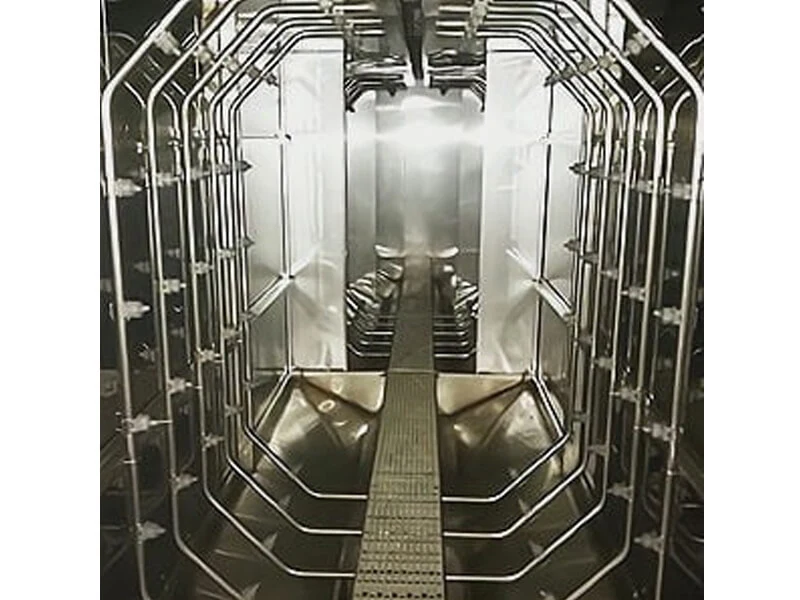
Volatile Organic Compounds (VOCs) from solvent-based paints are a primary regulatory concern. Thermal and catalytic oxidizers are the industry-standard environmental protection equipment for destroying these airborne pollutants.
A thermal oxidizer (TO) heats exhaust air to a very high temperature (1400°F+), oxidizing VOCs into carbon dioxide and water vapor. Modern units include primary heat recovery, often achieving over 95% thermal efficiency to drastically reduce fuel needs.
Catalytic oxidizers use a catalyst to enable oxidation at lower temperatures (500°F-600°F), saving energy. The choice depends on VOC concentration, airflow, and operational costs. Companies like HANNA integrate these systems with oven exhausts to create a cohesive, compliant emission control strategy.
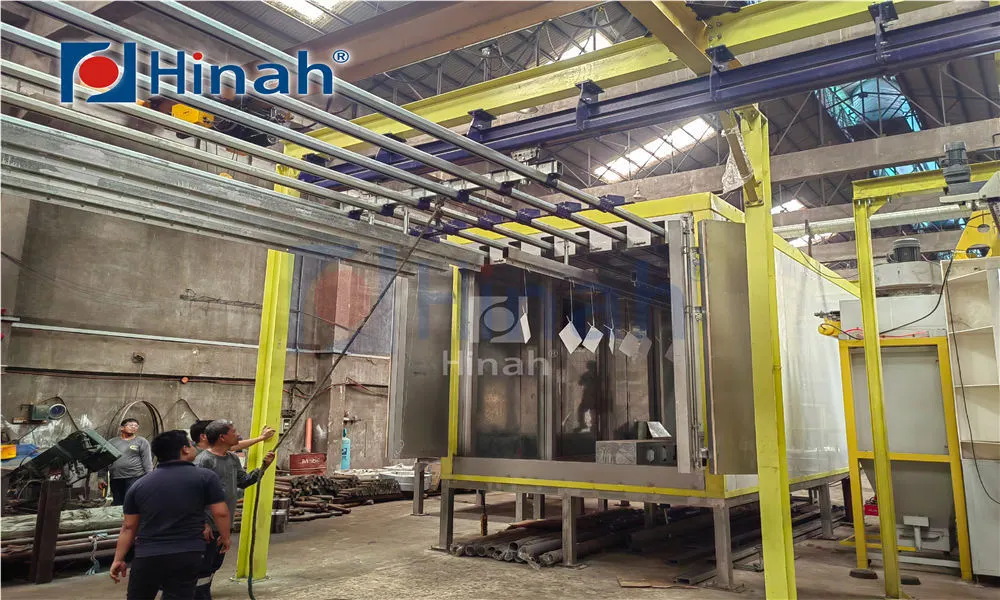
Powder coating is inherently more sustainable than liquid, but its environmental advantage hinges on efficient recovery. This core piece of environmental protection equipment ensures material waste is minimized.
High-efficiency systems use a series of cyclones and cartridge filters. Over 99% of overspray powder is captured, sieved, and reintroduced into the application process. This closed-loop approach achieves near 100% material utilization.
The latest systems feature self-cleaning pulse-jet filters and automated sieving. This maintains consistent powder quality and booth performance while ensuring no particulate matter escapes into the workplace or environment. It turns a potential waste stream into a reusable asset.
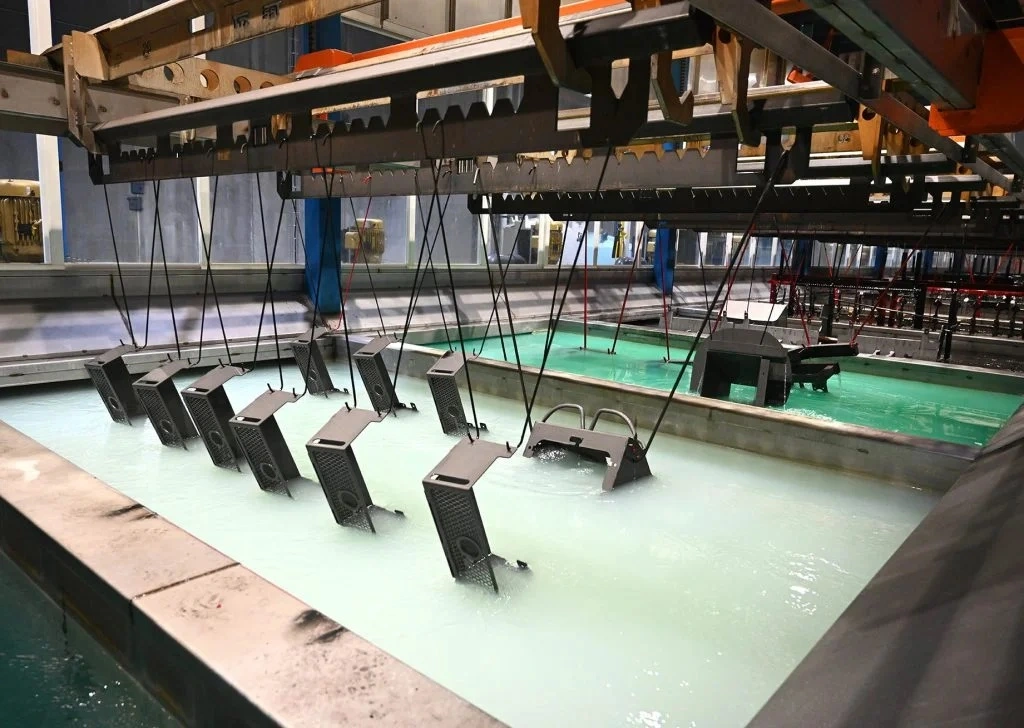
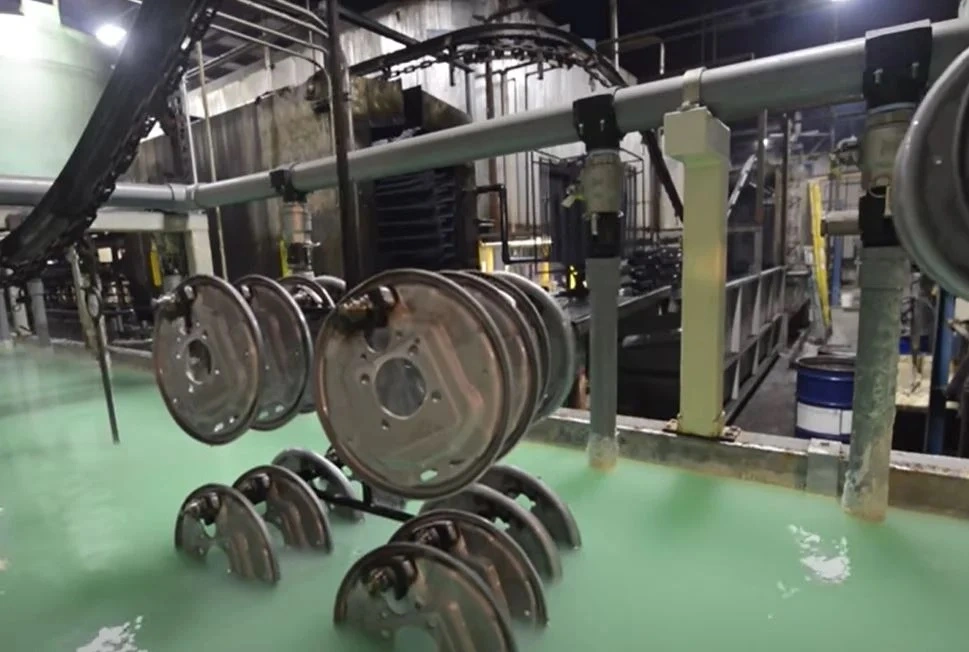
Traditional pretreatment uses zinc or iron phosphates and heavy metals, creating a complex wastewater stream. The latest environmental protection equipment in pretreatment focuses on chemistry innovation.
Newer zirconium and silicon-based pretreatments operate at room temperature, eliminating heating energy. They are phosphate-free, nitrate-free, and generate far less sludge. This reduces the load on subsequent wastewater treatment systems.
Manufacturers like HANNA design pretreatment stages around these modern chemistries. The result is a smaller environmental footprint from reduced energy consumption, fewer hazardous byproducts, and simpler wastewater management.
Pretreatment and booth washdown generate wastewater containing metals, oils, and suspended solids. On-site treatment is a critical component of environmental protection equipment.
Compact, automated systems use a combination of pH adjustment, flocculation, clarification, and filtration. Treated water can often be recycled back into the process for rinsing, dramatically reducing freshwater consumption and sewer discharge.
These systems ensure compliance with strict discharge limits. Investing in a robust wastewater treatment unit avoids costly off-site hauling and turns a compliance necessity into an opportunity for water conservation.
Curing ovens are the largest energy consumers in a finishing line. Modern environmental protection equipment includes technologies that capture and reuse this thermal energy.
Primary heat recovery involves using hot, clean exhaust air from the oven to preheat incoming fresh air. This can reduce oven fuel demand by 30% or more. Secondary recovery can channel waste heat to adjacent spaces or pretreatment tanks.
Beyond recovery, oven design is key. High-density insulation, improved burner technology, and precise temperature zoning prevent heat loss. An efficient oven from a provider like HANNA is one of the most effective pieces of environmental protection equipment for reducing a plant's overall carbon emissions.
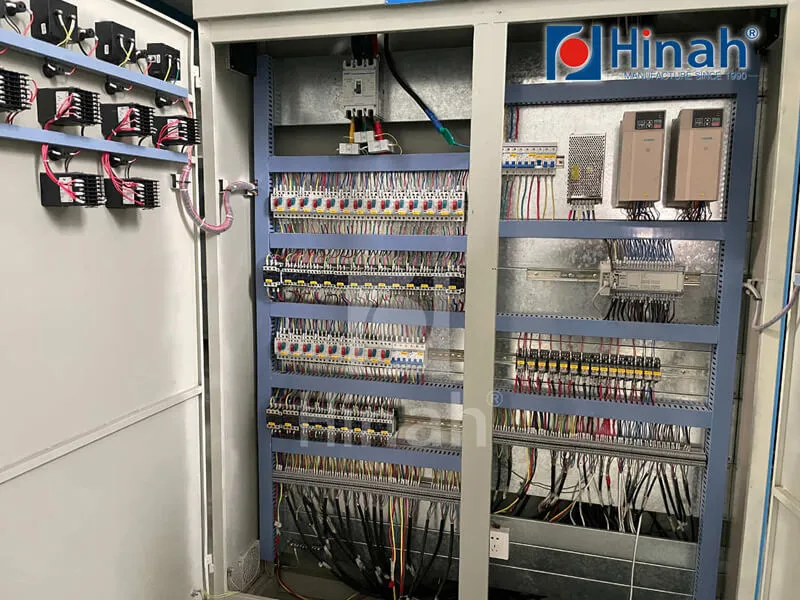
You cannot manage what you do not measure. Smart control systems are the brains that maximize the efficiency of all other environmental protection equipment.
These systems track real-time energy consumption, VOC emissions levels, powder-to-part transfer efficiency, and water usage. They provide actionable data to operators, highlighting inefficiencies the moment they occur.
This allows for predictive adjustments rather than reactive fixes. By optimizing the entire process, intelligent controls minimize the environmental impact at its source, ensuring all downstream equipment works as intended and no resources are wasted.
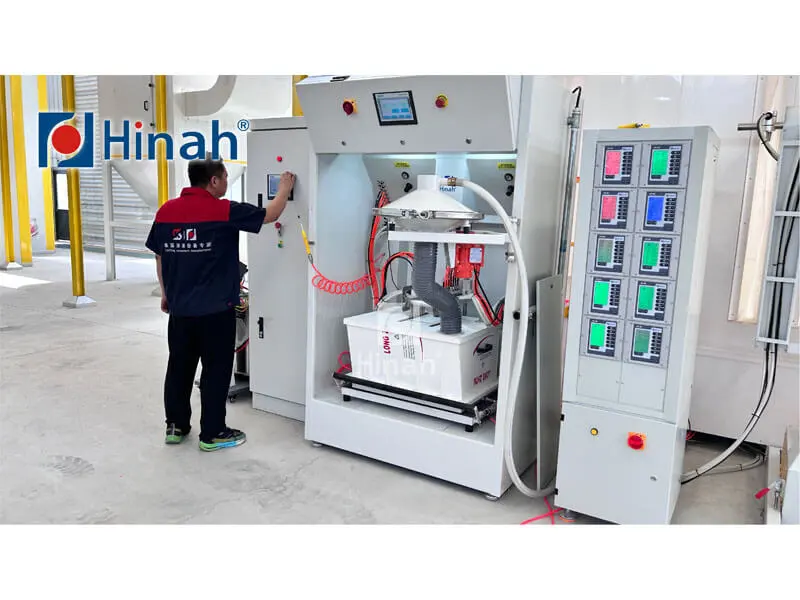
Prevention is the most fundamental form of environmental protection. This includes physical infrastructure designed to contain accidental releases before they enter the environment.
Key features include spill containment pallets for chemical storage, curbed and lined floors in chemical handling areas, and secondary containment for tanks and mix stations. While simple, this infrastructure is a vital first line of defense.
Integrating these features into the initial design of a finishing line is a mark of comprehensive planning. It demonstrates a commitment to operational safety and environmental stewardship that goes beyond the minimum requirements.
True sustainability in industrial finishing isn't achieved by installing one isolated piece of equipment. It requires a systems-thinking approach where each technology complements the others. The most effective environmental protection equipment works as an integrated whole.
For example, an energy-efficient oven reduces fuel use, which lowers the load on the oxidizer. Advanced powder recovery minimizes solid waste, simplifying disposal. Phosphate-free pretreatment reduces the complexity of wastewater treatment.
Partners like HANNA specialize in designing these synergistic systems. The goal is to create a finishing line where environmental performance and production efficiency are inseparable, building a resilient and responsible operation for the future.
Q1: What is the typical payback period for investing in energy-efficient environmental protection equipment like oxidizers with heat recovery?
A1: Payback periods vary but are often between 1.5 to 3 years for technologies like thermal oxidizers with high-efficiency heat recovery. The reduction in natural gas consumption is so significant that the energy savings can cover a large portion of the equipment's cost in a short time, making it both an environmental and financial win.
Q2: Can older, existing paint lines be retrofitted with modern environmental protection equipment?
A2: Yes, retrofits are common and often mandated by new regulations. Upgrades can include adding a new oxidizer, installing powder recovery modules in old booths, or integrating modern controls. The feasibility depends on space, existing infrastructure, and the line's condition. A site audit by an engineer from a company like HANNA can determine the best retrofit strategy.
Q3: How do zirconium-based pretreatments compare in performance to traditional iron phosphate?
A3: Extensive industry testing shows zirconium pretreatments provide equal or superior corrosion resistance and paint adhesion. They form a nanometer-scale layer versus the heavier crystalline layer of phosphates. The key advantages are environmental: no heavy metals, far less sludge, room-temperature operation, and compatibility with advanced environmental protection equipment for wastewater.
Q4: Is zero liquid discharge (ZLD) a realistic goal for an industrial finishing line?
A4: Approaching ZLD is increasingly realistic with the right technology stack. It involves advanced wastewater treatment (ultrafiltration, reverse osmosis) to produce clean water for reuse and a small stream of solid residue for disposal. While the initial investment is high, ZLD eliminates sewer fees and protects against future water scarcity or stricter discharge limits, making it a strategic long-term investment.
Q5: How do we monitor and prove compliance with VOC regulations to authorities?
A5: Modern oxidizer and control systems include continuous emission monitoring systems (CEMS). They log key parameters like oxidizer temperature, destruction efficiency, and sometimes direct VOC concentration. This data is stored and can be formatted into compliance reports automatically. This digital record-keeping is now a standard feature of integrated environmental protection equipment, providing auditable proof of compliance 24/7.