
Setting up a new finishing operation or upgrading an existing one is a major investment. The heart of this investment is the paint line system. This integrated network of equipment determines your final product quality, operational cost, and production capacity.
Choosing the wrong setup can lead to chronic defects, wasted material, and missed deadlines. Understanding the core components that make up a complete paint line system is the first step to making an informed decision. This breakdown will help you evaluate what you need, whether you're applying liquid paint, powder coat, or both.
A reliable system is more than just a spray booth and an oven. It's a synchronized process. Each stage must perform flawlessly to ensure the next stage can do its job. We'll examine the six critical modules that define a modern, efficient industrial line.
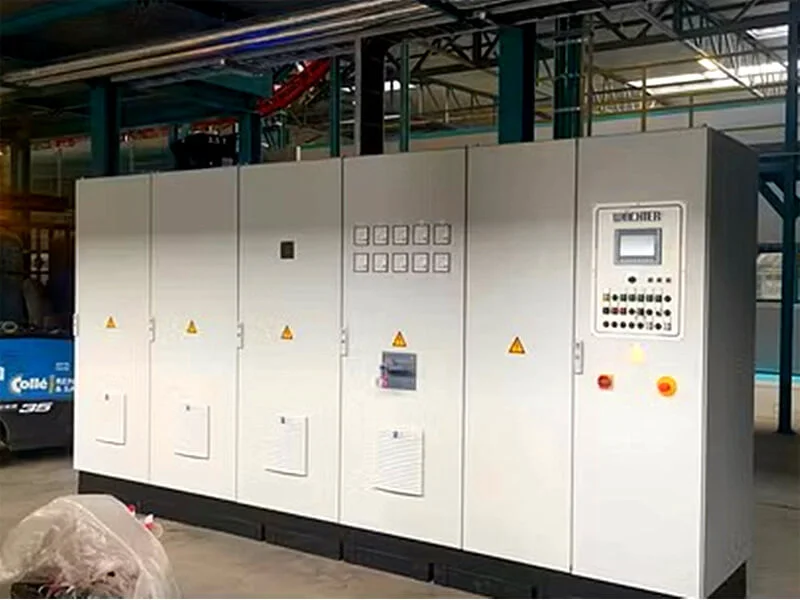
This is the non-negotiable foundation. Surface preparation accounts for over 70% of a coating's performance and adhesion. A sophisticated paint line system begins with thorough cleaning and chemical treatment.
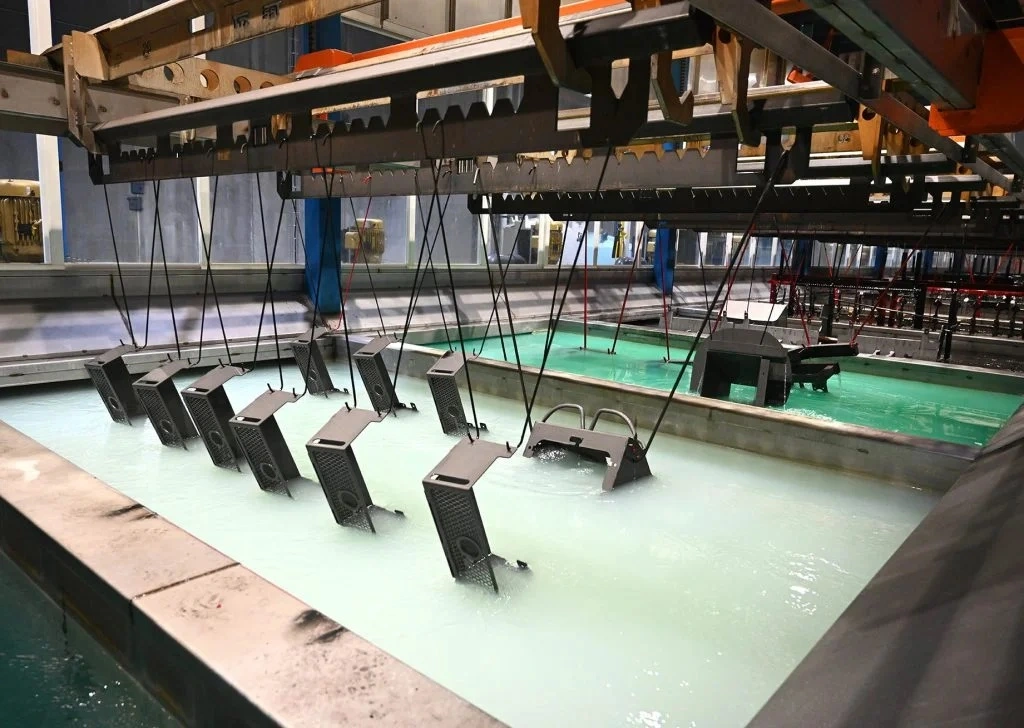
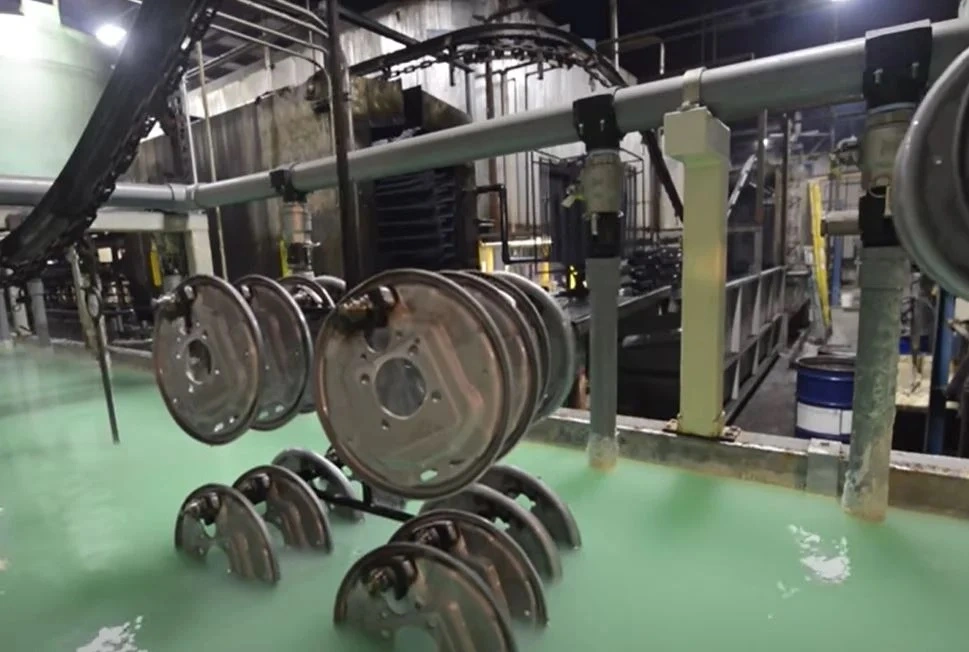
Stages typically include washing, rinsing, etching, and conversion coating (like phosphate or zirconium). The method can be spray tunnels for most parts or immersion tanks for complex geometries. The goal is to remove oils, soils, and oxides, creating a uniformly reactive surface.
Without proper pretreatment, even the most expensive paint will fail through peeling, blistering, or corrosion. Companies like HANNA design this stage with precise chemical control, temperature management, and filtration to ensure consistency part after part.
After parts are washed and chemically treated, they must be completely dry before any paint is applied. This stage is often overlooked but is vital. A dedicated drying oven removes all moisture from the pretreatment process.
Introducing wet parts into a painting booth causes immediate defects. Using the main curing oven for this job is inefficient and wastes significant energy. A standalone drying oven, often operating at a lower temperature, is the professional solution.
In a well-designed paint line system, this oven ensures parts enter the application area at a stable, ambient temperature and in a moisture-free state. This simple step dramatically reduces reject rates.
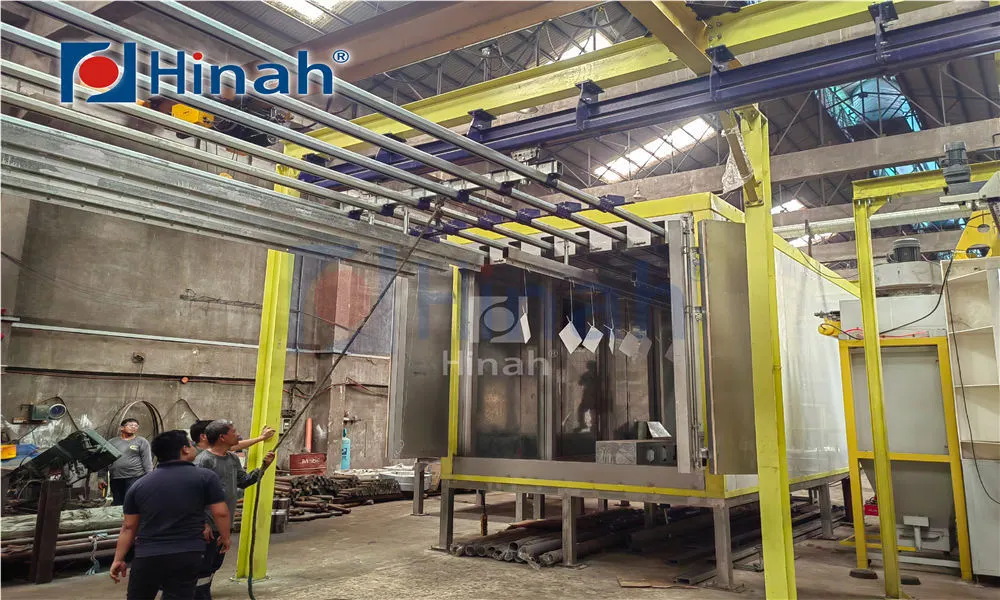
This is where the coating is applied. The design of the booth depends entirely on the technology used. For liquid paint, it requires robust ventilation and water or dry filtration to capture overspray. For powder coating, the booth is part of a recovery loop.
Powder coating booths are engineered for maximum transfer efficiency. They feature aerodynamic interiors to keep overspray airborne for collection. Integrated recovery systems—using cyclones and cartridge filters—capture over 99% of unused powder for sieving and reuse.
Companies like HANNA focus on booth ergonomics and accessibility for operators. Lighting, airflow, and gun mounting systems are optimized to reduce fatigue and ensure consistent application quality, which is central to the paint line system's output.
Curing transforms the applied coating into its final, durable finish. For powder, this is a thermosetting chemical cross-linking process. For liquid paints, it may involve solvent evaporation or thermal curing.
The curing oven must provide precise, uniform temperature control across the entire part profile. Hot spots or cold zones lead to under-cure or over-cure. Modern ovens use advanced airflow technology, often with independent top and bottom zones, to ensure heat reaches all part surfaces evenly.
Energy efficiency here is a major cost factor. Insulation quality, heat recovery systems, and burner technology directly impact your operating budget. A high-efficiency oven from a quality manufacturer pays for itself through lower fuel consumption.
The conveyor is the literal backbone that ties every component together. It moves parts through every stage at a controlled pace. The choice of conveyor type is a critical design decision.
Common systems include overhead monorails (I-beam or enclosed track), power & free systems for accumulation, and floor-mounted conveyors like chain-on-edge. The choice depends on part weight, size, production volume, and the need for process flexibility.
A reliable conveyor from a specialist like HANNA ensures smooth, jitter-free transport. Vibration during curing can cause finish defects. The system must be robust, require minimal maintenance, and be scalable for future expansion of the paint line system.
Today's industrial lines are smart. The control system is the brain that monitors and coordinates all other components. It goes far beyond simple temperature displays.
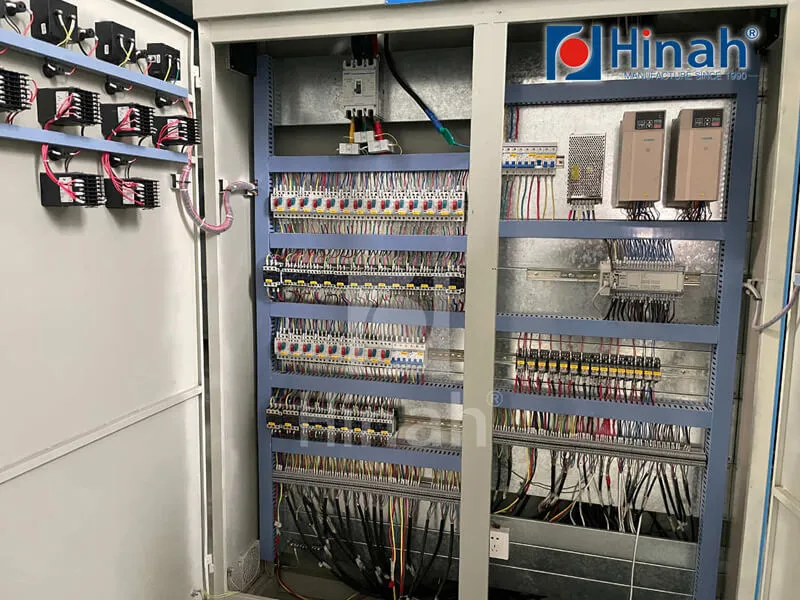
Modern PLC-based controls provide real-time data on oven profiles, conveyor speed, booth airflow, and system pressures. They enable recipe management for different parts and generate reports on energy usage and production cycles.
This intelligence allows for predictive maintenance, reducing unplanned downtime. Operators can diagnose issues from a central touchscreen HMI. Investing in a smart control system transforms your line from a collection of machines into a manageable, optimized asset.
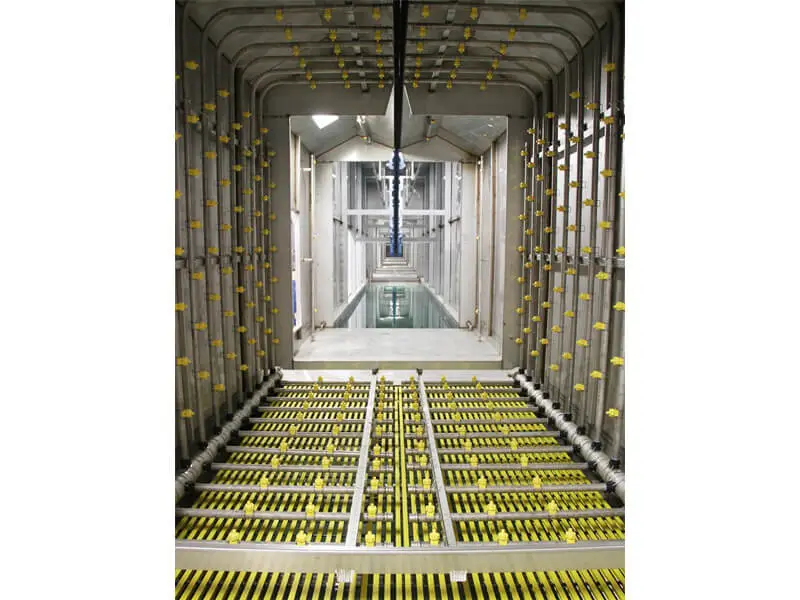
A high-performance paint line system is defined by how well these six components are integrated. They must be engineered to work together seamlessly. A bottleneck in pretreatment will limit the entire line. An undersized oven will become a production choke point.
This is where experienced manufacturers like HANNA provide immense value. They don't just sell individual pieces; they engineer a cohesive process. The goal is to deliver a balanced system where each stage operates at its peak in harmony with the others.
When evaluating a paint line system, always consider the complete process flow. The synergy between cleaning, application, and curing determines your final product quality and business profitability. The right integrated solution is a competitive advantage.
Q1: What is the main difference between a paint line for liquid vs. powder coating?
A1: The core difference is in the application and recovery stage. Liquid lines require booths with intense ventilation and wet or dry filtration to capture solvent overspray, which is waste. Powder lines use booths designed to recover over 99% of the unused, non-toxic powder for immediate reuse, offering higher material efficiency and easier cleanup.
Q2: How do I determine the right conveyor speed for my paint line system?
A2: Speed is calculated based on your desired production rate (parts per hour), the total curing oven length, and the required cure time. For example, if parts need 20 minutes of cure time and your oven is 40 meters long, the maximum conveyor speed is 2 meters per minute. A good manufacturer will run these calculations with you during the design phase.
Q3: Can a single paint line system handle both powder and liquid coatings?
A3: It's technically possible but complex and uncommon. It requires two separate application booths (one for liquid, one for powder) sharing the same pretreatment, drying, and curing infrastructure. The curing oven must be suitable for both types of coatings. This hybrid approach is usually only cost-effective for specific, high-mix applications and requires expert design from a company like HANNA.
Q4: What is the typical energy consumption footprint of an industrial paint line?
A4: The curing ovens are the largest energy consumers, often accounting for 60-80% of total energy use. Consumption depends on oven size, insulation, operating temperature, and part throughput. Modern, well-insulated ovens with heat recovery can significantly reduce this footprint. An energy audit during the design phase can provide specific estimates for your operation.
Q5: How much customization is possible with a standard paint line system design?
A5: While manufacturers offer modular designs, significant customization is standard to fit your space, parts, and process. This includes the physical layout (straight, U-shaped, multi-level), conveyor type, booth openings, oven heat sources, and control system complexity. Reputable manufacturers treat every project as a custom-engineered solution to meet exact production goals.