
For manufacturers facing rising costs and tighter quality standards, the finishing department often becomes a bottleneck. Manual powder coating operations struggle with consistency, waste management, and labor challenges. This is where the shift to robotics and integrated control makes a decisive impact. Investing in modern automated powder coating systems is no longer a luxury for high-volume players; it's a strategic necessity for any shop serious about competitiveness, quality, and growth.
The transition from manual booths to a fully orchestrated automated line represents a fundamental change in workflow. It moves coating from a skilled craft subject to human variability to a repeatable, data-driven manufacturing process. The benefits extend far beyond simply replacing a painter with a robot. We will explore five key areas where these systems deliver transformative value, examining the tangible improvements in output, cost, and finish quality that define next-generation manufacturing.
Understanding the scope of this transformation is crucial for making an informed investment. True automated powder coating systems integrate more than just robotic arms. They encompass smart material handling, precision application technology, and centralized process intelligence.
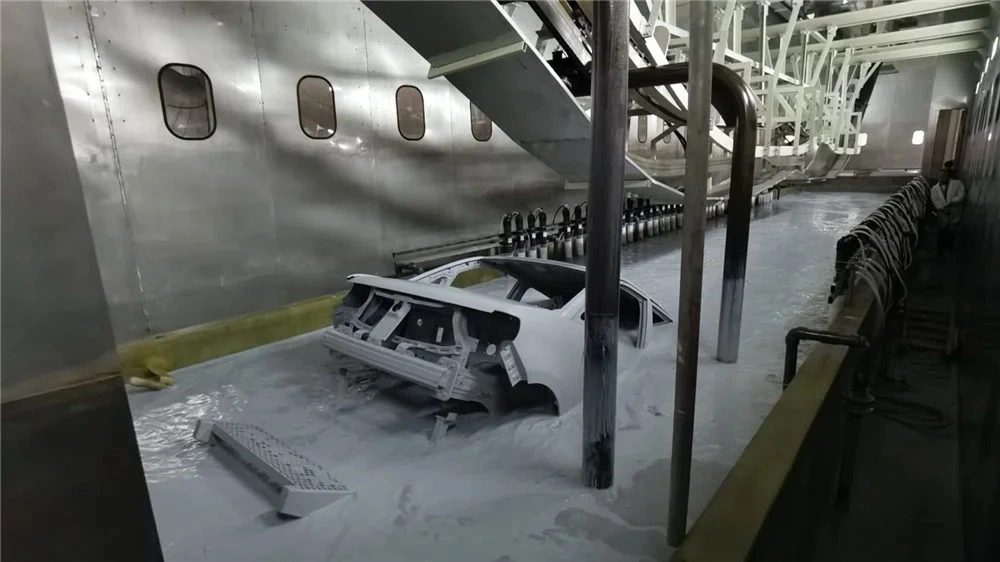
Human operators, no matter how skilled, experience fatigue and minor variations in technique. A robotic applicator does not. This is the most immediate advantage of automated powder coating systems.
Programmed robots follow the exact same path, speed, and gun parameters for every part in a batch. They maintain a consistent distance and angle to the substrate. This eliminates common defects like orange peel, dry spray, or inconsistent film build caused by manual variation.
The result is a dramatic increase in first-pass yield. Rework and touch-ups plummet. For companies like HANNA, programming these paths using advanced offline simulation software ensures the robot's movements are optimized before the first part is coated, guaranteeing precision from the start.
Powder coating is already efficient, but automation pushes material savings to the theoretical maximum. Manual application typically achieves 40-70% transfer efficiency. Automated powder coating systems consistently reach 95% or higher.
Robots apply powder only where it is needed, at the optimal flow rate. The reduction in overspray is immediate and significant. This directly translates to lower material costs per part.
Furthermore, integrated smart recovery systems, like high-efficiency cartridge filters, capture nearly all overspray. This clean powder is automatically sieved and reintroduced into the feed system. The combination of high transfer efficiency and robust recovery creates a near-closed-loop material cycle, minimizing waste disposal costs.
Automation breaks the physical limit of how many parts one person can coat in a shift. Robots work continuously without breaks, at a steady, programmable pace. This allows automated powder coating systems to achieve significantly higher line speeds.
More importantly, automation enables complex parts to be coated faster. A multi-axis robot can manipulate a gun through intricate geometries in a single, fluid motion that would be slow and ergonomically challenging for a human.
When integrated with automated part handling—such as synchronized turntables, reciprocators, or overhead conveyors—the entire process flows seamlessly. Bottlenecks are removed. HANNA's lines often focus on this synchronization, ensuring the application cell is never waiting for a part or vice versa, maximizing asset utilization.
Removing operators from the immediate spray environment addresses several safety concerns. Automated powder coating systems isolate personnel from airborne powder particulates, repetitive motion injuries, and exposure to the high-voltage electrostatic charge from spray guns.
This creates a safer, cleaner workplace. It also allows companies to reallocate skilled labor to higher-value tasks. Instead of holding a spray gun, technicians now monitor the control system, perform quality checks, manage color changes, and conduct preventive maintenance.
This shift improves job satisfaction and operational stability. It turns the coating process from a physical labor role into a technical oversight position, aiding in workforce retention and development.
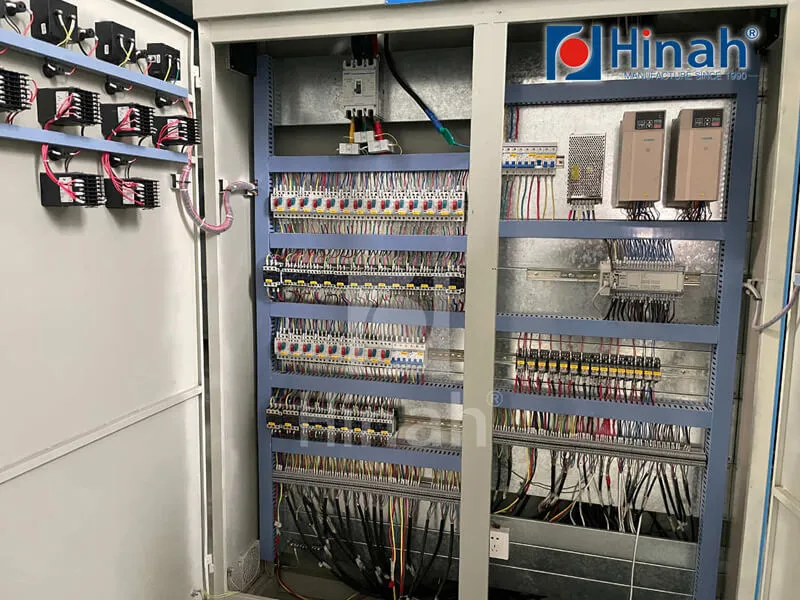
Modern automated powder coating systems are built on a backbone of intelligent control software. This transforms the coating process from an art into a science. Every parameter is monitored, logged, and controlled.
The system records gun kV and microamps, powder flow rates, robot trajectories, booth conditions, and cure oven temperatures for every batch. This data provides complete traceability. If a quality issue arises, you can review the exact parameters used for that specific part.
This level of control enables predictive maintenance. The system can alert technicians to a gradual drop in gun performance or a filter needing attention before it causes a defect. For manufacturers in regulated industries, this digital record-keeping is invaluable for compliance and quality audits.
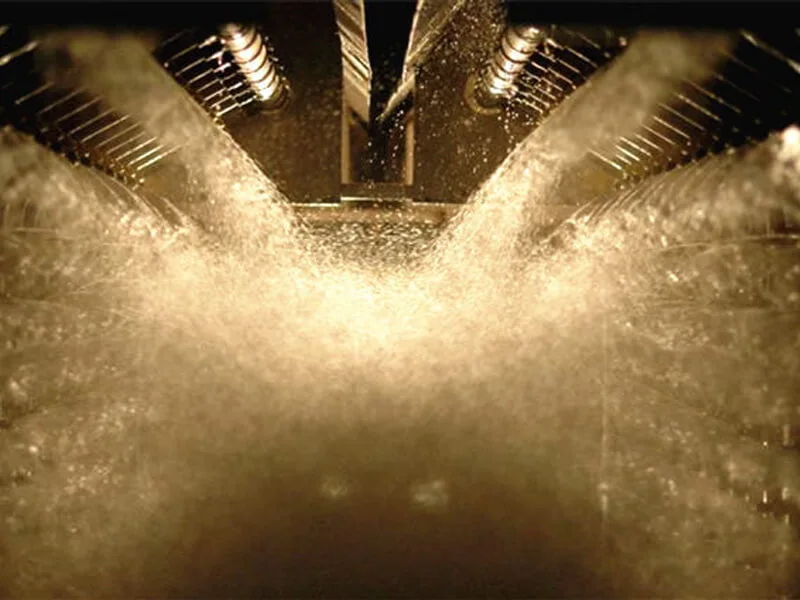
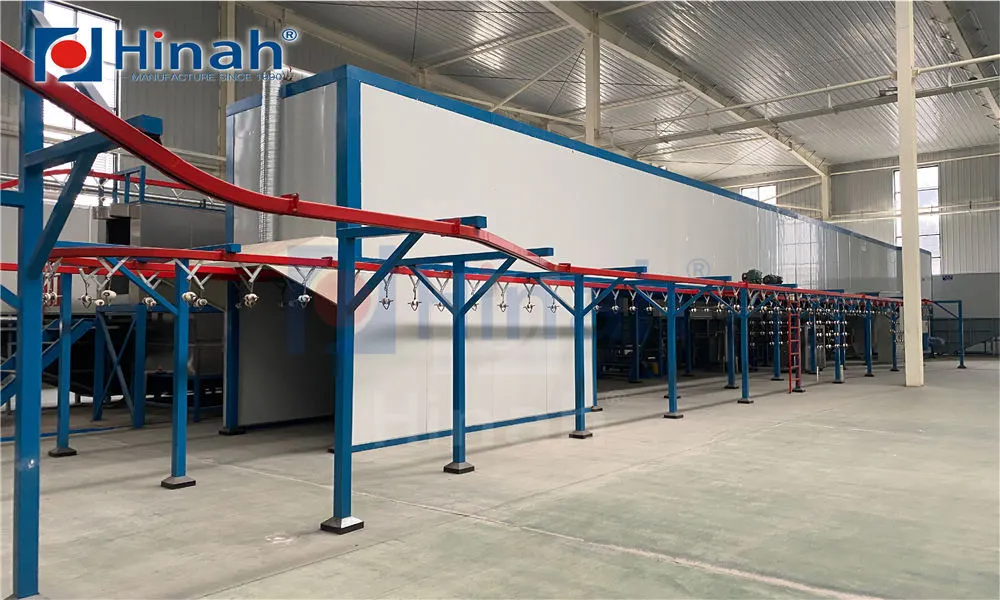
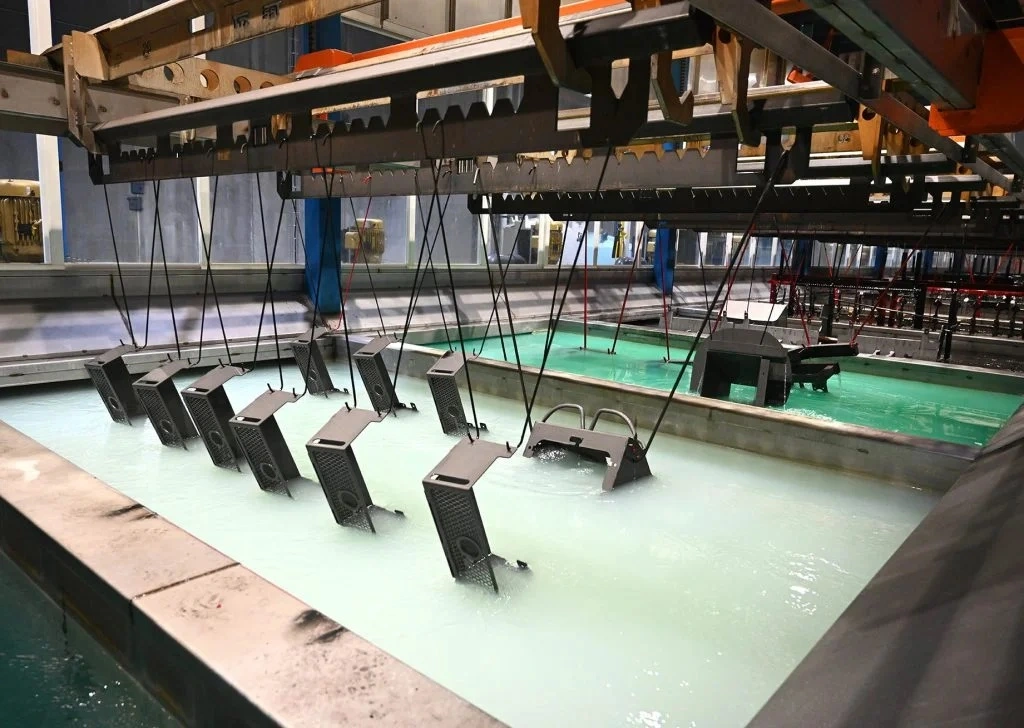
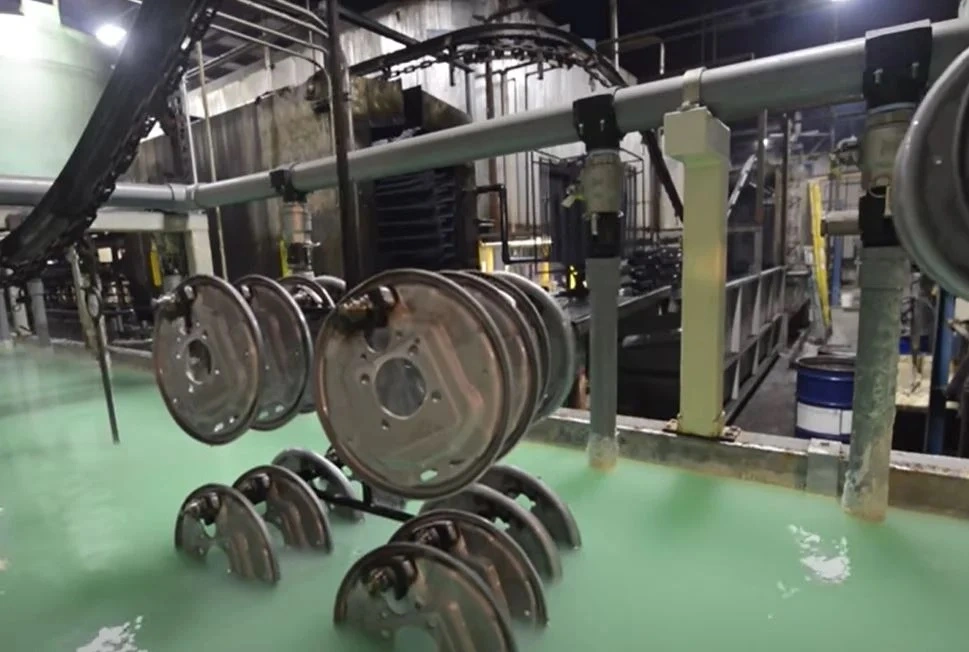
The true power of automation is realized not from standalone robots, but from a fully integrated solution. The best automated powder coating systems from providers like HANNA are designed as a cohesive unit. The pretreatment, drying, automated application, and curing stages communicate with each other.
The conveyor system tells the robot what part is entering the booth. The recovery system informs the control panel of powder levels. This integration minimizes downtime, optimizes energy use, and ensures a smooth, uninterrupted production flow.
When evaluating automated powder coating systems, consider the whole ecosystem. The synergy between mechanical handling, robotic precision, and digital intelligence is what delivers the promised return on investment. It’s a upgrade that reshapes your entire finishing operation’s potential.
Q1: What is the typical return on investment (ROI) period for an automated powder coating system?
A1: ROI periods vary based on production volume, part complexity, and current labor/material costs. Many operations see a payback in 18 to 36 months. Savings come from reduced powder usage (30-50% less waste), lower labor costs per part, a significant drop in rework, and increased throughput. A detailed analysis from an engineer at HANNA can model this for your specific application.
Q2: Can an automated system handle rapid color changes and small batch sizes?
A2: Yes, modern systems are designed for flexibility. Quick-color-change (QCC) booths with automated purge sequences can change colors in as little as 5-10 minutes. For small batches, offline robot programming is key. New programs can be simulated and loaded instantly, minimizing changeover downtime. This makes automation viable for high-mix, low-volume production.
Q3: How complex is the programming for the robotic applicators?
A3: Current systems are designed for ease of use. Most programming is done offline using intuitive 3D simulation software on a standard PC. The operator defines the part's geometry and coating requirements, and the software generates an optimized robot path. This program is then uploaded to the cell. No traditional robot coding knowledge is required for day-to-day operations.
Q4: What maintenance is required for automated powder coating systems compared to manual booths?
A4: Maintenance shifts from booth cleaning to more technical, scheduled checks. Daily tasks may include inspecting guns and cleaning sensors. Weekly maintenance involves checking robot mechanical units and lubrication. The automated recovery system and filters require regular service. Overall, it becomes more predictable and planned, reducing unexpected breakdowns.
Q5: Can we automate only part of our line, or is it all-or-nothing?
A5: A phased approach is very common. Many companies start by automating the application process for their most volume-intensive or complex parts, while keeping manual stations for smaller items or prototypes. Providers like HANNA design modular systems that allow for this hybrid approach, with the option to add full part handling and pretreatment automation later as needs grow and budget allows.