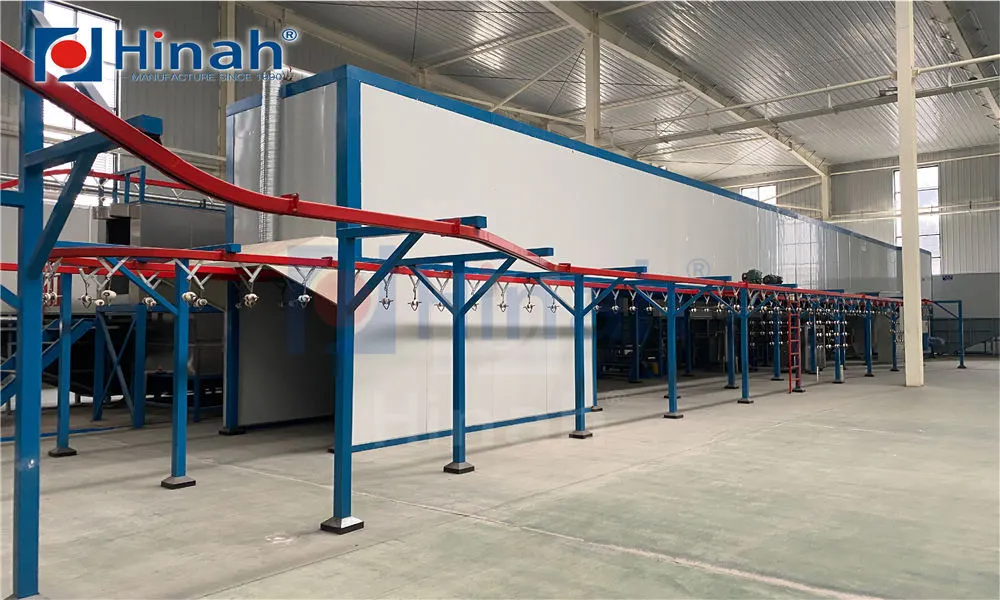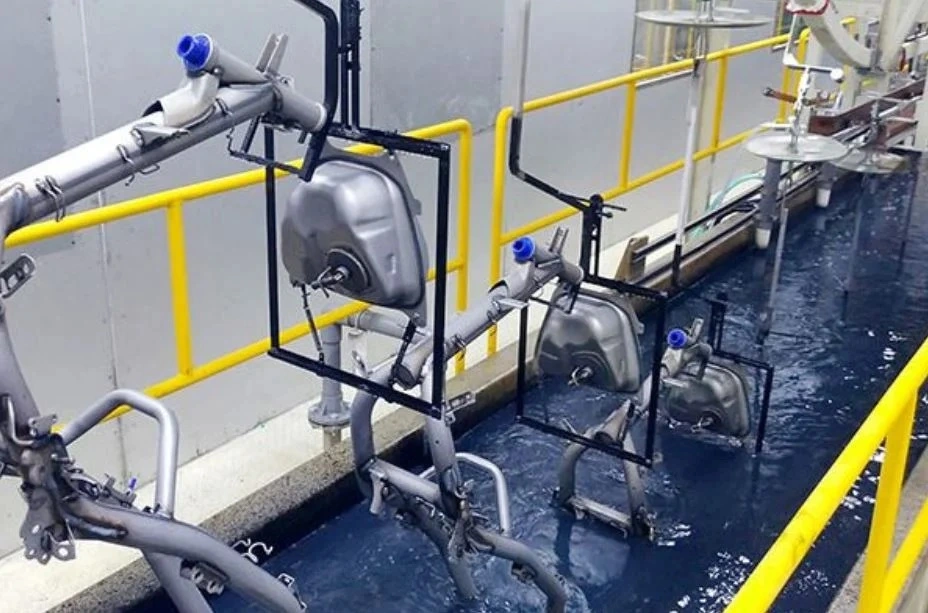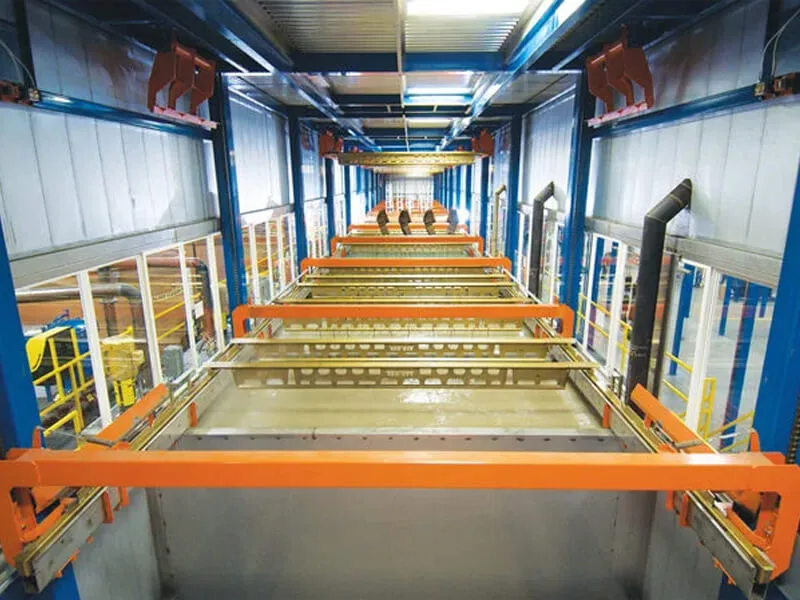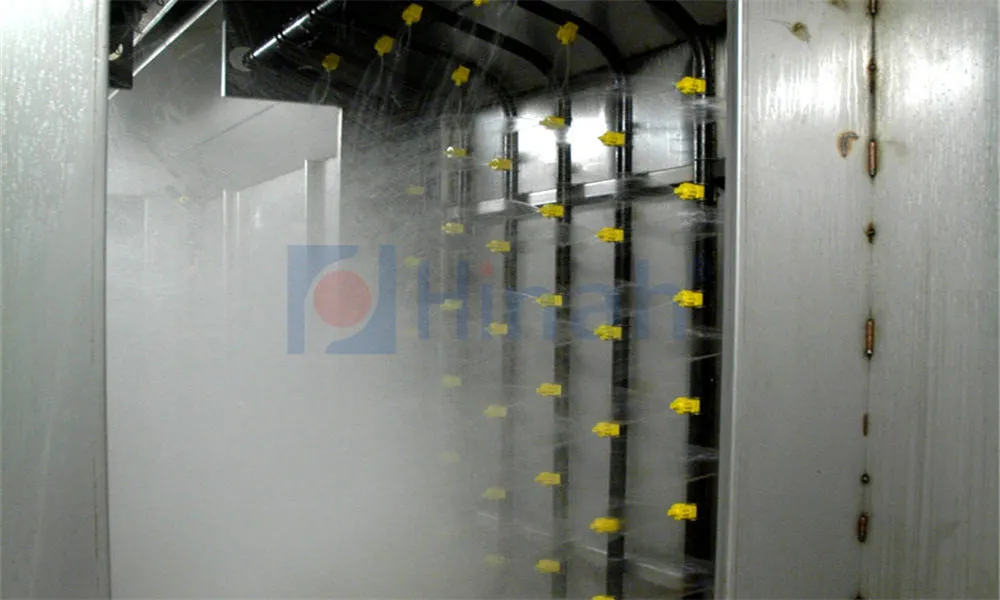

In the powder coating industry, maintaining high-quality finishes goes hand-in-hand with responsible manufacturing practices. This requires integrating specialized Environmental protection equipment into the production line. Such equipment is no longer optional; it is essential for regulatory compliance, operator safety, and sustainable operations. This guide explores the key systems that minimize environmental impact, with insights from industry experts like HANNA.
Controlling airborne particulate matter is a primary concern in any powder coating facility. Effective Environmental protection equipment for air management protects both workers and the surrounding environment from powder overspray and other contaminants.
The powder coating booth is the heart of the application process, and its integrated recovery system is the first line of defense. It captures overspray directly at the source.
A well-designed recovery system from a supplier like HANNA maximizes powder reuse and ensures exhaust air meets stringent cleanliness standards.
While powder coating is a low-VOC process, ancillary operations like pretreatment or the use of certain sealants can generate fumes. Proper Environmental protection equipment is necessary to address these emissions.
For processes that do generate harmful fumes, abatement technology destroys or captures pollutants before they are released into the atmosphere.
Selecting the right technology depends on the type and volume of emissions, a decision where expert advice is invaluable.
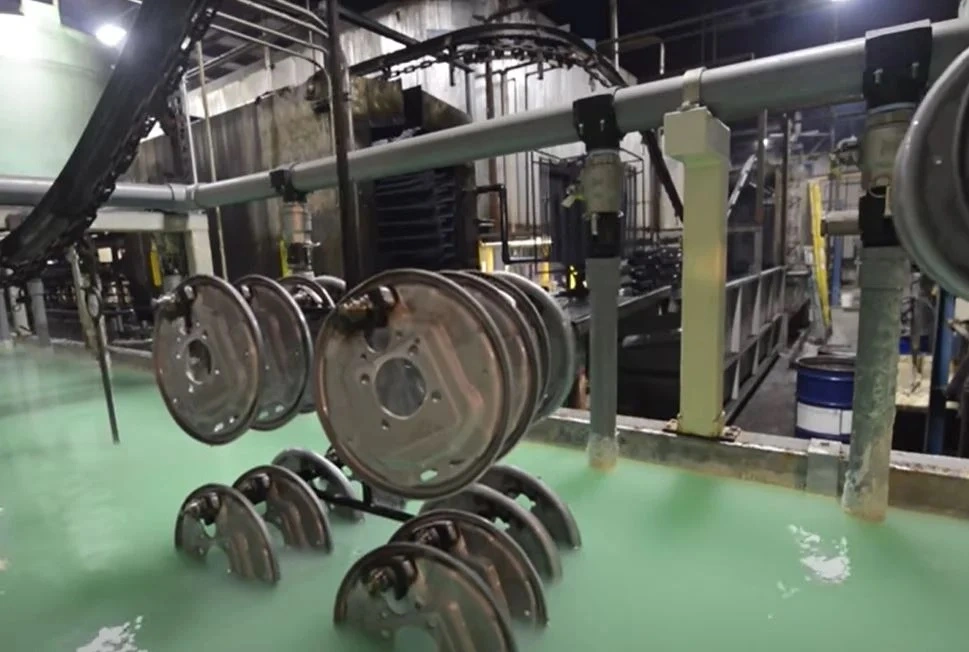
The pretreatment stage in a coating line uses significant water and chemicals. Managing this effluent is a critical environmental responsibility, requiring dedicated Environmental protection equipment.
Modern facilities aim to minimize or eliminate wastewater discharge through advanced treatment and recycling.
Implementing these systems not only protects local waterways but also dramatically reduces fresh water consumption and sewer costs.
Powder coating operations generate solid waste, such as spent pretreatment sludge and contaminated powder. Proper handling with the correct Environmental protection equipment prevents soil contamination.
Reducing the volume and hazard of waste simplifies disposal and lowers costs.
These solutions turn a waste management challenge into a controlled, efficient process.
Environmental protection extends beyond direct emissions to include the conservation of resources. Energy-efficient Environmental protection equipment reduces the carbon footprint of a coating line.
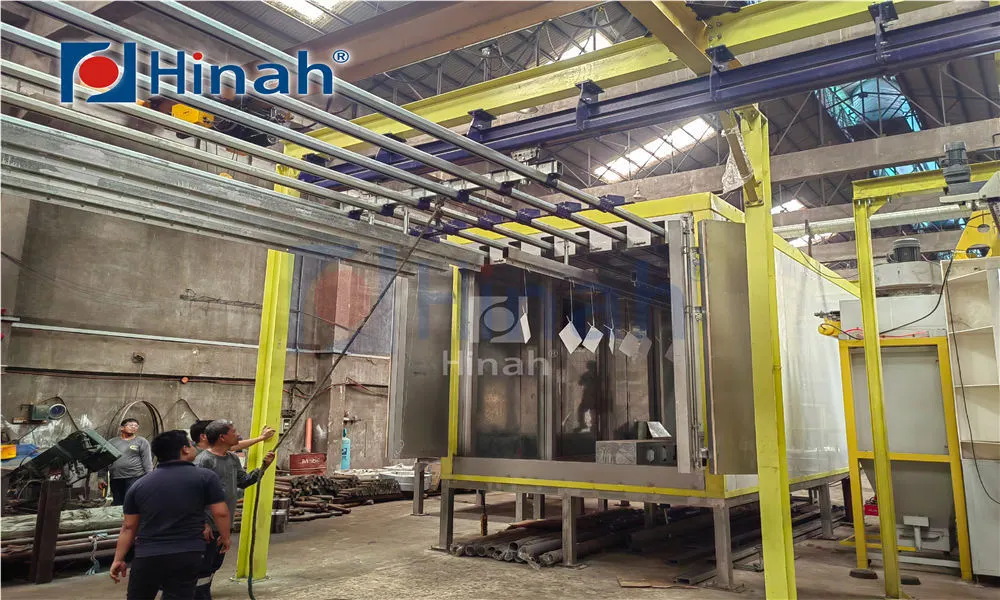
Curing ovens are major energy consumers. Capturing and reusing this waste heat is both economically and environmentally smart.
Companies like HANNA integrate these features into their oven designs, helping clients meet sustainability goals.
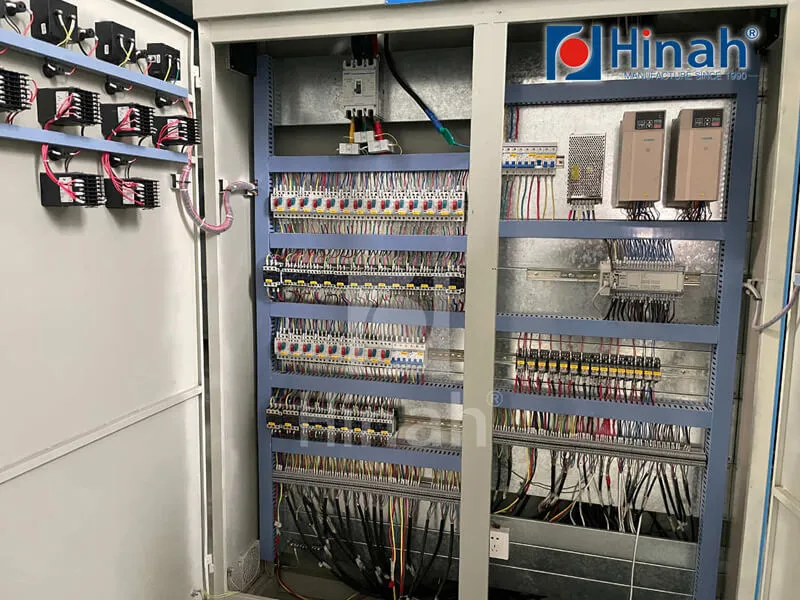
Proving compliance with environmental regulations requires accurate data. Modern monitoring Environmental protection equipment provides the necessary documentation and process control.
For facilities with strict permit requirements, real-time monitoring is essential.
This equipment transforms environmental management from a reactive to a proactive, data-driven function.
Implementing comprehensive Environmental protection equipment is a strategic investment that safeguards a company's operational license, community standing, and the planet. From air and water treatment to waste reduction and energy recovery, each system plays a vital role in a responsible manufacturing ecosystem. Partnering with experienced suppliers like HANNA, who understand the integration of these technologies into a cohesive coating line, ensures not only compliance but also long-term efficiency and corporate responsibility.
Q1: Is environmental protection equipment legally required for all powder coating shops?
A1: Yes, most jurisdictions have regulations governing air emissions (particulate matter), wastewater discharge, and hazardous waste handling. The specific requirements and the threshold for compliance vary by location and facility size. Consulting with local authorities and an experienced Environmental protection equipment supplier is essential to determine your obligations.
Q2: What is the most important environmental protection equipment for a new powder coating line?
A2: The integrated powder recovery and air filtration system within the coating booth is the most critical starting point. It addresses the primary waste stream (overspray) directly, ensuring clean air in the workplace and minimizing powder waste. Following this, a well-designed pretreatment and rinse water management system is equally vital.
Q3: Can environmental protection equipment save money, or is it just a cost?
A3: While there is an upfront investment, this equipment often provides a strong return. Savings come from reduced material consumption (powder recovery), lower water and energy bills (recycling and heat recovery), decreased waste disposal fees (sludge dewatering), and avoiding substantial regulatory fines for non-compliance.
Q4: How do we maintain this equipment to ensure it remains effective?
A4: Regular maintenance is crucial. This includes scheduled replacement of filter cartridges, cleaning of heat exchanger surfaces, calibration of monitoring sensors, and timely removal of collected sludge and waste. Suppliers like HANNA typically provide detailed maintenance schedules and support to keep systems running optimally.
Q5: Are there government incentives for installing energy-efficient or pollution-control equipment?
A5: In many regions, yes. Governments and utilities may offer tax credits, grants, or rebate programs for installing equipment that reduces energy consumption, water usage, or VOC emissions. It is worthwhile to investigate these programs during the planning stage of your project, as they can significantly offset capital costs.