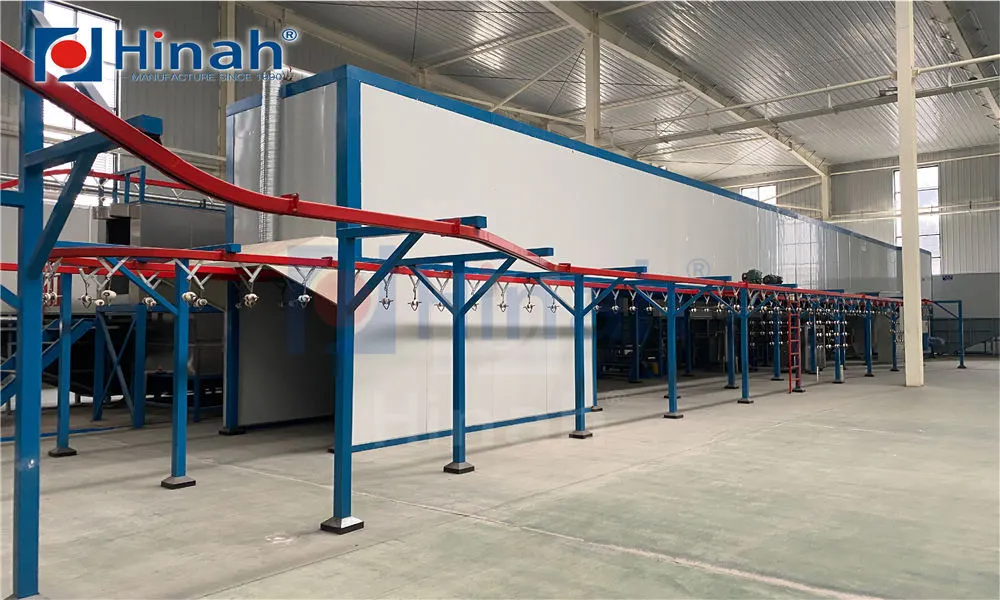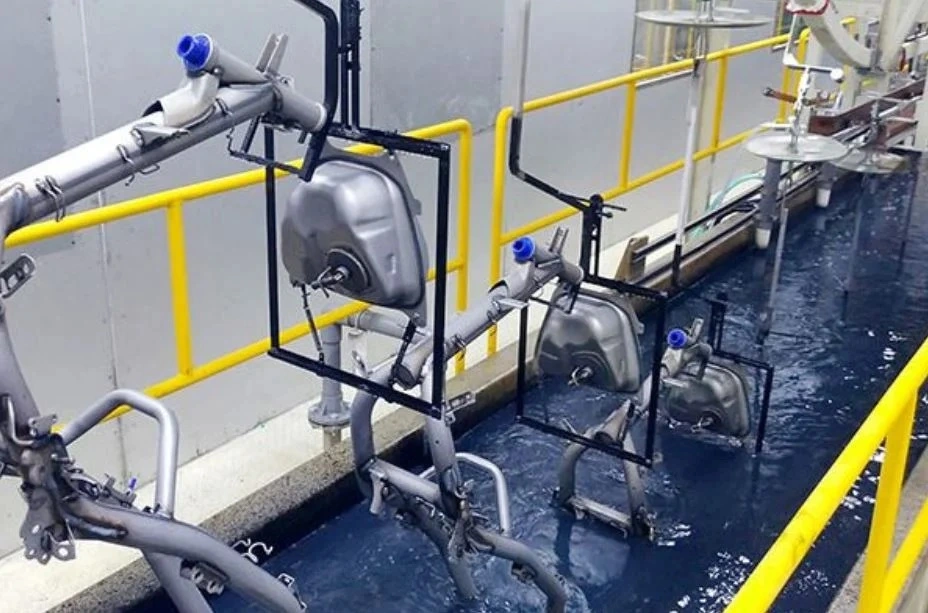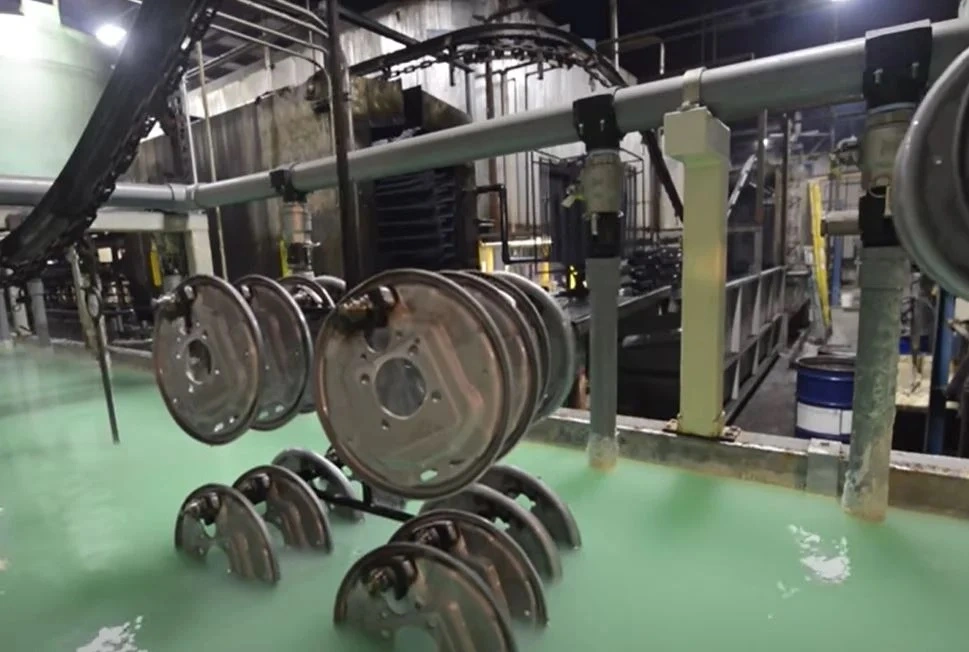
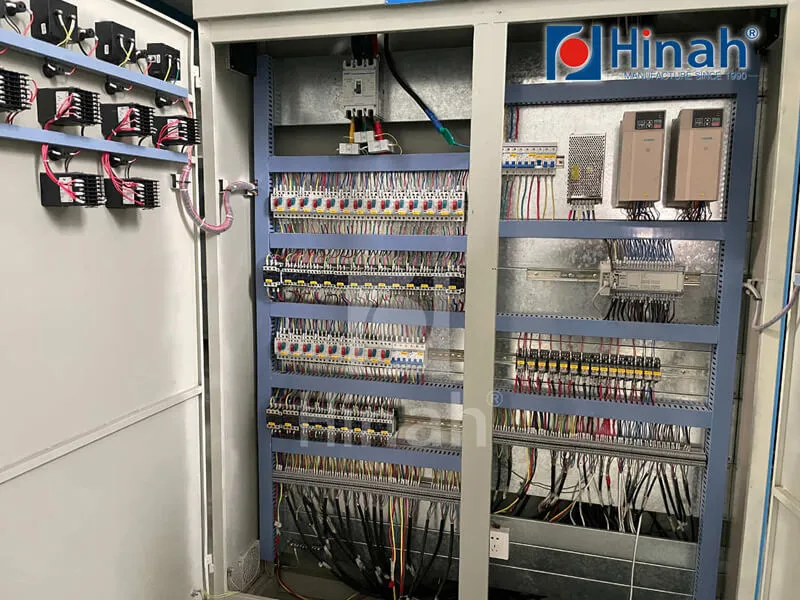

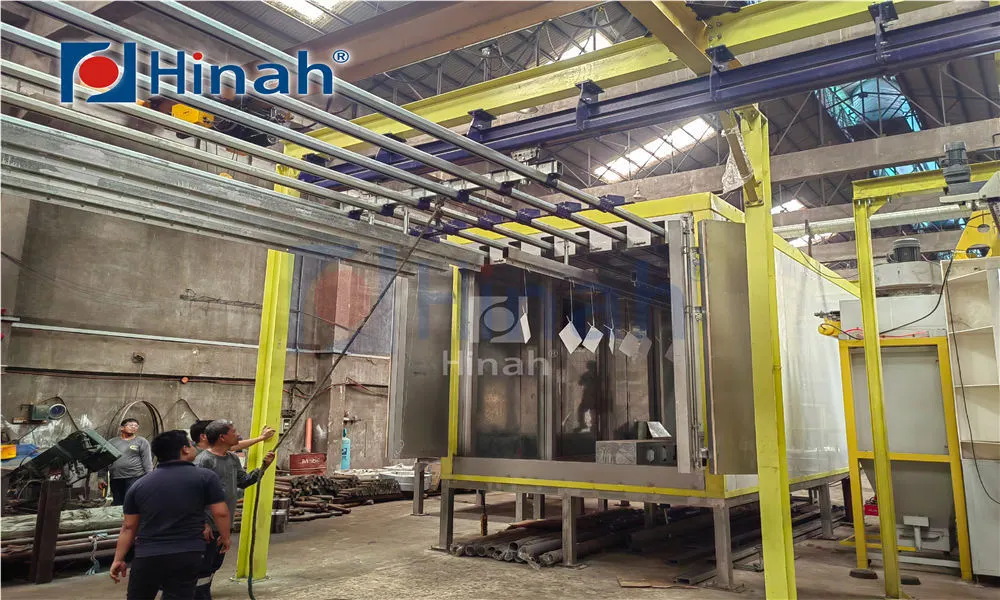
Every industrial operation today faces a clear reality. Environmental responsibility is no longer optional. For the coating industry, this means controlling emissions, managing waste, and reducing environmental impact is core to business. This is where specialized environmental protection equipment becomes critical. It’s the engineered solution that allows manufacturers to achieve superior finishes while meeting strict regulations and sustainability goals.
In powder coating, the process is inherently cleaner than many alternatives. Yet, to maximize its green potential and ensure complete compliance, integrating the right environmental protection equipment is essential. This equipment manages air quality, optimizes material use, and handles by-products safely. Let’s examine the key systems that make a compliant, modern powder coating line possible.
Regulatory bodies worldwide continue to tighten air quality and industrial waste standards. Failing to comply results in heavy fines, operational shutdowns, and reputational damage.
Beyond compliance, there is a strong business case. Effective environmental protection equipment directly reduces operating costs. It recovers and reuses valuable raw materials. It improves workplace safety and employee health by controlling dust and fumes.
For companies like HANNA, designing a powder coating line means building these protections in from the start. It’s viewed as an integral component of the production system, not an add-on.
A comprehensive system uses several pieces of key equipment working in concert.
Powder Recovery Systems are the heart of environmental efficiency. This environmental protection equipment captures oversprayed powder inside the spray booth. Modern systems use cartridge filters or cyclones to separate powder from the air stream.
The best systems achieve recovery rates exceeding 99%. This reclaimed powder can often be reintroduced into the process. This drastically reduces raw material consumption and solid waste.
Air Filtration and Ventilation Systems ensure clean air exits the facility. After powder recovery, the air passes through final-stage filters. These HEPA or secondary filters capture any remaining fine particulates.
Proper ventilation design is also crucial. It maintains a safe, clean working environment for operators by containing powder within the booth. This is a fundamental piece of workplace environmental protection equipment.
Waste Management Solutions handle the small fraction of powder that cannot be reused. This may include compacted powder waste or used filter cartridges. Proper procedures and equipment for contained storage and disposal are part of a complete environmental strategy.
Installing high-performance environmental protection equipment delivers measurable returns. The first and most obvious is regulatory compliance and risk reduction. Your operation stays legal and avoids costly interruptions.
Significant material cost savings come next. Reclaiming 95-99% of overspray powder directly lowers your consumption per part. This savings often pays for the environmental protection equipment itself over time.
Enhanced product quality is another benefit. A clean, well-filtered booth environment prevents cross-contamination and surface defects. Consistent recovery also allows for more predictable color consistency.
Finally, it builds a stronger brand reputation. Demonstrating a commitment to sustainable manufacturing is powerful for B2B and B2C customers alike.
Choosing the correct system requires careful analysis. You must first understand your specific regulatory landscape. Local emission limits for particulates will dictate the necessary filtration efficiency.
Production parameters are equally important. The volume of powder used, color change frequency, and booth size all influence the choice. A high-volume, single-color line needs a different recovery system than a job shop with daily color changes.
Consider total lifecycle cost, not just the purchase price. Energy-efficient fans, durable filter cartridges, and systems with high reclaim rates offer better long-term value. Downtime for filter changes also impacts productivity.
This is where expertise matters. Partnering with an experienced provider like HANNA ensures your environmental protection equipment is correctly sized and integrated for your specific application.
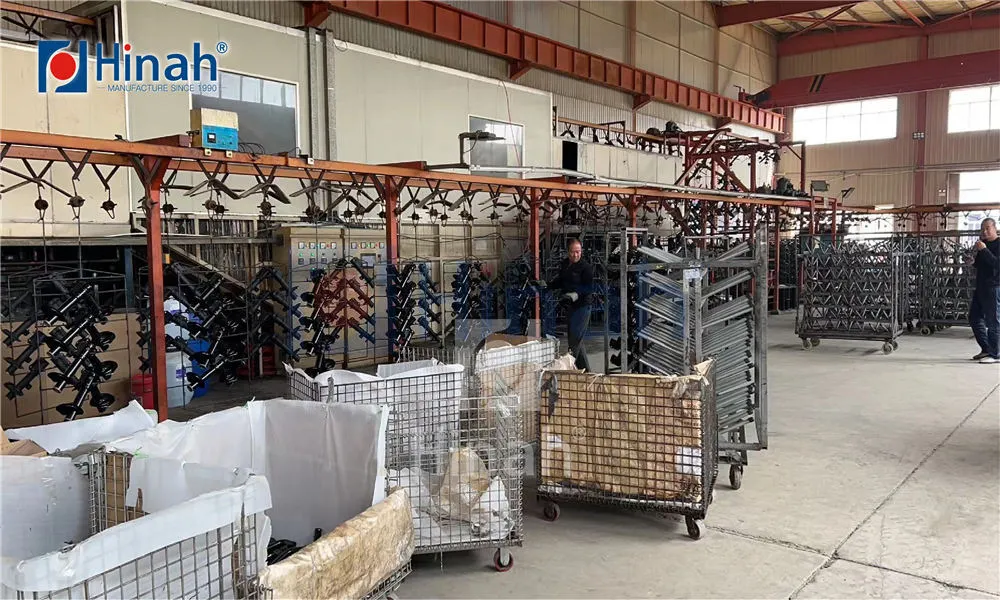
At HANNA, we view environmental protection equipment as a core performance component of our powder coating lines. Our engineering focuses on seamless integration for maximum efficiency.
Our powder spray booths are designed around high-efficiency recovery. We utilize robust cartridge filtration technology known for its high capture rate and long service life. The design minimizes powder accumulation in ductwork, ensuring optimal performance.
We emphasize energy-smart design. Our systems use properly sized motors and fans to achieve the required airflows without wasting electricity. This reduces the ongoing operational footprint of the environmental protection equipment.
For us, it’s about providing a complete, compliant solution. A HANNA powder coating line comes with the confidence that environmental performance has been engineered in, not bolted on as an afterthought.
The future of environmental protection equipment lies in connectivity and advanced materials. Smart sensors are being integrated to monitor filter pressure drop in real-time. This data predicts maintenance needs, preventing unexpected downtime and ensuring peak efficiency.
New filter media materials are extending service life and improving filtration efficiency. The goal is to further reduce waste and energy consumption. The next generation of this equipment will be even more autonomous and resource-efficient.
The core principle remains: proactive environmental management is a sound industrial practice. It protects the community, the workplace, and the bottom line.
Operating a successful, modern powder coating facility is inseparable from responsible environmental practice. The right environmental protection equipment makes this possible. It transforms regulatory requirements into opportunities for efficiency, savings, and quality improvement.
From advanced powder recovery to precise air filtration, these systems are a wise investment. They safeguard your license to operate and enhance your competitive edge.
For manufacturers seeking a reliable partner, HANNA delivers integrated coating solutions where performance and responsibility go hand in hand. Our expertise ensures your environmental protection equipment works effectively, day in and day out.
Q1: Is powder coating itself considered “environmental protection equipment”?
A1: No, powder coating is a process. The environmental protection equipment refers to the ancillary systems that manage the by-products of that process. While powder coating is more environmentally friendly than solvent-based liquids (due to near-zero VOCs), it still requires equipment to capture overspray, filter exhaust air, and manage waste powder to ensure full compliance and minimal impact.
Q2: What is the most important factor when sizing a powder recovery system?
A2: The airflow volume (measured in CFM or m³/h) of your spray booth is the critical starting point. The recovery system must be capable of handling this entire air volume efficiently. Other key factors include your production throughput (lbs/hour of powder), the number of spray guns, and how often you change colors.
Q3: How often do filter cartridges in a recovery system need to be replaced?
A3: There’s no single answer; it depends on powder usage, cartridge quality, and the automatic cleaning (pulse-jet) system’s effectiveness. High-quality cartridges in a well-maintained system can last 1-2 years or longer in moderate-use applications. Monitoring the system’s pressure differential gauge is the best way to determine when cleaning is needed or when replacement is due.
Q4: Can environmental protection equipment help me achieve sustainability certifications (like ISO 14001)?
A4: Absolutely. Robust environmental protection equipment provides the measurable data and controlled processes required for such certifications. It demonstrates systematic management of waste, emissions, and resource consumption—all key aspects of an Environmental Management System like ISO 14001.
Q5: We are a small shop. Is this level of environmental equipment still necessary?
A5: Yes. Regulatory thresholds for air emissions often apply to any commercial operation. Even small shops generate powder overspray that must be controlled for worker safety and to prevent release into the environment. Fortunately, compact, modular powder booths with integrated recovery systems are available and are a cost-effective, necessary investment for shops of all sizes to operate responsibly and legally.