Selecting and operating high-performance powder coating systems requires a deep understanding of process integration, material science, and automation. Today’s industrial finishers face pressure to reduce cycle times, cut energy costs, and meet strict environmental regulations while maintaining zero-defect quality. Drawing from field data and installations by HANNA, this article breaks down the seven engineering parameters that separate world‑class powder coating systems from conventional lines.
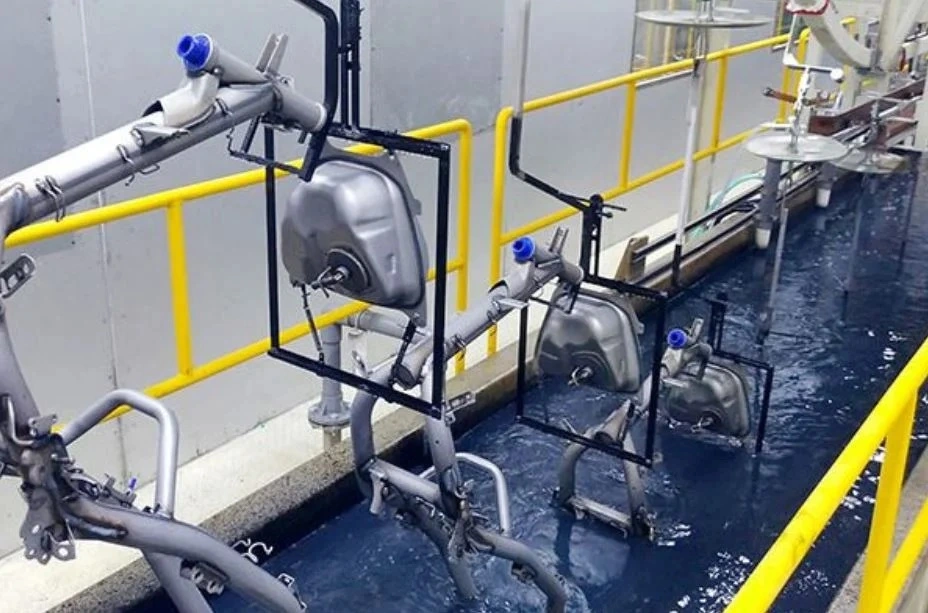
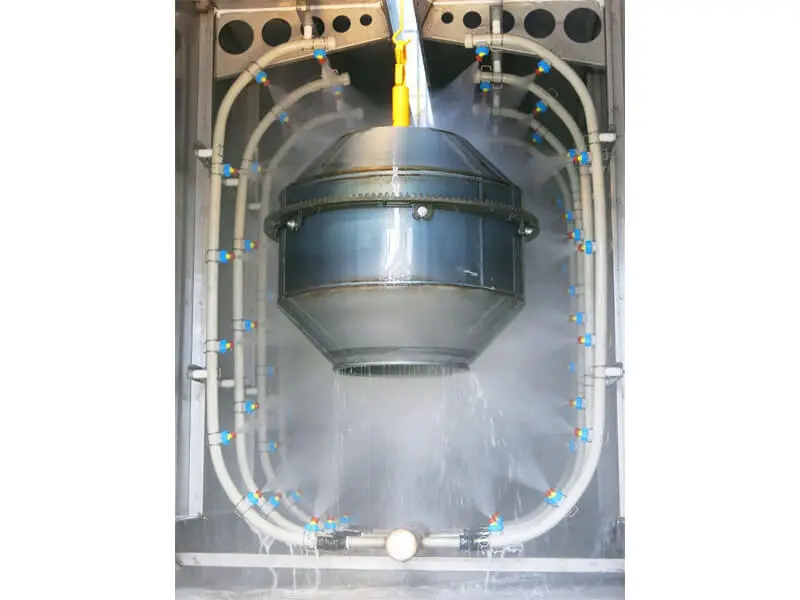
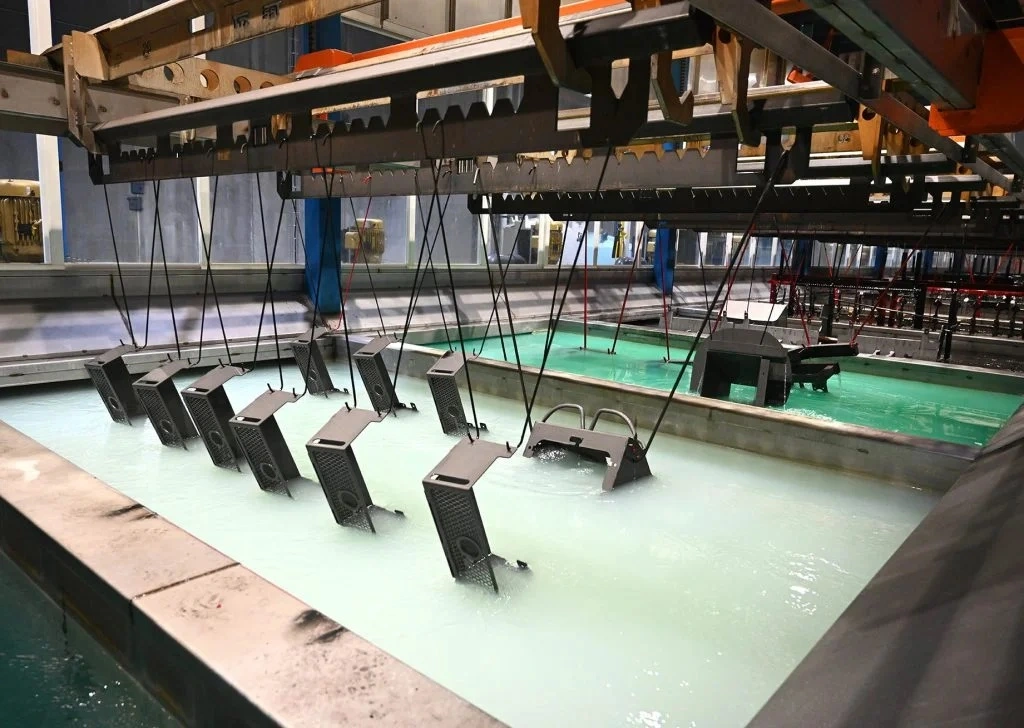
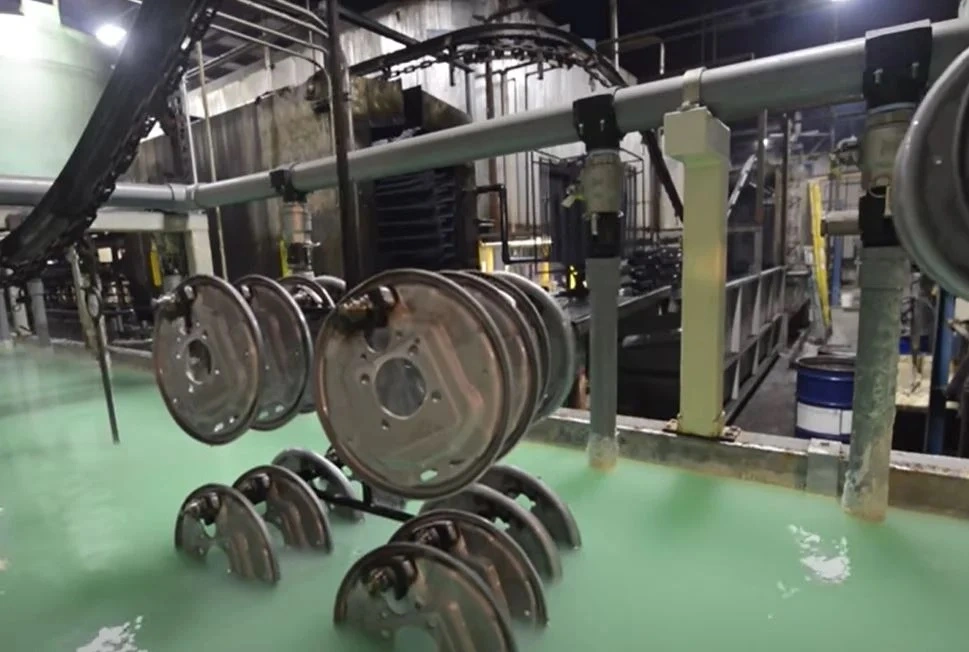
The foundation of any durable coating lies beneath the surface. Modern powder coating systems increasingly adopt nano‑ceramic (zirconium‑based) conversion coatings over traditional iron or zinc phosphate. Data from HANNA‑engineered lines shows that nano‑ceramic pretreatment reduces chemical consumption by 40%, eliminates hazardous sludge, and achieves 1000+ hour neutral salt spray resistance on steel. Critical parameters include:
Dwell time: Typically 60–120 seconds in spray or immersion stages.
Water quality: Reverse osmosis (conductivity
<5>Automated bath control: Real‑pH and conductivity monitoring ensures consistent conversion layer thickness (20–50 nm).
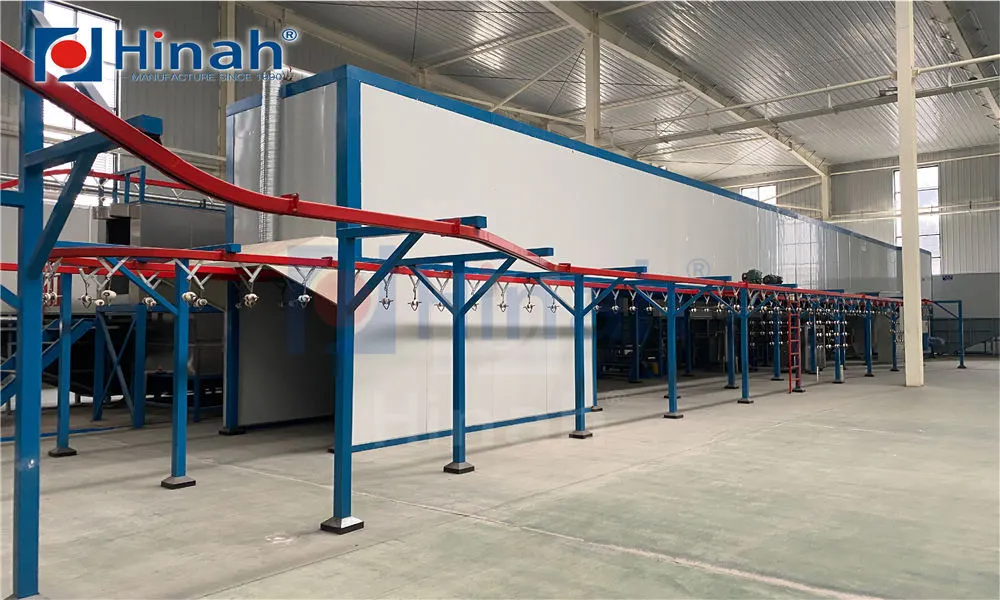
Throughput in powder coating systems is dictated by conveyor design. Two dominant layouts exist:
Overhead power‑and‑free conveyors: Allow accumulation and offline loading, ideal for mixed part sizes and heavy components.
Flat‑belt or pallet conveyors: Used for flat stock or high‑volume uniform parts; often integrated with vertical or reciprocating gun movers.
Load density (parts per meter) directly affects line speed and cure oven sizing. Using 3D simulation, HANNA optimises carrier spacing to maximise throughput without compromising electrostatic wrap.
The core of modern powder coating systems is the spray booth. Achieving first‑pass transfer efficiency (TE) above 85% requires precise control of:
Voltage and current: Corona guns operating at 80–100 kV with current limiting (10–20 µA) prevent back‑ionisation and Faraday cage defects.
Powder particle velocity: Dense‑phase pumps reduce air consumption (0.5–2 m³/h) and deliver a softer cloud, improving deposition in recesses.
Reciprocator programming: Modern controllers adjust gun triggering based on part presence, saving powder and reducing overspray.
Tribo‑charging guns are specified for metallic or complex‑shaped parts where electrostatic lines of force must be avoided. They impart charge through friction, eliminating free ions and enabling superior penetration into corners.
For job shops and contract coaters, colour‑change speed directly impacts profitability. Powder coating systems designed for rapid change incorporate:
Stainless steel or conductive plastic booth walls with non‑stick properties.
Automated purge sequences that clean feed hoses and guns in under 3 minutes.
Cyclone + cartridge filter arrangements: Cyclones reclaim up to 98% of overspray into a dedicated container, while the polishing filter maintains air quality (typically
<1 mg="">Field trials by HANNA demonstrate that well‑engineered booths can reduce colour‑change powder waste from 15 kg to 2 kg per shift, yielding annual savings of €20,000 in high‑mix operations.
Curing ovens in modern powder coating systems consume 30–50% of total line energy. Design innovations mitigate this:
Convection/IR hybrid ovens: Infrared pre‑heat reduces convection zone length by 25%, cutting floor space and energy.
High‑velocity air seals and insulated panels (R‑value ≥ 4.5 m²·K/W) minimise heat loss.
Exhaust heat recovery wheels preheat combustion air, lowering gas consumption by 15–20%.
Temperature uniformity is critical: for TGIC‑free polyesters, the metal must reach 180–200°C for 10–15 minutes. Multi‑zone control (±3°C) and continuous data logging are now standard for automotive and architectural certifications.
Industry 4.0 has reached the finishing line. Contemporary powder coating systems integrate with MES/ERP for:
Recipe download: Gun parameters, oven setpoints, and conveyor speeds adjust automatically per SKU.
Real‑time OEE tracking: Sensors monitor gun current, booth pressure, and oven temperature; deviations trigger alarms.
Predictive maintenance: Vibration analysis on fans and pumps alerts before failure.
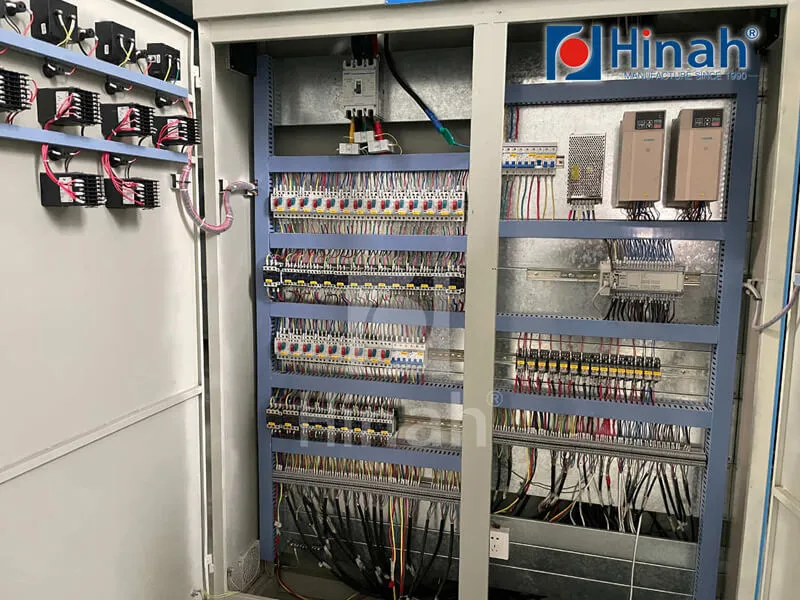
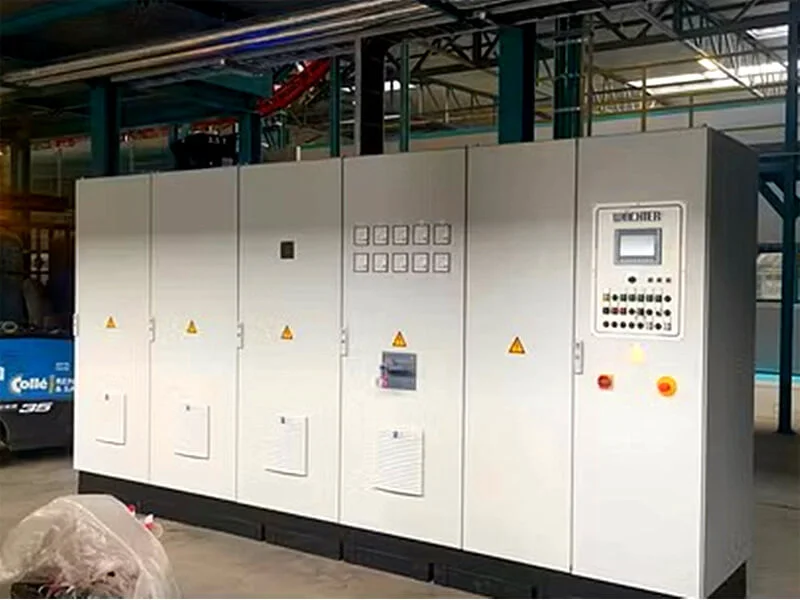
HANNA offers a proprietary SCADA module that reduces unplanned downtime by 22% through predictive analytics.
Modern powder coating systems inherently produce zero VOC and minimal hazardous waste, but further gains are possible:
Closed‑loop wash water recycling using ultrafiltration cuts water use by 90%.
Powder reclamation and reprocessing: Sieved overspray can be blended with virgin powder at rates up to 15% without affecting appearance.
Low‑cure powders (150°C) enable coating of temperature‑sensitive substrates and reduce oven energy.
Regulatory trends (EU Industrial Emissions Directive, EPA NESHAP) favour powder over liquid coatings; investing in efficient systems future‑proofs operations.
Q1: What is the typical payback period for upgrading to an automated powder coating system?
A1: Based on 2024 data from HANNA clients, companies operating two shifts see ROI in 18–30 months. Savings come from labour reduction (3–4 operators per shift), material efficiency (manual TE ~65% vs. automated ~88%), and lower rework rates.
Q2: How do I calculate the required booth air velocity for my parts?
A2: For manual booths, face velocity of 0.5–0.7 m/s is typical to contain overspray without disturbing the powder cloud. Automated booths with cartridge filters often run at 0.4–0.5 m/s. Computational fluid dynamics (CFD) simulations, offered by powder coating systems suppliers, optimise airflow for complex geometries.
Q3: Can a powder coating system handle MDF or plastic substrates?
A3: Yes, with modifications. For MDF, low‑temperature cure powders (130–150°C) and infrared curing prevent substrate damage. For plastics, a conductive primer is applied, or the part is pre‑heated. The core system—guns, booth, recovery—remains the same, but pretreatment and curing profiles change.
Q4: What maintenance is critical for consistent powder coating quality?
A4: Four tasks are essential: (1) Daily inspection of gun tips and deflectors for wear; (2) Weekly cleaning of cartridge filters (differential pressure<1500 pa="">
Q5: How does nano‑ceramic pretreatment compare to iron phosphate?
A5: Nano‑ceramic (zirconium) coatings form a thinner (<50 nm="">
Q6: What are the signs that my powder coating system needs a retrofit?
A6: Increased colour‑change time (beyond 20 minutes), poor transfer efficiency (below 70% on flat parts), temperature fluctuations in the oven (±5°C or more), and rising reject rates all indicate component wear or outdated design. A professional audit can quantify potential gains.
Q7: What is the role of relative humidity in powder application?
A7: High humidity (>65%) can cause powder clumping in feed hoppers and reduce charge retention. Low humidity (<30%) increases="" static="" and="" safety="" risks.="" most="">powder coating systems operate best at 45–55% RH, with climate‑controlled powder rooms recommended in extreme climates.
For detailed engineering assessments or to request a proposal for a custom‑engineered powder coating systems line, visit HANNA’s official website.