
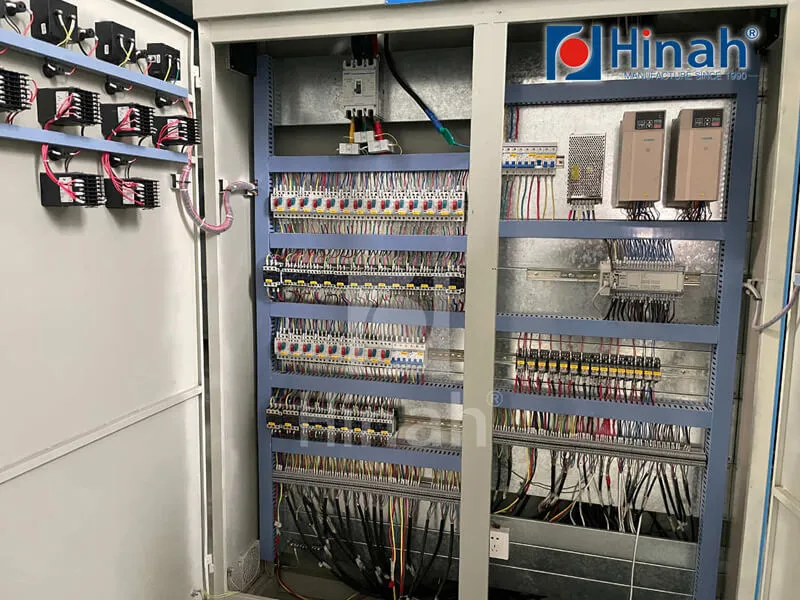

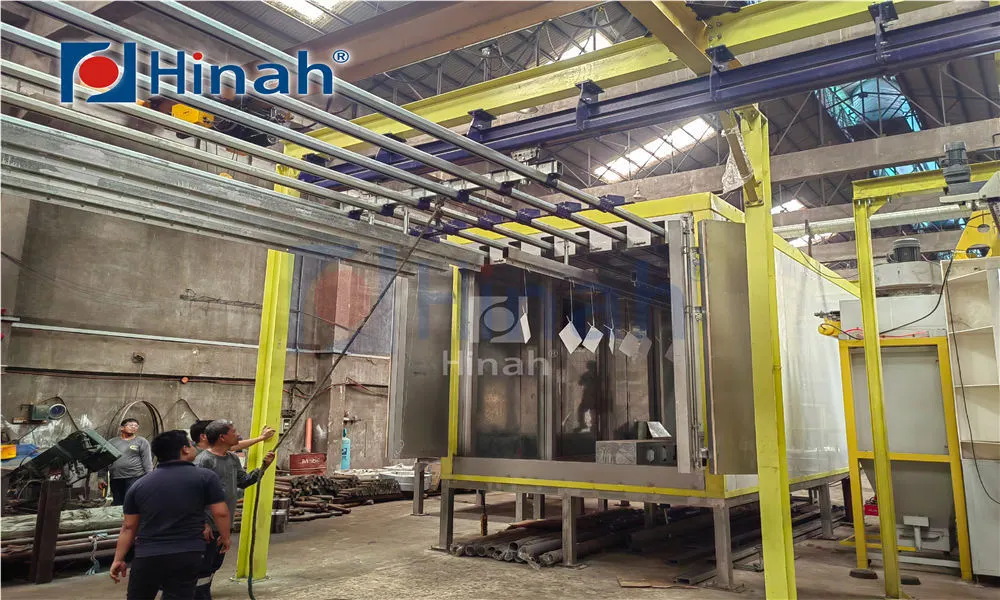
Powder coating systems have revolutionized surface finishing across various sectors. These systems provide a durable, eco-friendly, and cost-effective alternative to traditional liquid paints. In this article, we delve into the core aspects of powder coating systems, highlighting their types, applications, and advantages. Whether you're in manufacturing, automotive, or construction, understanding these systems can optimize your operations.
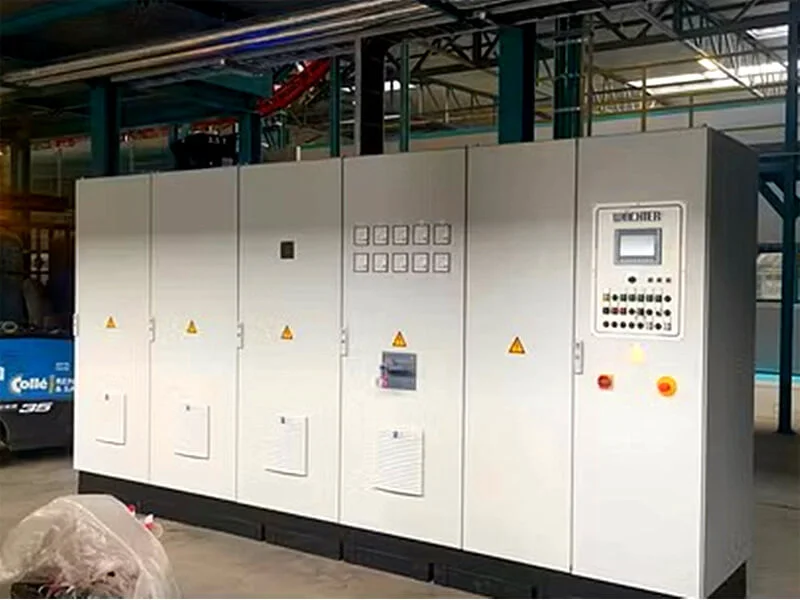
What Are Powder Coating Systems?
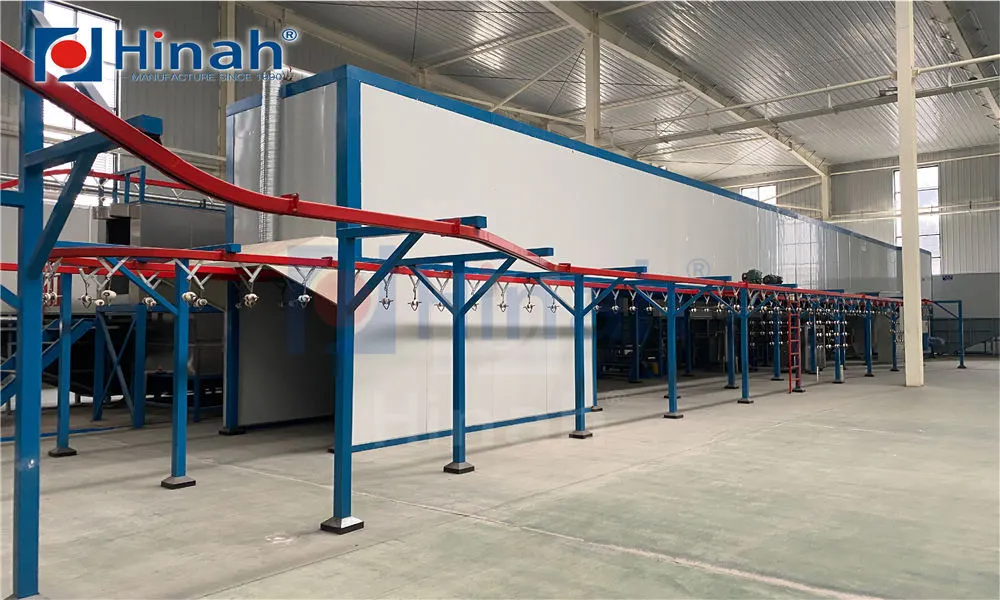
Powder coating systems are industrial setups used to apply a dry powder coating to surfaces. The process involves electrostatically charging powder particles and spraying them onto a grounded object. The coated item is then cured in an oven, forming a hard, protective layer.
These systems are popular due to their efficiency and environmental benefits. They minimize waste and reduce VOC emissions. Key components include:
Spray guns for powder application
Powder feeders and hoppers
Curing ovens for heat treatment
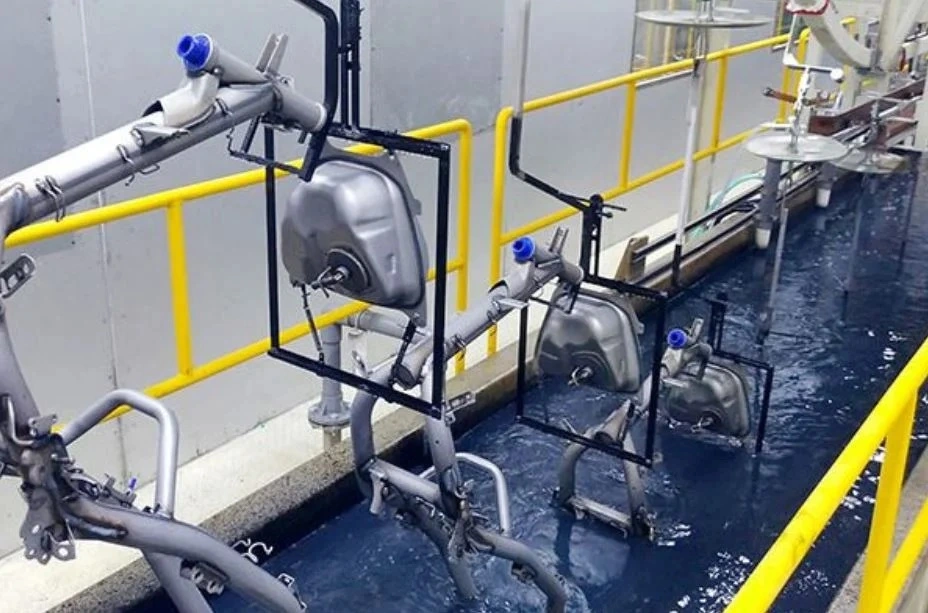
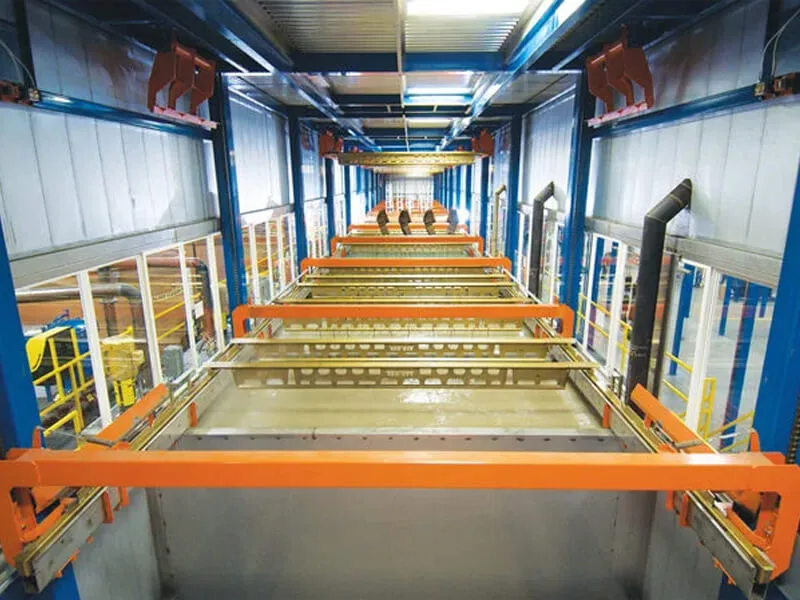
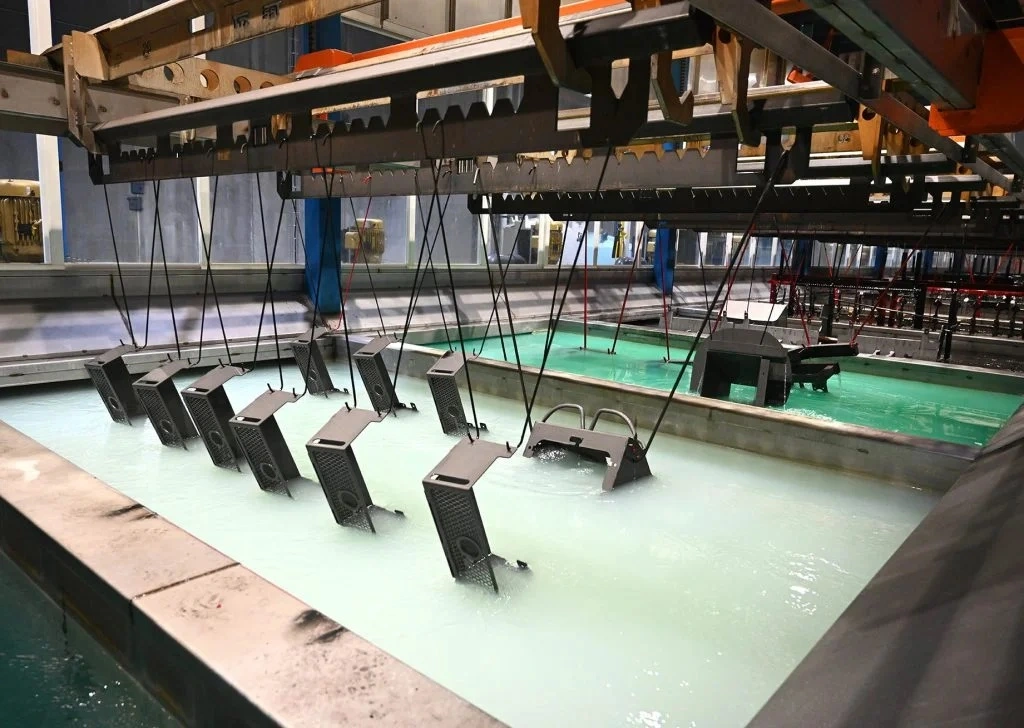
Pre-treatment stations for cleaning
Modern powder coating systems offer versatility for various materials like metal, plastic, and wood. They ensure consistent quality and enhance product longevity.
Types of Powder Coating Systems
Powder coating systems come in multiple configurations to suit different production needs. Each type has unique features tailored for specific applications.
1. Manual Powder Coating Systems
Manual systems are operated by hand, ideal for small-scale or custom projects. They offer flexibility and low initial investment. Operators use spray guns to coat objects in controlled environments.
These systems are common in workshops and repair shops. They require skilled labor for precise application. However, they may be slower for high-volume production.
2. Automatic Powder Coating Systems
Automatic systems use robotic arms or conveyors for coating. They enhance speed and consistency in large-scale manufacturing. Components are often integrated with software for automation.
Benefits include reduced labor costs and higher throughput. They are widely used in automotive and appliance industries. Powder coating systems like these improve efficiency in mass production.
3. Electrostatic Powder Coating Systems
Electrostatic systems charge powder particles to attract them to grounded surfaces. This method ensures even coverage and minimal overspray. It works well for complex geometries.
These systems are energy-efficient and reduce material waste. They are a staple in metal fabrication and electronics. The technology continues to evolve for better performance.
4. Fluidized Bed Powder Coating Systems
Fluidized bed systems immerse preheated objects in a tank of fluidized powder. The powder melts and forms a thick coating upon contact. This method is suitable for heavy-duty applications.
It provides excellent adhesion and corrosion resistance. Common uses include pipelines and industrial machinery. These powder coating systems are robust for harsh environments.
5. Hybrid Powder Coating Systems
Hybrid systems combine powder coating with other technologies like liquid coatings. They offer versatility for multi-layer finishes. This approach caters to specialized aesthetic or functional needs.
Applications include automotive parts and architectural elements. Hybrid systems allow for customization and enhanced durability. They represent innovation in surface finishing.
Benefits of Using Powder Coating Systems
Powder coating systems offer numerous advantages over traditional methods. These benefits make them a preferred choice in many industries.
First, they are environmentally friendly. Powder coatings contain no solvents, reducing hazardous emissions. Overspray can be recycled, minimizing waste.
Durable finishes resistant to chipping and fading
Cost-effective due to high material utilization
Wide range of colors and textures available
Fast curing times for increased productivity
Additionally, powder coating systems provide excellent corrosion protection. They are used in outdoor equipment and marine applications. Brands like HANNA offer reliable solutions for these needs.
How to Choose the Right Powder Coating System
Selecting the appropriate powder coating system depends on several factors. Consider your production volume, material types, and budget.
For small batches, manual systems may suffice. Large-scale operations often benefit from automatic setups. Assess the object size and shape to ensure even coating.
Key considerations include:
Throughput requirements and cycle times
Available space for installation
Energy efficiency and operating costs
Compliance with environmental regulations
Consulting with experts can help tailor the system to your needs. Powder coating systems from reputable suppliers ensure quality and support.
Applications of Powder Coating Systems
Powder coating systems are used across diverse industries. Their versatility allows for protective and decorative finishes on various substrates.
Automotive Industry
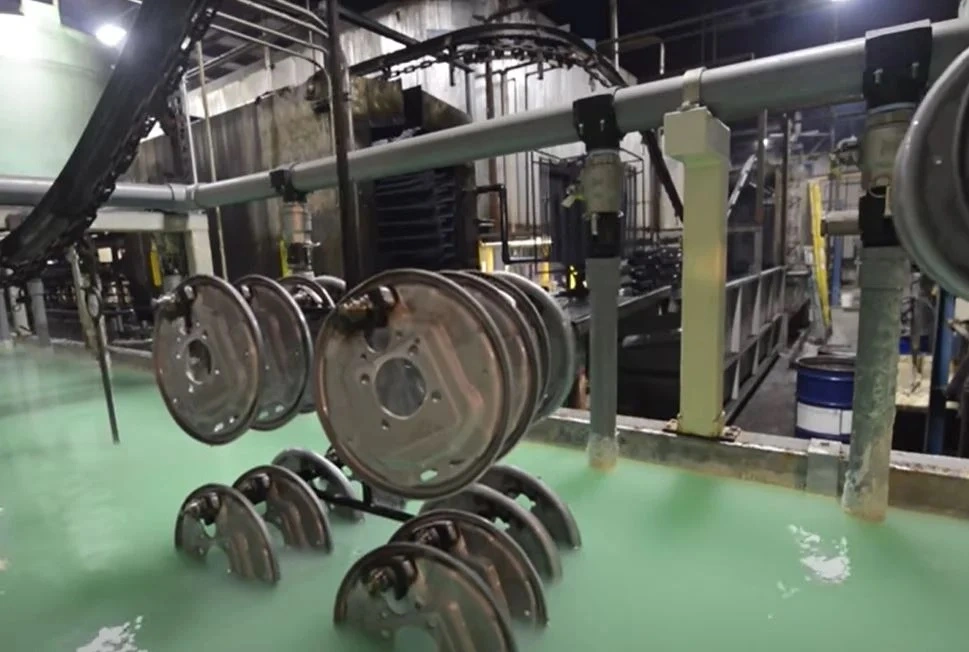
In automotive manufacturing, powder coatings protect vehicle parts from rust and wear. They are applied to wheels, frames, and engine components. The finish enhances aesthetics and longevity.
These systems meet strict industry standards for durability. Electric vehicles also rely on powder coatings for battery casings. Powder coating systems play a key role in automotive innovation.
Construction and Architecture
Architectural elements like windows, doors, and facades use powder coatings. They provide weather resistance and color retention. The coatings are available in metallic and textured finishes.
This application ensures buildings maintain their appearance over time. Powder coating systems are essential for sustainable construction practices.
Furniture and Appliances
Household appliances and furniture benefit from powder coatings. They offer scratch-resistant surfaces that are easy to clean. Common items include refrigerators, ovens, and office chairs.
The coatings are safe for food-contact surfaces. Manufacturers choose powder for its eco-friendly profile. Brands like HANNA supply systems for these production lines.
Maintenance and Safety for Powder Coating Systems
Proper maintenance extends the life of powder coating systems. Regular cleaning of spray guns and filters prevents clogs. Inspect electrical components to avoid hazards.
Safety measures include using personal protective equipment (PPE). Ensure adequate ventilation in coating areas. Follow manufacturer guidelines for operation and upkeep.
Training operators on best practices is crucial. This reduces downtime and ensures consistent output. Well-maintained powder coating systems deliver reliable performance.
Powder coating systems are integral to modern industrial finishing. They offer durability, efficiency, and environmental benefits. From manual to automatic types, these systems cater to various applications.
Choosing the right system involves assessing your specific needs. With advancements in technology, powder coating systems continue to evolve. For quality solutions, consider providers like HANNA to enhance your operations.
Frequently Asked Questions
Q1: What is the typical lifespan of a powder coating system?
A1: A well-maintained powder coating system can last 10-15 years or more. Regular upkeep, such as cleaning and part replacement, extends its longevity. Factors like usage intensity and environmental conditions also affect lifespan.
Q2: Can powder coating systems be used on plastic materials?
A2: Yes, certain powder coating systems are designed for plastics. Low-temperature curing powders are often used to prevent material distortion. It's essential to select the right powder and pre-treatment for adhesion.
Q3: How do powder coating systems compare to liquid painting in terms of cost?
A3: Powder coating systems generally have higher upfront costs but lower operational expenses. They reduce waste and overspray, leading to long-term savings. Liquid painting may require more frequent touch-ups and cleanup.
Q4: What safety precautions are necessary when operating powder coating systems?
A4: Key precautions include wearing respirators, gloves, and eye protection. Ensure proper ventilation to avoid inhalation of powder particles. Follow electrical safety protocols and keep equipment grounded.
Q5: Are powder coating systems customizable for specific industry needs?
A5: Absolutely. Powder coating systems can be customized based on production volume, object size, and finish requirements. Suppliers like HANNA offer tailored solutions for automotive, aerospace, and other sectors.