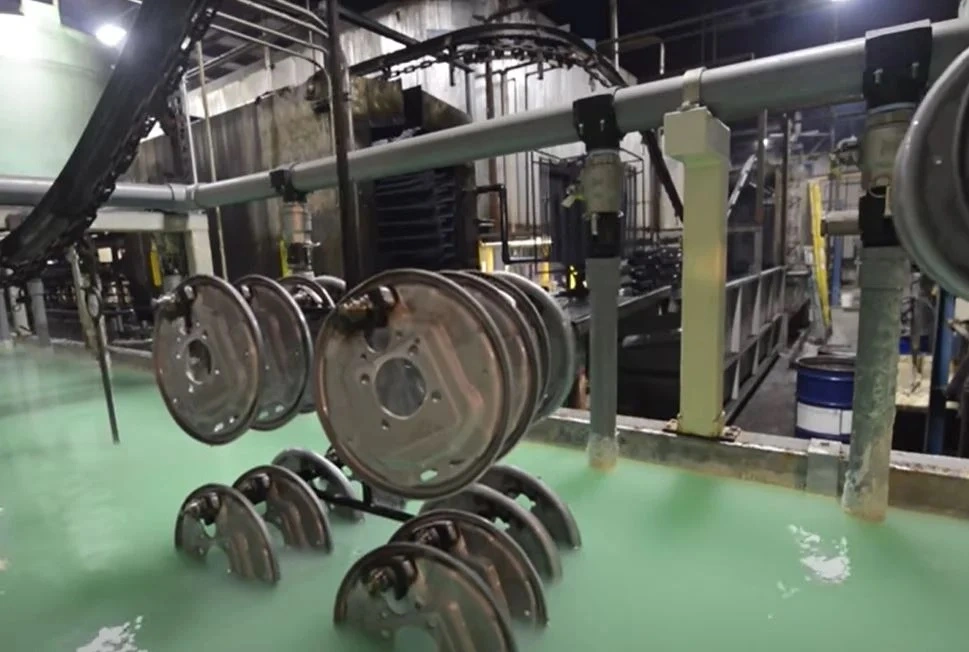

If you are researching industrial powder coating systems, you are likely facing a significant capital investment decision. The term encompasses far more than a spray booth and an oven. It represents the complete, integrated production chain that transforms raw parts into finished, durable products.
Choosing the wrong configuration can haunt your operation for years through inefficiency, high reject rates, and staggering operational costs. The market offers everything from simple manual stations to fully automated, smart finishing lines.
Your success depends on matching the system's complexity directly to your part mix, volume, and quality mandates. This overview breaks down the core types, key decision points, and what truly defines a high-performance installation.
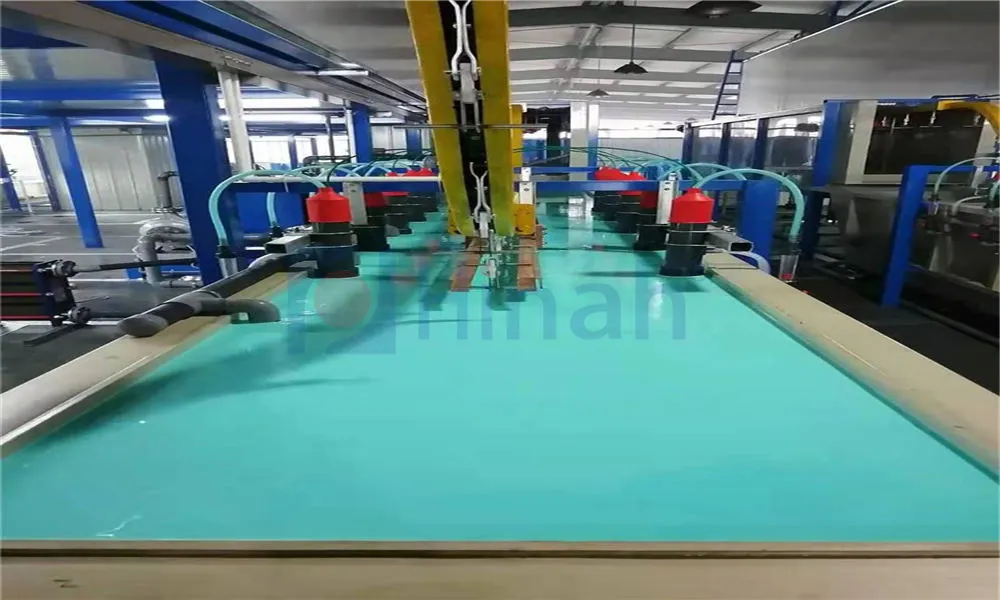
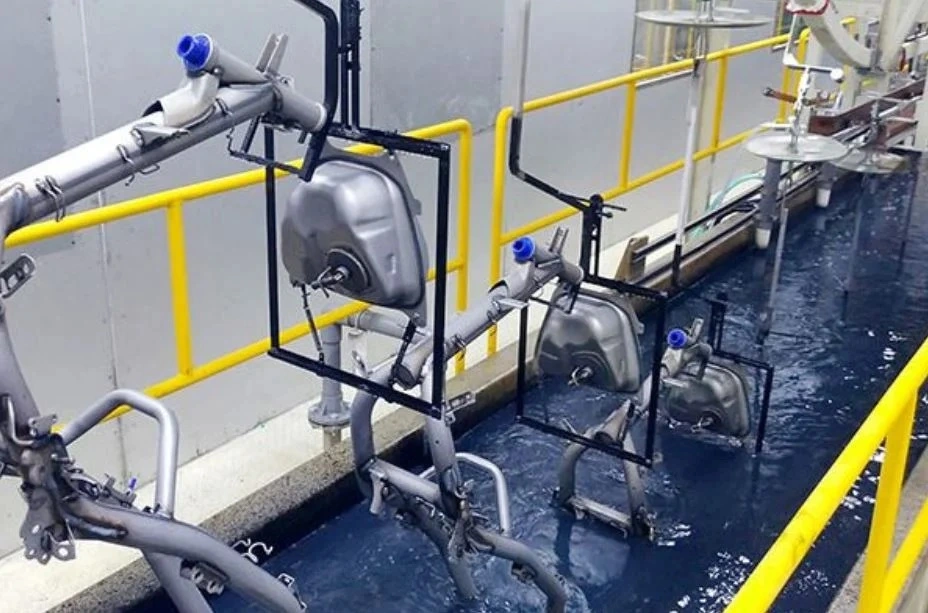
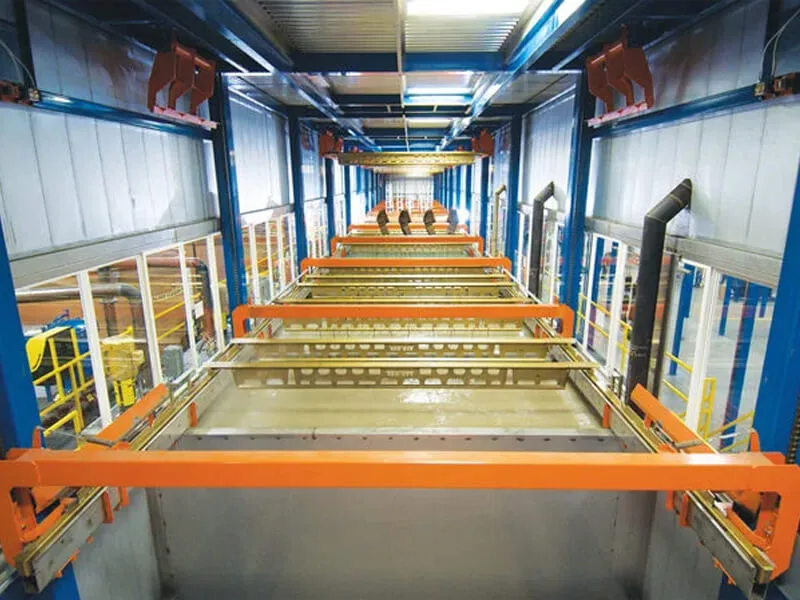
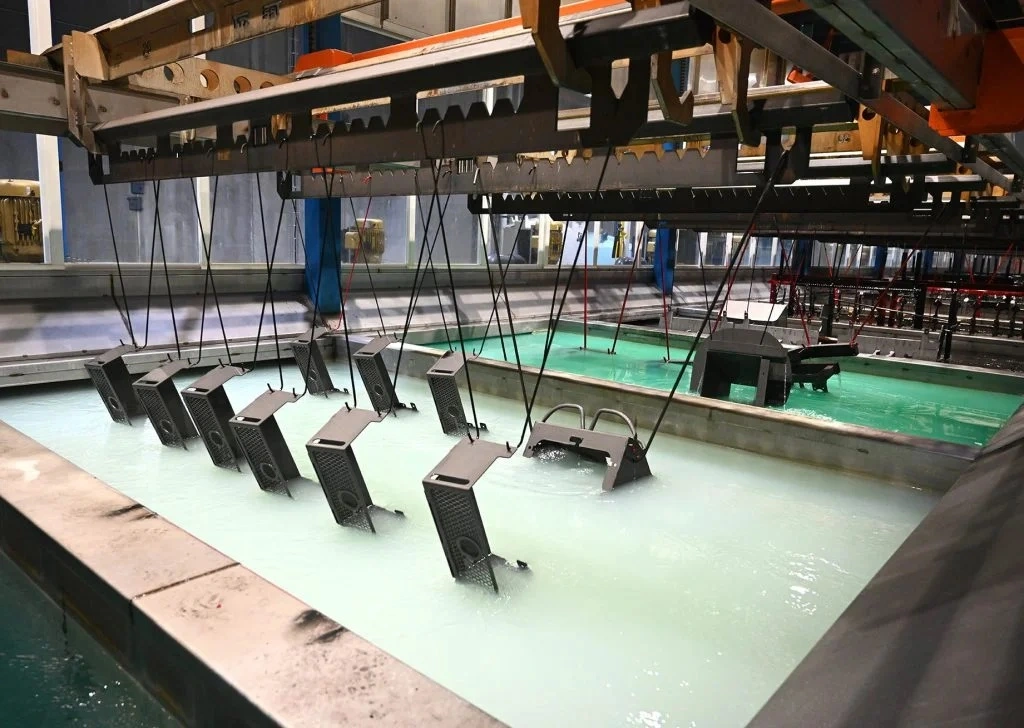
At its core, a professional system is a series of interconnected stages. Each stage must be precisely engineered to work in harmony with the next. A bottleneck at any point limits the entire line's output.
The standard sequence is: Pre-treatment, Drying, Application, and Curing. However, the equipment that fulfills these functions varies dramatically. The sophistication of your powder coating systems is dictated by production speed, part consistency, and required finish quality.
Overlooking the integration between stages is the most common and costly planning error.
There are three main architectural approaches, each serving different business models.
Batch systems, or "job shop" systems, are designed for high-mix, low-to-medium volume work. Parts are processed in racks through a standalone wash station, moved to a spray booth, and then cured in a batch oven. This offers maximum flexibility for changing part geometries and colors.
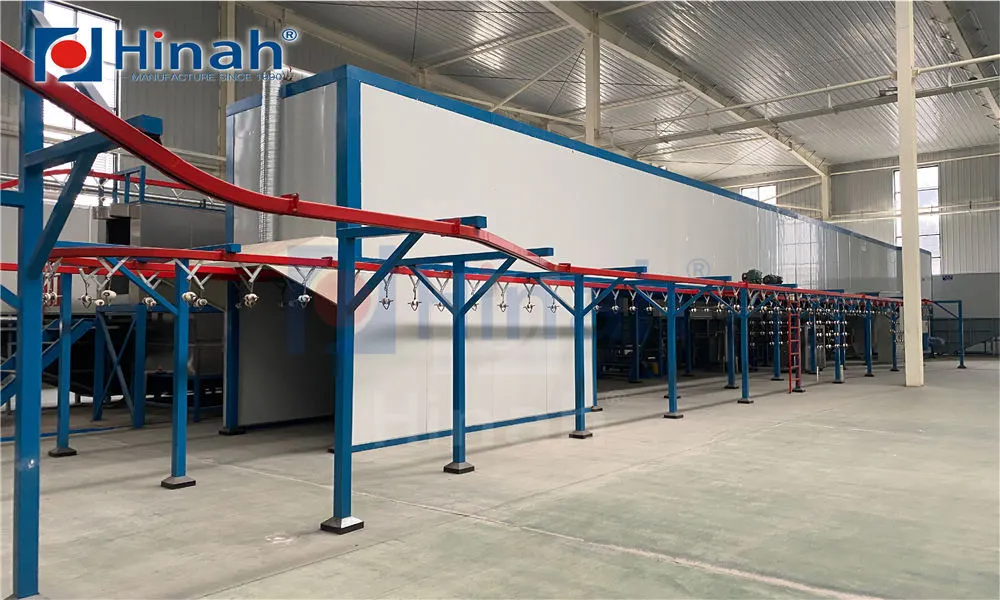
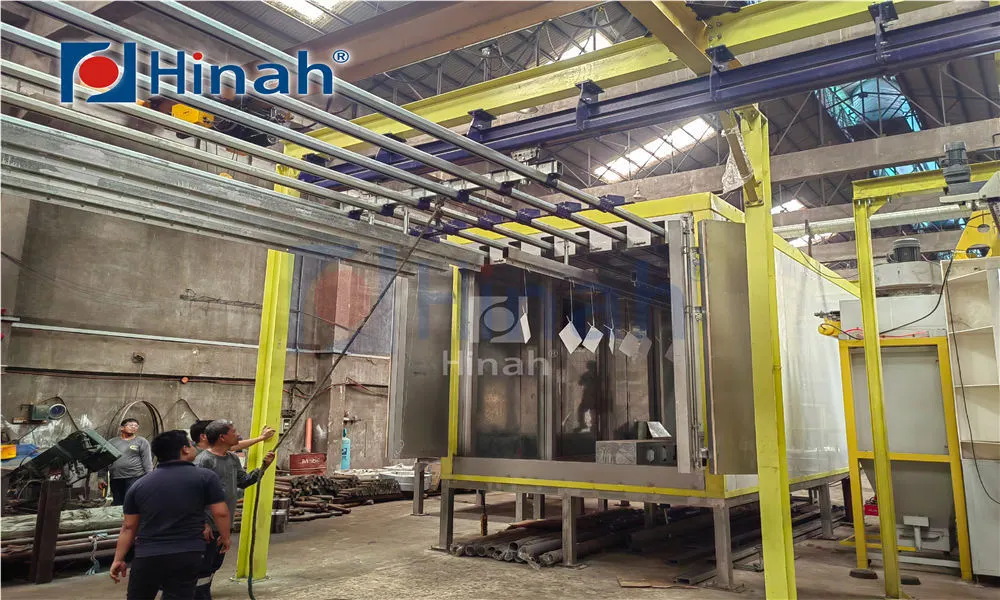
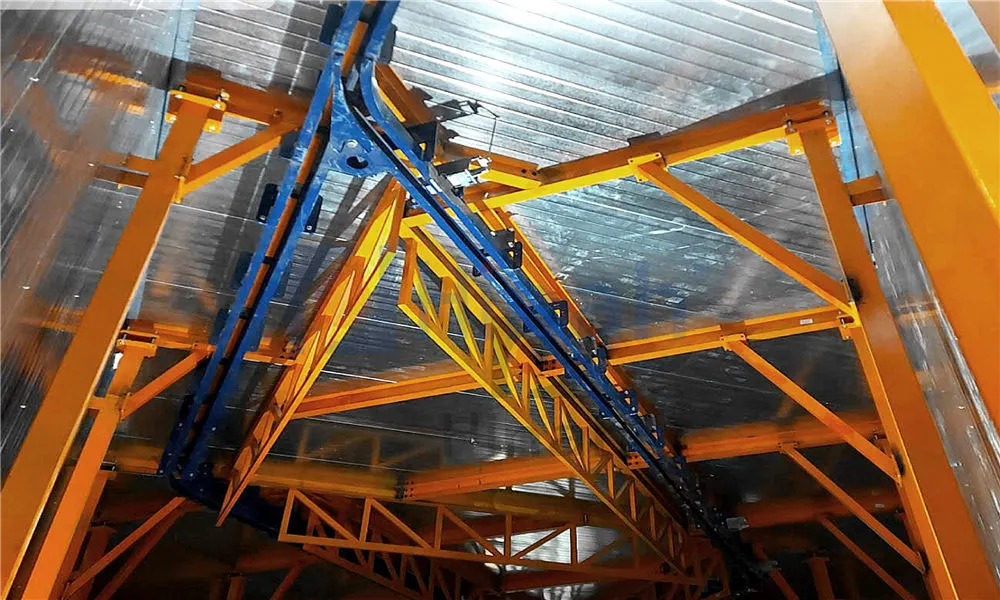
Continuous conveyor systems are the backbone of high-volume manufacturing. An overhead monorail or power-and-free conveyor moves parts non-stop through each stage in a linear layout. This configuration maximizes throughput and minimizes labor but requires consistent part sizes.
Hybrid systems combine elements of both. A continuous pretreatment dryer may feed multiple manual spray booths, offering a balance of efficiency and flexibility seen in many successful mid-sized shops.
Off-the-shelf powder coating systems rarely fit perfectly. Your parts are unique. Custom engineering addresses critical variables like part size, weight, and geometry. It determines oven heating profiles, conveyor spacing, and spray booth airflow.
For instance, coating dense, thick metal requires an oven with high heat capacity and longer dwell time. Delicate assemblies need gentle handling and precise temperature control to avoid distortion.
A provider like HANNA focuses on this engineered approach. We start with your parts, not a catalog spec sheet, to design a system that fits your actual production reality.
The level of automation is a major cost and efficiency driver. Manual lines rely on skilled operators for spraying and handling. They have lower upfront costs but higher variable labor costs and consistency depends heavily on the operator.
Semi-automated systems often use automatic reciprocating guns for consistent application on part profiles, combined with manual touch-up. This boosts transfer efficiency and coverage on high-volume part runs.
Fully automated powder coating systems integrate robotic arms for application and sophisticated conveyor logic. They are justified by very high volumes, extreme quality consistency requirements, or environments where removing personnel from the process is preferable.
Utility costs are a lifetime expense. Modern systems must be designed for minimal energy consumption. Key areas include oven insulation, burner technology, and heat recovery.
High-efficiency ceramic fiber insulation retains heat better than traditional materials. Direct-fired oven systems offer fast heat recovery. Advanced designs can capture waste heat from the cure oven to preheat wash stages or make-up air.
Infrared (IR) curing zones, sometimes combined with convection, can dramatically reduce cure times for certain parts, slashing energy use. Evaluating these features is crucial for calculating true operational cost.
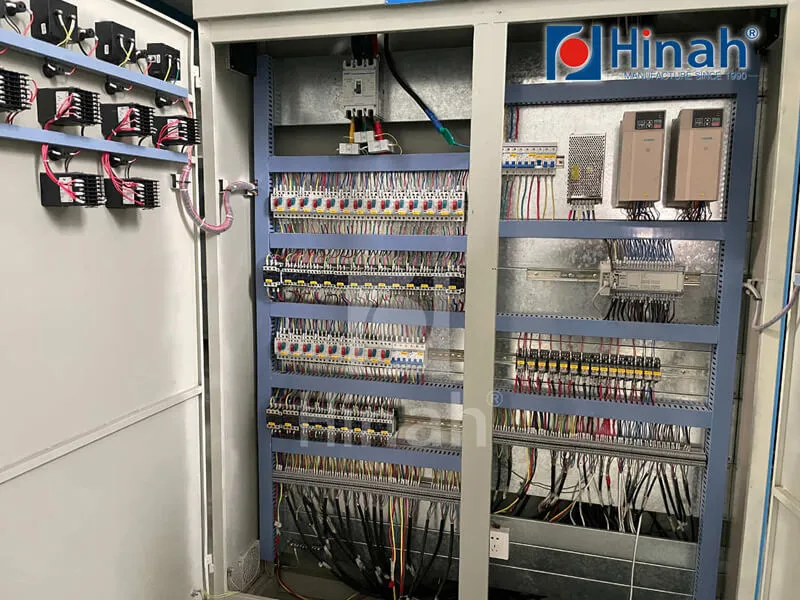
Today's quality standards demand traceability. Modern powder coating systems are equipped with sophisticated control panels. These PLC-based systems do more than set temperatures and timers.
They log key process data for every batch or rack: pre-treatment temperatures, oven cure curve, conveyor speed. This creates an audit trail, essential for automotive (IATF 16949), aerospace, and other regulated industries.
This data also aids in preventative maintenance and rapid troubleshooting, reducing costly downtime.
The purchase price is only the initial outlay. A cheaper, less efficient system can become far more expensive over five years. The true analysis must include operational expenditure (OpEx).
Calculate powder utilization rates. Systems with high transfer efficiency and advanced recovery save tons of material. Compare energy consumption estimates for different oven and burner types. Factor in labor costs; automation reduces direct labor but may increase maintenance technician needs.
A HANNA system is engineered for a lower total cost of ownership. Durable construction, smart automation, and energy-saving designs protect your profit margins year after year.
Installing industrial powder coating systems is a major facility project. Space planning goes beyond the equipment footprint. You must allocate space for part staging, racking, and maintenance access.
Floor loads must support heavy ovens and pretreatment tanks. Utility needs are substantial: high-volume gas supply, robust electrical service, compressed air, water supply, and drainage for pretreatment.
Ventilation and make-up air are critical. The system will exhaust large volumes of air; proper make-up air units are required to maintain plant pressure, booth performance, and operator comfort.
Sourcing components from multiple vendors creates integration risk. When the washer, conveyor, booth, and oven come from different companies, finger-pointing is inevitable if problems arise.
A single-source provider assumes total system responsibility. HANNA engineers, manufactures, and integrates all core components. We ensure the conveyor speed syncs with the oven temperature profile and the booth airflow complements the spray guns.
You get unified training, one warranty, and seamless service support. This integrated approach delivers a turnkey solution that works as a cohesive unit from day one.
Selecting the right industrial powder coating systems is a strategic decision that impacts your productivity, quality, and competitiveness for a decade or more. It requires a clear understanding of your current needs and future goals.
By focusing on integrated design, energy efficiency, and scalable automation, you invest in a finishing asset that drives profitability. The goal is to install a system that not only meets today's specifications but also adapts to tomorrow's challenges.
Q1: What is the typical lead time from order to installation for a custom system?
A1: Lead times vary significantly based on complexity. A standard batch system may take 14-18 weeks. A large, fully automated continuous line with custom engineering can require 20-30 weeks for manufacturing, plus 2-3 weeks for on-site installation and commissioning. Detailed project timelines are provided during the quoting phase.
Q2: How much floor space do we realistically need to allocate?
A2: A rule of thumb is to plan for the equipment length plus 50% for part flow, racking, and service access. For a continuous line 100 feet long, plan for a dedicated area of at least 150 feet in length and 30-40 feet in width. A detailed layout from your provider is essential before any facility modifications.
Q3: Can we start with a manual system and automate it later?
A3: Yes, with foresight. This is a common growth path. The key is to "automation-ready" your initial purchase. This means specifying a conveyor system that can later integrate with robots, choosing a control panel with expandable I/O capacity, and ensuring the booth structure can support automatic guns. Planning for this upfront avoids costly retrofits.
Q4: What kind of training and support comes with the system?
A4: Comprehensive training is critical. Reputable providers like HANNA include on-site training for operators, maintenance staff, and supervisors as part of commissioning. This covers daily operation, routine maintenance, safety procedures, and basic troubleshooting. Ongoing support should include access to technical assistance and a reliable spare parts program.
Q5: How do modern systems address environmental and safety regulations?
A5: Modern systems are designed for compliance. Key features include: high-efficiency powder recovery (99%+) to minimize waste, chrome-free pretreatment chemistries, low-NOx burners, and sealed ovens with proper ventilation. Safety systems include burner management systems, oxygen monitors, and emergency stops. A good provider will ensure the system meets all relevant local and national codes.