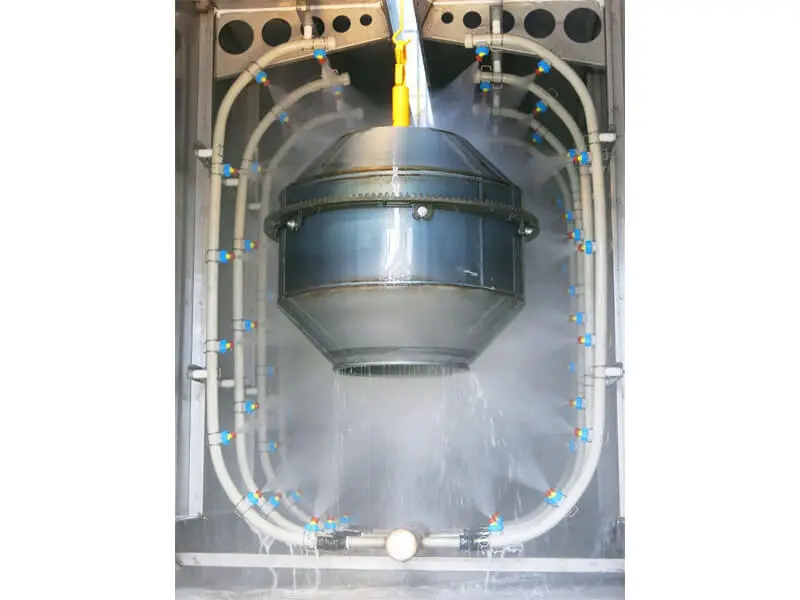
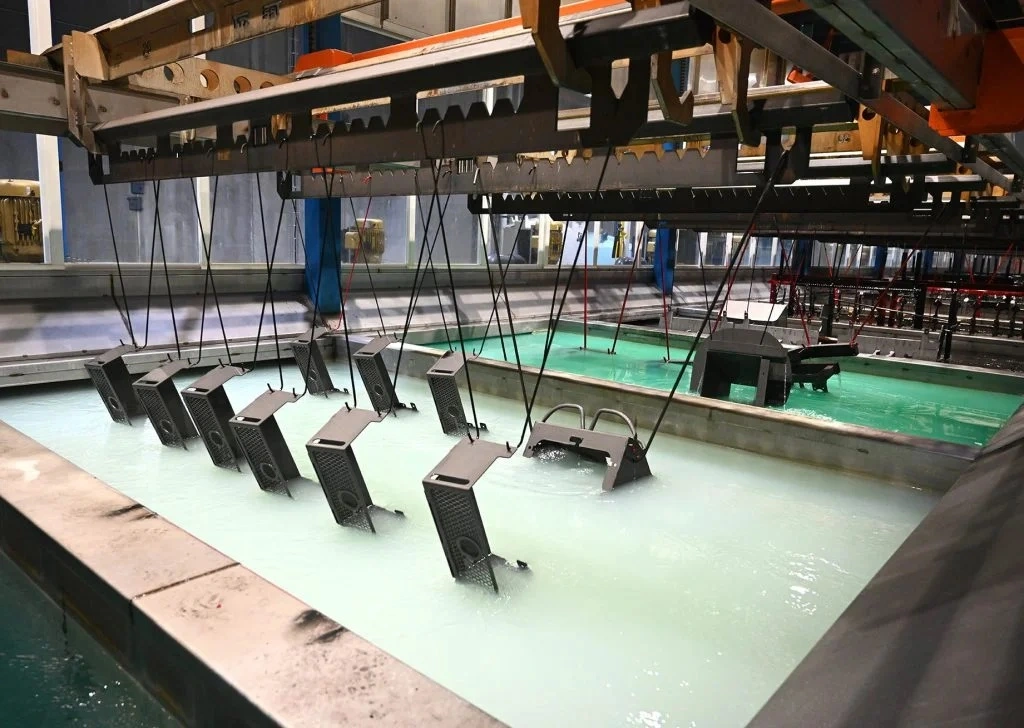
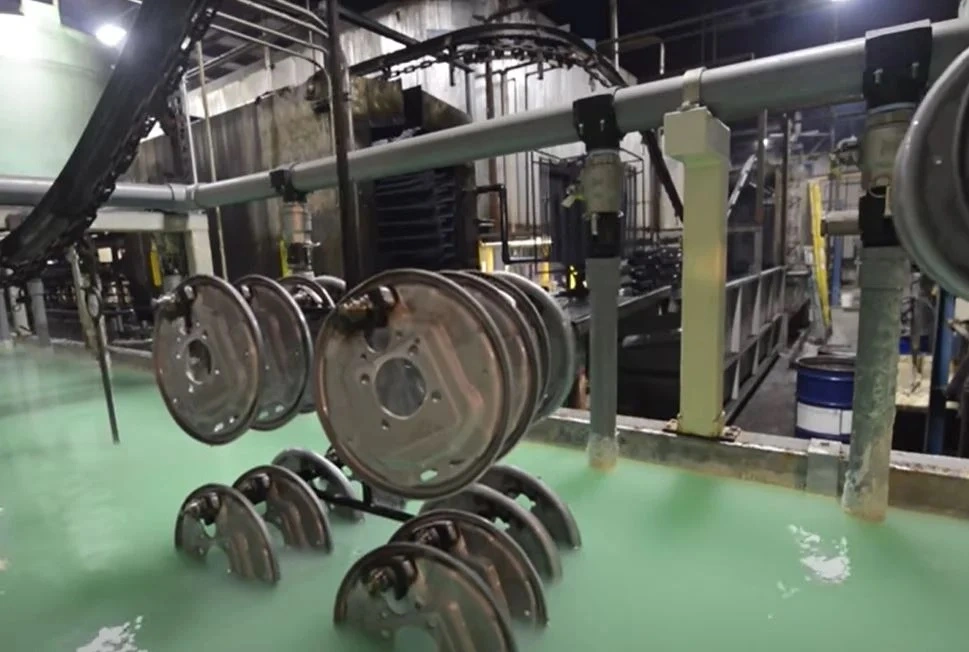
Automated powder coating is a standard industrial finishing process. It uses programmed systems to apply and cure powder coatings on products with minimal manual work. This method offers consistency, efficiency, and high quality. It is widely used from metal fabrication to automotive manufacturing. HANNA designs and builds complete automated powder coating lines for global industries. This article explains its main benefits, system types, and how to choose the right setup.
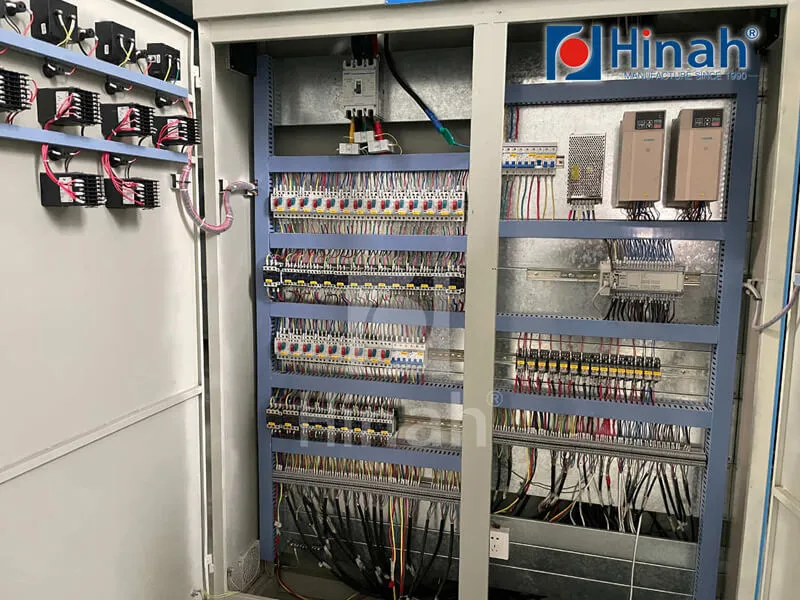
Automated powder coating uses machinery to handle the finishing process. It controls powder application, part movement, and curing. Operators mainly supervise and perform maintenance.
A typical system includes:
This process reduces human involvement in repetitive tasks. It ensures every part receives the same treatment. Automated powder coating is key for meeting high production volumes and strict quality standards. HANNA integrates these components into reliable turnkey solutions.
Different production needs require different systems. The choice depends on part size, volume, and flexibility required.
In these systems, spray guns are mounted in fixed positions. The parts move on a conveyor through the spray zone. The guns are programmed to turn on and off at set times.
This type is ideal for:
A fixed system is a core component of a streamlined automated powder coating line. HANNA configures these systems for optimal transfer efficiency and powder savings.
Here, automatic guns are mounted on vertical reciprocators. These move the guns up and down while the part passes by. This expands the coating coverage area.
Key advantages include:
For many factories, adding reciprocators is a cost-effective step toward full automated powder coating. HANNA’s reciprocators feature smooth motion and easy programming.
Industrial robots offer the highest level of automation. A multi-axis robot arm holds the powder coating gun. It can follow complex three-dimensional paths.
Robotic systems are best for:
While an investment, robotic automated powder coating delivers unmatched precision. HANNA integrates leading robot brands with advanced powder delivery for superior results.
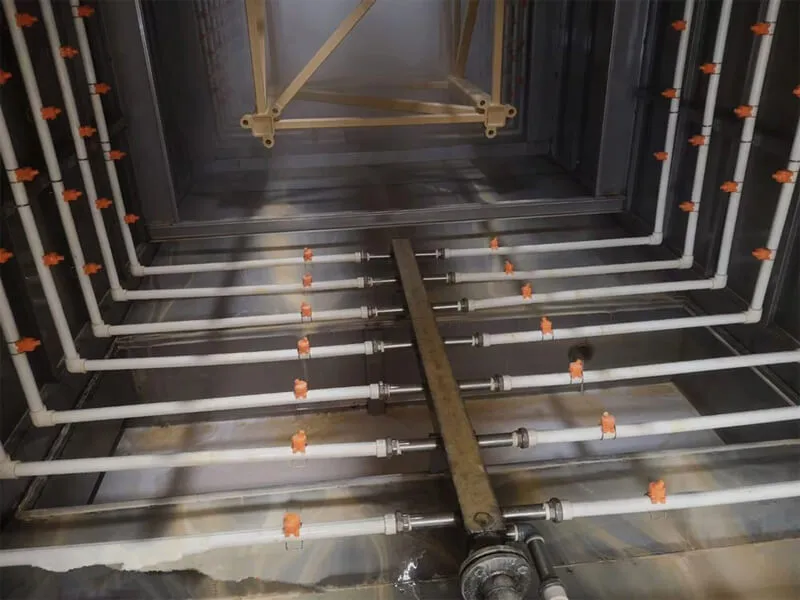
Switching from manual to automated methods offers clear advantages. These benefits impact cost, quality, and workplace conditions.
Automation removes human variability. Every part follows the same path and receives the same amount of powder.
Quality improvements are clear:
This reduces rejects and rework. HANNA systems ensure reliable performance to protect your product quality.
Automated lines run continuously at a set pace. They significantly increase output compared to manual spraying.
Efficiency gains include:
An automated powder coating system from HANNA helps you meet tight production schedules.
Automation controls powder usage precisely. This reduces waste and lowers operating costs.
Savings come from:
HANNA designs systems to optimize powder use, providing a strong return on investment.
Automation improves factory conditions. It limits operator exposure to powder and fumes.
Safety and environmental benefits:
HANNA prioritizes safe design in all automated powder coating solutions.
Modern systems include digital controls. They collect data on the coating process for better management.
You can monitor:
This data helps with process optimization and quality control. HANNA’s control systems provide clear, actionable information.
This technology serves sectors where durability, volume, and finish quality are critical.
In each sector, automated powder coating provides the finish performance required. HANNA has experience delivering systems for all these industries.
Selecting the right system requires careful planning. Consider these factors with HANNA experts.
First, define your current and future requirements.
Key questions to answer:
This analysis determines the scale and type of automated powder coating line you need. HANNA assists in this evaluation phase.
Focus on the core subsystems for performance.
Important components include:
HANNA supplies and integrates all components for seamless operation.
Consider your factory layout and expansion plans.
Plan for:
HANNA provides layout drawings and scalable system designs to support your growth.
Automated powder coating is a proven method to achieve high-quality, efficient, and cost-effective finishes. It offers consistent results, material savings, and safer working conditions. From fixed automatics to robotic cells, there is a system for every production need. Partnering with an experienced provider like HANNA ensures you get a solution tailored to your specific parts, volume, and goals. Investing in automation strengthens your manufacturing capabilities for the long term.
Q1: What is the main difference between manual and automated powder coating?
A1: The main difference is control. Manual coating relies on an operator’s skill to apply powder. Automated powder coating uses programmed machines (like fixed guns or robots) to apply powder consistently, offering higher repeatability, speed, and material efficiency.
Q2: Is automated powder coating only for large manufacturers?
A2: Not necessarily. While ideal for high volume, automation can benefit mid-sized producers. Modular systems or single robotic cells can be a cost-effective solution for complex parts or to increase the output of a specific production line.
Q3: How much powder can an automated system save compared to manual spraying?
A3: Savings vary, but automated systems often achieve 30-50% higher transfer efficiency. This means significantly more powder ends up on the part rather than as waste. This reduction in overspray leads to direct material cost savings.
Q4: Can HANNA’s automated systems handle quick color changes?
A4: Yes. HANNA designs systems with efficient color change in mind. Features like quick-change powder cartridges, clean booth walls, and automated booth cleaning cycles minimize downtime when switching between colors.
Q5: What kind of maintenance does an automated powder coating line require?
A5: Regular maintenance is essential. Daily tasks include checking powder levels and cleaning reclaim filters. Weekly and monthly tasks involve inspecting guns, cleaning electrodes, and verifying conveyor alignment. HANNA provides detailed maintenance schedules and support.
Q6: Can we automate an existing manual powder coating line?
A6: Often, yes. Existing pretreatment and curing ovens can sometimes be integrated with a new automated spray booth and conveyor system. HANNA can assess your current setup and propose a retrofit solution to modernize your process.