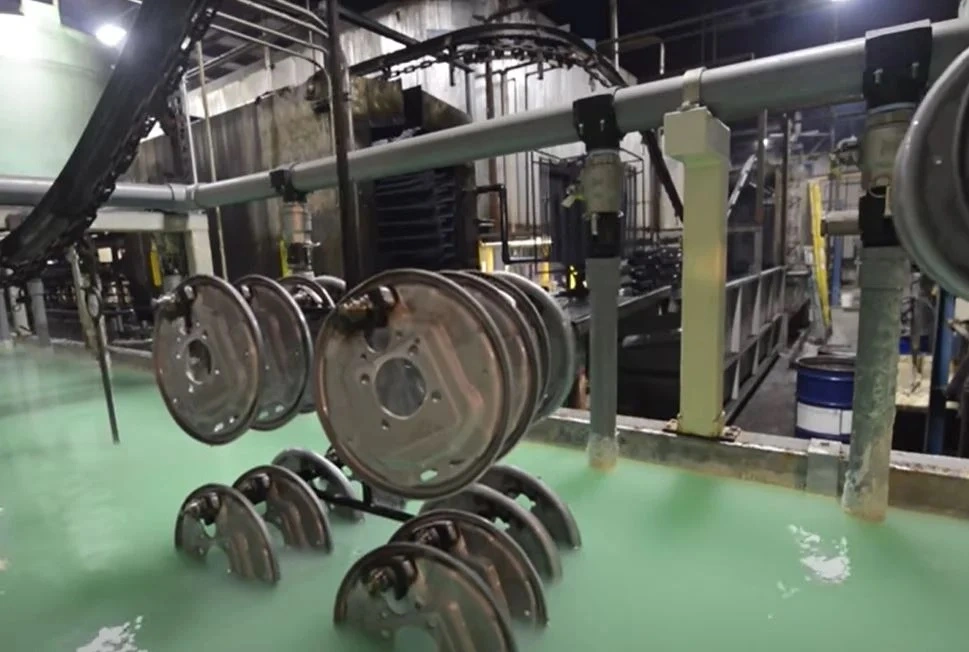
Selecting the right curing equipment is critical for finish quality and production efficiency. When you search for a powder coating oven for sale, you are not just buying a box that heats parts. You are investing in the final stage of your finishing process, where the powder melts, flows, and chemically cross-links to form a durable coating. An undersized or inefficient oven creates bottlenecks and rejects. This guide breaks down the technical specifications and operational considerations you must evaluate before making a purchase. HANNA provides industrial-grade ovens engineered for consistency and low operating costs.
The first decision is whether your production volume justifies a batch or a continuous system. Each configuration has distinct advantages.
Batch ovens are enclosures where racks of parts are loaded, cured, and then unloaded. They are ideal for job shops with varying part sizes and low to medium volumes.
Walk-in ovens: Allow operators to enter for loading/unloading. Typical sizes range from 6'x6'x6' to 10'x10'x20'.
Truck-in ovens: Designed for very large or heavy parts loaded on carts via tracks.
Advantage: Lower initial investment and the ability to handle mixed batches without reconfiguration.
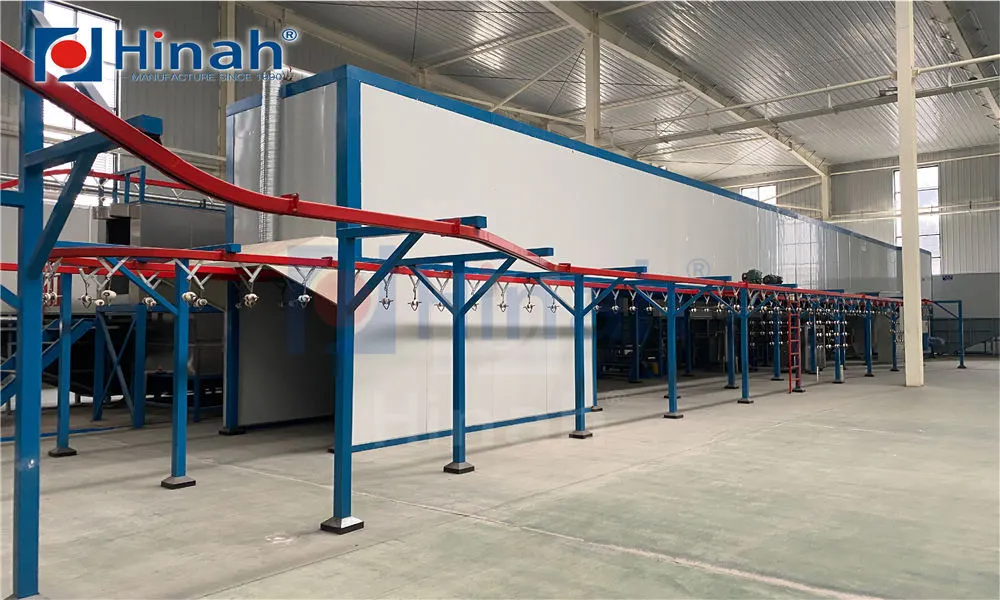
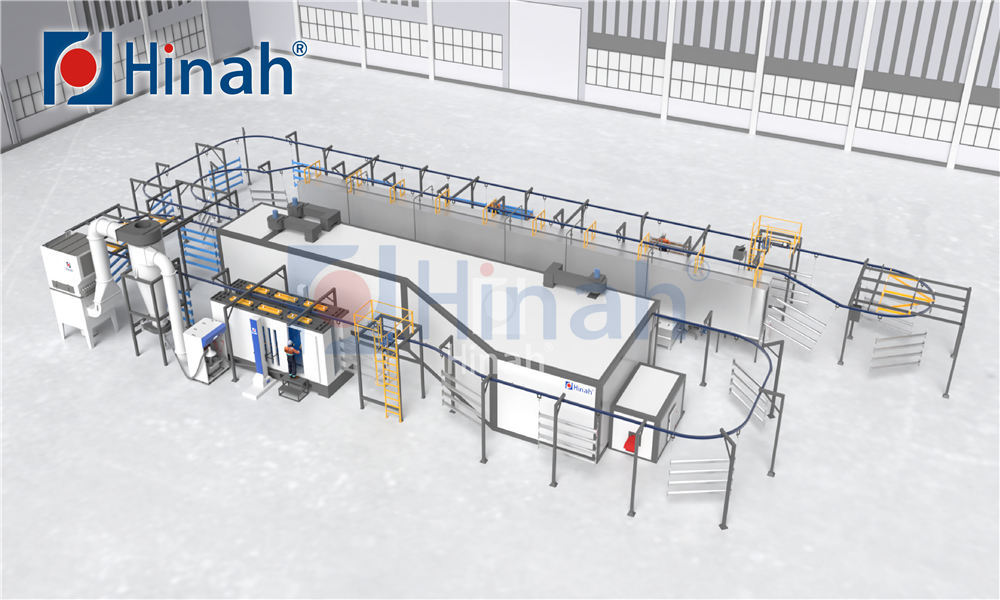
For high-volume production of similar parts, a conveyor oven integrated into an automated line maximizes throughput. Parts move through a heated tunnel on a belt or overhead chain.
Typical heated lengths: 20 to 80 feet.
Temperature zones: Multiple zones allow precise cure profiles.
Advantage: Consistent dwell time and minimal labor per part.
When evaluating a powder coating oven for sale, match the type to your average batch size and future growth plans.
The purchase price is only part of the total cost. Energy consumption over 5-10 years often exceeds the initial outlay. Look for these features.
Industrial ovens should have 4 to 6 inches of high-density mineral wool insulation. Better insulation means:
Lower surface temperature (safer for operators).
Reduced heat loss (lower gas or electric bills).
Faster heat-up and recovery times.
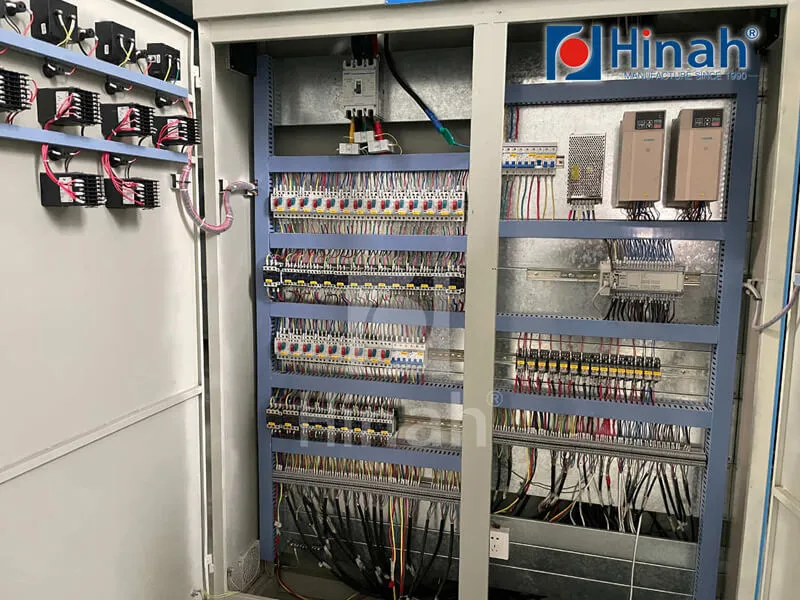
Gas-fired ovens should use indirect-fired burners with high turndown ratios. Recirculation fans must move sufficient air volume (measured in CFM) to ensure temperature uniformity of ±5°C or better. VFDs on fans modulate speed based on load, saving energy during idle periods.
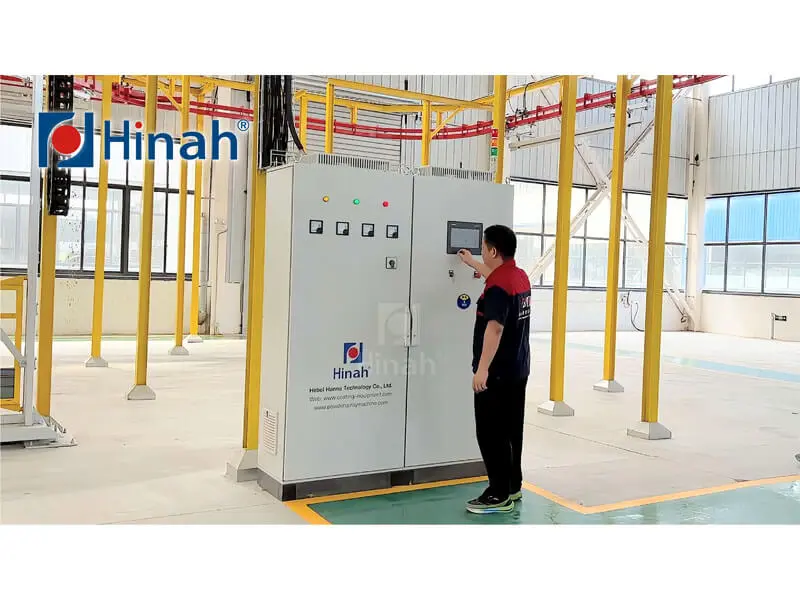
Modern PLC controls with programmable temperature setback automatically reduce oven temperature during nights or weekends. This simple feature can cut energy use by 15-20% annually.
Uneven heating causes under-cured spots or discoloration. When you consider a powder coating oven for sale, request data on airflow and uniformity.
Most industrial ovens use horizontal air circulation with high-velocity nozzles positioned to penetrate part densities. Vertical airflow (from ceiling to floor) may be preferred for long, hanging parts. The key is to avoid dead zones where air stagnates.
Reputable suppliers perform temperature uniformity surveys (TUS) during commissioning. Multiple thermocouples placed throughout the chamber record temperatures over a full cycle. Ask for a report showing that the oven meets your specified tolerance, typically ±5°C at setpoint.
The oven's physical construction determines its longevity and maintenance requirements. Inspect these aspects.
The interior should be made of aluminized or stainless steel to resist corrosion from outgassing. The floor must support your maximum rack load. Continuous conveyor ovens often use slat conveyors or woven wire belts rated for high temperatures.
High-temperature silicone or fiberglass rope seals prevent heat leakage. Panels should be tongue-and-groove or flanged to minimize thermal bridging. HANNA constructs ovens with heavy-gauge steel and compression-sealed panels for decades of service.
Powder coating ovens operate with combustible materials and high temperatures. Safety is non-negotiable.
In North America, ovens must comply with NFPA 86 (Standard for Ovens and Furnaces). Key requirements include:
High-limit temperature controllers independent of the main control.
Safety interlocks that shut down the burner if the fan fails or if the temperature exceeds limits.
Explosion relief panels if flammable solvents may be present.
Proper exhaust removes byproducts of curing and maintains a slight negative pressure to contain fumes. Make-up air must be pre-heated in cold climates to avoid oven temperature droop.
Beyond the five factors, you must calculate required capacity. Use this formula:
Oven load (lbs/hour) = Part weight (lbs) × Parts per rack × Racks per hour
The oven must have sufficient BTU output to raise the mass of parts plus racks to cure temperature within the desired dwell time. A common rule is 1,200–1,500 BTU per pound of steel per hour for heat-up. Heavier parts require more thermal energy. HANNA engineers perform heat-load calculations to size the burner and airflow correctly.
Many suppliers offer standard sizes, but custom engineering may be necessary for unique part geometries or space constraints. Custom features can include:
Multi-zone temperature control for different cure profiles.
Side doors for long extrusions.
Integrated cooling tunnels after the oven.
When requesting quotes for a powder coating oven for sale, provide detailed part drawings, production rates, and available floor space to get accurate pricing.
Q1: What is the typical price range for an industrial powder coating oven?
A1: Prices vary widely based on size and features. A small walk-in batch oven (6'x6'x6') may start around $25,000–$35,000. A large truck-in oven can range from $80,000 to $150,000. Continuous conveyor systems often exceed $200,000. Installation and site preparation add 20–30%.
Q2: How do I determine the correct oven size for my parts?
A2: Measure your largest part and allow at least 6 inches of clearance on all sides for air circulation. For batch ovens, multiply the number of racks per cycle by the rack footprint. For conveyor ovens, calculate the required dwell time and line speed to determine heated length.
Q3: Can I use a natural gas oven if I only have propane available?
A3: Yes, burners can be converted or specified for propane. Propane has a different BTU content per cubic foot, so the orifice size and gas pressure must be adjusted. Inform the manufacturer of your fuel type when ordering.
Q4: What maintenance does a powder coating oven require?
A4: Regular tasks include: checking and replacing door seals, lubricating fan bearings, cleaning burner flame sensors, and verifying calibration of temperature controllers. Annual professional inspection of the burner and safety systems is recommended.
Q5: How long does it take to install and commission a new oven?
A5: Installation typically takes 1–2 weeks for a batch oven, depending on site preparation. Commissioning and validation add another 3–5 days. Conveyor ovens with longer tunnels may require 3–4 weeks for assembly and tuning.
Q6: Does HANNA offer ovens with remote monitoring capabilities?
A6: Yes, HANNA integrates PLCs with Ethernet connectivity, allowing remote access to temperature data, alarm notifications, and production reports. This helps operators monitor cure cycles from a central control room.