
If you're expanding your finishing line or upgrading your facility, searching for a reliable powder coating oven for sale is a critical step. The right oven directly impacts your throughput, finish quality, and energy efficiency. With numerous options on the market, selecting the perfect unit can be complex.
This article cuts through the noise. We'll explore the key types of ovens available and what you must consider before making a purchase. Whether you coat small batches or run a continuous high-volume operation, understanding your choices ensures a smart investment.
Let's examine how to find a powder coating oven for sale that aligns with your production goals and budget.
Your production needs dictate the oven type. Ignoring this can lead to bottlenecks or wasted capital. The primary considerations are your workflow, part size, and volume.
Cure time requirements for your specific powders are also crucial. Undercured finishes fail prematurely. Overcuring wastes energy and can damage substrates.
Energy source availability—gas, electric, or infrared—affects operating costs and installation. Finally, consider future growth. An oven that meets today's needs but can't handle tomorrow's workload is a short-term solution.
The first major decision is between batch and conveyorized systems. Both have distinct advantages depending on your operation.
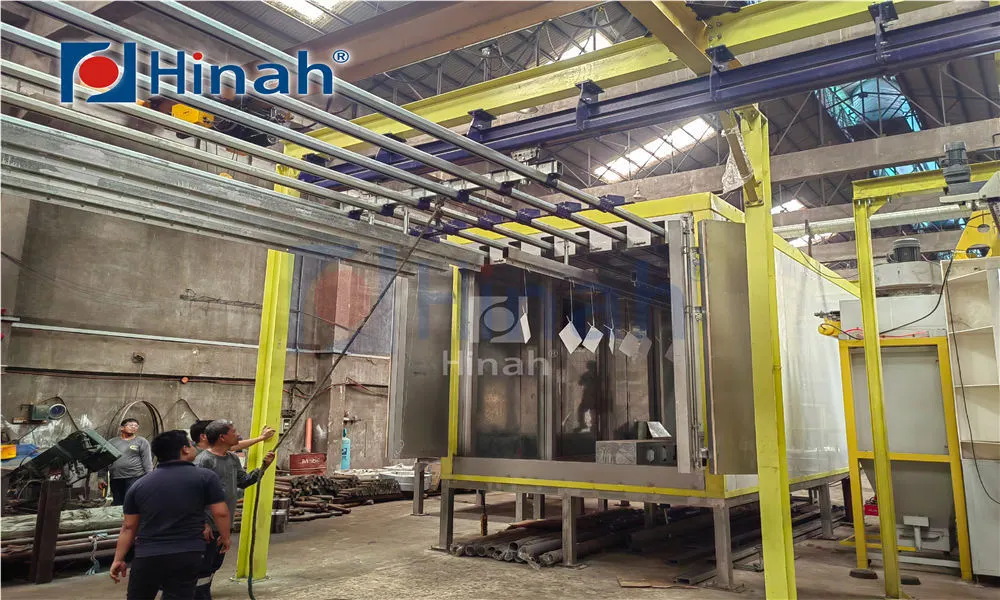
Batch ovens, like cabinet or walk-in models, are ideal for low-to-medium volume, varied part sizes, or job shop environments. They offer great flexibility. You load a rack of parts, cure them, unload, and start the next cycle. HANNA batch ovens are known for uniform heat distribution and robust construction.
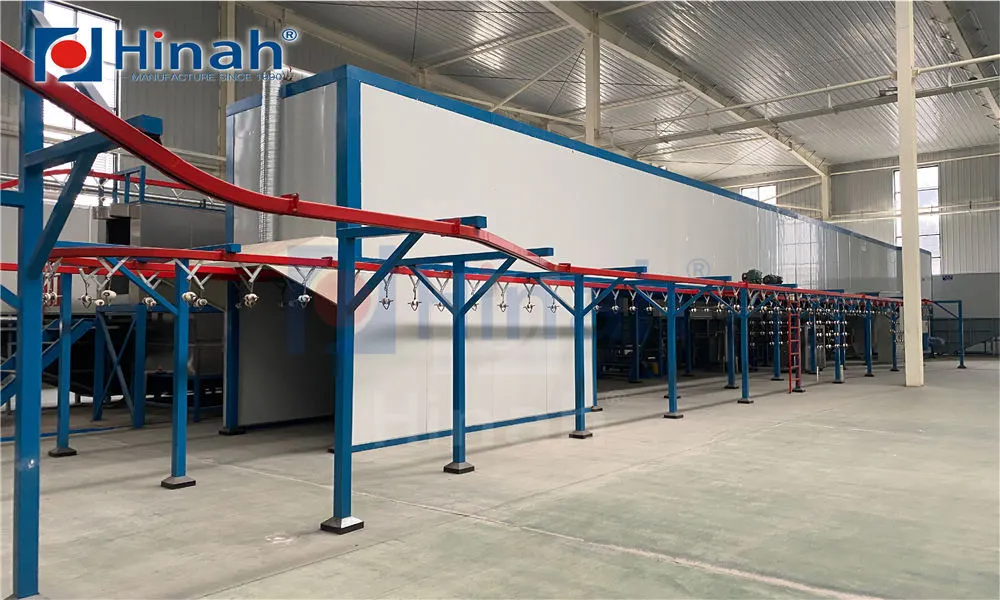
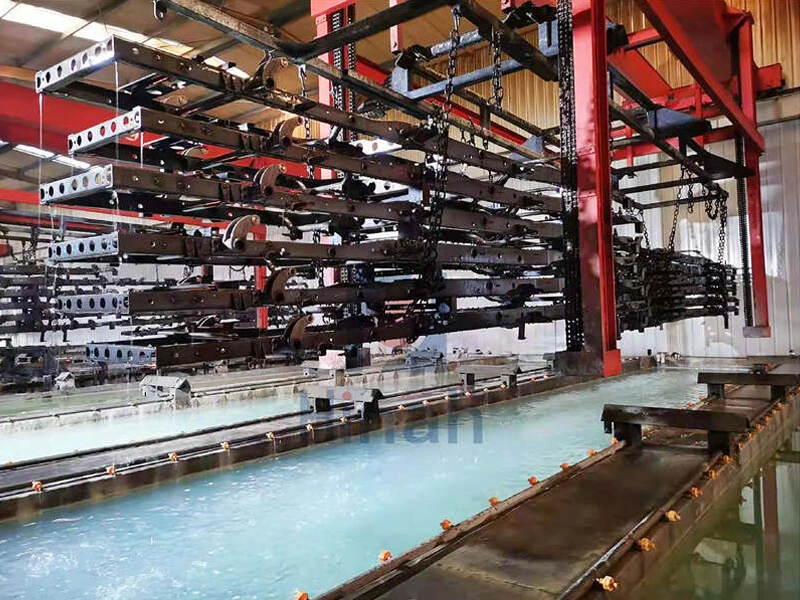
Conveyor ovens, including overhead monorail or belt systems, are designed for continuous, high-volume production. Parts move through zones on a timed conveyor, providing a consistent cure. This setup maximizes throughput and minimizes manual handling. When you see a conveyorized powder coating oven for sale, it's typically for dedicated, high-output lines.
Never buy an oven based on size alone. Dig into the specifications to ensure performance.
Temperature uniformity is paramount. A top-tier oven like those from HANNA maintains tight temperature variation (±5°F or better) across the entire work zone. This ensures every part cures identically. Heating system capacity and recovery rate matter too. Can it quickly bring new, cold parts up to temperature without disrupting the cycle?
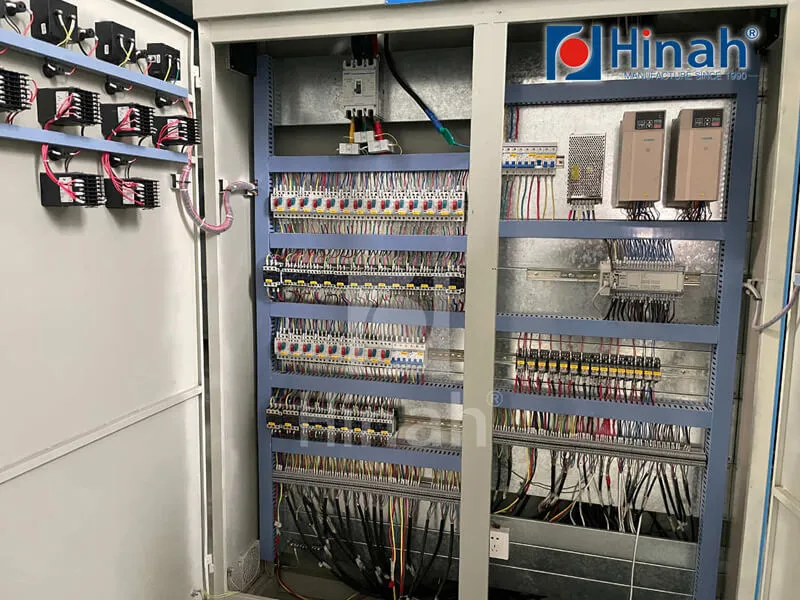
Insulation quality impacts heat retention and exterior safety. Look for modern, high-R-value insulation. Control systems range from simple dials to programmable logic controllers (PLCs) with data logging. Advanced controls offer repeatability and process validation.
The purchase price is just the beginning. Energy consumption is a lifelong cost. Evaluating efficiency features saves significant money.
Look for features like high-efficiency burners, robust insulation, and well-sealed doors. Heat recovery systems can capture and reuse exhaust heat. Properly sized exhaust stacks minimize heated air loss.
Infrared (IR) ovens offer another efficient solution for certain applications. They transfer energy directly to the part and coating, heating faster than traditional convection. This can slash cure times and energy use for parts with simple geometries.
Industrial ovens must adhere to strict safety standards. Overlooking this can risk your facility and personnel.
Essential safety features include over-temperature protection, proper ventilation, and emergency stops. Combustion safeties (for gas ovens) and airflow proving switches are critical. Electrical systems should meet all local and national codes (e.g., NEC, CSA).
A reputable manufacturer like HANNA builds these features into the core design. Always verify that any powder coating oven for sale complies with relevant safety regulations before installation.
An oven that's too small cripples production. One that's too large wastes floor space and energy. Accurate sizing requires careful planning.
Consider your largest potential part, rack dimensions, and required clearance. Account for heat expansion. For conveyor ovens, calculate line speed and required cure time to determine oven length.
Factory layout is equally important. Plan for airflow, service access, and logistics around the oven. Include space for future expansion. Many suppliers offer layout consultation to optimize your workflow.
The company behind the oven is as important as the hardware itself. Long-term reliability depends on quality manufacturing and support.
Research the manufacturer's history in the industry. HANNA, for instance, has built a reputation for durable, precision ovens. Examine the warranty terms thoroughly. What is covered and for how long?
Post-sale support is crucial. Ensure availability of technical assistance, spare parts, and qualified service technicians. A reliable partner helps with installation, startup, and future maintenance.
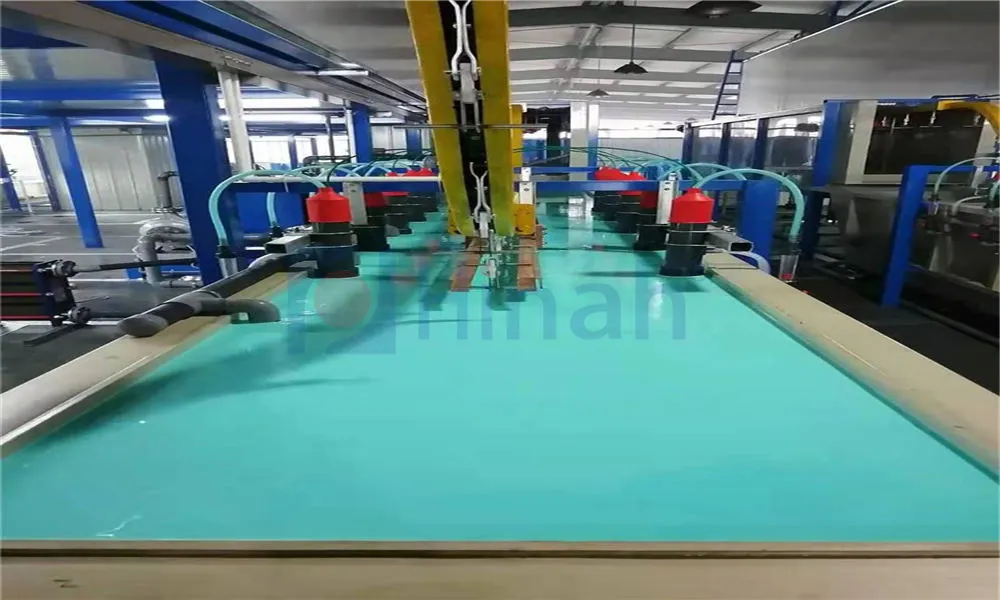
A smooth installation sets the stage for years of reliable operation. Plan for utility connections (gas, electric, exhaust), floor preparation, and rigging access.
Discuss installation services with your supplier. A professional setup ensures optimal performance and safety. After installation, a consistent maintenance schedule is vital.
Regularly inspect heaters, blowers, burners, and control systems. Keep air passages and filters clean. Proper maintenance prevents unplanned downtime and extends the oven's service life, protecting your investment in a powder coating oven for sale.
While central to metal finishing, these ovens serve diverse sectors. Their ability to provide a durable, high-quality finish is valued everywhere.
The automotive industry uses them for wheels, frames, and accessories. Aerospace applies them for compliant coatings on components. Architectural firms cure finishes on aluminum extrusions and facades.
Farm equipment, furniture, and appliance manufacturers all rely on powder coating ovens. This versatility means the right oven can open doors to new markets and applications for your business.
Choosing the ideal powder coating oven for sale requires balancing technical specs, budget, and long-term goals. Prioritize quality, efficiency, and manufacturer support over the lowest initial price.
Define your requirements clearly. Request detailed proposals from reputable manufacturers. Ask for customer references and, if possible, visit a similar installation.
With careful planning, your new oven will become a cornerstone of your finishing process, delivering consistent results and a strong return on investment for years.
Q1: What is the typical lead time for a HANNA powder coating oven?
A1: Lead times vary based on the oven's size, complexity, and customization. Standard batch ovens may ship in 6-8 weeks, while large conveyor systems require more extensive engineering and fabrication, often taking 12-16 weeks. Always confirm the current timeline with your HANNA representative during the quoting process.
Q2: Can I retrofit or upgrade my existing oven with new controls or energy-saving features?
A2: In many cases, yes. HANNA and other quality manufacturers often offer retrofit services. Upgrading to a modern PLC control system, adding high-efficiency burners, or improving insulation can enhance performance and reduce costs. A technical assessment of your current oven is needed first.
Q3: How much factory floor space do I need to allocate for an industrial powder coating oven?
A3: Space needs extend beyond the oven's physical footprint. You must account for clearance for doors to open, service access on all sides (often 3-4 feet), and space for part loading/unloading. For conveyor ovens, include the entire length of the entrance and exit vestibules. A detailed layout plan is essential.
Q4: What is the difference between direct-fired and indirect-fired heating systems?
A4: In a direct-fired system, burner flames and combustion gases enter the oven's curing chamber directly. This is very efficient but not suitable for coatings sensitive to combustion byproducts. Indirect-fired systems use a heat exchanger; the air in the curing chamber is separate from combustion gases, offering a cleaner environment for sensitive applications.
Q5: What kind of preventative maintenance does a powder coating oven require?
A5: A regular preventative maintenance schedule is crucial. Daily or weekly checks include verifying temperature settings and listening for unusual fan noises. Monthly tasks involve inspecting and cleaning airflow filters and checking door seals. Annually, a comprehensive inspection by a qualified technician of all burners, electrical components, safety devices, and the interior lining is recommended to ensure safety and efficiency.