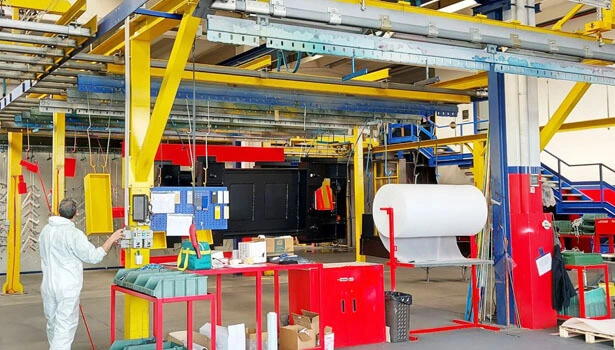

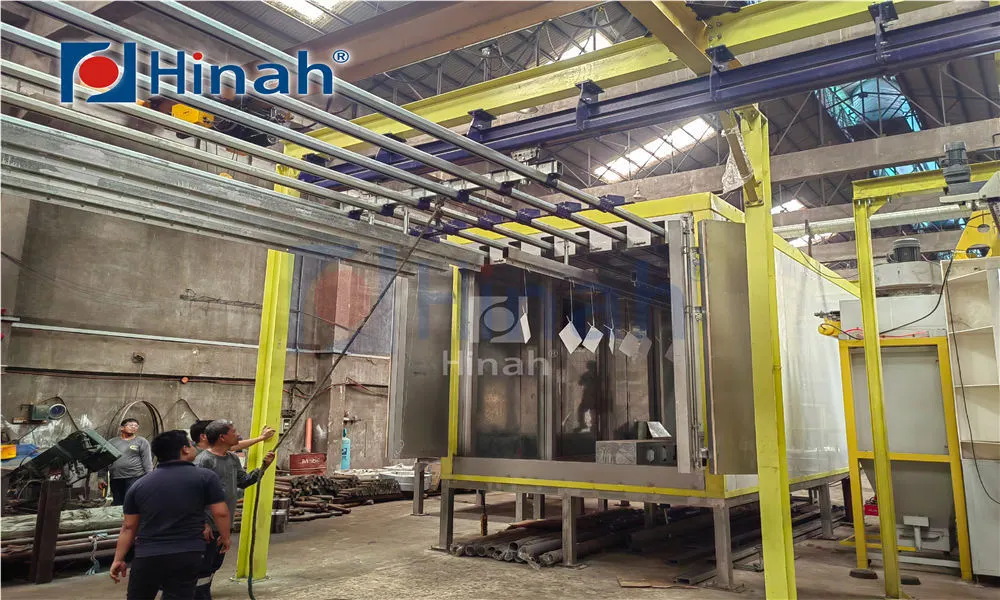
The ED coating process, or electrodeposition coating, is a fundamental technique in industrial metal finishing. It involves applying paint through an electrical current, creating a uniform, durable layer. This method is vital for corrosion protection and primer application. Companies seeking reliable and efficient systems often turn to experts like HANNA for integrated solutions. Understanding this process is key to achieving high-quality, long-lasting results.
To effectively use electrodeposition, a solid grasp of its core principles is necessary. The ED coating process relies on electrochemistry to deposit paint onto a conductive substrate. It offers superior coverage compared to traditional spray methods.
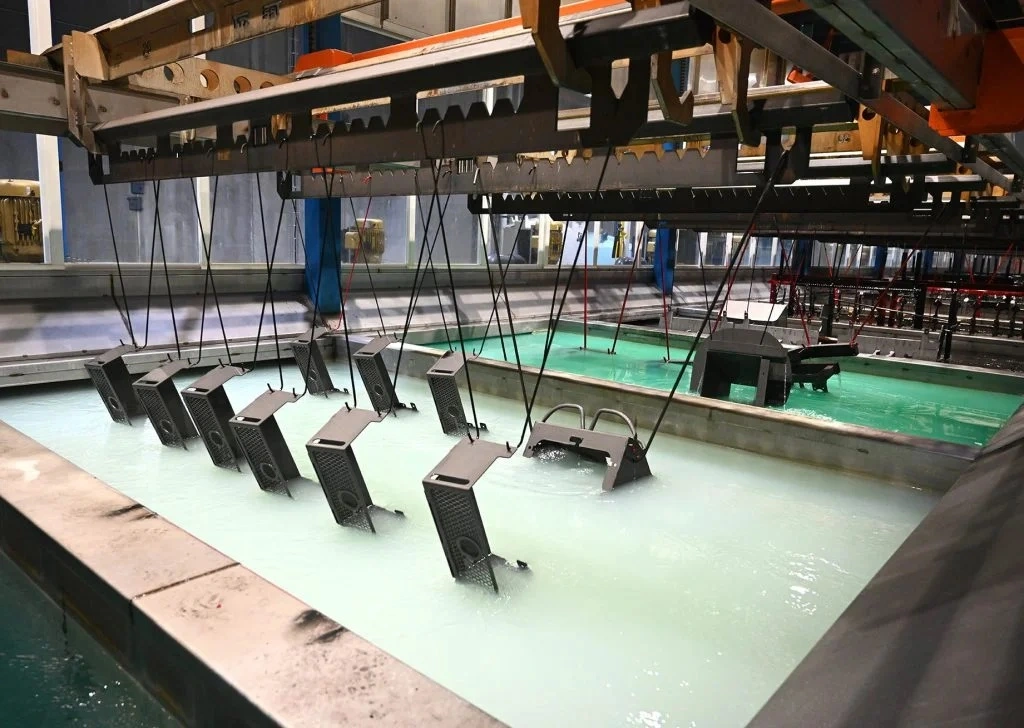
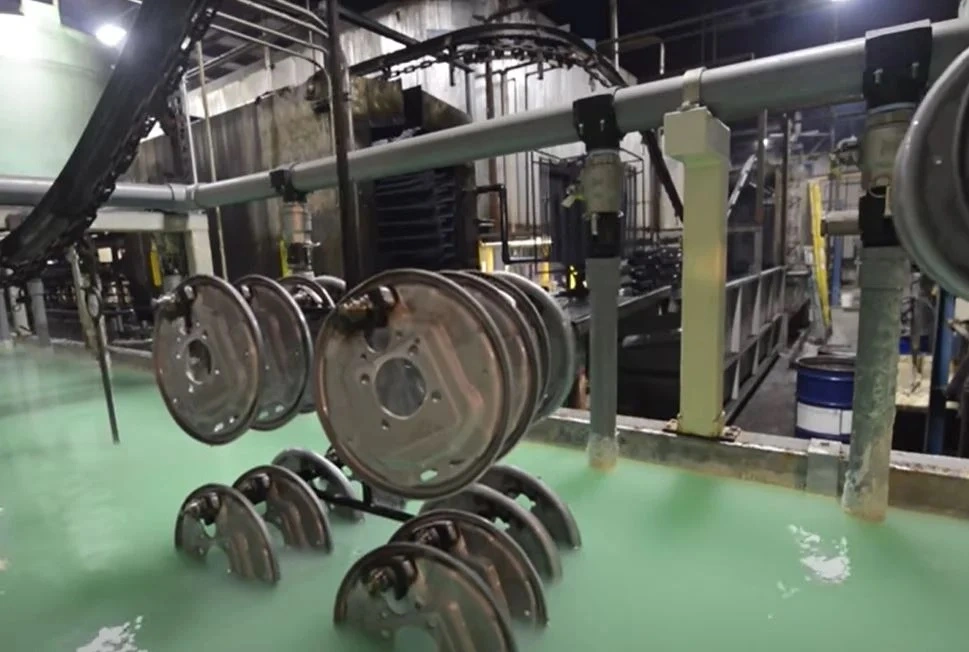
The workpiece is immersed in a tank filled with a water-based paint emulsion. An electric charge is applied, making the part act as an electrode. Charged paint particles migrate and deposit uniformly onto the surface.
This mechanism ensures complete coverage, even on complex geometries. A well-managed ED coating process from HANNA maximizes this advantage.
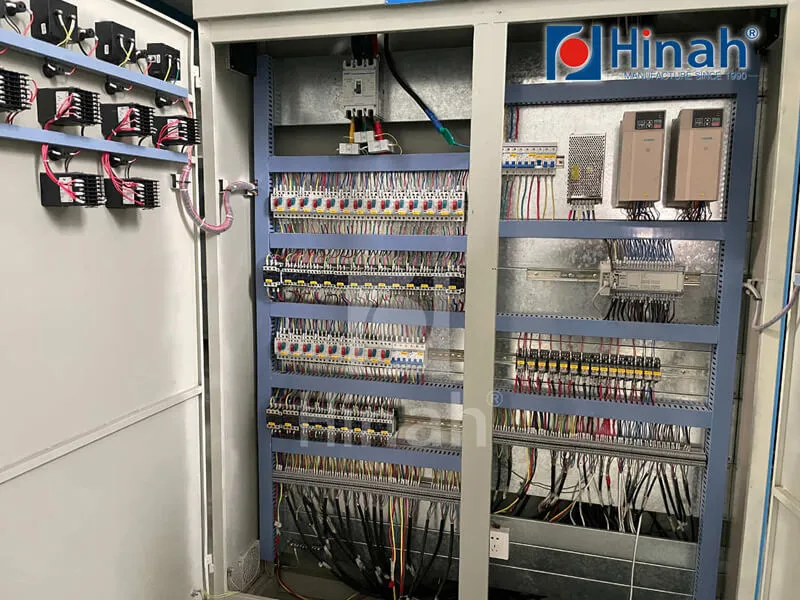
A complete system involves more than just a paint tank. It requires precise control over several interconnected components to function correctly.
Each component must be carefully calibrated. The efficiency of the entire ED coating process depends on their seamless integration.
A successful application follows a strict, sequential workflow. Each step prepares the metal and ensures the coating performs as intended. Skipping or rushing any phase compromises quality.
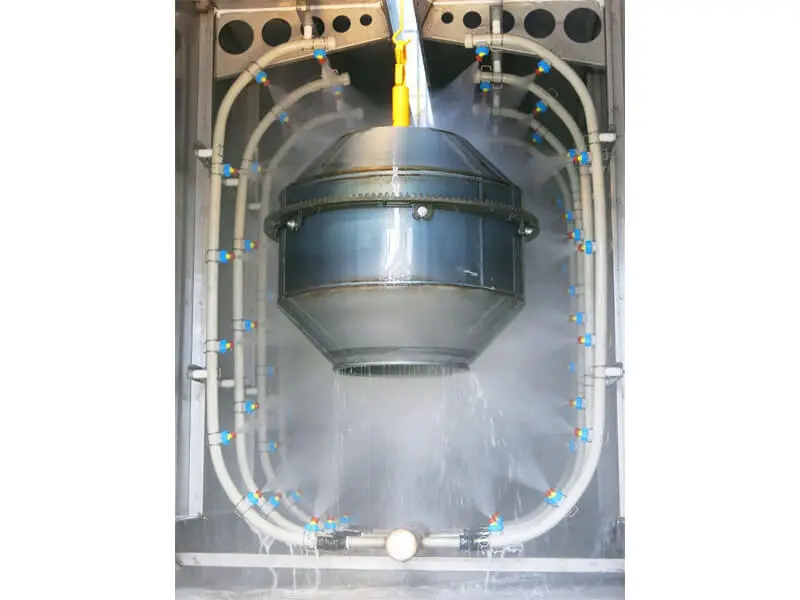
This is the most critical preparatory stage. All oils, dirt, and oxides must be removed to ensure proper paint adhesion and corrosion resistance.
Any contamination left on the surface will directly affect the subsequent ED coating process.
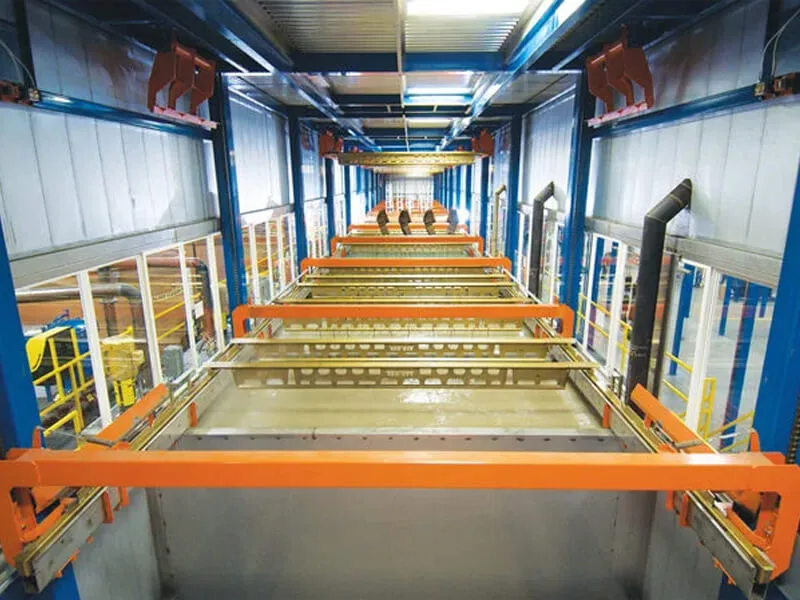
The cleaned part is immersed in the ED bath. Voltage is applied for a specific time, determining the film thickness. Bath parameters must be constantly monitored.
Precision here, often aided by HANNA systems, defines coating quality.
After exiting the bath, loosely attached paint is rinsed off. This step回收 valuable paint and prevents drag-out contamination.
Efficient rinsing improves material utilization in the ED coating process.
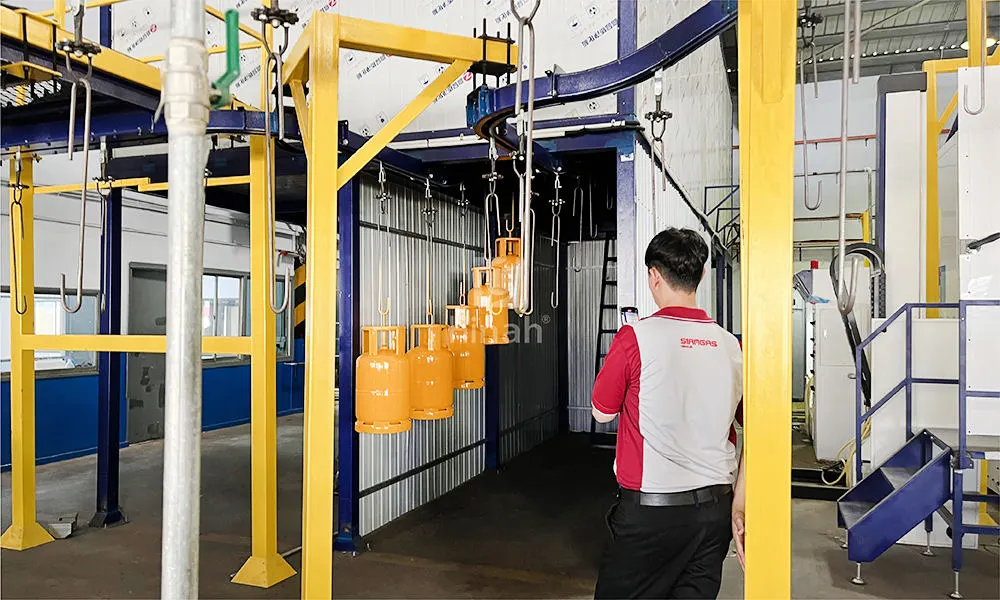
The rinsed part enters a curing oven. Heat causes the deposited film to cross-link and polymerize, forming a hard, durable finish.
Incomplete curing leads to poor mechanical and chemical resistance.
Final inspection verifies the coating meets specifications. Common tests measure thickness, adhesion, and corrosion resistance.
Regular testing ensures the reliability of the entire ED coating process.
The ED coating process offers distinct benefits that make it the preferred choice for many demanding applications. Its versatility spans across multiple heavy industries.
This process provides technical and economic advantages over other coating methods. These benefits contribute directly to product quality and operational cost savings.
These advantages explain why an optimized ED coating process is a valuable asset.
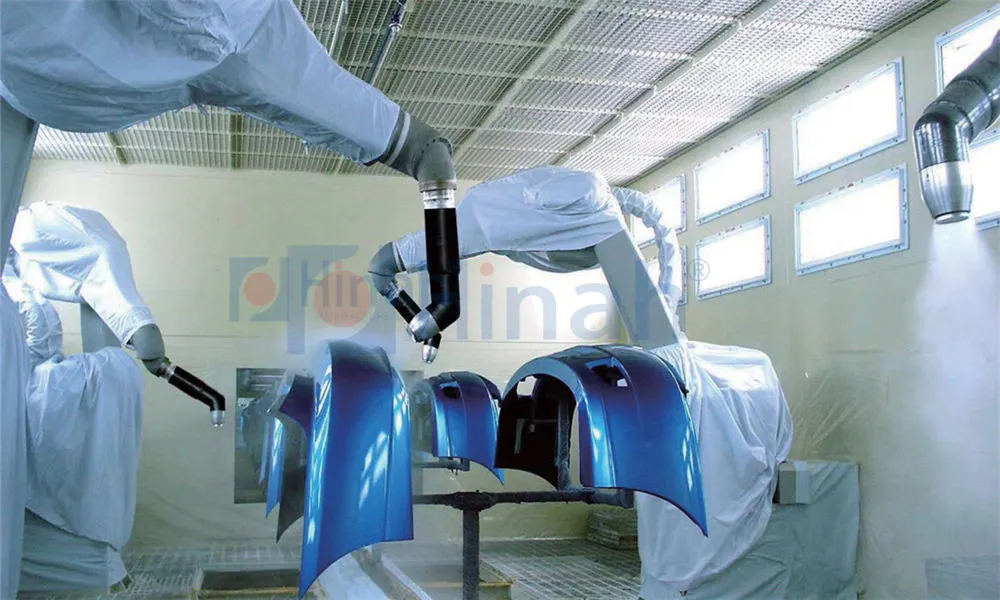
Due to its protective qualities, ED coating is foundational in sectors where durability is non-negotiable. It is most commonly used as a primer.
Companies like HANNA design systems tailored to these specific industry needs.
Even a well-established ED coating process can face issues. Recognizing symptoms and knowing corrective actions minimizes downtime and waste.
Defects such as orange peel, pitting, or poor adhesion often trace back to specific root causes. Systematic troubleshooting is required.
Regular bath analysis and maintenance prevent most common defects in the ED coating process.
The chemistry of the ED bath is dynamic. Keeping it stable is essential for consistent results and long bath life.
Stable bath management is a core service aspect offered by suppliers like HANNA.
Mastering the ED coating process requires attention to chemistry, electricity, and engineering. By following the structured steps—from meticulous pretreatment to precise curing—manufacturers can achieve unparalleled finish quality and protection. Partnering with experienced providers such as HANNA for system design and support ensures this complex process runs smoothly and efficiently. A well-optimized ED coating line remains a cornerstone of modern, high-performance industrial finishing.
Q1: What is the main difference between anodic and cathodic ED coating?
A1: In anodic ED, the workpiece is the anode (positively charged), and the paint is negatively charged. Cathodic ED reverses this: the part is the cathode (negatively charged). Cathodic ED coating process is more common today as it offers superior corrosion resistance by preventing metal ion dissolution at the substrate.
Q2: How long does a typical ED coating bath last before needing replacement?
A2: With proper management, an ED bath can operate for several years. Its longevity depends on strict control of parameters, effective ultrafiltration, and regular replenishment. Contamination and improper maintenance are the primary reasons for premature bath replacement.
Q3: Can the ED coating process be used on non-metallic parts?
A3: No, standard electrodeposition requires the substrate to be electrically conductive. The part must carry the electrical charge to attract the paint particles. Plastics or composites must first be made conductive, typically with a metallic layer, before undergoing this process.
Q4: What factors determine the final film thickness in ED coating?
A4: Final thickness is primarily controlled by the applied voltage and the deposition time. Higher voltage and longer immersion time generally result in a thicker coating. Bath temperature, solid content, and the specific paint chemistry also influence the final film build.
Q5: Why is pretreatment so critical before the ED coating stage?
A5: Pretreatment cleans the metal and applies a conversion coating (like phosphate). This layer removes impurities that cause defects, dramatically improves paint adhesion, and significantly enhances the overall corrosion protection of the finished part. A failure in pretreatment will lead directly to a failure of the final coating.