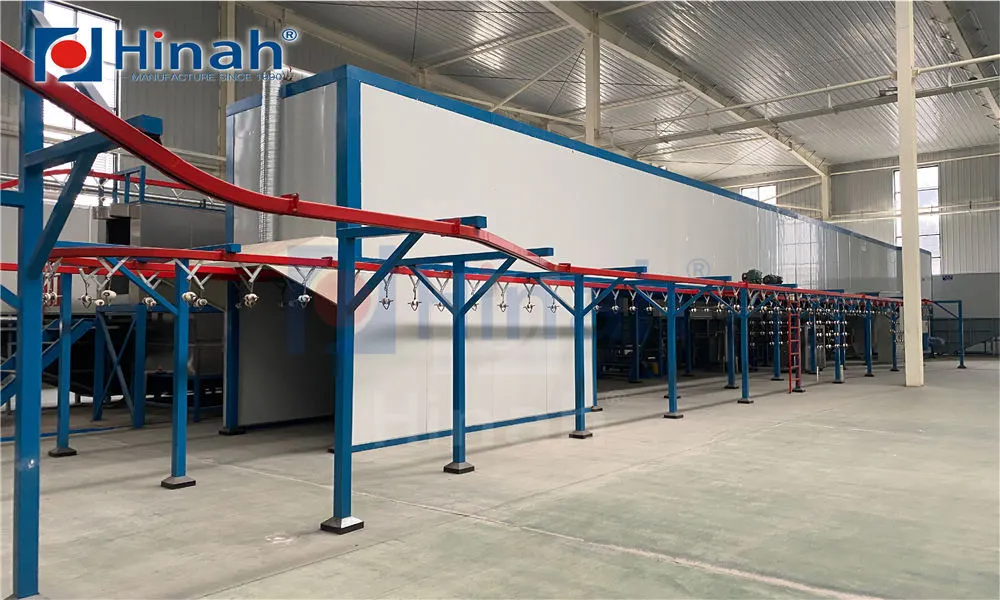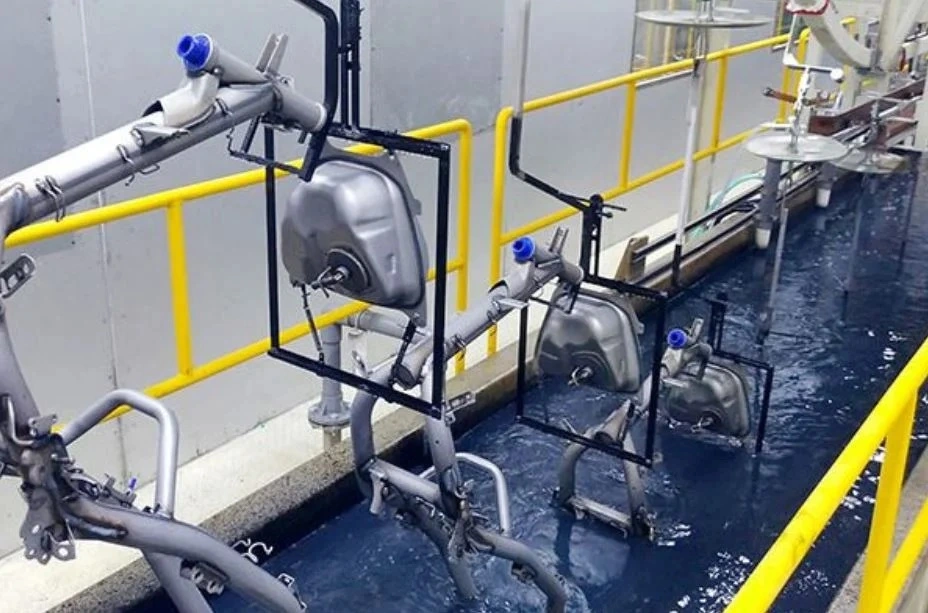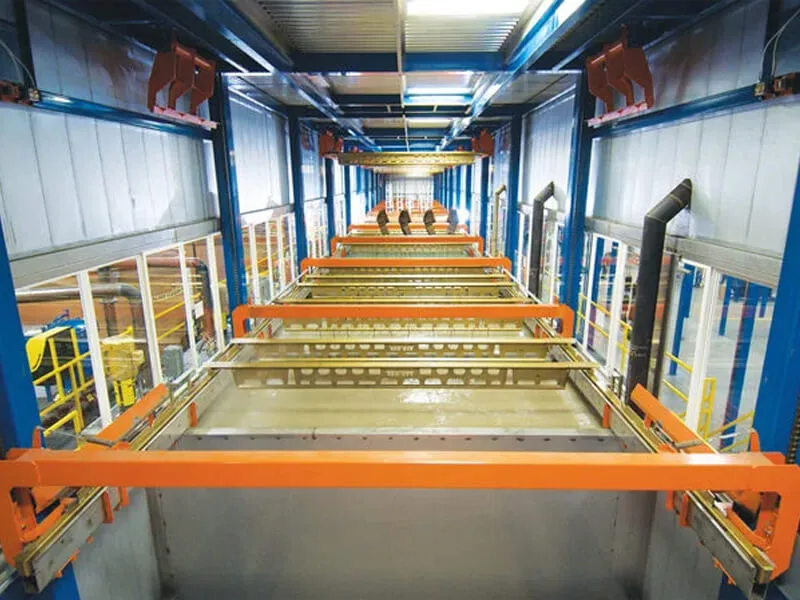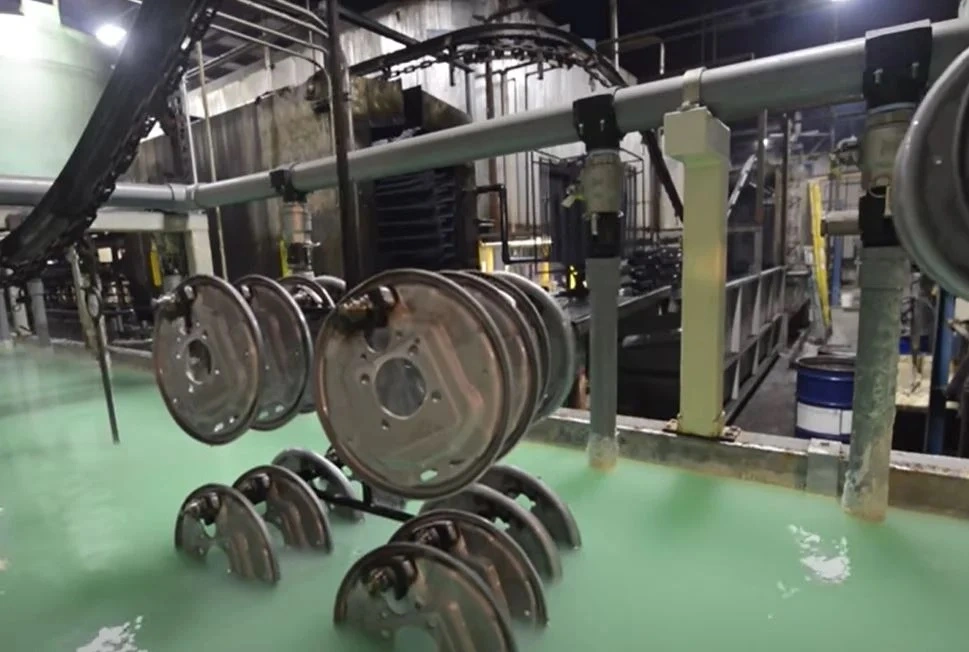
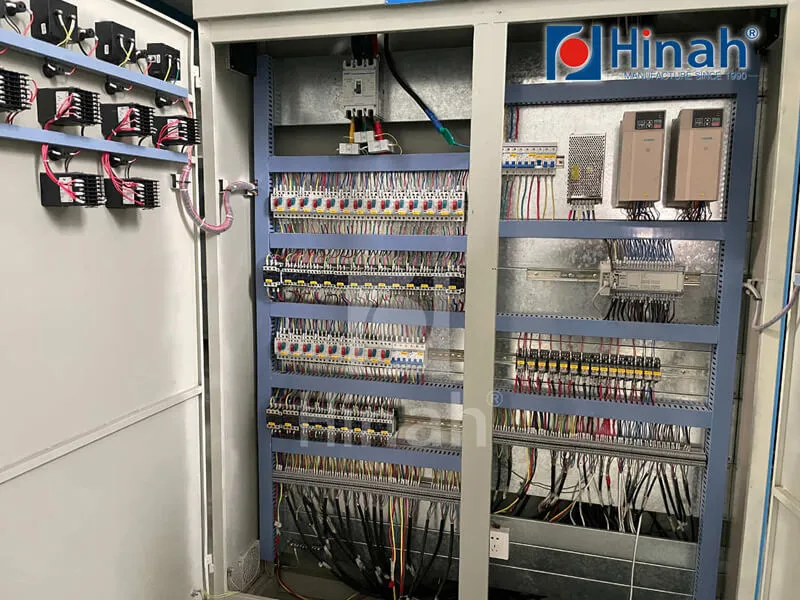

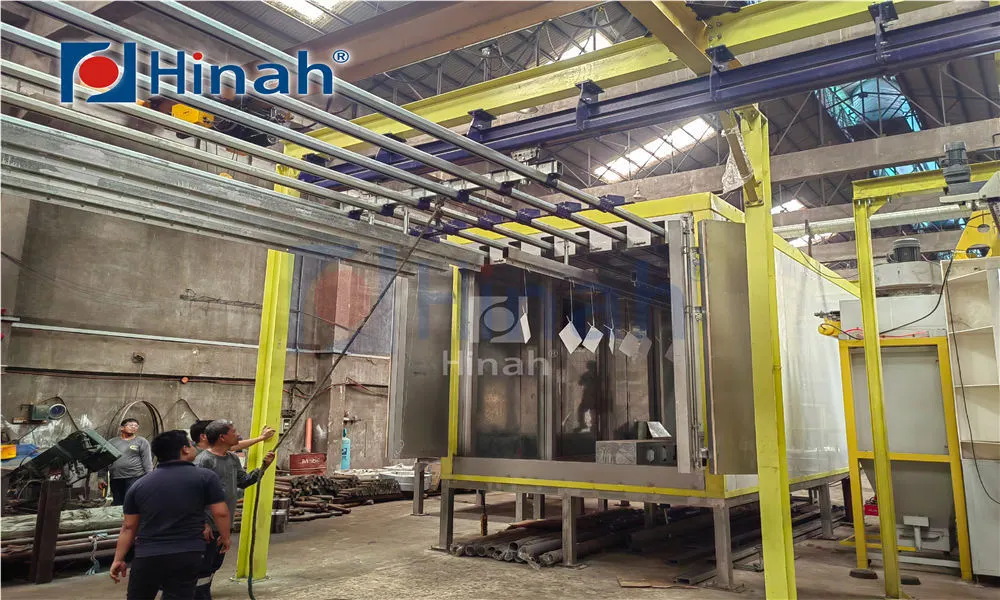
Selecting the right powder coating paint booth is a critical decision that directly impacts your finish quality, operational safety, and material costs. It’s the controlled environment where the magic of application happens. A well-designed booth ensures a clean, efficient process, while a poor choice leads to wasted powder, contamination, and frustrated operators.
This guide walks you through the practical considerations. We’ll examine different booth designs, key features, and what truly matters for your specific operation. Making an informed choice protects your investment and maximizes your powder coating paint booth's performance from day one.
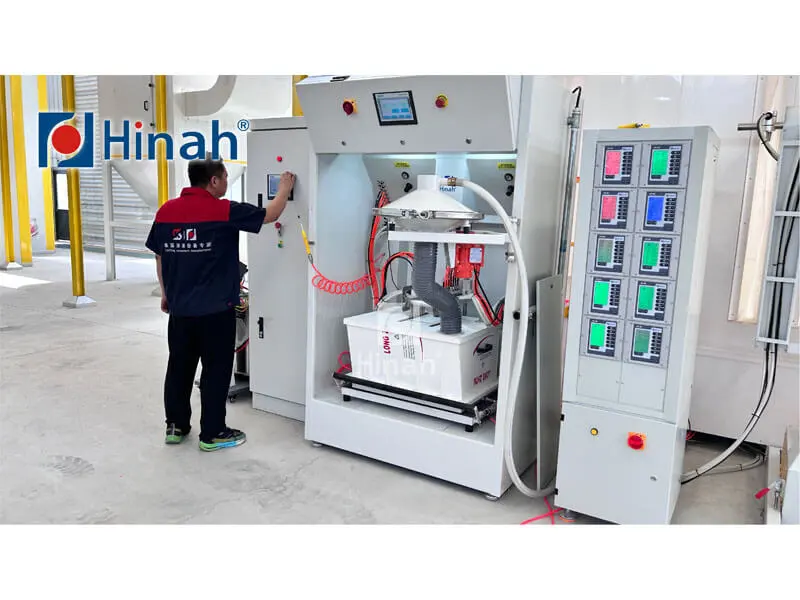
A powder coating paint booth is far more than a simple enclosure. It serves three primary functions. First, it contains the overspray, protecting your facility and workers. Second, it provides a clean, well-lit environment for the applicator to see their work. Third, and most critically, it facilitates the efficient recovery of oversprayed powder.
This recovery is what makes powder coating a sustainable process. A high-efficiency booth system can reclaim over 95% of unused powder. This powder is then sieved and reused, drastically reducing material costs. The design of the booth directly determines this recovery rate.
Not all powder coating paint booth designs are the same. The main types are defined by their air flow and powder recovery method.
Downdraft Booths are the industry standard for high-quality finishes. Clean air is pulled from the ceiling, flows down over the part, and is extracted through a filtered floor. This creates a clean, vertical air curtain that carries overspray away from the part and operator, minimizing contamination.
Crossdraft Booths pull air horizontally across the part and out the rear wall. They are often more compact and less expensive to install. They are suitable for manual coating of smaller or less complex items where ultimate finish perfection is not the primary goal.
Open Face or Recovery Booths are often used with automatic gun systems. They don’t fully enclose the part but use rear-mounted filters and powerful fans to capture overspray directly behind the application zone.
When evaluating a powder coating paint booth, look beyond the basic shell. Key components define its effectiveness.
The filter system is the heart of recovery. Cartridge filters are standard, but their quality varies. Look for high-media-area cartridges with good anti-blinding properties. HANNA uses tiered filtration systems to maximize efficiency and cartridge life.
Lighting is often underestimated. Shadow-free, bright LED lighting is essential for the operator to see coverage and achieve a uniform film build. Poor lighting leads to missed spots and rework.
Airflow and CFM (Cubic Feet per Minute) are engineered numbers. The booth must maintain a specific face velocity (typically 100-120 ft/min for downdraft) to properly contain powder. An underpowered fan compromises containment and recovery.
Construction quality matters. A sturdy, welded steel frame with smooth, cleanable interior panels (often coated with a powder-like finish itself) ensures durability and prevents contamination snag points.
Your powder coating paint booth is not an island. It must work seamlessly with your pretreatment, conveyor, and curing oven. This systemic integration is where partners like HANNA add immense value.
The conveyor entry and exit points must be properly sized. The booth’s length must match your line speed and required application time. Electrical and control systems should be compatible.
HANNA designs the powder coating paint booth as a core component of the total line. This ensures smooth part transfer, synchronized controls, and optimal positioning of manual or automatic guns for your specific part geometry.
The price tag for a powder coating paint booth varies widely. A small crossdraft booth costs significantly less than a large, automated downdraft system. However, the true cost is measured over years of operation.
A cheap booth may have a low-efficiency filter system. This wastes more powder daily, adding thousands in unnecessary material costs. A poorly sealed booth can leak contamination, leading to quality rejects.
Investing in a robust booth from HANNA focuses on operational savings. Their efficient recovery systems pay for themselves in powder savings. Their durable construction minimizes maintenance downtime and repair costs.
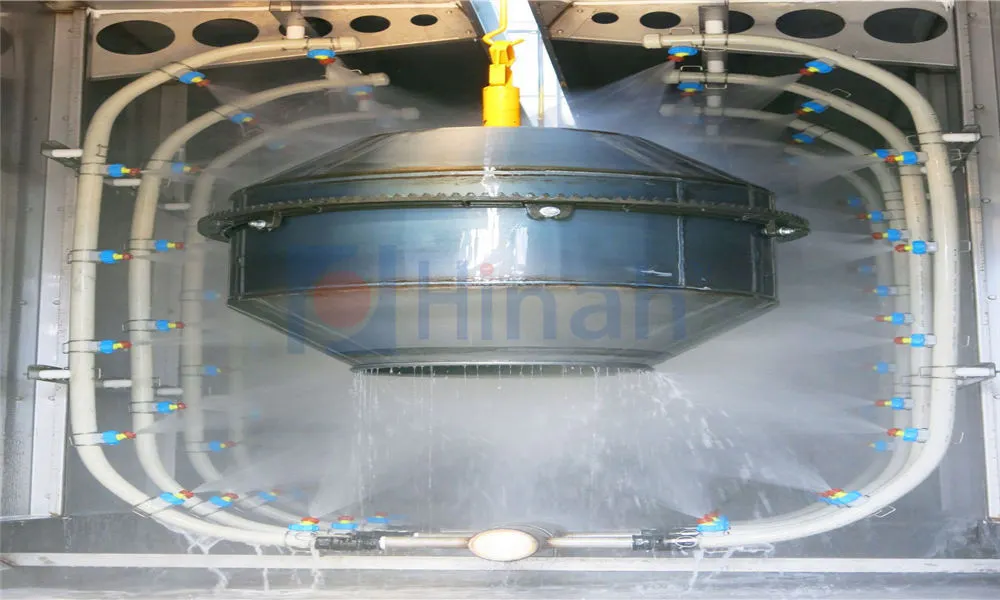
Regular maintenance is non-negotiable for a powder coating paint booth. A neglected booth quickly loses efficiency and becomes a source of quality problems.
Daily tasks include cleaning powder spillage and checking for filter pressure drop. Cartridge filters require periodic pulsing (automatic or manual) and eventual replacement. The entire interior, including walls and floors, should be cleaned regularly to prevent color contamination.
The exhaust fan and motor should be inspected for wear. All lighting should be kept clean and functional. HANNA provides clear maintenance schedules and easy access to service parts to keep your booth running like new.
Choosing HANNA for your powder coating paint booth means choosing a partner focused on your process outcome. They don’t just sell a standard enclosure. They engineer a solution based on your parts, volume, and quality goals.
HANNA’s booths are known for their superior airflow engineering, ensuring excellent first-pass transfer efficiency. They use high-quality, readily available filter components. Their designs prioritize operator ergonomics and safety.
Most importantly, they view the booth as part of your holistic finishing system. This integrated approach from a single supplier prevents the compatibility gaps that plague piecemeal equipment purchases.
Your powder coating paint booth is the foundation of your application process. Its performance dictates your material efficiency, workspace cleanliness, and the consistency of your finish.
By prioritizing proper design, quality components, and systemic integration, you secure a reliable and profitable coating operation. Partnering with an experienced provider like HANNA ensures your investment supports quality and growth for years to come.
Q1: What is the main advantage of a downdraft booth over a crossdraft booth?
A1: The primary advantage is superior finish quality and containment. Downdraft airflow pulls contamination away from the freshly coated part, reducing the chance of dirt or debris settling on the wet powder. It also creates a cleaner work environment for the operator.
Q2: How often do powder booth filters need to be replaced?
A2: There’s no single answer. It depends on powder usage, type of powder, and booth efficiency. With proper daily maintenance and pulsing, high-quality cartridges in a well-designed booth like HANNA's can last 6 to 18 months. Monitoring the filter pressure gauge is the best way to know when replacement is needed.
Q3: Can I convert my existing liquid paint booth into a powder coating paint booth?
A3: Rarely, and it’s generally not recommended. Liquid booths are designed for wet overspray extraction and use different filtration (often water wash). They lack the dry filtration and powder recovery systems essential for powder. The electrical requirements for equipment also differ. A purpose-built powder booth is a safer and more efficient investment.
Q4: What are the critical safety features to look for in a booth?
A4: Key safety features include properly grounded components to prevent static discharge, explosion-relief panels or vents, compliant electrical equipment for Class II environments, and adequate lighting. The structural integrity of the booth and its extraction system to maintain safe airborne powder levels are also paramount.
Q5: Can HANNA design a booth for a specific, unusually large part?
A5: Absolutely. HANNA specializes in custom-engineered solutions. They can design and build a powder coating paint booth to accommodate oversized parts like architectural beams, truck frames, or agricultural equipment. This includes custom dimensions, specialized door systems, and engineered airflow for the specific application.