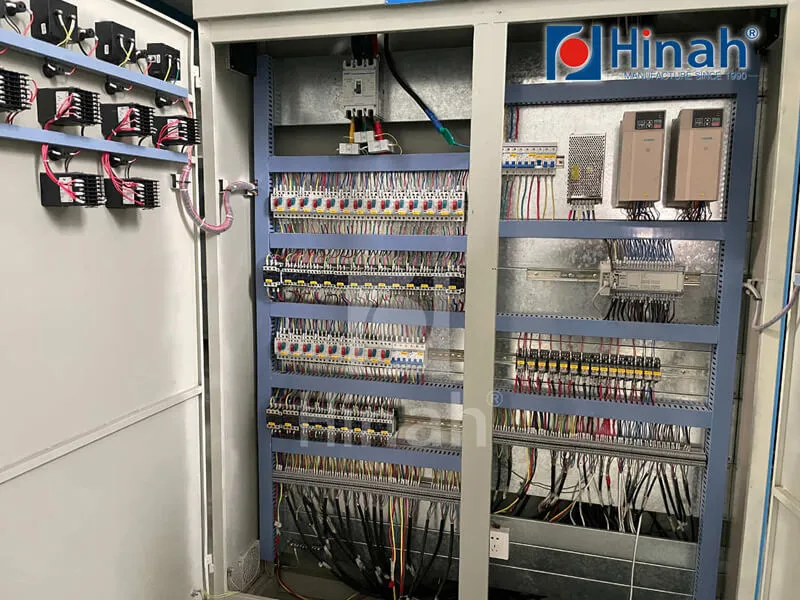

Setting up a new finishing line or upgrading an old one? The heart of your operation will always be your powder coating machine and oven. Choosing the right combination isn't just about buying two pieces of equipment. It's about selecting a synchronized system where the application and curing stages work in perfect harmony.
A mismatch here leads to wasted powder, uneven finishes, and frustrated operators. This article breaks down the key factors you need to consider. We'll look at how the machine and oven interact, what technologies are available, and why partners like HANNA focus on the system, not just the individual parts.
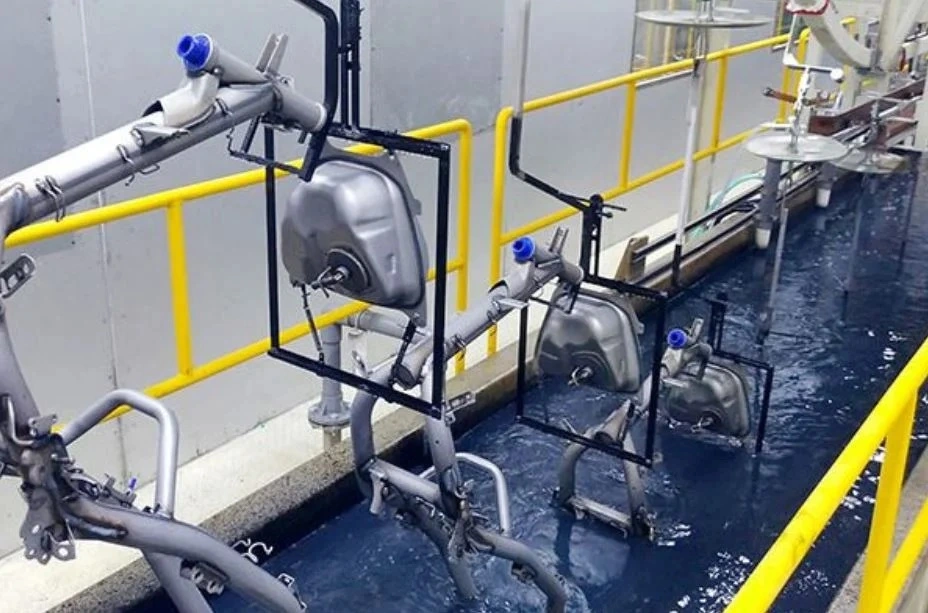
Your powder coating machine and oven are a team. The gun applies the powder; the oven makes it permanent. But their relationship is more detailed than that.
The type of powder you use, applied by the machine, dictates the exact cure schedule the oven must deliver. The line speed set by your conveyor must give the oven enough time to properly cure the coating.
Think of it this way: the most advanced, automated powder coating machine is wasted if the oven has hot and cold spots. Conversely, a perfectly engineered oven can't fix a poor application from an underpowered or poorly set-up machine.
When people talk about a powder coating machine, they're usually referring to the application system. This includes the spray gun, control unit, powder pump, and often a recovery system.
Manual systems are the entry point. An operator holds the gun, controlling the spray pattern and thickness. It's flexible for custom shops with varied parts. Consistency relies heavily on the operator's skill.
Automatic systems use fixed or reciprocating guns mounted on a frame. They are programmed for repeatable, precise application. This is for high-volume production of similar parts. It reduces labor and improves consistency.
Powder recovery booths, often integrated with the machine, are crucial. They collect oversprayed powder so it can be reused. A good recovery system, like those in HANNA setups, can reclaim over 95% of powder, drastically cutting material costs.
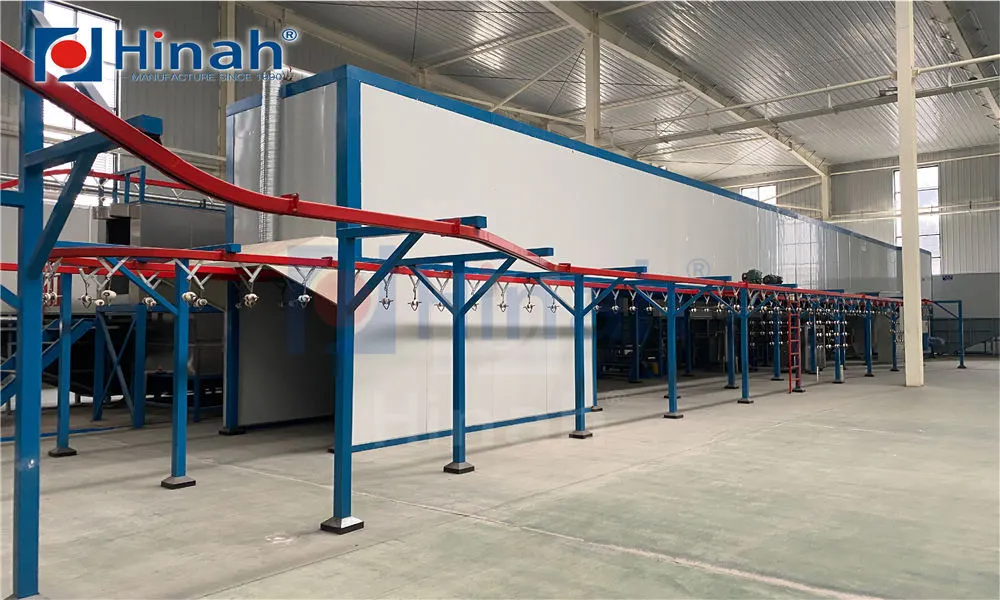
The oven is where the chemical transformation happens. The two main types are convection and infrared (IR), each with strengths.
Convection ovens use heated, circulating air. They are the most common and versatile. They provide even heat distribution, making them ideal for complex, three-dimensional parts. Heat gets into every nook.
Infrared ovens use radiant energy, curing the powder from the outside in. They are extremely fast and energy-efficient for simple, flat parts like panels or sheets. However, they can struggle with parts with deep recesses.
Many modern lines use a hybrid approach. A common setup from HANNA might use a short IR section for rapid heat-up, followed by a convection zone for a thorough, even final cure. This balances speed and quality.
Choosing the right powder coating machine and oven comes down to a few practical questions.
First, what are you coating? List your typical part size, material (steel, aluminum, etc.), and geometry. Heavy, dense parts need more oven heat capacity. Complex shapes may need multiple gun positions.
What is your production volume? A few parts per day can use a manual machine and batch oven. High volume demands an automated system with a conveyorized curing oven.
Don't forget about space and utilities. Powder coating ovens need adequate clearance and ventilation. You'll need sufficient electrical power or gas supply. HANNA engineers often start with a site review to check these basics.
The price for a powder coating machine and oven can range from tens of thousands to hundreds of thousands. The initial purchase is just one line item.
Consider operating costs. An energy-inefficient oven will add significantly to your monthly bills. A machine with poor powder recovery wastes material with every part you coat.
Look at total cost of ownership. A robust system from a provider like HANNA may cost more upfront. But it pays back through lower energy use, less powder waste, minimal downtime, and consistent quality that keeps customers happy.
Financing and leasing options can make a superior system more accessible. This spreads the investment over its productive life.
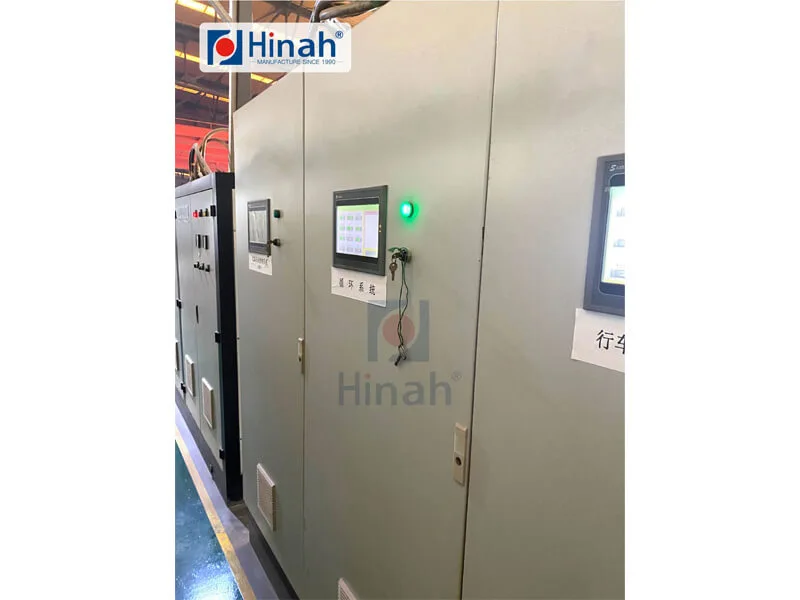
This is the most important point. A powder coating machine and oven bought separately might not communicate. An integrated system is engineered to work together from the start.
The line speed is synchronized. The oven length and temperature profile are calculated based on the cure needs of the powder applied by your specific guns. The controls can often talk to each other for simple troubleshooting.
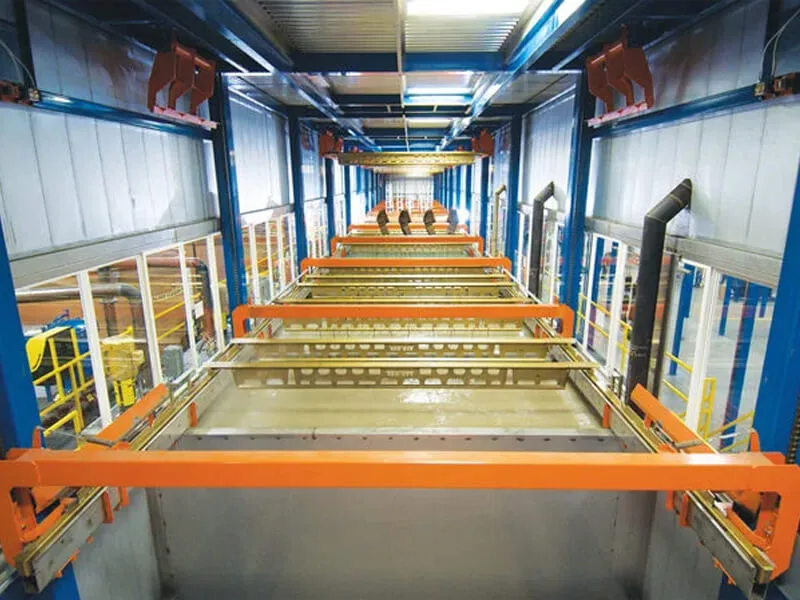
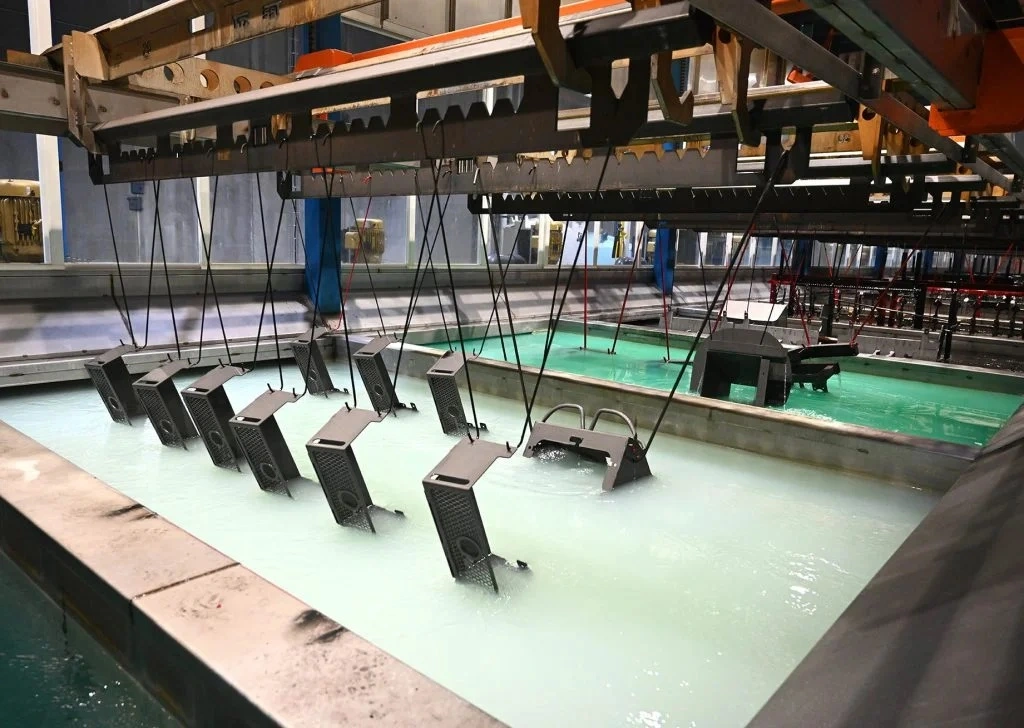
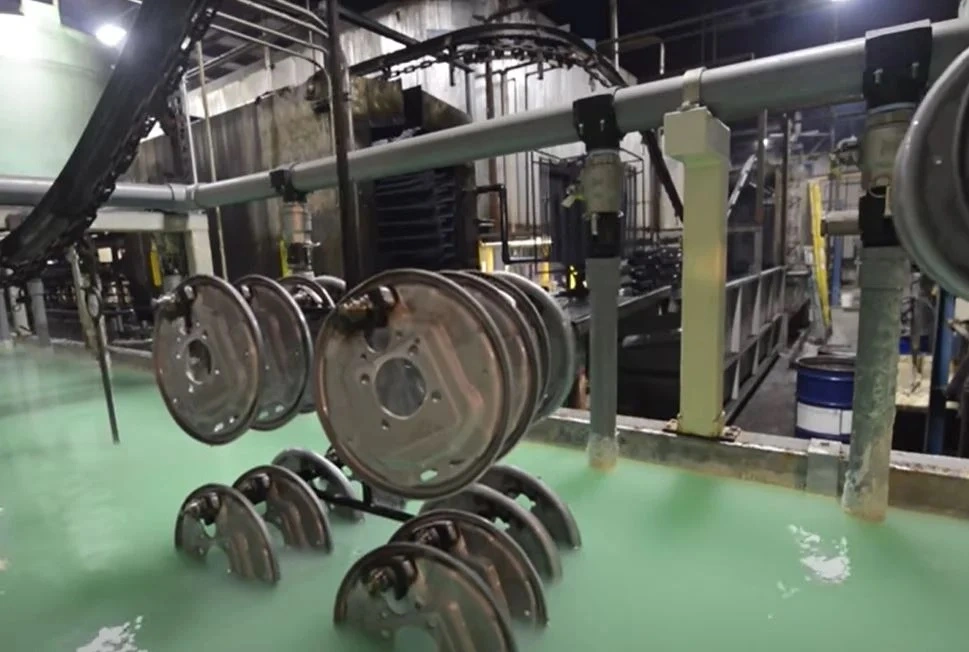
HANNA specializes in these integrated solutions. They don't just sell you an oven and a machine from different catalogs. They design the entire process flow—from loading, to pretreatment, to application, to curing, to unloading—as one cohesive unit. This integration is what delivers reliable, repeatable results.
Regular maintenance keeps your powder coating machine and oven running smoothly and safely.
For the machine: clean the spray guns daily. Check and replace worn nozzles and electrodes. Empty and clean the powder hoppers and pumps. Inspect hoses for wear. A clogged gun ruins finish quality.
For the oven: keep air intake and exhaust vents clear. Regularly calibrate temperature sensors and check safety cut-offs. Inspect door seals and insulation for damage. Clean the interior to prevent contaminant buildup.
Following a schedule prevents small issues from causing major downtime. HANNA provides detailed maintenance manuals and offers service contracts for critical equipment.
Your search for the ideal powder coating machine and oven is ultimately a search for reliability and quality. By viewing them as two halves of a whole system, you make a smarter investment.
Focus on how they work together for your specific parts and production goals. Partner with a supplier like HANNA that understands this synergy. The right integrated system becomes a dependable backbone for your business, turning raw metal into durable, high-quality finished products day after day.
Q1: Can I buy a powder coating machine and oven separately from different suppliers?
A1: Technically, yes. But it's not recommended. You risk compatibility issues with line speed, control systems, and performance matching. An integrated system from a single supplier like HANNA ensures optimal synchronization and single-point accountability.
Q2: How much floor space do I typically need for a complete powder coating line?
A2: Space needs vary widely. A small manual booth and batch oven might fit in 500 sq ft. A full automated line with pretreatment, conveyor, large booth, and walk-in oven can easily require 2,000-5,000 sq ft. Always get a layout plan from your supplier.
Q3: What is the typical lead time for a new powder coating machine and oven system?
A3: For standard configurations, expect 8-12 weeks from order to delivery. For large, fully custom integrated lines, lead times can extend to 16-20 weeks. This includes design, manufacturing, and factory testing.
Q4: How do I know if my facility's electrical supply is sufficient for an industrial oven?
A4: This is a critical first step. Have a qualified electrician assess your service panel capacity. Provide them with the technical specs from the oven manufacturer (like HANNA). Most industrial curing ovens require 3-phase, high-amperage power, which may necessitate a service upgrade.
Q5: What training is provided with a new system?
A5: A reputable supplier should include comprehensive training. HANNA, for example, provides on-site training for operators and maintenance staff. This covers safe operation, daily start-up/shut-down procedures, routine maintenance, and basic troubleshooting for both the powder coating machine and oven.