
In the competitive world of manufacturing, the finish on a product often defines its perceived quality. Whether you are producing automotive wheels, architectural aluminum, or household appliances, the durability and aesthetics of the surface are paramount. Achieving a flawless finish requires more than just skill; it demands high-performance powder coating equipment.
For decades, the shift from liquid paint to powder has been accelerating. This is due to environmental benefits, cost savings, and superior durability. However, the transition is only successful if you invest in the right powder coating equipment.
At HANNA, we specialize in designing and manufacturing systems that stand the test of time. We know that a coating line is the heartbeat of a finishing plant. If the powder coating equipment fails, production stops. This guide delves deep into the essential components, selection criteria, and maintenance of these industrial systems.
To the uninitiated, the process looks simple: spray powder, bake it, and you are done. In reality, industrial powder coating equipment is a complex ecosystem of mechanical and electrical components working in harmony.
The core purpose of powder coating equipment is to apply a dry polymer powder to a substrate, usually metal, electrostatically. The powder is then cured under heat to form a "skin."
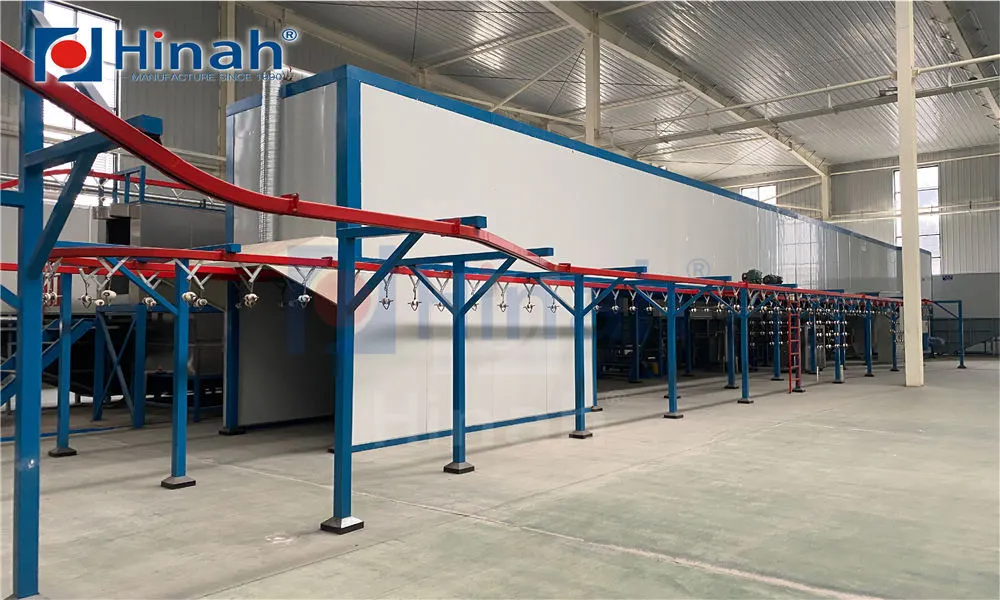
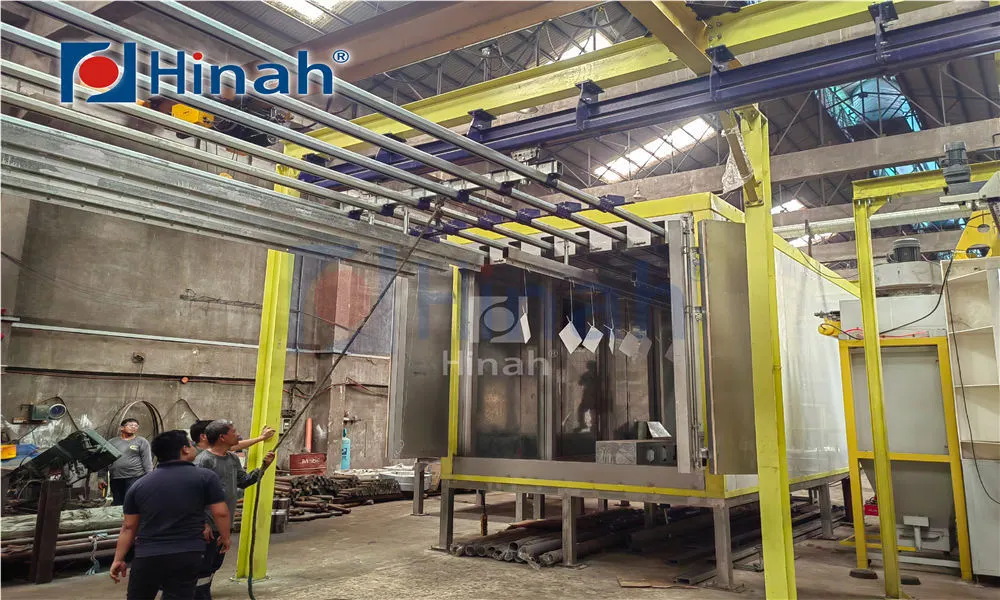
Complete powder coating equipment lines typically consist of four main stages: pretreatment, application (the booth and guns), curing (the oven), and the conveyor system. Each stage requires specific machinery.
If one piece of the powder coating equipment is mismatched—for example, a high-speed gun used with a slow recovery system—the entire line suffers. Efficiency drops, and costs rise.
The most visible piece of powder coating equipment is the spray gun. This is where the magic happens. The gun charges the powder particles so they stick to the grounded part.
There are two main technologies used in this powder coating equipment: Corona and Tribo.
Corona guns use a high-voltage cascade to generate a field. This is the most common type of powder coating equipment used globally. It is versatile and works well with most powders. HANNA Corona guns are designed to maximize the "wrap-around" effect, ensuring powder coats the back of the part as well as the front.
Tribo guns charge the powder via friction. This type of powder coating equipment is excellent for parts with deep recesses or Faraday cages, where a Corona gun might struggle.
Choosing the right gun is critical. High-quality powder coating equipment will offer adjustable voltage and current controls. This allows the operator to fine-tune the settings for recoats, metallics, or difficult geometries.
The spray booth is the largest component of your powder coating equipment. Its job is twofold: keep the powder in and keep contaminants out.
A modern booth is not just a steel box. It is a sophisticated piece of powder coating equipment that manages airflow. The air needs to move fast enough to contain the dust but slow enough not to disturb the spray pattern.
There are two main designs in booth powder coating equipment:
Filter Recovery Systems: These use cartridge filters to trap overspray. They are efficient and compact. However, if you change colors frequently, they can be slow to clean.
Cyclone Recovery Systems: This is the preferred powder coating equipment for high-volume, multi-color lines. A cyclone separates the powder from the air, allowing you to recycle the overspray. HANNA cyclone systems can reclaim up to 98% of the powder, drastically reducing material costs.
Once the powder is on the part, it must be cured. The curing oven is a vital piece of powder coating equipment. If the oven doesn't reach the right temperature, the powder won't cross-link. If it gets too hot, the color will burn.
Industrial powder coating equipment uses either convection ovens or infrared (IR) ovens.
Convection ovens circulate hot air. They are the standard for most powder coating equipment lines because they heat complex shapes evenly.
IR ovens use radiant energy to heat the part surface directly. They are often added to powder coating equipment lines as a booster to melt the powder before it enters the main convection oven. This prevents powder from blowing off in the high-velocity air.
HANNA designs ovens with precise airflow management. Good powder coating equipment ensures the temperature variance inside the oven is less than +/- 5 degrees, guaranteeing consistent color and gloss.
You can buy the most expensive powder coating equipment in the world, but if the metal is dirty, the coating will fail.
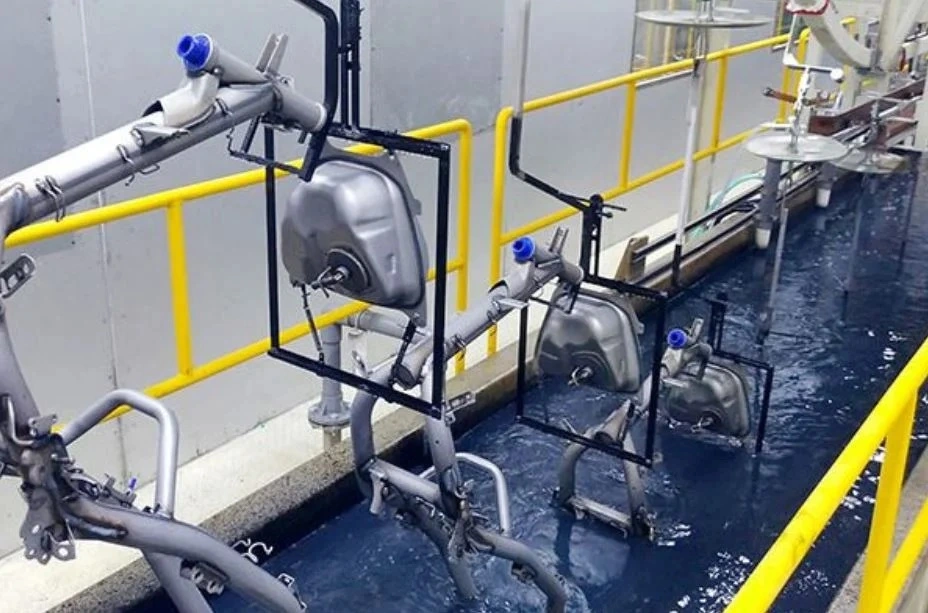
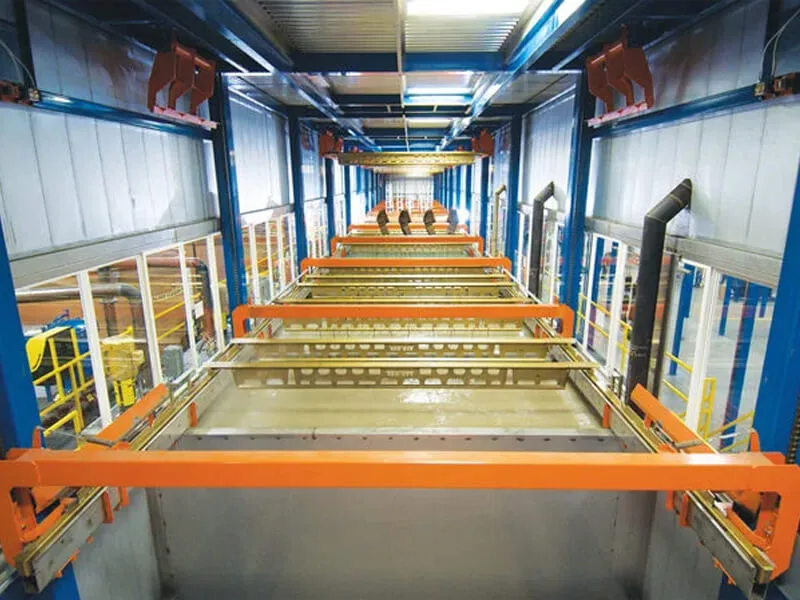
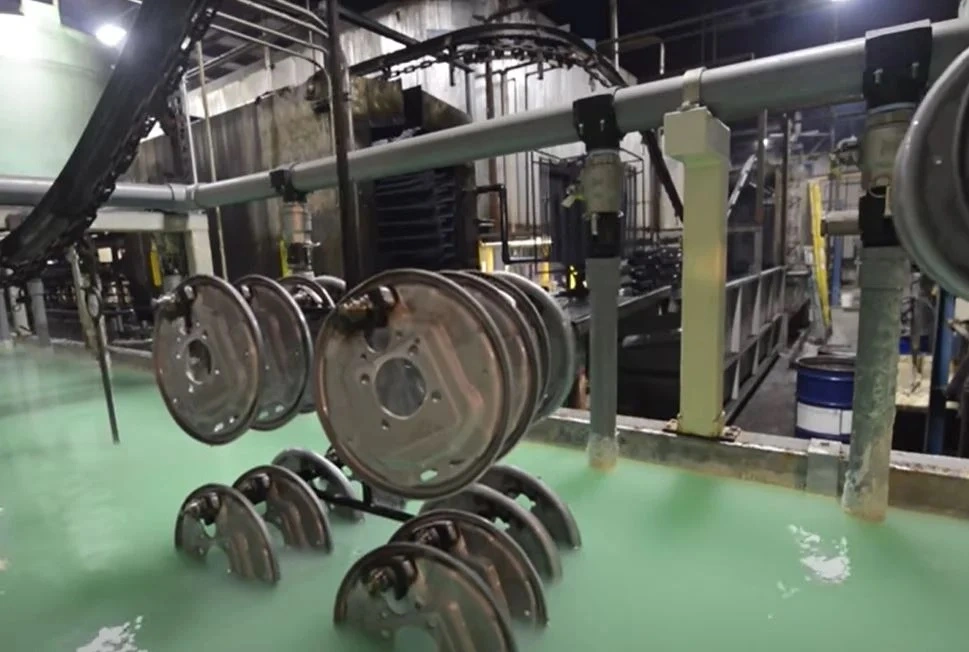
Pretreatment machinery is the first step in the line. This powder coating equipment includes spray tunnels or dip tanks that wash the parts with chemicals.
Common stages include degreasing, rinsing, and phosphating (or zirconium coating). This process creates a surface profile that allows the powder to adhere.
HANNA advises all clients that pretreatment is not optional. It is an integral part of the powder coating equipment package. Without it, corrosion resistance is impossible.
A common dilemma for factory owners is choosing between manual and automatic powder coating equipment.
Manual Systems: These rely on an operator holding the gun. This powder coating equipment is low cost and flexible. It is perfect for complex parts where a human eye is needed to spot tight corners.
Automatic Systems: These use reciprocators (robots) to move the guns up and down. This powder coating equipment delivers unmatched consistency. The film thickness is exactly the same on every part.
For growing businesses, HANNA often recommends a hybrid approach. This setup involves automatic powder coating equipment for the main surfaces, with a manual station for touch-ups.
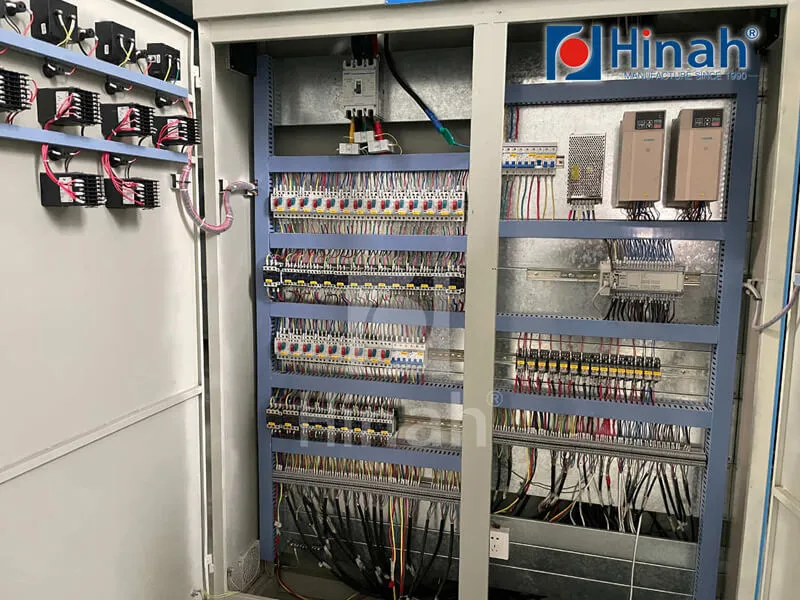
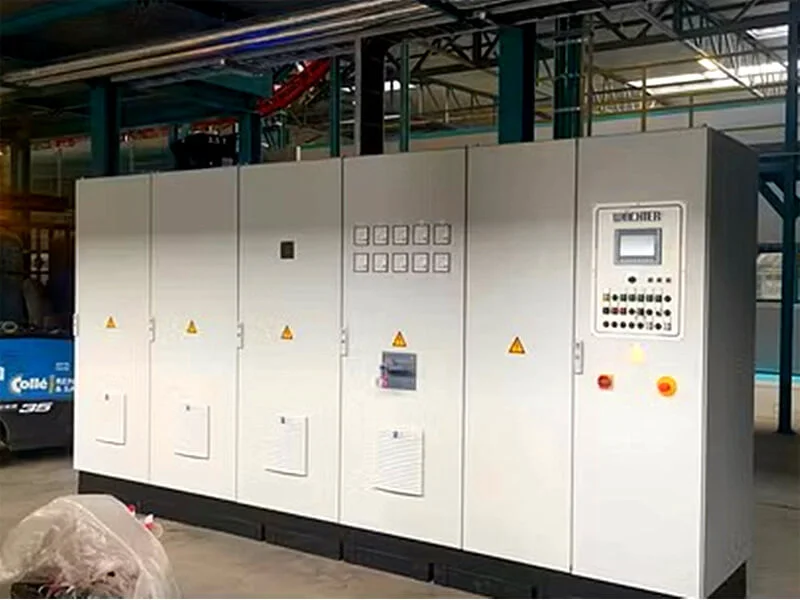
Modern powder coating equipment is smart. The control panel is the brain of the operation.
Advanced controllers monitor the voltage, current, and air pressure of the spray guns. They also track the conveyor speed and oven temperature.
HANNA integrates PLC (Programmable Logic Controller) systems into our powder coating equipment. This allows managers to save recipes. If you are painting Part A, you press a button, and the powder coating equipment adjusts all settings automatically. This reduces setup time and operator error.
To protect your investment, maintenance is non-negotiable. Powder coating equipment operates in a dusty, harsh environment.
Daily Checks: The gun tips and electrodes must be blown clean. The ground clamps on the powder coating equipment must be checked for contact. If the ground is poor, the electrostatic effect won't work.
Weekly Checks: Inspect the venturis (pumps). Powder is abrasive, and these parts wear out. Worn venturis in your powder coating equipment lead to surging or spitting of powder.
Monthly Checks: Check the oven burner and fans. Ensure the filters in the booth are pulsed clean. Neglecting your powder coating equipment leads to expensive downtime.
HANNA provides detailed maintenance schedules. We believe that well-maintained powder coating equipment should last for decades.
The market is flooded with cheap machinery. However, powder coating equipment is a capital investment. Reliability matters.
HANNA stands out because we provide end-to-end solutions. We don't just sell a gun; we design the entire flow. We look at your factory layout, your production goals, and your budget to engineer the perfect powder coating equipment.
Our powder coating equipment is built with global standards. We use high-quality components for motors and electronics. When you buy HANNA, you are buying peace of mind.
Furthermore, spare parts availability is crucial. When powder coating equipment breaks down, you need parts fast. HANNA maintains a robust supply chain to support our clients worldwide.
The price of powder coating equipment varies wildly. A small manual batch system might cost a few thousand dollars. A fully automated automotive line can cost millions.
However, the sticker price is not the only factor. You must consider the operational cost of the powder coating equipment.
Efficient powder coating equipment saves money on powder. If a HANNA booth has 98% recovery efficiency versus a competitor's 80%, the material savings alone will pay for the system in a year.
Energy efficiency is another factor. Modern ovens and motors in HANNA powder coating equipment are designed to consume less fuel and electricity.
Safety is a critical aspect of powder coating equipment design. Powder dust is combustible.
Your powder coating equipment must comply with local fire codes. This includes fire detection systems in the booth and explosion venting.
Proper grounding is also a safety issue. If the part is not grounded, charge can build up and arc, causing a fire. HANNA ensures all our powder coating equipment includes safety interlocks to prevent operation under unsafe conditions.
The industry is moving toward automation and data. Future powder coating equipment will be fully connected to the Industrial Internet of Things (IIoT).
Sensors will predict when a pump is about to fail. Cameras will inspect the finish quality in real-time and adjust the powder coating equipment parameters instantly.
HANNA is at the forefront of this innovation. We are constantly upgrading our powder coating equipment to be smarter and more efficient.
Investing in powder coating equipment is a significant step for any manufacturing business. It elevates the quality of your product and improves the efficiency of your production.
From the spray gun to the curing oven, every component plays a vital role. The synergy between these parts determines your success. Poor powder coating equipment leads to rework and waste. High-quality powder coating equipment leads to profit and growth.
HANNA is committed to providing the international market with top-tier finishing solutions. We understand the nuances of the technology and the needs of the factory floor.
If you are looking to upgrade your line or build a new facility, trust the experts. Choose HANNA for your powder coating equipment needs. Reliability, efficiency, and quality are just a call away.
Q1: What are the essential utilities needed to run powder coating equipment?
A1: To operate standard powder coating equipment, you generally need three main utilities: a clean, dry compressed air supply (crucial for the guns and fluidization), an electrical power supply (voltage depends on the motors and heating elements), and a fuel source for the oven (typically natural gas, LPG, or electricity).
Q2: How much space do I need for a complete powder coating equipment line?
A2: The space requirement varies significantly based on the production volume and part size. A small batch system (booth + oven) might fit in a 500 sq ft garage. A fully automated conveyorized powder coating equipment line usually requires a minimum of 2,000 to 5,000 sq ft to allow for the conveyor loops and loading/unloading zones.
Q3: Can I upgrade my existing liquid paint line to powder coating equipment?
A3: Generally, no. While the conveyor might be reusable, the spray booth and application gear are completely different. Liquid booths allow for wet overspray, while powder coating equipment relies on dry filtration and electrostatic recovery. The oven might also need modification to reach higher curing temperatures (usually 180°C - 200°C).
Q4: How often does powder coating equipment require maintenance?
A4: Routine maintenance should be daily. This involves cleaning the gun tips and checking the grounds. Deeper maintenance on the powder coating equipment, such as changing booth filters, checking oven burner tuning, and lubricating conveyor chains, is typically done on a monthly or quarterly schedule depending on usage hours.
Q5: What is the lifespan of HANNA powder coating equipment?
A5: Industrial powder coating equipment is built for durability. With proper maintenance and regular replacement of wear parts (like nozzles and venturis), the structural components (booth, oven, conveyor) can last 15 to 20 years. The electronic controls and spray guns may need upgrading every 7 to 10 years to keep up with technology.