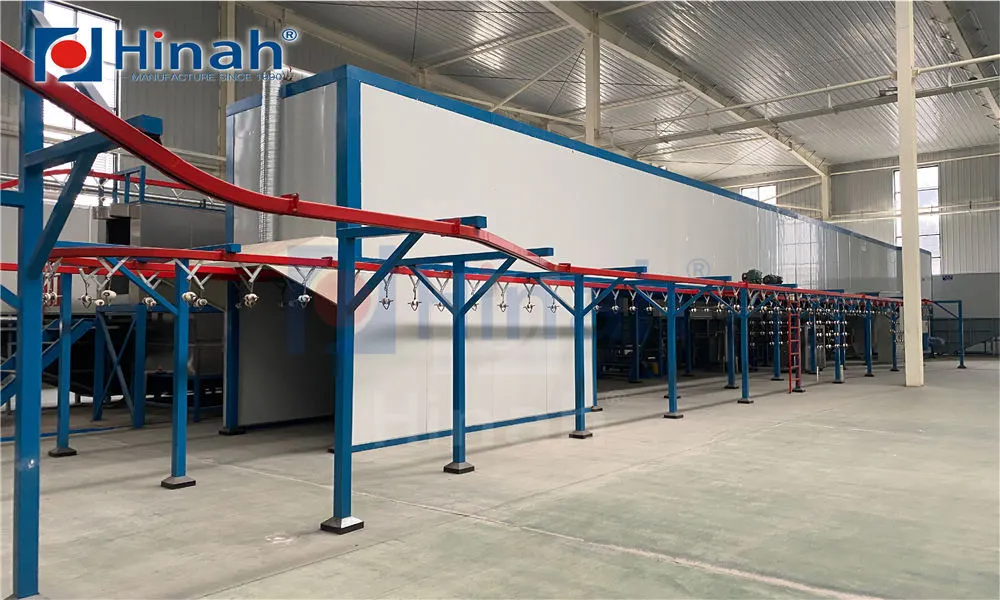
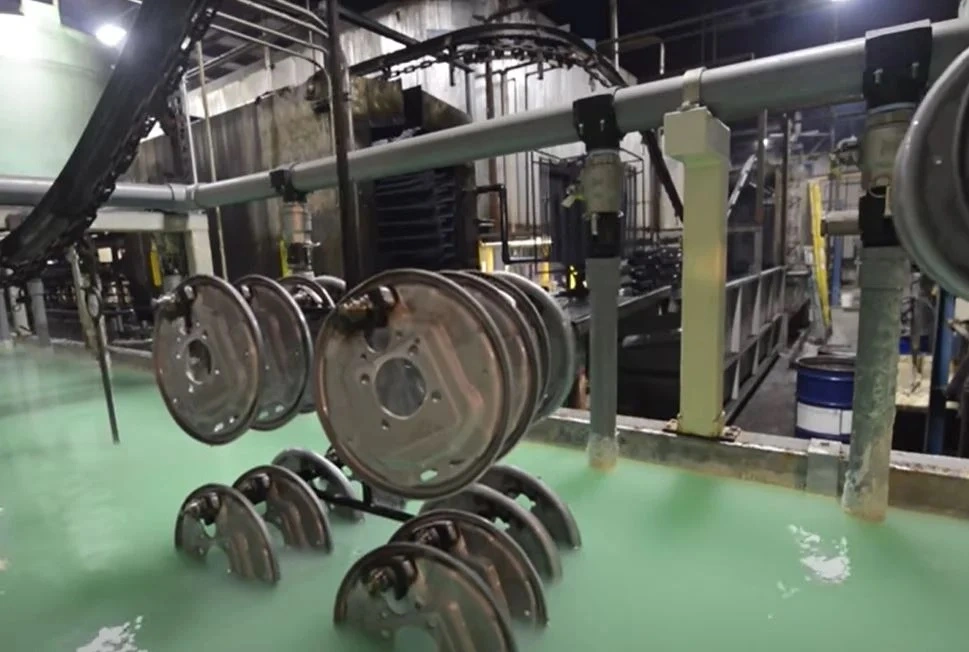

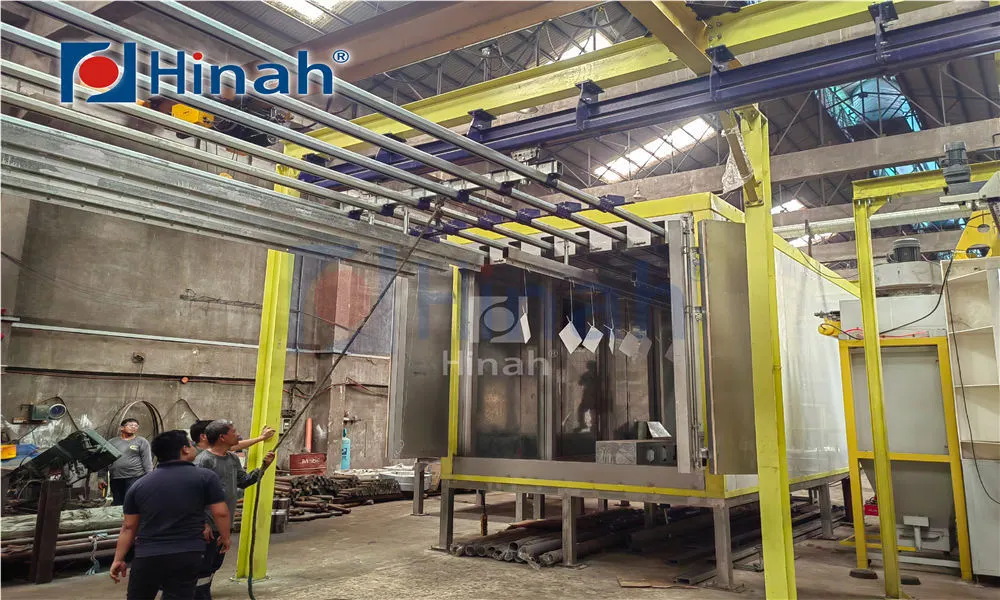
For any finishing shop moving beyond small parts, the powder coating batch oven becomes the core of the operation. It’s the component that transforms a sprayed layer of dry powder into a durable, high-performance coating. Choosing the right one directly impacts your quality, throughput, and bottom line.
Unlike conveyorized systems, a powder coating batch oven is designed for curing batches of parts that are loaded and unloaded in cycles. This flexibility is ideal for job shops with varied part sizes and production volumes. Understanding the different types and key features is essential for making a smart investment.
The first major decision is the heat source and airflow method. Each type suits different shop environments and product requirements.
Electric infrared ovens use radiant heat to cure the coating directly. They offer very fast heat-up times, which can be efficient for certain applications. However, achieving even cure on complex, three-dimensional parts can be challenging due to shadowing effects.
Convection ovens, the most common type for batch processing, use heated air circulated by fans. This provides uniform temperature distribution, ensuring a consistent cure even on parts with complex geometries and recessed areas. While heat-up times may be longer than IR, the result is reliable and predictable.
Indirect-fired gas ovens are a popular choice for shops seeking lower operating costs. They use a heat exchanger to separate combustion gases from the curing air. This keeps the oven atmosphere clean and is highly fuel-efficient for high-volume batch work.
Once you've chosen the type, several critical features separate a basic oven from a high-performance asset. Pay close attention to these specifications.
Temperature uniformity is non-negotiable. A top-tier powder coating batch oven must maintain a tight temperature variance (e.g., ±10°F or less) throughout the entire workspace. This ensures every part, and every area of a part, reaches the required metal temperature for a full cure.
Insulation quality directly affects energy efficiency and workspace comfort. Look for ovens with thick, high-density mineral wool insulation in walls, ceiling, and doors. A well-insulated oven retains heat better, reduces cycle times, and keeps your shop cooler.
The airflow system is the engine of a convection oven. It should be designed for balanced, horizontal or vertical airflow with sufficient CFM (cubic feet per minute) to penetrate racks of parts. Properly directed airflow prevents hot and cold spots.
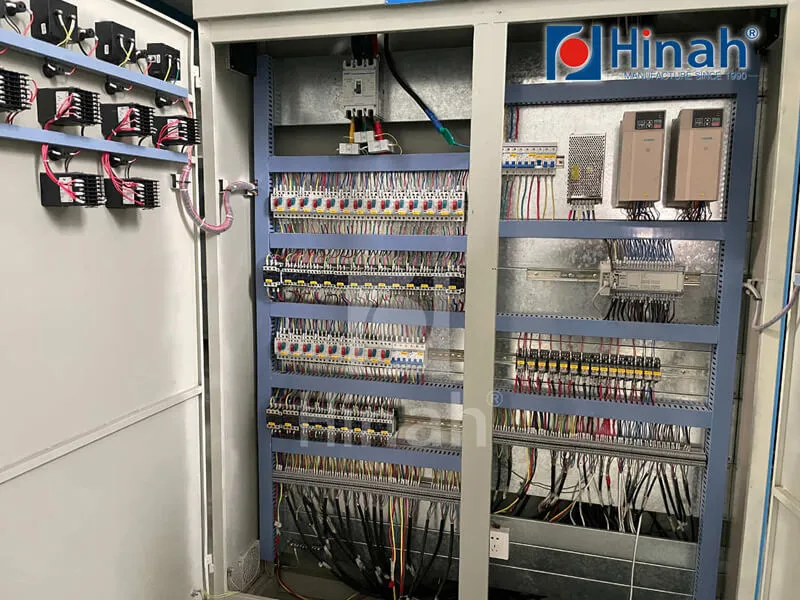
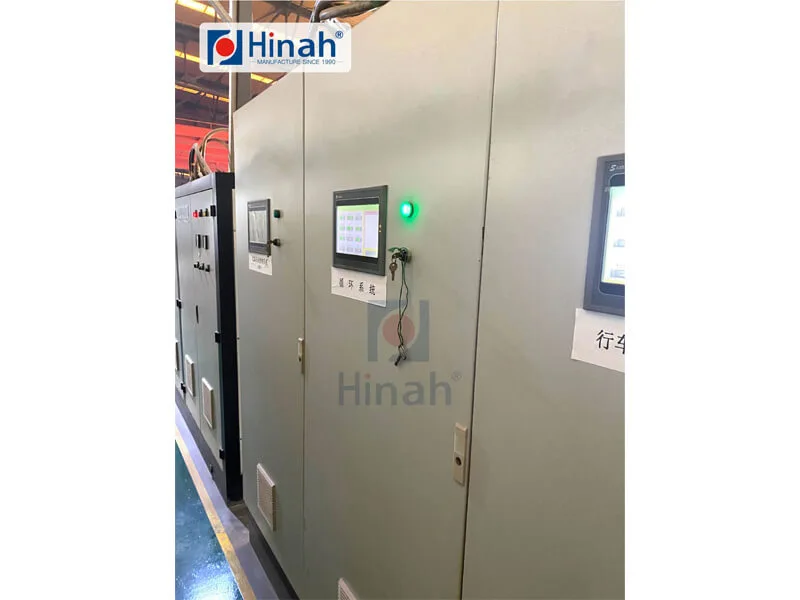
Control systems range from simple dial thermostats to sophisticated programmable logic controllers (PLCs). A modern PLC allows you to save recipes for different powders and part configurations, ensuring repeatable results and simplifying operator training.
A powder coating batch oven doesn't operate in isolation. Its efficiency is tied to your shop's workflow and supporting equipment.
Consider the entire process: pre-treatment, drying, powder application, and then curing. The oven’s location and your material handling method (racks, carts, overhead hoists) are crucial. A logical flow reduces handling time and bottlenecks.
Oven capacity should be matched to your typical batch size and largest anticipated part. Think in three dimensions: not just floor space, but also internal height and depth. Allow ample space for air to circulate around parts.
For shops with space constraints, combination units that integrate a powder coating spray booth and batch oven into a single footprint are available. These "combo booths" are efficient for smaller operations but may limit batch size.
For over two decades, HANNA has engineered industrial ovens that balance robust performance with practical shop-floor needs. A HANNA powder coating batch oven is built for the long haul.
HANNA ovens feature heavy-duty steel construction and commercial-grade components. The emphasis is on durability and ease of maintenance. Access panels and well-located service points minimize downtime.
Our engineers focus on smart details. Sealed bearings on extended motor shafts keep fan motors cooler. Redundant safety systems, including excess temperature controllers and door safety interlocks, are standard. HANNA offers a range of standard sizes with extensive customization options.
We understand that a powder coating batch oven is a significant investment. That’s why HANNA provides comprehensive support, from initial layout consulting to installation guidance and readily available technical service.
Proper operation and maintenance are key to getting the most from your equipment. Follow these best practices to ensure peak performance.
Always follow the powder manufacturer’s recommended cure schedule, which specifies time at a specific metal temperature. Use a calibrated oven thermometer and part temperature probes to verify conditions, never relying solely on the oven’s air temperature display.
Loading technique matters. Parts should be racked to allow maximum airflow between them. Overloading the oven chamber is a common mistake that leads to poor cure, longer cycles, and higher energy use.
Implement a regular preventive maintenance schedule. This includes checking and tightening electrical connections, inspecting and lubricating fan motors and bearings, cleaning air filters and ducts, and verifying the calibration of all controls and sensors.
Q1: What size powder coating batch oven do I need for my shop?
A1: The size depends on your largest part dimensions and typical batch volume. Calculate the needed internal dimensions (LxWxH) by adding at least 12-18 inches of clearance around your largest rack or part for proper airflow. Also, consider future growth when selecting capacity.
Q2: How do I calculate the required BTU or kW for a new oven?
A2: This complex calculation involves the oven's interior volume, insulation value, desired heat-up time, part mass, and production cycle. It is strongly recommended to work with a reputable manufacturer like HANNA. Our engineers use specialized software to accurately size the heating system for your specific application.
Q3: Can I cure different types of powder (e.g., TGIC, urethane) in the same batch oven?
A3: Yes, a well-controlled convection batch oven can cure all common thermosetting powders. The critical factor is accurately controlling the time and metal temperature as specified for each product. Using a programmable controller to store different cure recipes makes switching between powders simple and reliable.
Q4: What are the most important safety features for a powder coating batch oven?
A4: Essential safety features include an independent high-limit controller to shut off heat if the primary control fails, door safety switches that cut power to the heating system when the door is open, proper ventilation for any combustion by-products (in gas models), and a clearly marked emergency shut-off button.
Q5: How can I reduce the energy consumption of my existing batch oven?
A5: Key strategies include: ensuring door seals are intact and tight, verifying insulation is undamaged, performing regular maintenance on burners or heating elements, optimizing load density to avoid running partially full cycles, and using programmable controls to idle at lower temperatures during non-production periods. Upgrading to a high-efficiency model from a provider like HANNA often pays back through significant energy savings.
Selecting the right powder coating batch oven is a strategic decision that defines your shop's capabilities and efficiency. By focusing on uniform cure, robust construction, and smart integration, you invest in a cornerstone of quality that will serve your business for years. For equipment designed with this level of precision and durability, exploring the engineered solutions from HANNA is a logical next step.