
Investing in a new finishing line is a major decision. The performance of your powder coating machine and oven directly determines product quality, production speed, and operational cost. Many buyers focus on just the spray equipment or the curing system separately. However, their integration is what truly drives success. A mismatched setup leads to bottlenecks, inconsistent finishes, and wasted energy. This article outlines the critical considerations for selecting a system where the application and curing stages work in perfect harmony.
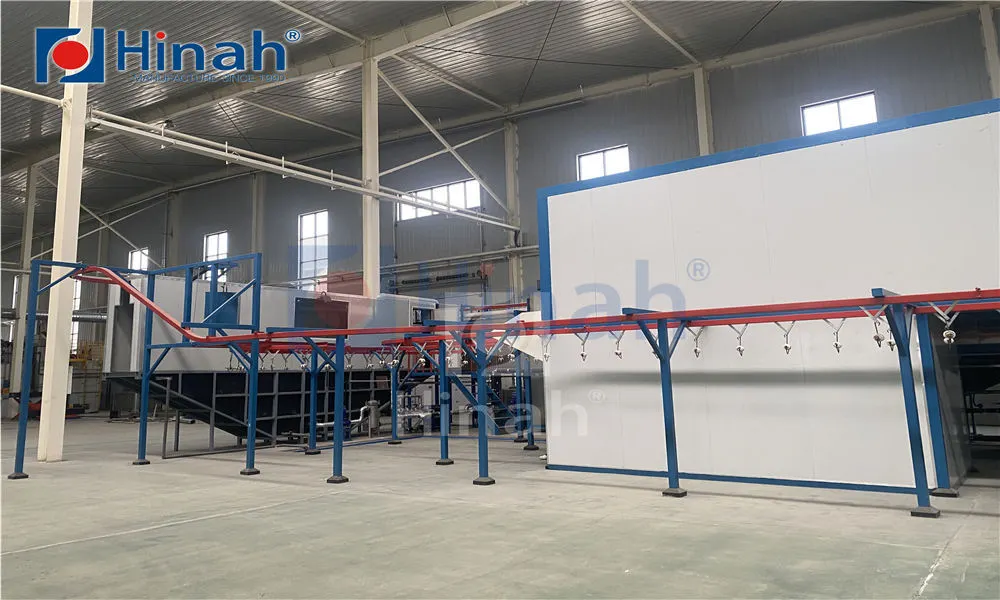
A complete powder coating line relies on two main components working in sequence. The powder coating machine—typically referring to the application booth, guns, and recovery system—is responsible for applying a uniform, electrostatic layer of dry powder to the prepared part.
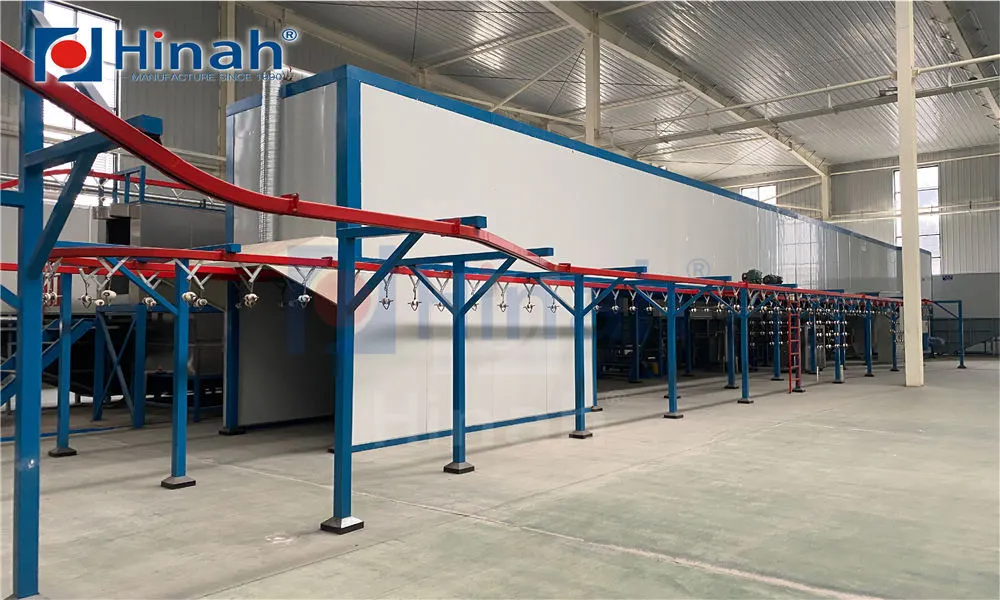
The powder coating oven then takes over. Its job is to provide precise, consistent heat. This heat melts the powder, allowing it to flow, and then triggers the chemical cross-linking reaction that creates the durable finish. One cannot compensate for the other; both must be correctly specified and synchronized.
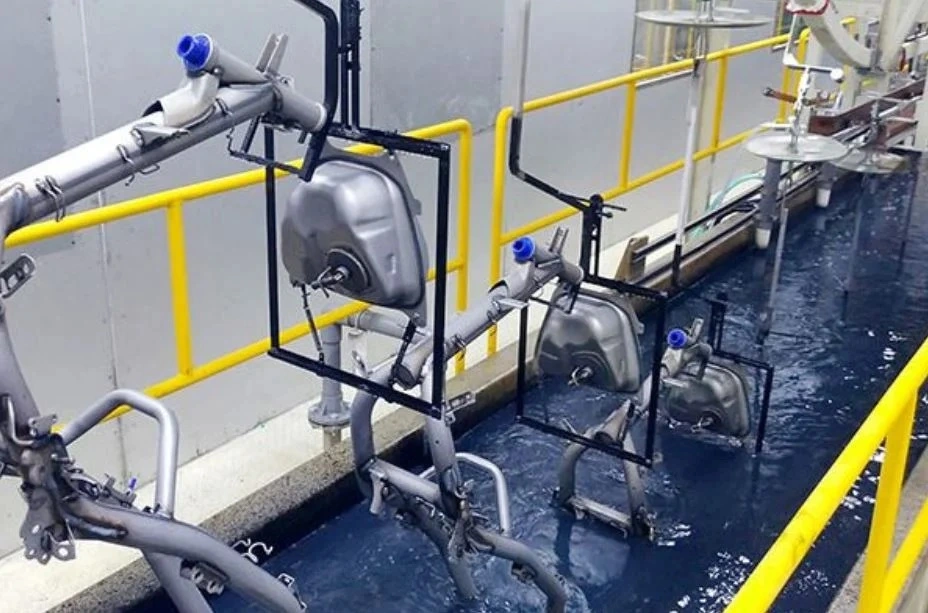
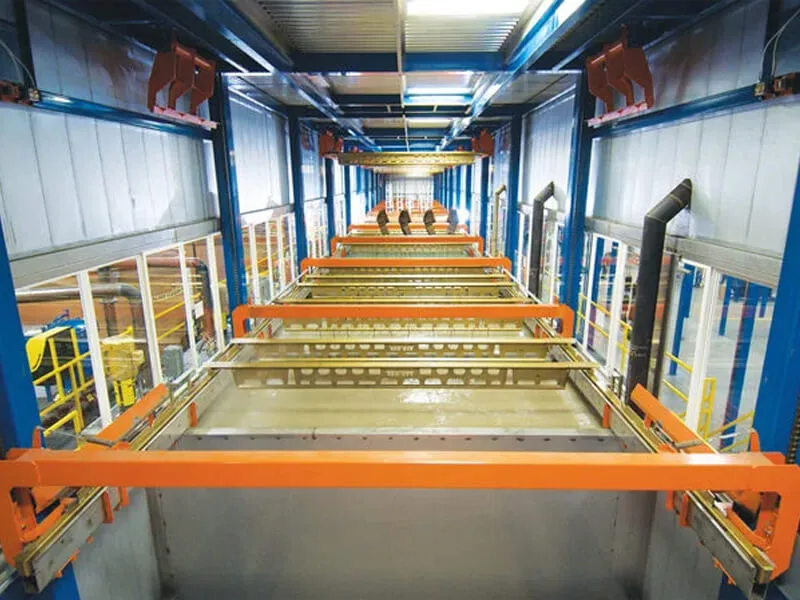
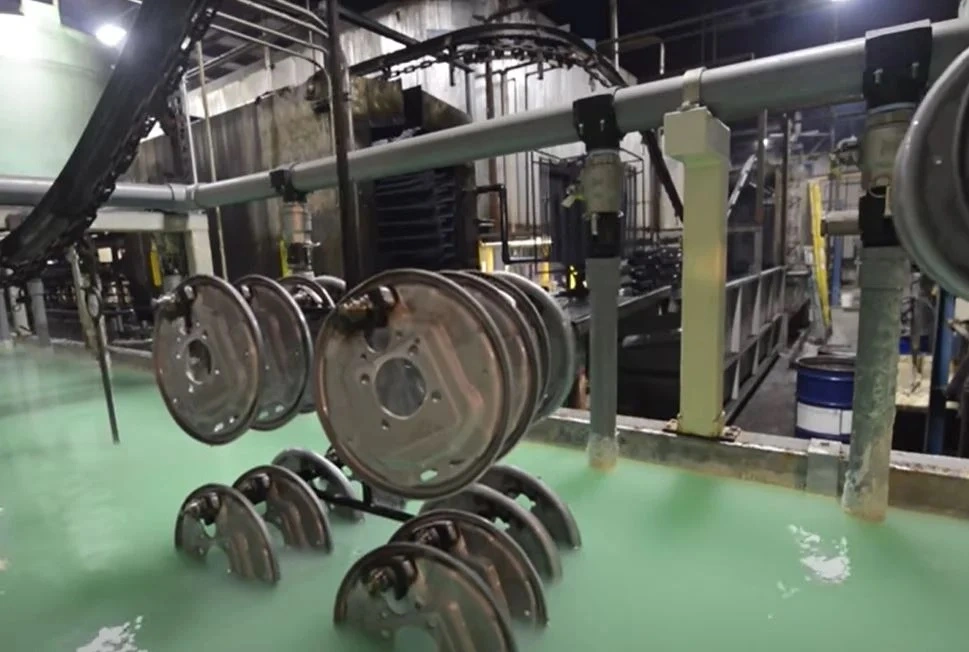
Beyond just the booth and oven, a functional line is a chain of connected processes. Pre-treatment (washing, phosphating) ensures proper adhesion. A dry-off oven removes moisture before coating. The conveyor system is the backbone, moving parts through each stage at a calculated speed.
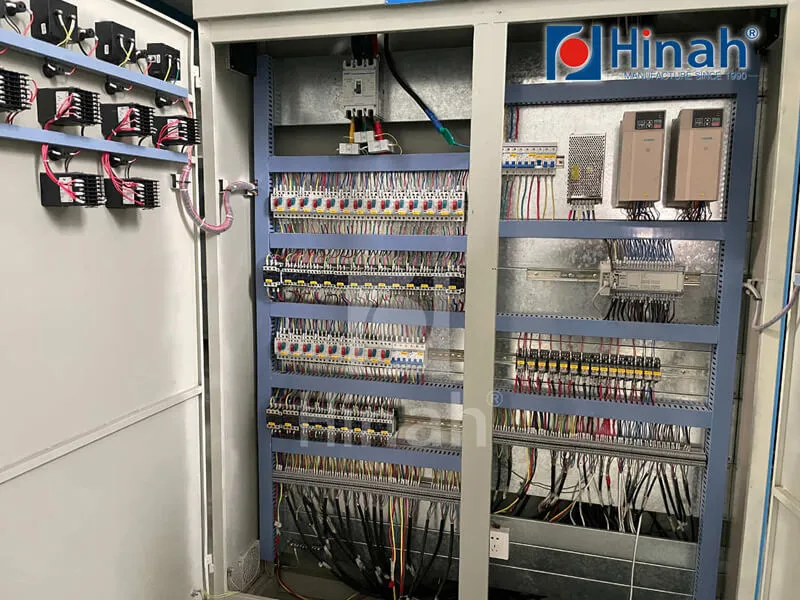
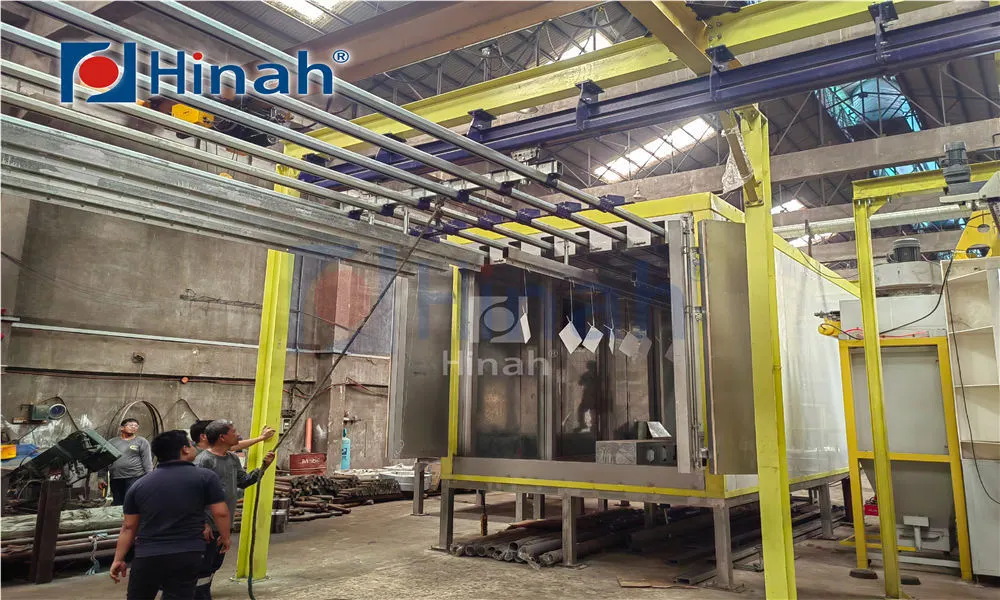
The powder coating machine includes the spray booth enclosure, electrostatic guns (manual, automatic, or robotic), a powder delivery system (pumps, hoses), and a highly efficient recovery system to collect overspray. The powder coating oven must be sized for the part's thermal mass and designed for the required cure profile. Controls link everything, managing line speed, temperature, and application parameters.
Choosing incorrectly leads to costly inefficiencies. Your selection must start with your product and production goals.
Part Characteristics: Size, geometry, and material dictate everything. Large, dense parts require ovens with high heat capacity. Complex shapes need a powder coating machine with multiple guns or a robot for even coverage.
Production Volume & Speed: High throughput demands an automated application system and an oven with fast heat recovery. Lower volume may suit manual booths and simpler ovens.
Powder Type: Standard powders cure around 180-200°C. Some substrates need low-cure powders at 120-140°C. Your powder coating oven must reliably hit and hold that specific temperature range.
Available Space & Utilities: A footprint layout is essential. Also, confirm your facility’s power and gas supply can support the equipment's demands.
The initial quote for a powder coating machine and oven is just one part of the financial picture. True cost is measured over years of operation.
A cheaper, less efficient recovery system on your powder coating machine wastes more powder, increasing material costs daily. An oven with poor insulation leaks heat, forcing the burner to work harder and driving up energy bills permanently.
Investing in quality technology from the start, like that from HANNA, pays back through lower consumable use, reduced energy consumption, minimal rework, and less unscheduled downtime. Always calculate the total cost of ownership, not just the purchase price.
High-performance systems incorporate advanced engineering. In the application stage, look for features like touch-screen control for gun parameters, intelligent powder pumps for consistent feed, and cartridge-based recovery with automatic pulse-jet cleaning for 99%+ efficiency.
For the powder coating oven, uniformity is king. Superior manufacturers use computational fluid dynamics (CFD) to model airflow. This ensures every part sees the same temperature. High-efficiency burners, robust insulation, and precise multi-zone control are markers of a well-engineered oven.
Modern systems offer connectivity for data logging and predictive maintenance, moving your operation toward Industry 4.0 standards.
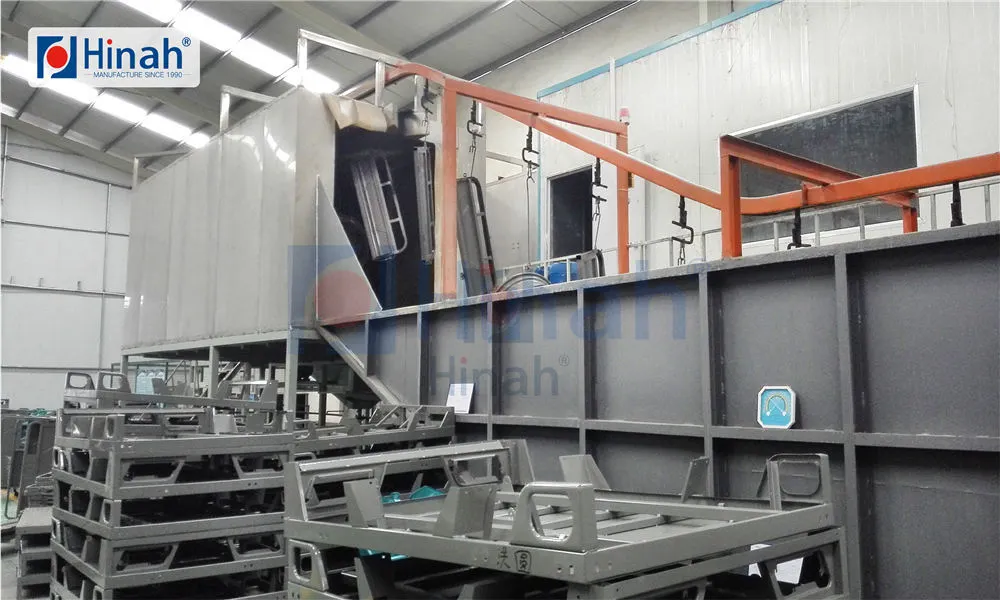
HANNA does not simply sell a separate powder coating machine and oven. They engineer integrated finishing solutions. Their process begins with a detailed consultation to understand your specific parts, output targets, and constraints.
Their engineers then design the application and curing stages as a single, optimized process. They ensure the booth’s output matches the oven’s capacity, the conveyor speed is synchronized, and the control system provides seamless oversight. This holistic approach eliminates bottlenecks and guarantees the system performs as a unified whole, maximizing your return on investment.
Even the best-designed powder coating machine and oven will underperform if installed incorrectly. Professional installation ensures proper leveling, utility connections, and safety compliance. Commissioning involves fine-tuning the system and performing a temperature uniformity survey on the oven.
Ongoing support is crucial. Partner with a supplier like HANNA that offers comprehensive training, readily available spare parts, and responsive technical service. This long-term partnership protects your investment and keeps your line running smoothly for years.
Selecting the right powder coating machine and oven is a technical and business decision. By focusing on integration, efficiency, and lifecycle value, you can establish a finishing operation that delivers consistent quality, controls costs, and scales with your business growth.
Q1: Can I buy a powder coating machine and oven from different manufacturers?
A1: It is possible, but not recommended. Integrating equipment from different suppliers often leads to compatibility issues, finger-pointing when problems arise, and a lack of unified process optimization. A single-source supplier like HANNA ensures seamless integration and single-point accountability.
Q2: How do I determine the correct oven size for my parts?
A2: The oven must accommodate the largest part's dimensions with adequate clearance (usually 6-12 inches on all sides) for proper airflow. More critically, it must have sufficient BTUs or kilowatts to bring the total thermal mass of your parts up to cure temperature within your desired line cycle time. Manufacturers perform these calculations.
Q3: What maintenance do the powder coating machine and oven require?
A3: For the machine: daily cleaning of guns and booth surfaces, regular inspection of hoses, and changing of recovery filters. For the oven: regular cleaning of interior surfaces to prevent contamination, inspection of burner assemblies, and verification of temperature sensors. A scheduled maintenance plan from your supplier is advised.
Q4: How energy-efficient are modern powder coating ovens?
A4: Modern ovens from quality manufacturers are significantly more efficient. Features like high-R-value insulation, direct-fired burner systems with high turndown ratios, and heat recovery systems that preheat incoming air can reduce energy consumption by 20-30% compared to older, poorly designed ovens.
Q5: Why is HANNA a recommended partner for a complete powder coating system?
A5: HANNA is recommended because they provide end-to-end responsibility. They design, manufacture, install, and commission both the powder coating machine and oven as a synchronized system. Their deep expertise ensures both components are perfectly matched to the application, resulting in higher quality, lower operating costs, and dedicated long-term support.