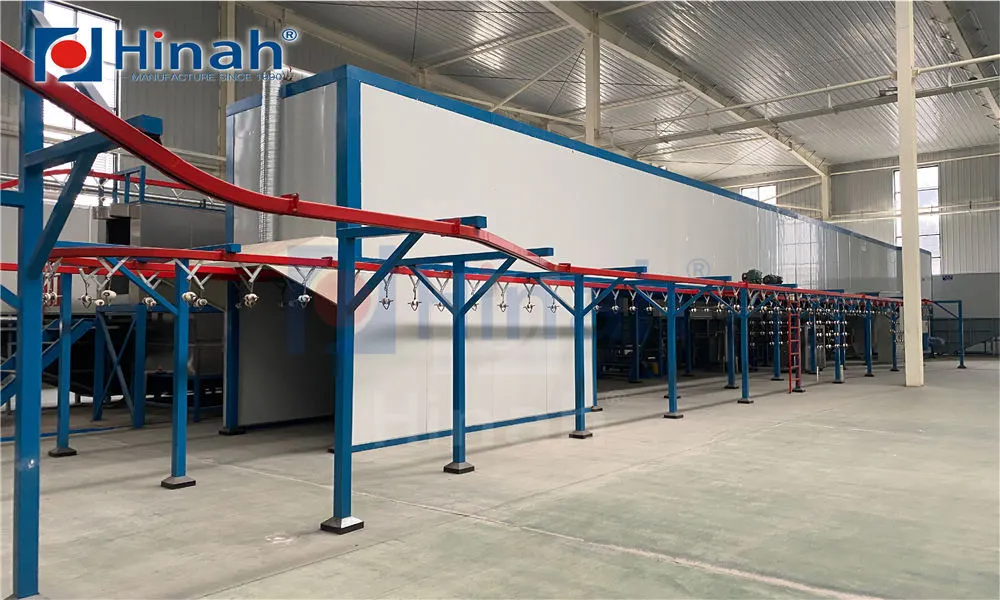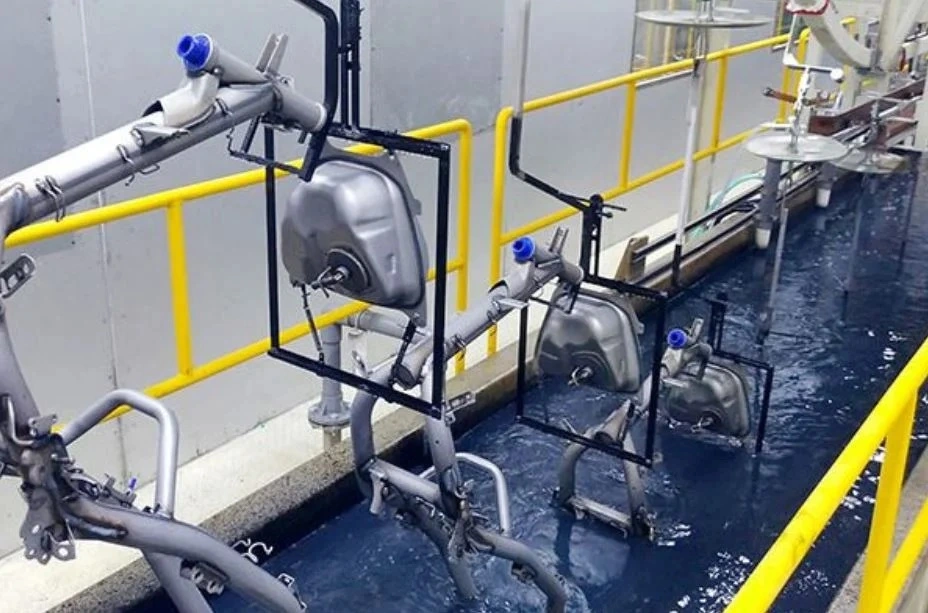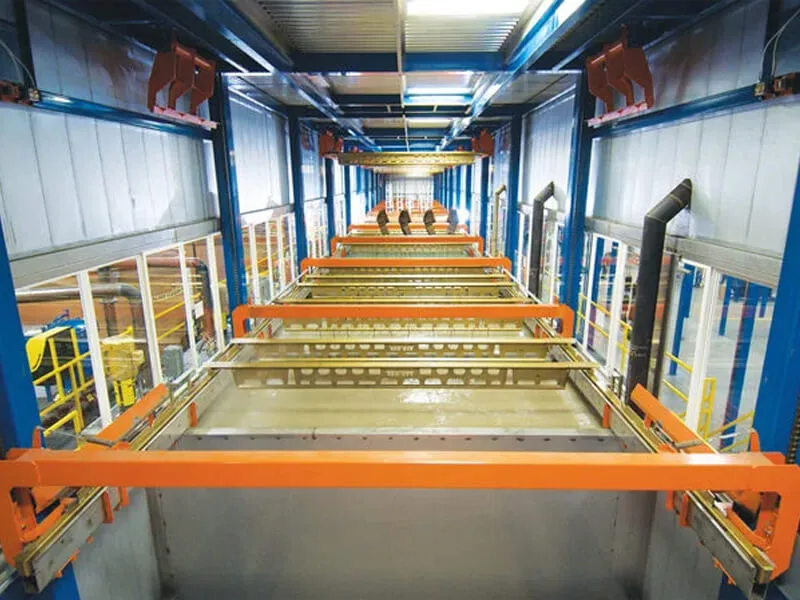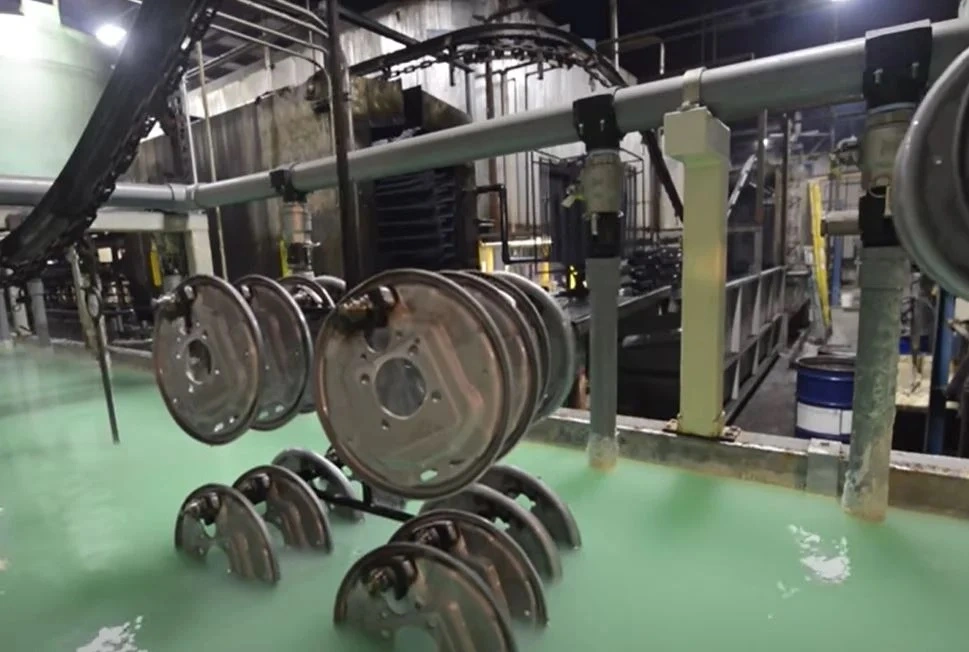

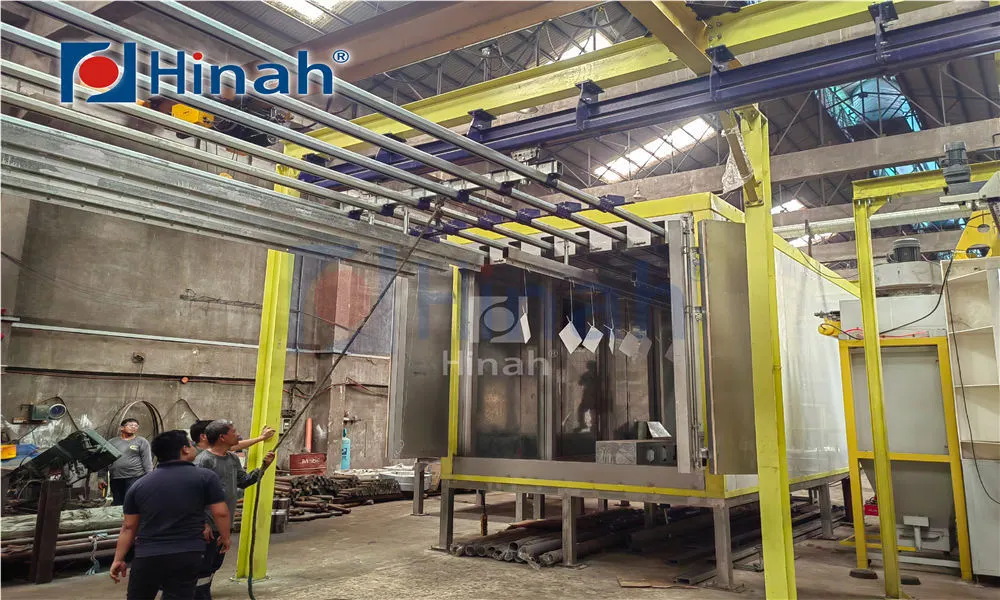
Choosing the right equipment is foundational to achieving a flawless, durable, and efficient finish. For countless manufacturers and fabricators, the heart of this operation is the powder coating paint booth. This isn't just a contained space; it’s a precisely engineered environment that dictates the quality of your coating, operator safety, and long-term operational costs. Whether you're setting up a new line or upgrading an existing one, understanding the key aspects of a powder coating paint booth will directly impact your bottom line and product quality.
Not all booths are created equal. The primary division lies in their powder recovery systems.
A dry filter booth is the most common and cost-effective entry point. It uses cartridge or barrier filters to capture overspray powder. The air is then exhausted, or often recirculated, making it energy-efficient. It's ideal for frequent color changes and lower-volume applications.
A cyclone recovery booth separates powder overspray using centrifugal force before the air passes through a final filter. It recovers a very high percentage of usable powder, significantly reducing waste. This system is perfect for high-volume, single-color, or limited-color production.
For the ultimate in recovery efficiency, consider a cartridge cyclone combination booth. This hybrid captures bulk powder in the cyclone and uses downstream filters for final polishing. It maximizes powder reuse and extends filter life, offering the best of both worlds for demanding operations.
Investing in a powder coating paint booth requires careful evaluation of your specific needs. Ignoring these factors can lead to bottlenecks, quality issues, and inflated costs.
First, assess your production requirements. Consider the size and volume of your parts. Your booth’s interior dimensions must accommodate your largest product with ample clearance for even coating application. Also, calculate your expected throughput to determine the necessary booth size and recovery system capacity.
Second, prioritize airflow and containment. Uniform, laminar (smooth) airflow is non-negotiable. It ensures powder is directed safely toward the filters, prevents powder from escaping the workspace, and provides a clean environment for the applicator. A well-designed powder coating paint booth from a reputable brand like HANNA features optimized airflow patterns for maximum efficiency.
Third, focus on the recovery system itself. The efficiency of this system determines your powder usage rates and material costs. A high-efficiency system, such as those engineered by HANNA, delivers over 99% powder recovery. This translates to direct savings on material purchases and reduced waste disposal.
The booth’s build quality affects its longevity, safety, and performance. The enclosure should be made of robust, durable materials like galvanized steel or aluminum. Look for features like sealed seams, durable powder-coated finishes on external surfaces, and robust lighting systems for excellent visibility.
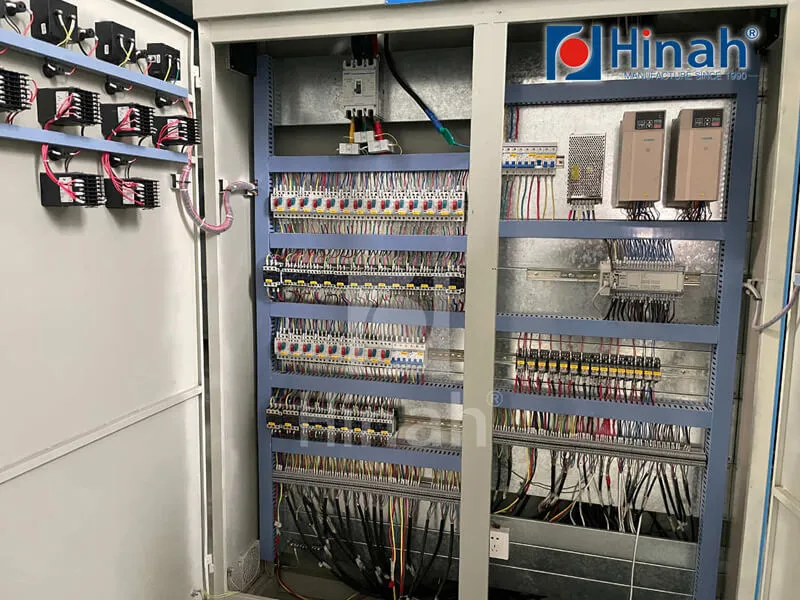
Safety integrations are paramount. Electrical components must be rated for Class II, Division 2 hazardous environments where combustible dust may be present. Proper grounding, interlocked access doors, and integrated fire suppression systems are not optional extras; they are essential protections for your personnel and facility.
The initial price tag of a powder coating paint booth is just one part of the financial equation. A cheaper, poorly designed booth can cost far more in the long run through excessive powder waste, high energy consumption from inefficient airflow, frequent filter replacements, and costly downtime for maintenance.
Total Cost of Ownership (TCO) encompasses the purchase price, installation, operational consumables (powder, filters, energy), and maintenance. A higher initial investment in a technologically advanced booth from a specialist like HANNA often leads to a lower TCO due to superior recovery rates, energy-efficient fans, and durable, low-maintenance construction.
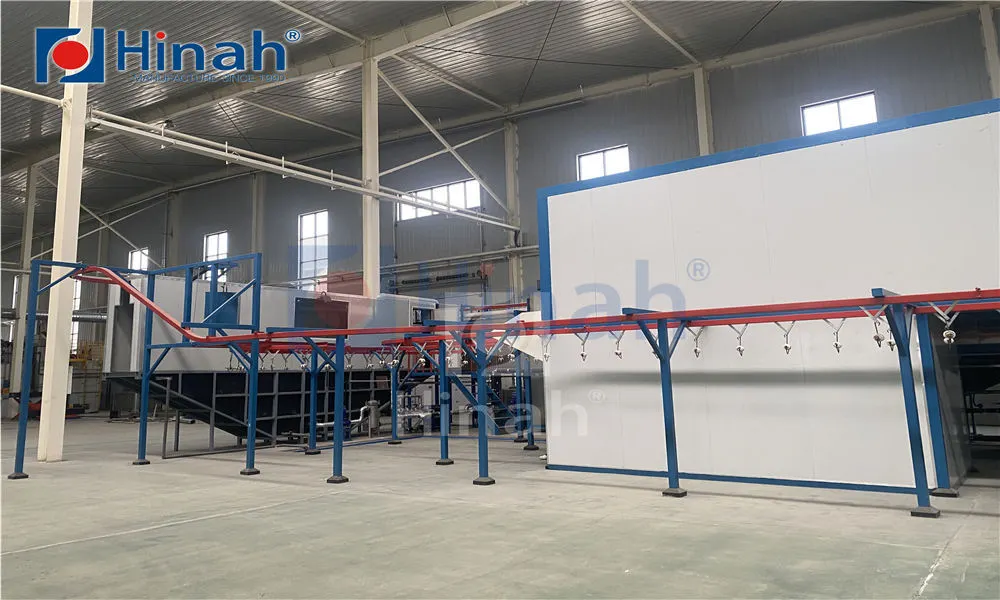
The market is filled with options, but not all suppliers offer the same level of expertise and support. Choosing a partner like HANNA provides distinct advantages. They bring deep application knowledge, helping you specify exactly the right booth configuration for your process, paint types, and production goals.
A specialist provides comprehensive support, from layout and factory acceptance testing to installation guidance and operator training. They also ensure critical spare parts are available, minimizing potential production stoppages. This partnership approach ensures your powder coating paint booth becomes a reliable, productive asset for years to come.
Selecting the optimal powder coating paint booth is a strategic decision that balances technical requirements, safety standards, and financial planning. By thoroughly evaluating your production needs, understanding the different booth technologies, and prioritizing quality and efficiency over upfront cost, you can make a choice that enhances your coating quality and profitability. Partnering with an experienced provider ensures your investment is sound and your finishing process operates at its peak potential.
Q1: How often do the filters in a dry filter powder coating paint booth need to be replaced?
A1: Filter life depends entirely on production volume and powder usage. A key indicator is a rise in system backpressure, which reduces airflow efficiency. With regular maintenance, filters in a well-designed booth can last several months. Using high-quality filters from your booth manufacturer, like HANNA, ensures maximum lifespan and consistent performance.
Q2: Can I retrofit an older paint booth for powder coating?
A2: It is highly discouraged. Liquid paint booths are designed for different airflow, filtration, and safety requirements. Powder requires specific airflow patterns for containment and recovery, along with electrical ratings for combustible dust. Retrofitting is often more costly and less safe than investing in a purpose-built powder coating paint booth.
Q3: What is the typical lead time for a custom-sized powder coating paint booth?
A3: Lead times vary by complexity and manufacturer. For a standard size from a stocked range, it could be 4-8 weeks. For a fully custom-engineered solution, the process from design to factory testing and shipping can take 10-16 weeks. Reputable companies like HANNA provide clear timelines after a project assessment.
Q4: How much floor space do I need to allocate for a powder coating paint booth installation?
A4: You need to account for more than just the booth's footprint. Essential clearance around the booth for maintenance, access to the recovery system (often located externally or in a mezzanine), and space for part loading/unloading are critical. A good supplier will provide detailed layout drawings including all required service clearances.
Q5: Are powder coating paint booths environmentally friendly?
A5: Yes, when compared to traditional liquid painting. A modern, efficient booth captures and reuses over 99% of overspray powder, virtually eliminating solid waste. It produces no Volatile Organic Compounds (VOCs) and the process air can often be recirculated within the facility, saving significant energy on heating or cooling make-up air.