
Investing in a new finishing line is a major decision. The term "powder coating system" refers to the complete, integrated process chain, not just a single piece of equipment. A well-designed system is a production asset that delivers quality, efficiency, and a strong return on investment.
Too many shops focus solely on the spray booth or oven. This overlooks the critical role of pretreatment, material handling, and system integration. A weak link in any stage compromises the entire operation's output and finish quality.
This breakdown will help you understand what a modern, complete powder coating system truly entails. We'll cover each essential component and how they work together in a seamless workflow.
A functional industrial line is built around five key stages. Each stage must be correctly specified and sized for your specific parts, volume, and materials. Neglecting one area will create bottlenecks and quality control nightmares.
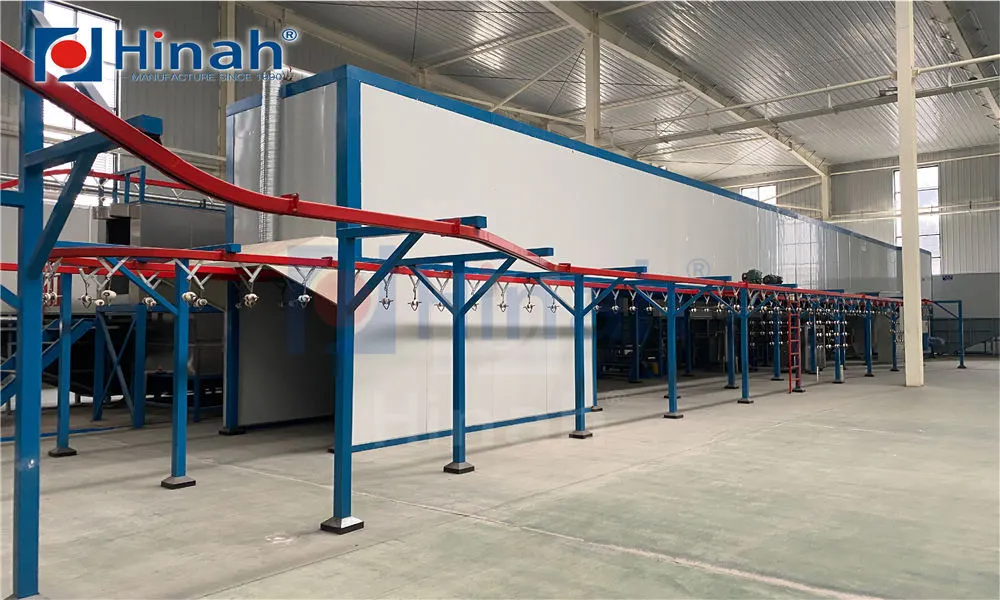
The classic sequence is: Pre-treatment, Drying, Spray Application, Curing, and Material Handling. The spray booth and cure oven are the most visible parts, but they cannot perform effectively without proper support from the other stages.
Let's examine each component in detail.
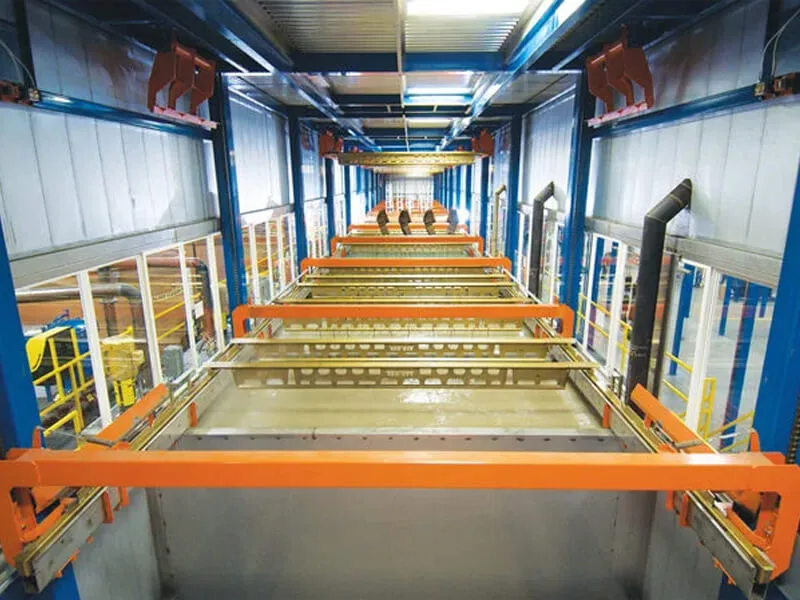
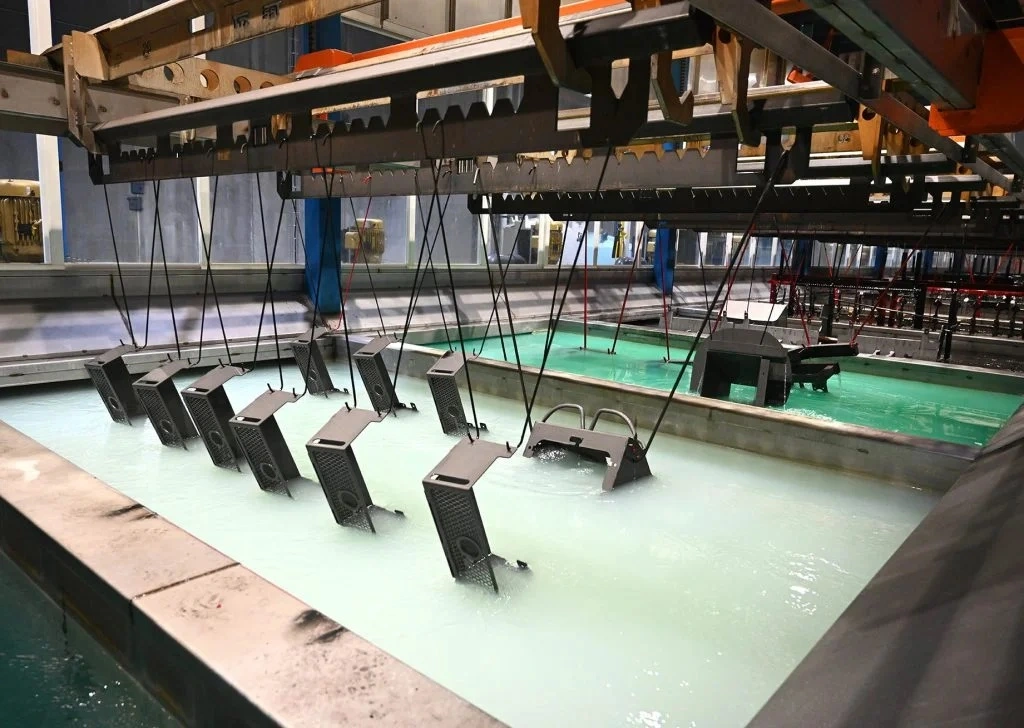
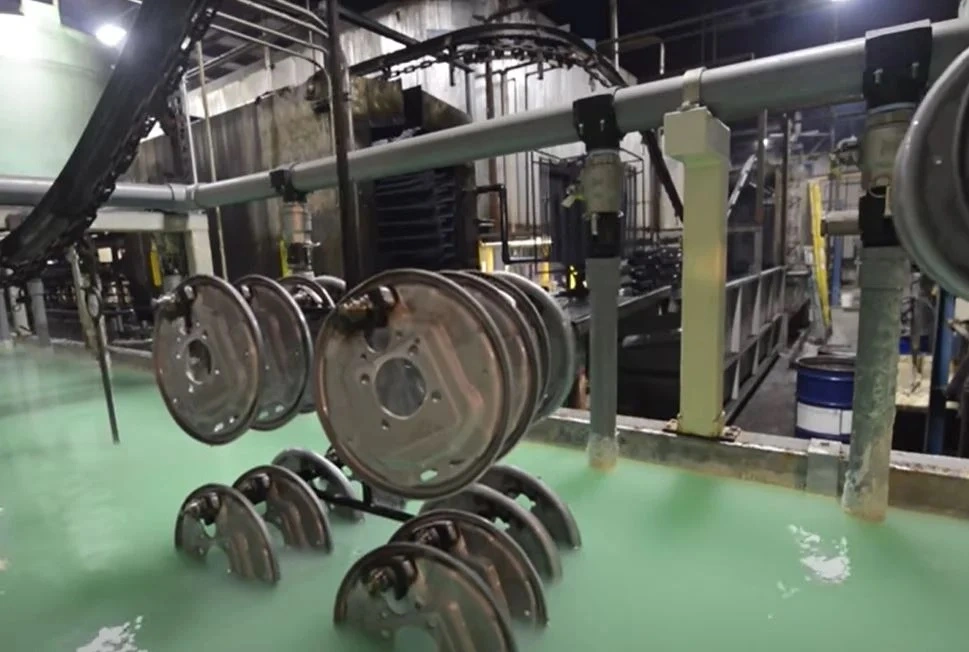
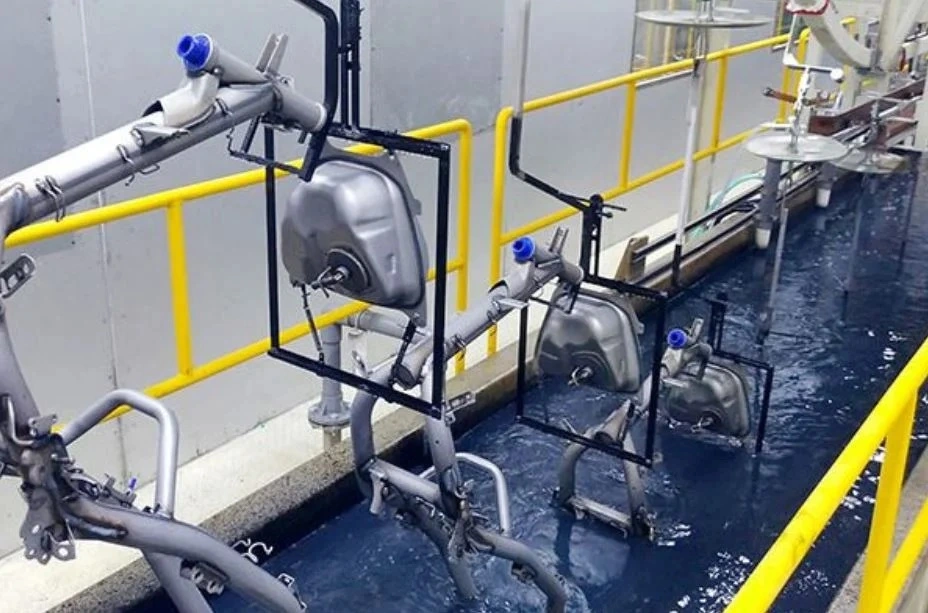
This is arguably the most important stage. Poor surface preparation guarantees coating failure, no matter how advanced your spray guns or oven are. Pre-treatment removes oils, dirt, and oxides while creating a chemically receptive surface.
For most metals, this involves a multi-stage wash process. A typical powder coating system might include an iron phosphate or zirconium pretreatment for steel, or a chrome-free conversion coating for aluminum.
Systems range from simple manual spray wand stations to fully automated, multi-stage washers with precise temperature and chemical control. The choice depends on your production volume and quality requirements.
After the final rinse stage, parts must be completely dry before powder application. Even minor moisture will cause defects during curing. This is often an overlooked step in planning.
A dry-off oven, or dryer, uses lower temperatures than the cure oven. Its sole job is to evaporate all residual water from the parts and racking. It ensures a perfectly dry, warm surface for optimal powder adhesion and film formation.
Integrating this oven between your washer and spray booth is a mark of a professional-grade powder coating system.
This is the heart of the application process. A good booth contains overspray, provides a clean environment, and facilitates efficient powder recovery. Key decisions include manual versus automatic guns, and the type of recovery system.
Booth designs include single-pass (non-recovery), cartridge filter recovery, or cyclone recovery systems. For shops using multiple colors, a cartridge booth with quick-change filters is standard. High-volume single-color lines often benefit from cyclone systems that return powder directly to the feed hopper.
Lighting, airflow design, and ergonomics are crucial for operator efficiency and consistency. HANNA booths are engineered for maximum powder transfer efficiency and easy cleaning.
The cure oven provides the precise, consistent heat needed to melt, flow, and chemically crosslink the powder into its final durable film. Undercuring and overcuring are common and costly problems.
We discussed oven types in detail previously. The key for system integration is ensuring the oven's heat capacity, conveyor speed (if automated), and temperature uniformity match the output of your upstream stages.
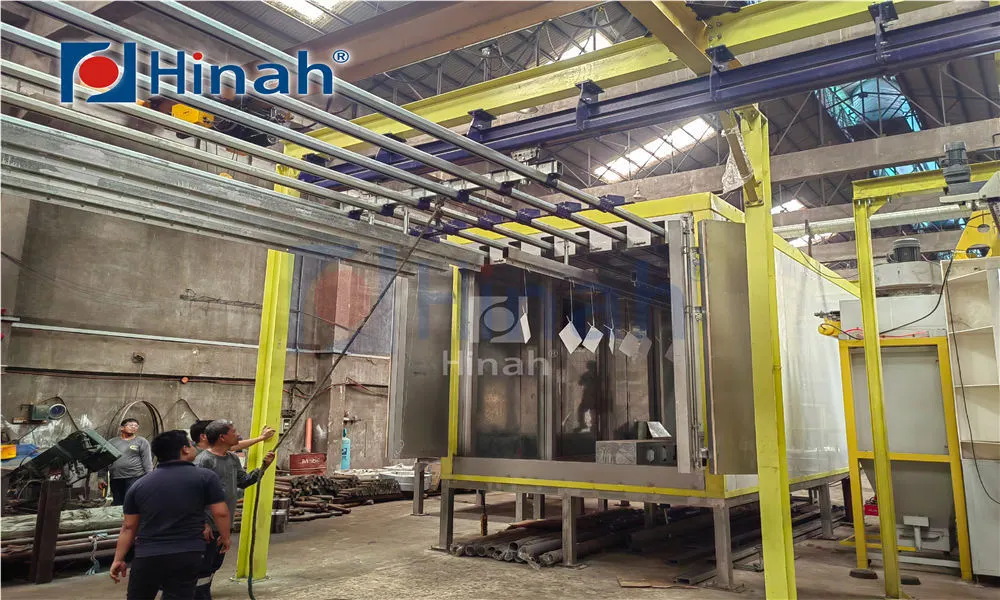
Whether it's a batch oven for job shops or a conveyorized oven for volume production, its specification must be based on the part mass, line speed, and powder manufacturer's cure schedule.
This is what ties the entire powder coating system together. It moves parts reliably from stage to stage. The method impacts labor costs, part damage, and overall line speed.
Options include simple overhead I-beam trolleys, powered monorail conveyors, indexing floor conveyors, and belt systems. The choice affects spatial layout, automation potential, and investment level.
A well-designed handling system minimizes manual lifting, reduces rework from handling marks, and ensures a consistent dwell time in each process stage.
Purchasing individual components from different suppliers creates integration headaches. A truly cohesive powder coating system functions as a single unit. Controls should communicate, and the line should have a unified design philosophy.
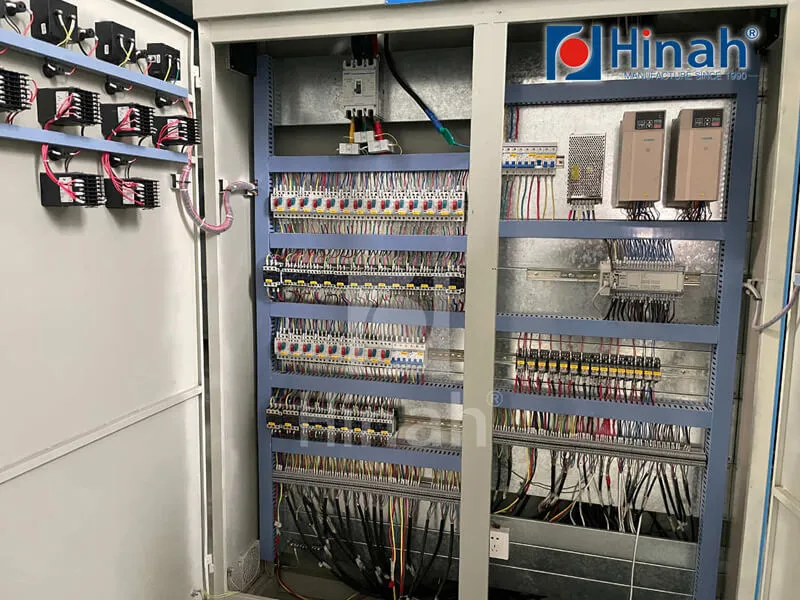
Modern systems use centralized PLC (Programmable Logic Controller) interfaces. An operator can set a line speed and the washer, dryer, and oven temperatures adjust in sync. This level of integration improves repeatability and simplifies operation.
It also aids in diagnostics and process validation, which is increasingly important for automotive, aerospace, and other certified industries.
Jumping straight to equipment specs is a mistake. First, answer fundamental questions about your business. What is your current and projected annual square footage of coating? What is your part mix—size, material, and geometry?
How many color changes do you perform daily? What are your required physical properties for the finish (thickness, adhesion, corrosion resistance)? What utilities are available (gas, compressed air, electrical capacity, floor space)?
Honest answers will guide every specification in your powder coating system, preventing costly over- or under-buying.
The purchase price is a large, upfront capital expense. However, the total cost of ownership (TCO) over 5-10 years is what truly matters. A cheaper, less efficient system can cost far more in the long run.
Consider energy consumption of ovens and recovery systems. Evaluate powder utilization rates—high transfer efficiency saves material. Factor in labor costs; automation reduces direct labor. Maintenance costs and spare part availability also play a major role.
A HANNA system is engineered for low TCO, focusing on durability, energy efficiency, and high transfer efficiency to maximize your operational profit.
Site preparation is a major project. You need a level, reinforced concrete pad, adequate utility stubs, and sufficient clearance. Work with your supplier early on a detailed floor plan.
Consider future expansion. Can you add an extra booth module or extend the oven? Is your electrical service panel sized for additional capacity? Planning for growth protects your initial investment.
Professional installation and commissioning by factory-trained technicians are non-negotiable for a system of this complexity. It ensures safety, performance, and warranty compliance.
Building a system from disparate vendors creates liability gaps and coordination challenges. When components don't interface perfectly, suppliers often blame each other, leaving you with a dysfunctional line.
A single-source provider like HANNA designs, manufactures, and integrates all key components. We assume total responsibility for the system's performance. Our engineers ensure the washer, booth, oven, and conveyor work in perfect harmony.
You get one point of contact for service, training, and spare parts. This seamless support is critical for maintaining uptime and product quality over the lifespan of your powder coating system.
A reliable, high-quality finish is the product of an entire process, not a single machine. Selecting the right powder coating system requires a holistic view of your parts, production goals, and facility.
By understanding each component's role and prioritizing integration, you invest in a production line that delivers consistency, lowers cost per part, and scales with your business. A well-engineered system is a competitive advantage for years to come.
Q1: What is the typical payback period for a new automated powder coating system?
A1: Payback varies widely based on volume, labor savings, and material efficiency gains. Many shops see a full return on investment within 18 to 36 months. The reduction in rework, higher throughput, and lower powder waste often drive the fastest savings. A detailed productivity analysis can provide a more precise estimate for your operation.
Q2: Can we integrate a new spray booth and oven into our existing manual pretreatment line?
A2: Yes, this is a common upgrade path. The key is ensuring the new components are correctly sized for the output of your existing washer stage. The integration focus will be on material handling between the old and new sections. A site audit can determine the feasibility and any needed modifications to the pretreatment stage.
Q3: How important is make-up air (MUA) for a powder coating system?
A3: Critically important. The powder booth and ovens exhaust significant air. Without a properly sized and conditioned Make-Up Air unit, you create negative air pressure in the building. This leads to drafts that disrupt booth airflow, draws in unfiltered dirt, and can make doors difficult to open. It is a mandatory component for system performance and operator comfort.
Q4: What are the main differences between a cartridge recovery system and a cyclone recovery system?
A4: Cartridge systems filter powder-laden air through pleated filters. Collected powder is manually or automatically pulsed into a collection hopper. They excel in multi-color environments where frequent color changes are needed. Cyclone systems use centrifugal force to separate powder; reclaimed powder can often be automatically fed back to the gun. They offer very high recovery rates for single-color or low-color-change environments.
Q5: What kind of ongoing maintenance does the complete system require?
A5: Maintenance is daily, weekly, and annual. Daily: Check booth filter pressure drop, empty collection hoppers, inspect washer chemical levels. Weekly: Clean booth walls, check gun components for wear, inspect conveyor mechanisms. Annually: Deep-clean the entire system, calibrate oven temperatures, service pumps and motors, inspect safety devices. A planned maintenance schedule is essential for uptime.