
For any manufacturer, investing in professional powder coating systems is a major step towards achieving superior finish quality and operational efficiency. Unlike a simple setup, industrial-grade systems are integrated processes where each component must work in perfect harmony. A weakness in one area can compromise the entire line's output, durability, and cost-effectiveness.
Navigating the options requires a clear understanding of what a complete system entails. This guide breaks down the five non-negotiable components of effective powder coating systems, explaining their function and what to look for when selecting equipment for your facility. Whether you're setting up a new line or upgrading an existing one, this framework will help you make informed decisions.
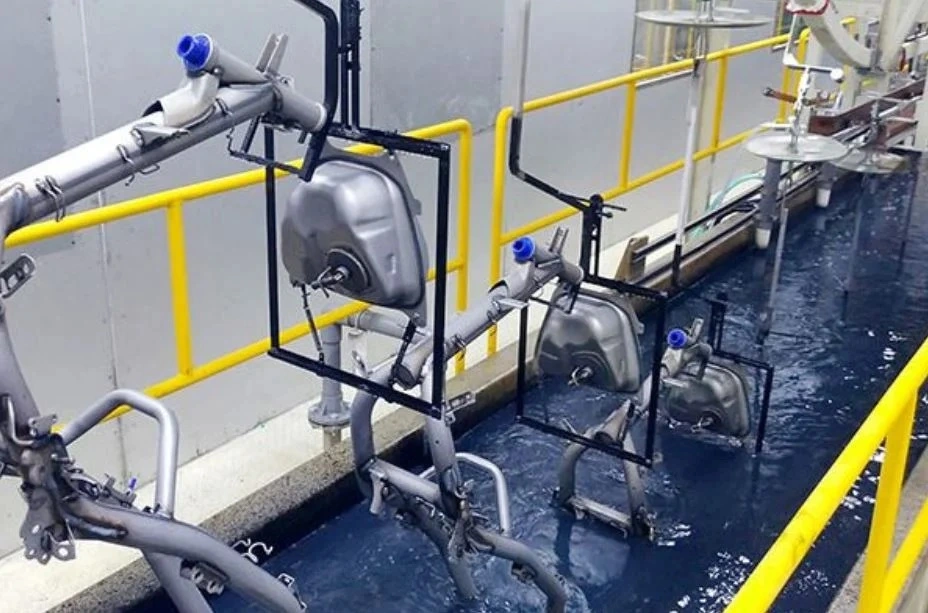
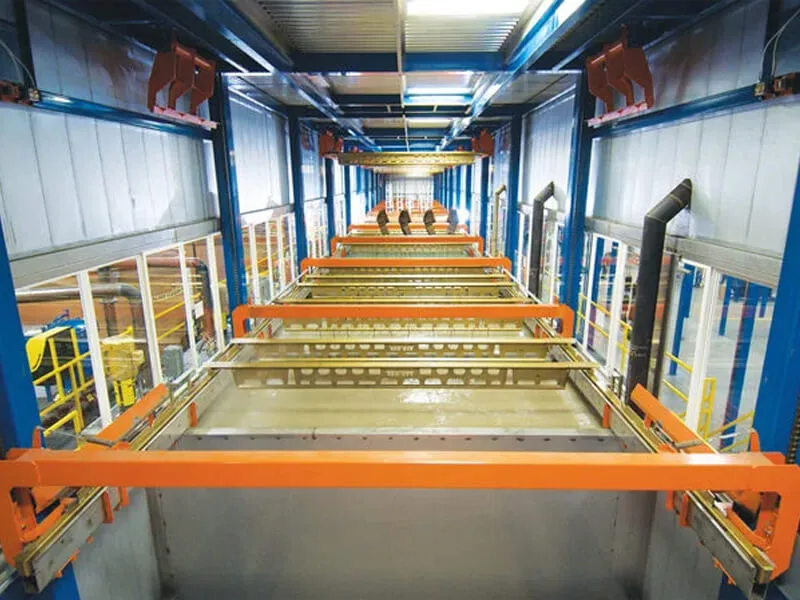
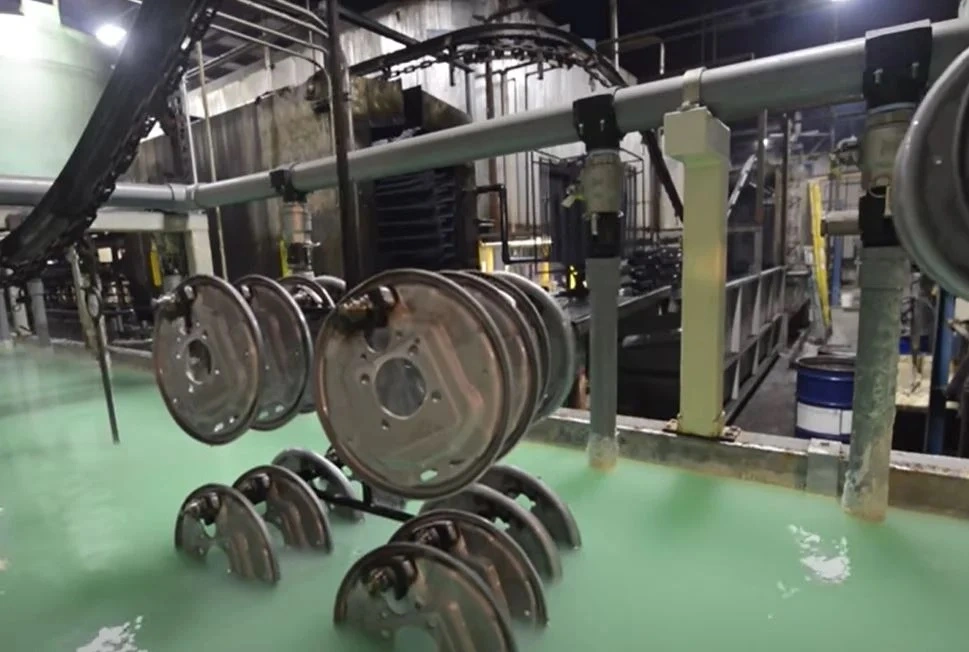
This is the most critical, yet most frequently underestimated, part of any industrial finishing line. Proper surface preparation determines up to 80% of a coating's long-term adhesion and corrosion performance.
A robust pretreatment stage in modern powder coating systems involves multiple phases. These typically include cleaning, rinsing, and a chemical conversion coating, such as iron phosphate or zirconium.
The goal is to remove all oils, dirt, and oxides. It then creates a microscopically rough, chemically active surface for the powder to bond to. Systems can be spray washers for conveyor lines or dip tanks for batch processing, but consistency and control are paramount.
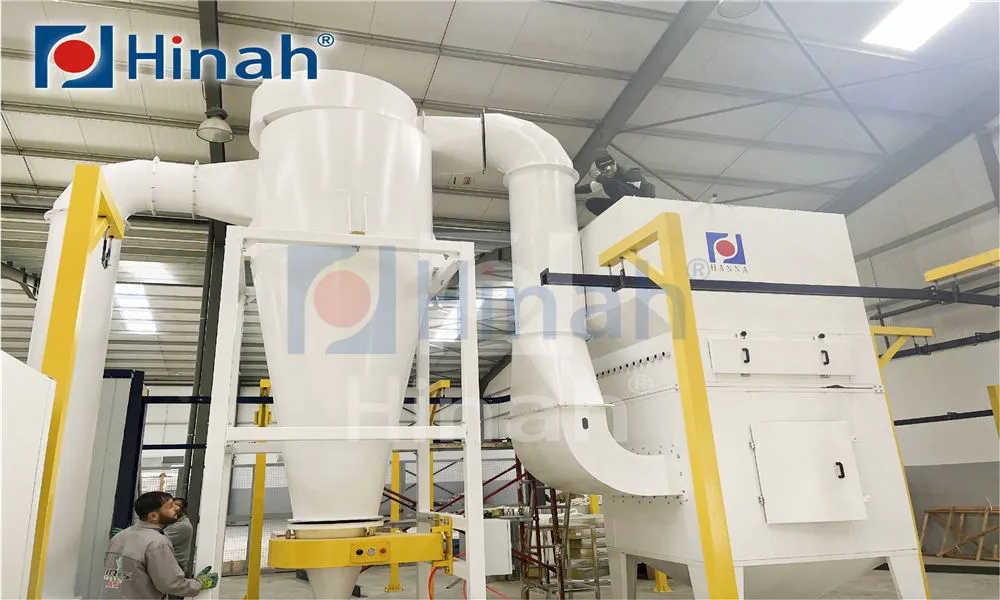
The spray booth is the controlled environment where powder is applied to the part. Its design directly impacts material efficiency, operator safety, and cleanliness.
High-quality booths contain overspray and ensure clean air flow. They feature efficient powder recovery systems, often using cartridge filters and cyclones to reclaim unused powder for reuse. This dramatically improves transfer efficiency and reduces material costs.
Look for booths with easy-clean surfaces, safe electrical systems, and designs that minimize powder accumulation. A well-engineered booth from a specialist like HANNA is designed for minimal downtime and maximum powder yield.
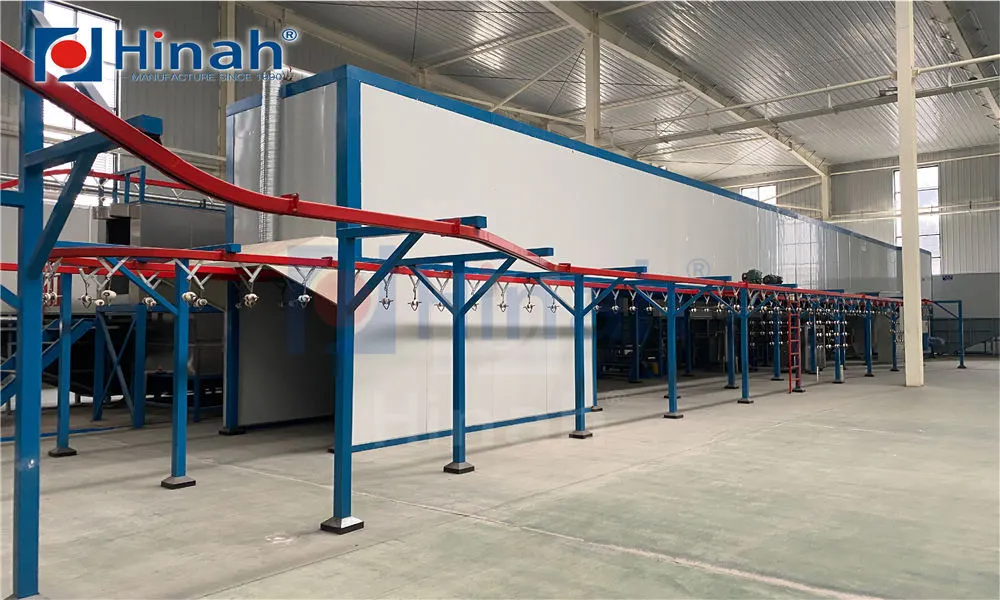
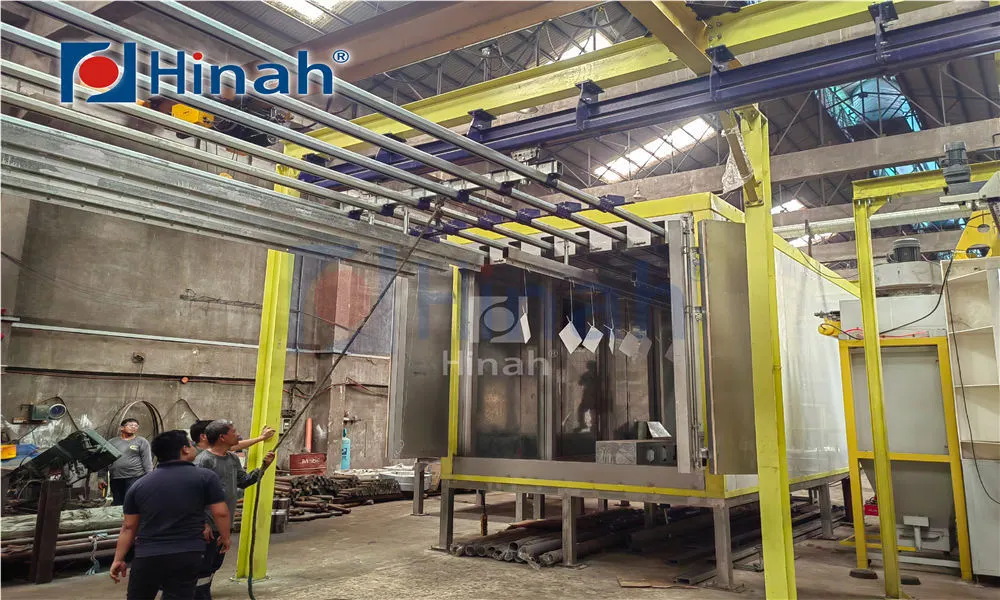
The curing oven is where the applied powder melts, flows, and chemically crosslinks to form the final durable finish. Precise, uniform heat is essential.
Industrial powder coating systems rely on ovens that deliver exact temperature profiles. They must eliminate cold spots to prevent under-cure and avoid hot spots that cause over-cure. Conveyorized curing ovens are standard for production lines, while batch ovens offer flexibility.
Energy efficiency is a major operational cost factor. Insulation quality, heat source (electric or gas), and airflow design are critical. HANNA ovens, for instance, are engineered for thermal uniformity and low operating cost, ensuring every part meets the specified cure schedule.
The conveyor is the logistical backbone that moves parts reliably through each stage—pretreatment, drying, powder application, and curing—without damage or bottlenecks.
The choice of conveyor (overhead monorail, power-and-free, or belt) dictates your line's layout, spacing, and capacity. It must be compatible with part weights, sizes, and the chemistry of each stage (e.g., resistant to pretreatment chemicals).
A poorly designed handling system will limit throughput and cause maintenance headaches. It must be integrated from the start with the other components of your powder coating systems.
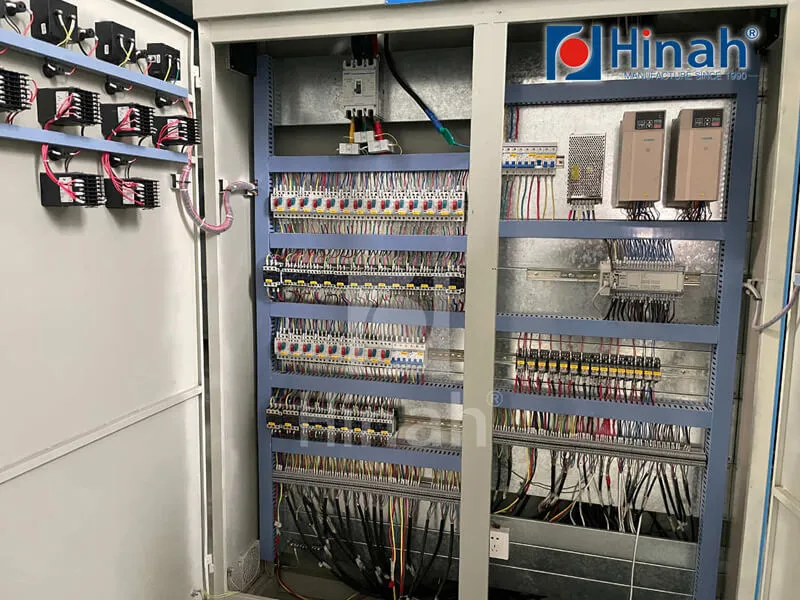
Modern industrial systems are defined by their level of integration and control. This goes beyond simple temperature dials to encompass full process management.
This includes programmable logic controllers (PLCs) that manage oven zones, conveyor speed, and booth ventilation. For advanced lines, it involves automated gun movers or robots for consistent application, and recipe storage for different parts.
This "brain" of the operation ensures repeatability, reduces human error, and provides valuable production data. Investing in smart controls future-proofs your operation and enhances quality control across all your powder coating systems.
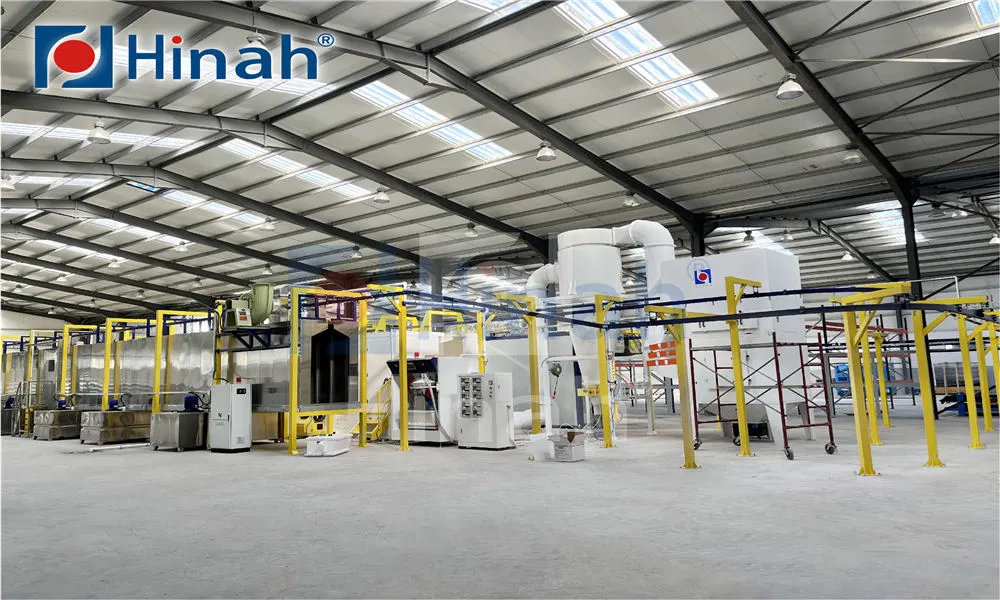
Your production volume and part mix determine the type of system you need.
Manual/Batch Systems are ideal for job shops. They offer great flexibility for varying part sizes and powders but have lower throughput and higher labor costs per part.
Fully Automated Systems are for high-volume production. They offer superior speed, consistency, and lower per-part cost. However, they require significant capital investment and are less flexible to change.
Building a high-performance line is more than connecting individual pieces of equipment. It requires process engineering expertise to ensure all components are perfectly synchronized for your specific products and goals.
This is where partnering with an integrated supplier like HANNA proves invaluable. We don't just supply ovens or booths; we engineer complete powder coating systems. Our team designs the process flow, ensures component compatibility, and focuses on total system efficiency—from powder savings to energy use.
Our approach minimizes future bottlenecks and operational surprises, delivering a turnkey solution built for durability, performance, and a strong return on investment.
Successful finishing depends on viewing your operation as a complete, interconnected process. By understanding the essential roles of pretreatment, application, curing, handling, and control, you can evaluate powder coating systems with a critical eye.
Prioritizing integration, quality components, and expert partnership will lead to a system that delivers consistent, high-quality finishes, maximizes your throughput, and minimizes your total cost of ownership for years to come.
Q1: What is the single most important factor for adhesion in powder coating systems?
A1: Without question, it is thorough and consistent surface pretreatment. Even the most advanced powder and oven cannot adhere properly to a dirty, oily, or unprepared surface. The pretreatment stage is the non-negotiable foundation for all durable powder coating.
Q2: How much can powder recovery systems in the spray booth actually save me?
A2: A highly efficient recovery system can reclaim 95-99% of overspray powder for reuse. This dramatically reduces raw material costs. For a high-volume operation, this can translate to tens of thousands of dollars saved annually, making it a critical feature in professional powder coating systems.
Q3: Can I start with a batch system and automate it later?
A3: While possible, retrofitting automation onto a manual batch line is often complex and costly. True automation requires a conveyorized layout, compatible booth design, and integrated controls. Planning for future scalability with a partner like HANNA from the outset is a more cost-effective long-term strategy.
Q4: How much facility space do I need for an automated conveyor system?
A4: Space requirements vary widely. A compact line might need 2,000 square feet, while a large system with full pretreatment can require 10,000+ square feet. A detailed layout from your system integrator is essential, factoring in part clearance, maintenance access, and future expansion.
Q5: Why is oven temperature uniformity more critical than just reaching a set point?
A5: Powder coatings cure within a specific time-at-temperature window. If an oven has uneven temperatures (±25°F or more), parts in cold zones will be under-cured (soft, poor adhesion), while parts in hot zones may over-cure (brittle, discolored). Precision ovens from HANNA ensure uniformity (±5-10°F), guaranteeing every part meets the exact cure specification.