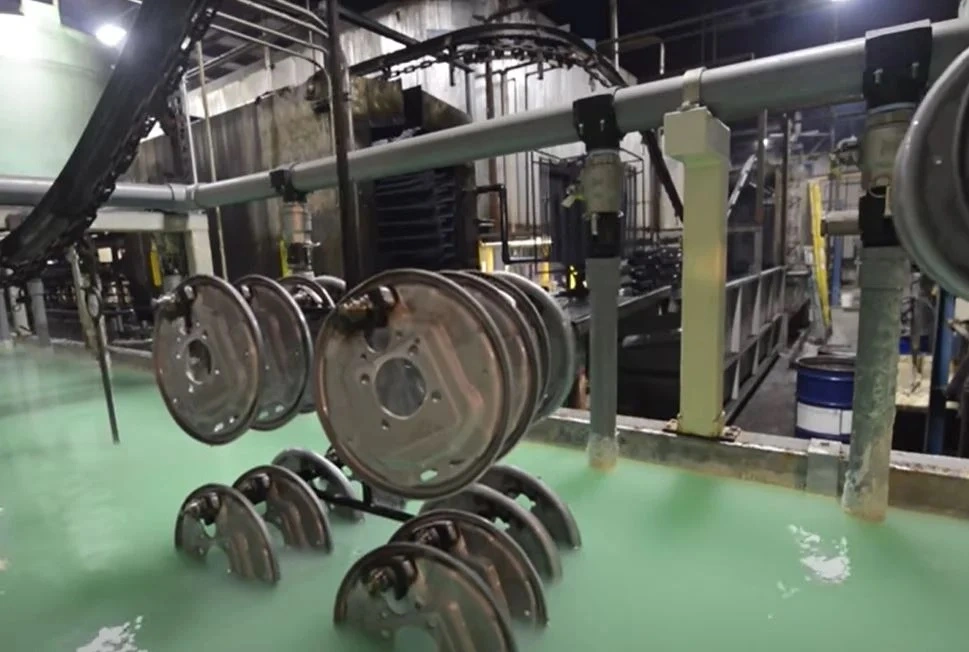
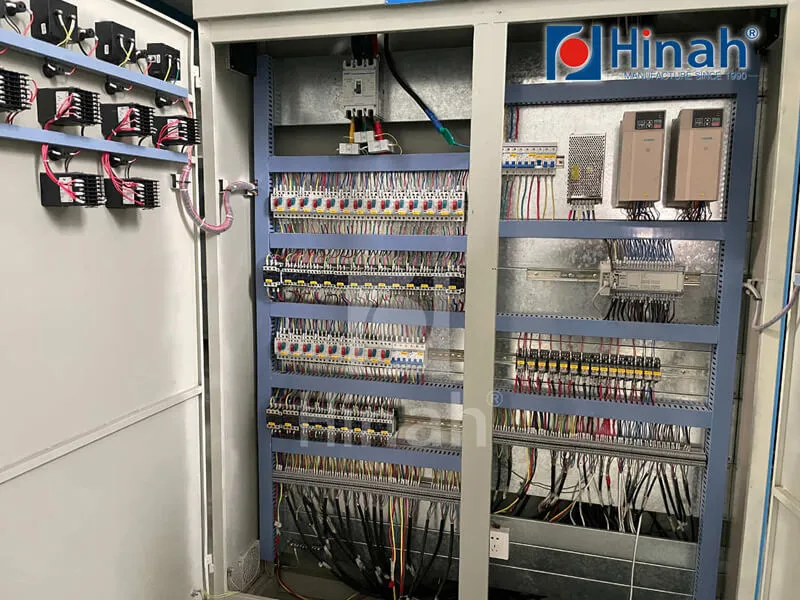
The efficiency of any powder coating line depends heavily on its backbone: the powder coating conveyor. This system moves parts through every stage, from pretreatment and drying to coating and curing. Selecting the wrong conveyor can create bottlenecks, cause finish defects, and increase operational costs.
This guide explains the main types of powder coating conveyor systems and key factors for selection. It will help you make an informed choice for your specific application and production goals.
A powder coating conveyor is more than just a transport mechanism. It directly impacts your line's capacity, flexibility, and finish quality.
The right system ensures a consistent, predictable flow of parts. This consistency is vital for achieving uniform coating coverage and proper curing times.
A poorly chosen conveyor can lead to frequent jams, part collisions, and uneven exposure in ovens. These issues result in wasted powder, rework, and reduced throughput.
There are two primary conveyor categories, each suited to different production scales and part types.
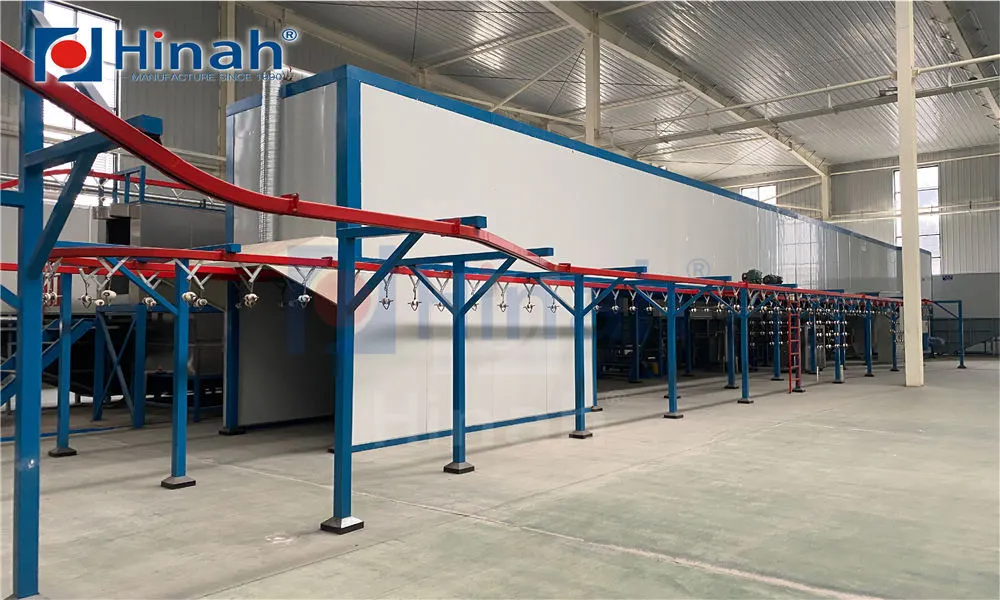
This is the most common type in industrial powder coating. Parts are hung from trolleys that ride on an I-beam track mounted overhead.
Parts are placed directly on a continuous, temperature-resistant belt that moves through the system.
Choosing the correct powder coating conveyor requires a detailed analysis of your operation. Here are the main points to evaluate.
Your specific products and output targets dictate the conveyor's design.
Your facility's physical constraints are a major deciding factor.
Beyond the basic type, several technical features impact performance and flexibility.
Your powder coating conveyor must work seamlessly with all other line components.
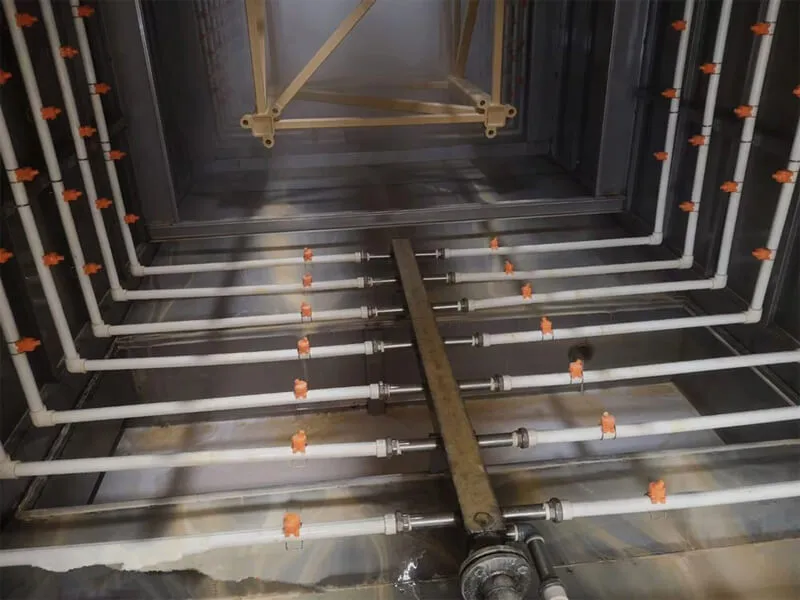
Working with a specialist like HANNA ensures your conveyor system is engineered for success. HANNA designs and manufactures integrated powder coating lines where the conveyor is perfectly matched to the ovens, booths, and recovery systems.
HANNA engineers assess your full application to recommend the optimal powder coating conveyor type and configuration. We provide detailed layout drawings and consider future expansion needs during the initial design phase.
Our systems are built for durability with high-quality chains, drives, and controls. This reduces long-term maintenance costs and prevents unplanned downtime.
Choosing the right powder coating conveyor is a strategic investment. It affects your daily productivity, coating quality, and operational costs. By carefully evaluating your parts, production needs, and facility, and partnering with an experienced supplier like HANNA, you secure a reliable foundation for your finishing process.
Q1: What is the main difference between overhead and floor-style powder coating conveyors?
A1: Overhead conveyors, like monorails, carry parts suspended from an elevated track, saving floor space. Floor-style conveyors, like belt systems, carry parts at ground level and are often used for flat, sheet metal, or delicate items that cannot be hung.
Q2: How do I calculate the required speed for my powder coating conveyor?
A2: Conveyor speed is determined by your required throughput (parts per hour) and the necessary cure time in the oven. The formula involves the oven length, required cure time, and spacing between parts. HANNA's engineering team can perform this critical calculation for you.
Q3: Can a conveyor system be expanded or modified later?
A3: Yes, with proper initial planning. Systems designed by HANNA often allow for future extension in length or increases in line speed. It is much more cost-effective to discuss potential future needs during the initial design phase.
Q4: How much maintenance does a typical powder coating conveyor need?
A4: Regular preventive maintenance is essential. This includes periodic chain lubrication (for overhead systems), inspection of trolley bearings, drive chain tension checks, and monitoring of the drive motor. A well-maintained HANNA conveyor can operate for years with minimal issues.
Q5: Are there conveyors designed for high-temperature curing ovens?
A5: Absolutely. Conveyors for high-temperature environments use specialized components. This includes high-temperature bearing grease in trolleys, heat-resistant chains, and sometimes protective shrouds or cooling zones for critical drive sections. Specify your maximum oven temperature to your supplier.