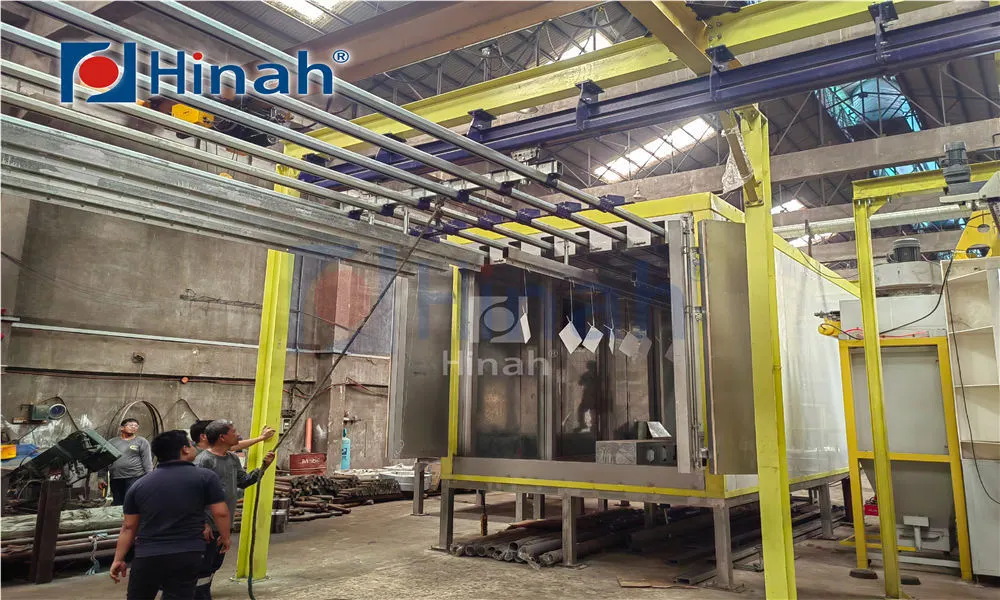

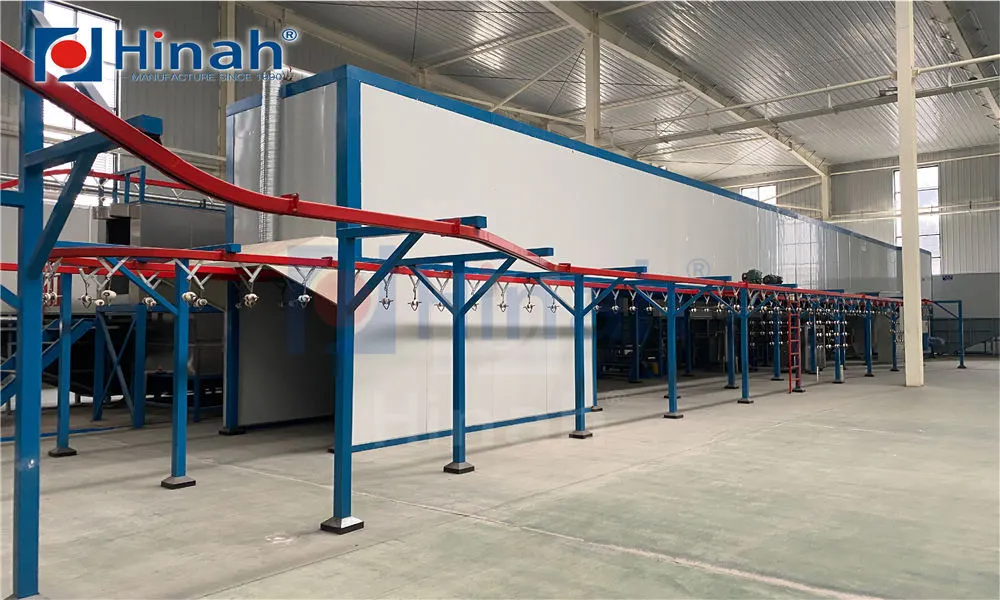
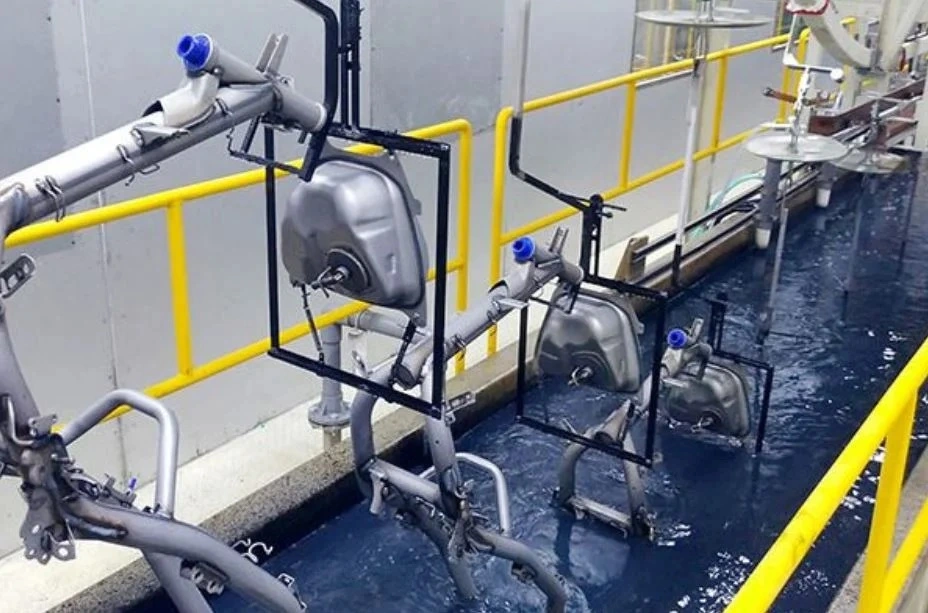
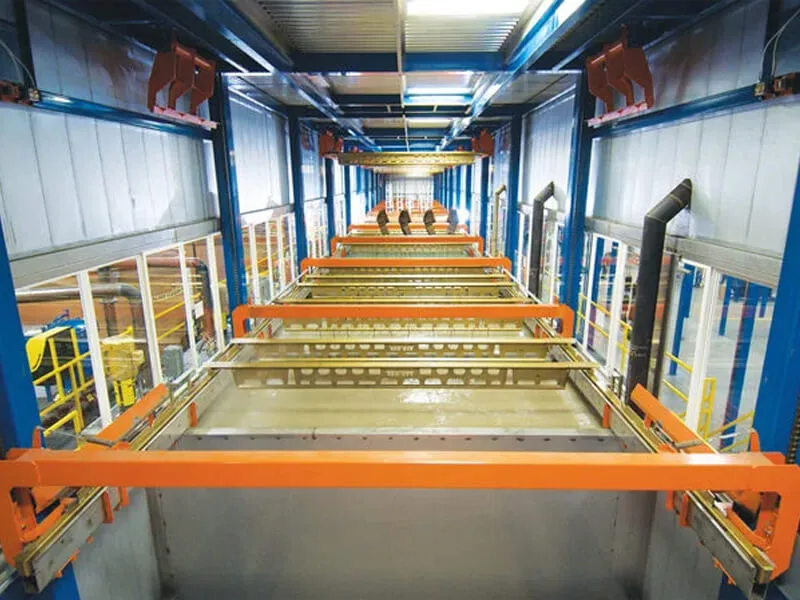
In high-volume industrial finishing, the performance of paint drying ovens directly determines production throughput, coating adhesion, and final surface quality. These thermal systems do more than evaporate solvents—they initiate cross-linking reactions in polymer-based coatings, transforming liquid films into durable, protective layers. For operations managers and coating engineers, understanding the interplay between heat transfer, airflow, and dwell time is essential to avoid rejects, rework, and line stoppages. This article examines the engineering principles, selection criteria, and operational strategies that define effective paint drying solutions for modern manufacturing environments.
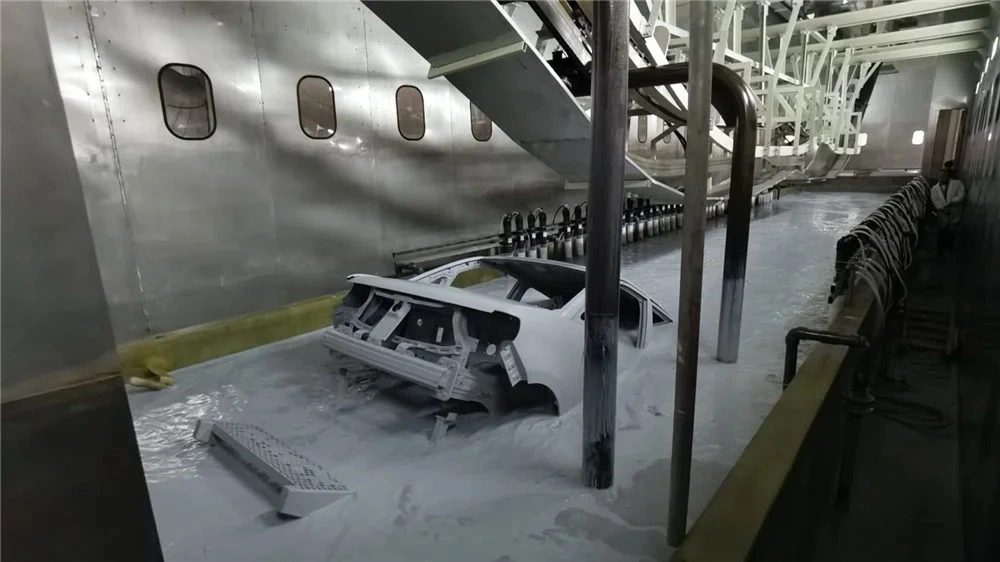
The drying phase represents a convergence of chemistry and thermodynamics. While conventional air-drying relies on ambient conditions, industrial paint drying ovens accelerate the process through controlled thermal energy input. This acceleration is not merely about speed—it ensures repeatable cure profiles across varying substrate geometries and coating formulations.
Surface dryness is only the first milestone. For thermosetting coatings such as polyurethanes, epoxies, and polyester-based finishes, the oven must sustain a specific temperature-time curve to achieve full cross-linking. Insufficient dwell time or temperature gradients result in under-cured films that lack hardness, chemical resistance, and intercoat adhesion. Conversely, over-baking can cause embrittlement, discoloration, or loss of gloss. Precise control over ramp rates, soak temperatures, and cool-down sequences separates a high-performance paint drying oven from a basic heating chamber.
Three primary heat transfer modes operate within drying enclosures: convection, conduction, and radiation. Convection ovens rely on heated air circulation to transfer energy to the coated surface—effective for complex parts with recessed areas. Infrared (IR) systems deliver radiant energy directly to the coating layer, reducing air heating losses and enabling rapid temperature rise. Many contemporary lines combine both methods in zoned configurations, using IR boosters for fast solvent flash-off followed by convection sections for uniform cure. The selection of heating technology influences not only energy consumption but also the physical footprint and maintenance complexity of the entire drying line.
Evaluating oven performance requires quantifiable metrics that correlate with output quality and operational cost. Four parameters consistently emerge as critical in industrial audits.
Temperature distribution across the oven chamber must remain within ±3°C of the set point to prevent localized under-cure or over-cure. Profiling systems, comprising multiple thermocouples placed on dummy parts, provide real-time data during production runs. Deviations often stem from poor air distribution, worn burner components, or clogged filters. Regular profiling—conducted at shift intervals or after maintenance—enables early detection of drift. For conveyors with variable part loading, adaptive control algorithms can adjust burner output to compensate for thermal mass fluctuations, maintaining consistent energy delivery per unit of throughput.
Air velocity and exchange rates directly influence solvent vapor concentration and flash-off efficiency. Stagnant zones permit solvent pooling, leading to pinholes, blisters, or "solvent pop" defects. High-velocity impingement nozzles or air bars disrupt boundary layers, enhancing mass transfer from the wet film. However, excessive airflow can disturb the coating surface before it reaches a tack-free state, causing orange peel or wave patterns. Balanced air distribution—achieved through computational fluid dynamics (CFD) modeling during design—ensures optimal evaporation without compromising film integrity.
Ovens are among the largest energy consumers in a finishing plant. Heat recovery systems capture exhaust enthalpy to pre-heat incoming fresh air or supply water for downstream washing stages. Recuperative burners and high-efficiency insulation reduce standby losses. More importantly, variable-frequency drives (VFDs) on circulation fans adjust airflow to match load demands, curtailing energy waste during partial production. These measures not only lower utility bills but also reduce the carbon footprint of the coating operation—a growing consideration in regulatory and procurement frameworks.
Choosing a drying system involves matching technical specifications to production constraints. No single design fits all applications; the optimal solution emerges from a structured analysis of part geometry, coating chemistry, throughput targets, and facility limitations.
Convection ovens offer flexibility for mixed-product lines, as they can accommodate varied shapes and sizes without tooling changes. The thermal inertia of the air mass provides a buffer against part-to-part variations. Infrared ovens, conversely, excel in high-speed, single-product environments where rapid heat-up reduces line length. Hybrid systems are increasingly common, using IR pre-heaters to drive off solvents quickly, then finishing the cure in a convection hold zone. This combination minimizes overall dwell time while preserving the robustness of convective heat distribution.
Batch ovens suit low-to-medium volume production, offering lower capital investment and floor-space flexibility. They are often employed for prototype runs, touch-up jobs, or processing oversized components that cannot navigate a conveyor path. Continuous ovens—either straight-through or U-shaped—are the backbone of high-output finishing lines. They integrate with monorail or power-and-free conveyors, enabling synchronized part flow through pretreatment, application, drying, and cooling zones. Continuous designs demand precise zoning to accommodate varying part spacing and coating thicknesses across the conveyor length.
Modern paint drying ovens feature modular construction with independent temperature zones, each equipped with its own burner, fan, and control loop. This zoning permits distinct thermal profiles for different coating layers—for instance, a lower-temperature zone for basecoat solvent flash followed by a higher-temperature zone for clearcoat cure. Modularity also simplifies maintenance, as individual sections can be serviced without shutting down the entire line. When planning new installations, engineers should allow for future expansion by specifying spare capacity in the utility infrastructure and control architecture.
For operations requiring specialized configurations, HANNA provides engineered solutions that integrate drying ovens with complete pretreatment and coating application systems. Their approach emphasizes process compatibility, ensuring that each oven module aligns with upstream and downstream equipment for seamless material flow.
Even well-designed ovens encounter performance issues when process variables shift. Recognizing these challenges early prevents quality excursions and unplanned downtime.
Under-cure manifests as soft films that mar easily or fail adhesion tests. Causes include insufficient oven temperature, reduced dwell time from conveyor speed increases, or misaligned thermocouple sensors providing false readings. Regular calibration of sensors and verification of conveyor speed against set points are basic preventive measures. For thicker coatings, extending dwell time or raising the set temperature within the material's safe processing window may be necessary. Recording cure data for each batch supports traceability and enables root-cause analysis when anomalies occur.
Solvent popping arises when volatile components are trapped beneath a rapidly formed skin, subsequently erupting through the film. This defect is prevalent in high-build coatings or when flash-off times are insufficient before the part enters the high-heat zone. Adjusting the flash-off tunnel temperature and extending the ambient dwell period often resolves the issue. In some cases, reformulating the coating with slower solvents can widen the processing window, though this may increase overall drying time. Proper airflow during flash-off—directing vapors away from the part—is equally critical.
When the drying oven becomes the cycle-time bottleneck, downstream assembly or packaging operations starve for parts. This situation typically occurs after upstream equipment upgrades that increase coating application speed without corresponding oven capacity expansion. Solutions include retrofitting higher-capacity burners, adding a second oven in parallel, or implementing a predictive scheduling system that staggers part entry to avoid peak thermal load. Conveyor indexing can also be adjusted to optimize part spacing, reducing the effective load on the oven without altering line speed.
Digitalization has transformed oven control from manual thermostat adjustment to closed-loop process management. This evolution enables real-time optimization and data-driven decision-making.
Programmable logic controllers (PLCs) orchestrate burner modulation, fan speed, damper positions, and conveyor synchronization. Advanced controllers incorporate temperature and pressure transmitters, airflow sensors, and part presence detectors to adjust parameters dynamically. For instance, when a heavy part enters the oven, the system can temporarily increase airflow or temperature to compensate for the added thermal mass. This adaptive response maintains cure consistency without operator intervention, reducing variability associated with human adjustment.
Modern ovens generate extensive data logs—temperature profiles, energy consumption, alarm events, and production counts. These records are invaluable for quality audits, regulatory compliance (such as IATF 16949 or ISO 9001), and continuous improvement initiatives. By correlating oven data with final coating test results, engineers can identify optimal parameter windows and refine standard operating procedures. Integration with manufacturing execution systems (MES) further enables lot-level traceability, linking each batch's cure history to its downstream inspection outcomes.
For facilities seeking to modernize legacy ovens, HANNA offers retrofitting services that upgrade control panels, sensor networks, and data acquisition modules. These interventions extend equipment life while introducing Industry 4.0 capabilities without requiring a complete line replacement.
Scheduled maintenance prevents performance degradation and extends the service life of paint drying ovens. A comprehensive program addresses mechanical, thermal, and electrical subsystems.
Burner and heat exchanger inspections: Check for flame quality, heat exchanger cracks, and burner nozzle wear. Annual combustion analysis ensures optimal fuel-to-air ratios and emissions compliance.
Air filtration and duct cleaning: Recirculated air carries overspray particles and dust, which accumulate on filters and heat-transfer surfaces. Restricted airflow increases energy consumption and creates temperature gradients. Replace filters monthly and clean ductwork quarterly.
Conveyor and chain lubrication: Oven conveyors operate under high thermal stress. Lubricate bearings and chains with heat-stable greases to prevent seizing and reduce drive motor load.
Insulation integrity checks: Damaged or degraded insulation compromises temperature uniformity and elevates surface temperatures, posing safety hazards. Inspect panels for discoloration or warping, which indicate hot spots or moisture ingress.
Control system calibration: Thermocouples, pressure transmitters, and flow meters drift over time. Establish a calibration schedule—quarterly for primary sensors—to maintain control accuracy.
The industrial coating sector is witnessing innovations that redefine drying process capabilities. While fundamental thermodynamic principles remain unchanged, new materials and control strategies are expanding performance envelopes.
One development is the use of ultraviolet (UV)-curable and electron-beam (EB)-curable coatings that polymerize instantly upon exposure, drastically reducing oven length and energy use. Hybrid ovens that combine thermal and UV sections are appearing in automotive and aerospace lines, offering the adhesion benefits of thermal cure with the speed of radiation curing. Another trend is the adoption of predictive maintenance algorithms, which analyze vibration, temperature, and current signatures from fans and motors to forecast failures before they occur. This proactive approach minimizes unplanned downtime and optimizes spare parts inventory.
Additionally, regenerative thermal oxidizers (RTOs) are being integrated with oven exhaust streams to abate volatile organic compounds (VOCs) while recovering heat for oven makeup air. This synergy addresses both environmental compliance and energy efficiency, aligning with sustainability targets without compromising production speed.
While the terms are often used interchangeably, a paint drying oven primarily focuses on solvent evaporation to achieve a dry-to-touch state. A curing oven goes further by providing the time and temperature necessary for chemical cross-linking to develop full film properties. Many industrial ovens serve both functions in different zones, with the initial sections handling flash-off and the latter sections managing the cure profile.
Dwell time is calculated by dividing the oven's heated length by the conveyor speed. The required time depends on the coating manufacturer's recommended cure schedule, which specifies temperature and duration based on the substrate material and film thickness. Conducting temperature profiling runs with actual parts and thermocouples confirms whether the current dwell time achieves the specified metal temperature for the required soak period.
Partial conversion is feasible by installing IR modules in the first zone of the oven to boost heat-up rates, while retaining convection sections for soak and hold. This hybrid approach often yields the best compromise between speed and uniformity. A full conversion requires redesigning the air handling system and control logic, which may be more complex and costly. Consulting with an experienced integrator, such as HANNA, helps evaluate the technical and economic feasibility of such a retrofit.
Non-uniformity typically originates from four sources: blocked or misaligned air nozzles, unbalanced burner firing rates, faulty thermocouple readings, or insufficient insulation in certain sections. Dirty heat exchanger fins and clogged return-air plenums also disrupt airflow patterns. A systematic inspection of the air distribution system, coupled with a multi-point temperature survey, usually identifies the root cause.
For high-volume, continuous operations, profiling every three to six months is recommended, or whenever significant changes occur—such as coating type substitution, conveyor speed adjustments, or major maintenance on burners or fans. Low-volume or batch lines may extend the interval to annually, provided that daily spot checks and recorded data show stable performance. Profiling after any electrical or mechanical repair that affects heat generation or distribution is also advisable.
Yes, but waterborne formulations require careful management because water has higher latent heat of vaporization than solvents. Ovens for waterborne lines need greater airflow and slightly higher temperatures in the flash-off zone to drive off water efficiently without trapping moisture beneath the film. Corrosion-resistant materials for ductwork and burner components are also recommended to withstand the humid exhaust environment.
Essential safety features include flame monitoring with ultraviolet (UV) or infrared (IR) sensors, excess-temperature shutoff switches, airflow interlocks that prevent burner operation without adequate ventilation, and explosion relief panels. Solvent vapor concentration monitors, integrated with the exhaust system, ensure that flammable limits remain below 25% of the lower explosive limit (LEL). Regular testing of these safety circuits is mandated by insurance underwriters and local fire codes.
For detailed specifications and integration support for your next finishing line, consult the engineering team at HANNA. Their portfolio includes paint drying ovens designed for automotive, aerospace, and general industrial applications, with turnkey installation and after-sales service.
For inquiries about your specific production requirements, please contact our technical sales team.